

MEP BIM Coordination Services for Clash-Free and Efficient Construction
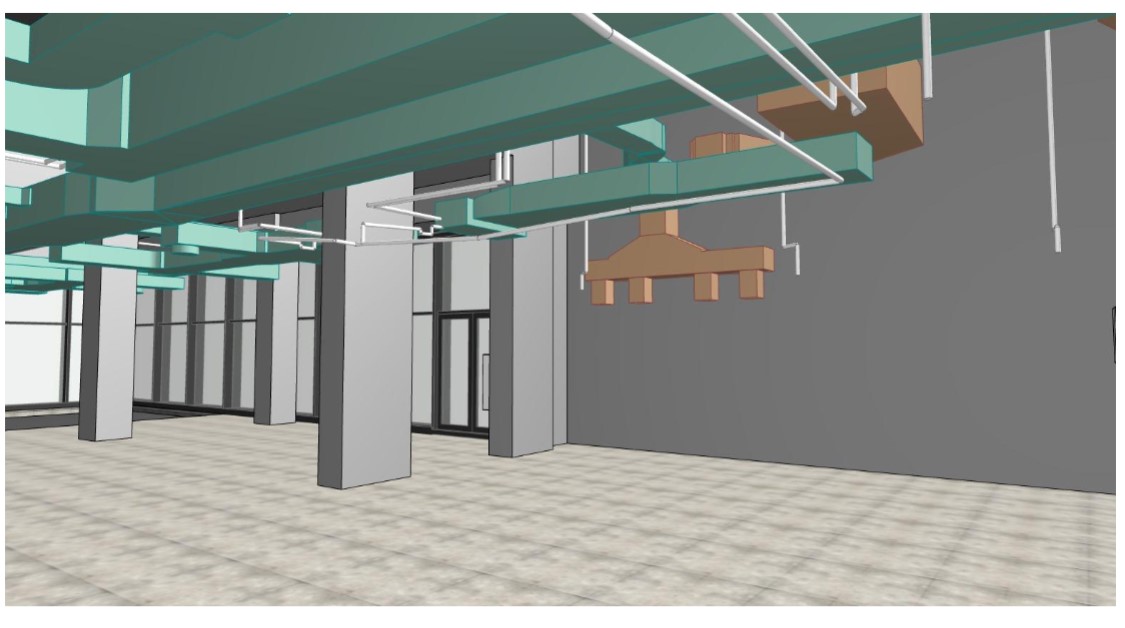
Modern construction projects demand precision, collaboration, and cost efficiency. MEP BIM coordination plays a critical role in ensuring that mechanical, electrical, and plumbing systems are seamlessly integrated into the overall building design. By using advanced BIM technologies, project teams can reduce conflicts, eliminate costly rework, and keep construction on schedule.
What Are MEP BIM Coordination Services?
MEP BIM coordination services involve the integration and alignment of mechanical, electrical, and plumbing systems within a unified 3D BIM environment. Through BIM-based MEP coordination, all disciplines are coordinated with architectural and structural models to identify clashes, optimize layouts, and ensure constructability before construction begins.
Unlike traditional 2D workflows, coordinated MEP models provide a data-rich digital environment that improves collaboration and supports informed decision-making early in the project lifecycle.
Why MEP BIM Coordination Is Essential for Modern Projects
Construction projects are becoming increasingly complex. Without professional MEP BIM coordination services , clashes between ducts, pipes, cable trays, and structural elements can lead to delays, redesigns, and budget overruns.
With coordinated BIM workflows, you can:
- Detect and resolve clashes during the design stage
- Improve coordination between MEP, architectural, and structural teams
- Reduce on-site errors and rework
- Optimize space utilization and system performance
- Accelerate approvals and construction timelines
Effective coordination ensures that all MEP systems fit efficiently within the building envelope and support smooth construction.
MEP BIM Coordination vs Traditional Coordination
Traditional coordination methods based on 2D drawings often result in miscommunication, late clash detection, and costly on-site changes. In contrast, BIM-based MEP coordination relies on a centralized 3D model that allows all disciplines to collaborate in real time and resolve conflicts before construction starts.
The table below highlights the key differences between traditional coordination methods and BIM-based MEP coordination.
| Aspect | Traditional Coordination | BIM-Based MEP Coordination |
| Coordination Method | Separate 2D drawings | Integrated 3D BIM model |
| Clash Detection | On-site or late stage | Early digital clash detection |
| Design Accuracy | Limited | High and consistent |
| Collaboration | Fragmented | Centralized BIM workflow |
| Cost & Time Impact | High rework risk | Reduced construction costs and delays |
MEP Coordination 3D Clash Detection


Our BIM MEP Coordination Process
Our BIM MEP coordination process is structured, transparent, and focused on constructible results:
Integrated BIM Model Setup
We combine architectural, structural, and MEP models into a single coordinated BIM environment to establish a reliable coordination baseline.
Advanced Clash Detection & Resolution
Using industry-leading software, we perform detailed clash detection to identify conflicts between systems. Each issue is analyzed and resolved through coordinated design adjustments aligned with construction requirements.
Coordination Workshops & Reporting
Clear reports, visual outputs, and coordination workshops support efficient decision-making and keep all stakeholders aligned throughout the process.
Construction-Ready MEP BIM Models
The final coordinated MEP systems are fully optimized, accurate, and ready for fabrication, installation, and construction execution.
Benefits of Professional MEP Coordination Services
Choosing expert coordination services delivers measurable value at every project stage:
- Cost savings: Fewer change orders and reduced material waste through early clash resolution
- Time efficiency: Faster construction with fewer interruptions
- Improved quality: Accurate installation and reliable system performance
- Enhanced collaboration: Seamless coordination across all disciplines
Professional BIM coordination transforms complex engineering challenges into efficient and predictable construction workflows.
Industries We Serve
Our MEP coordination services support a wide range of commercial and industrial projects, including:
- Office and mixed-use developments
- Hospitals and healthcare facilities
- Industrial and manufacturing plants
- Retail and shopping centers
- Residential and high-rise buildings
Each project benefits from coordinated MEP systems tailored to specific technical, regulatory, and construction requirements.
Why Choose Our MEP BIM Coordination Services?
We combine technical BIM expertise with real-world construction knowledge to deliver practical and reliable coordination solutions. Our team has experience working with complex MEP systems and understands how coordination decisions impact fabrication and on-site installation.
We support contractors, not only designers, ensuring that coordination is aligned with construction sequencing, prefabrication, and installation needs. This approach helps minimize site issues, reduce risks, and improve overall project performance.
FAQ
What is included in MEP BIM coordination services?
Services typically include model integration, clash detection, design optimization, coordination workshops, and delivery of construction-ready coordinated MEP models.
When should MEP BIM coordination start?
Coordination should begin during the design development stage to avoid costly changes during construction.
Who needs MEP coordination services?
Developers, general contractors, MEP contractors, and design-build teams all benefit from professional coordination support
Get Started with MEP BIM Coordination
If you are looking to minimize risks, improve collaboration, and deliver projects with confidence, our MEP BIM coordination solutions are designed to support successful construction outcomes. From early design coordination to construction-ready models, we provide comprehensive services that add real value to your project.
Contact us today to learn how our BIM-based coordination expertise can support your next construction project.

