

What Is GPR Scanning?
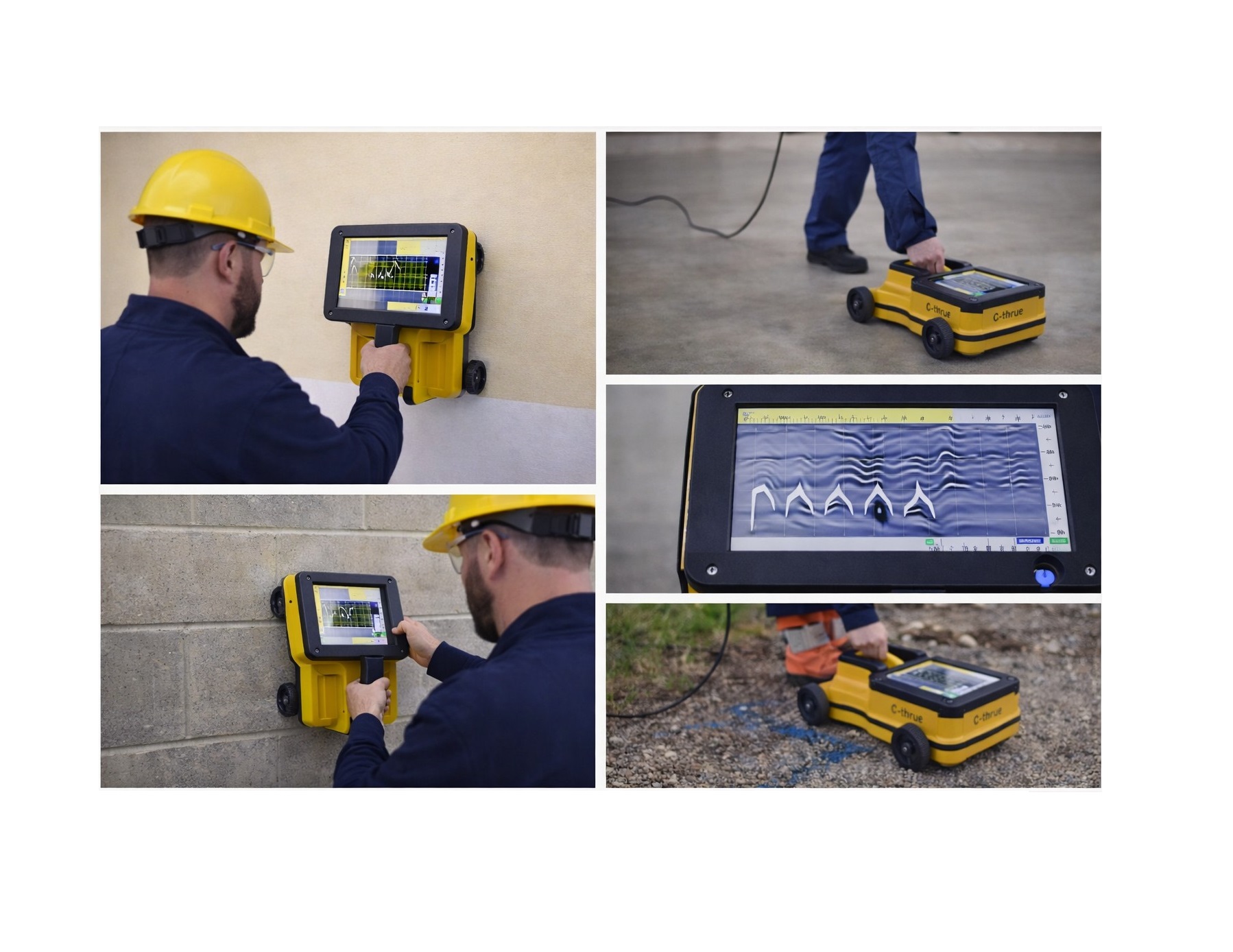

GPR scanning, or ground penetrating radar scanning, is a non-destructive method used to detect objects, structures, and changes in materials beneath the surface. It is widely applied in construction, engineering, infrastructure, and subsurface investigations where understanding what lies below ground or inside concrete is critical.
Unlike invasive methods, GPR scanning allows specialists to collect subsurface data without drilling, cutting, or disturbing the structure. This makes it a preferred technology for many modern projects where safety, accuracy, and efficiency are essential.
What Is Ground Penetrating Radar
Ground penetrating radar (GPR) is a geophysical technology that uses high-frequency electromagnetic waves to detect contrasts in material properties below the surface. When radar waves encounter objects such as metal, voids, pipes, or changes in material density, part of the signal is reflected back to the receiver.
By analyzing these reflections, operators can identify the presence and approximate depth of subsurface features. Ground penetrating radar scanning is used on concrete, asphalt, soil, and other construction materials.

How GPR Scanning Works
The GPR scanning process consists of three main steps:
- A radar antenna emits electromagnetic pulses into the surface.
- The signal travels through the material and reflects off subsurface objects or boundaries.
- The reflected signals are received and displayed as a radar profile on a control unit.
Understanding how GPR scanning works requires both technical knowledge and experience, as the interpretation of radar data depends on material type, depth, and site conditions.
What Is GPR Scanning Used For
GPR scanning uses vary across industries, but the core purpose remains the same: identifying hidden elements before construction or investigation work begins.
GPR Scanning for Concrete
In concrete structures, GPR scanning for concrete is commonly used to locate:
- reinforcing steel (rebar)
- post-tension cables
- slab thickness variations
- embedded conduits and objects
These applications are covered in more detail within Concrete Scanning Services, which focus specifically on scanning concrete structures before drilling or cutting operations.
GPR Scanning for Underground Utilities
GPR scanning for underground utilities helps detect:
- electrical and communication lines
- water and sewer pipes
- gas lines
- unknown or abandoned utilities
This type of scanning supports safer excavation and site development and is often associated with specialized Utility Locating Services.
GPR Scanning for Construction and Excavation
In construction projects, GPR scanning is used as a preventive measure before drilling, trenching, or excavation. It helps reduce the risk of damaging hidden infrastructure and improves planning accuracy during renovation and retrofit works.
How Deep Can GPR Scan
GPR scanning depth depends on several factors, including:
- material type (concrete, soil, asphalt)
- moisture content
- antenna frequency
- size and composition of subsurface objects
In concrete, scanning depth is typically limited to several tens of centimeters, while in soil, ground penetrating radar can sometimes detect objects at greater depths under favorable conditions.
How Accurate Is GPR Scanning
GPR scanning accuracy is influenced by:
- site conditions
- material composition
- operator experience
- data interpretation quality
When performed correctly, GPR scanning provides reliable information about the location and depth of subsurface features. However, it is important to understand that results are interpretative rather than absolute measurements.
Is GPR Scanning Safe
A common question is whether GPR scanning is safe. Ground penetrating radar uses low-power electromagnetic waves and does not emit ionizing radiation. As a result, GPR scanning safety standards allow its use in occupied buildings and active construction sites.
This distinguishes GPR from methods that rely on radiation-based technologies.
GPR Scanning vs X-Ray Scanning
Both technologies are used to investigate concrete, but there are key differences between GPR scanning vs X-ray scanning.
| Criteria | GPR Scanning | X-Ray Scanning |
|---|---|---|
| Radiation | No | Yes |
| Use in occupied buildings | Allowed | Often restricted |
| Permits | Not required | Often required |
| Speed | Fast | Slower |
| Typical use | Concrete and subsurface scanning | Limited scenarios |
Because of these differences, GPR scanning is often selected where safety and accessibility are priorities. A more detailed technical comparison is available in GPR vs Concrete X-Ray resources.
Limitations of GPR Scanning
Despite its advantages, GPR scanning limitations should be considered:
- reduced performance in highly conductive or wet materials
- limited depth in dense concrete
- reliance on operator experience for accurate interpretation
Understanding these limitations helps ensure realistic expectations and correct application of the technology.
When GPR Scanning Is the Right Choice
GPR scanning is most suitable when:
- non-destructive investigation is required
- drilling or excavation risks must be minimized
- subsurface conditions are unknown or undocumented
For applied use cases and professional implementation, GPR Scanning Services in the USA provide practical examples of how the technology is used in real projects.
FAQ — GPR Scanning Explained
What is GPR scanning used for?
How deep can GPR scan?
Is GPR scanning safe?
Is GPR better than X-ray scanning?

INTERGEO: How Laser Scanning Is Becoming a Foundation for Management and Decision-Making
24.09.2026
ScanM2 once again took part in INTERGEO, which was held in Munich this year. For us, the event is an opportunity to meet with partners, ...

How Existing Building Documentation Is Created Using 3D Laser Scanning
23.07.2026
From Reality Capture to Accurate CAD Drawings and BIM Models Accurate Existing Building Documentation is the foundation of every successful renovation, modernization and adaptive reuse ...

ScanM2 at INTERGEO 2026 in Munich – Meet Us at the World’s Leading Geospatial Technology Exhibition
10.07.2026
This September, ScanM2 will participate as an exhibitor at INTERGEO 2026, the world’s leading trade fair for geodesy, surveying, laser scanning, mapping, BIM, GIS, and ...

When a Point Cloud Should Become CAD and When It Should Become BIM
11.05.2026
Laser scanning technology allows project teams to capture highly accurate information about existing buildings. After scanning is completed, the result is typically a point cloud — ...

