

Scan to BIM for Ore processing plants
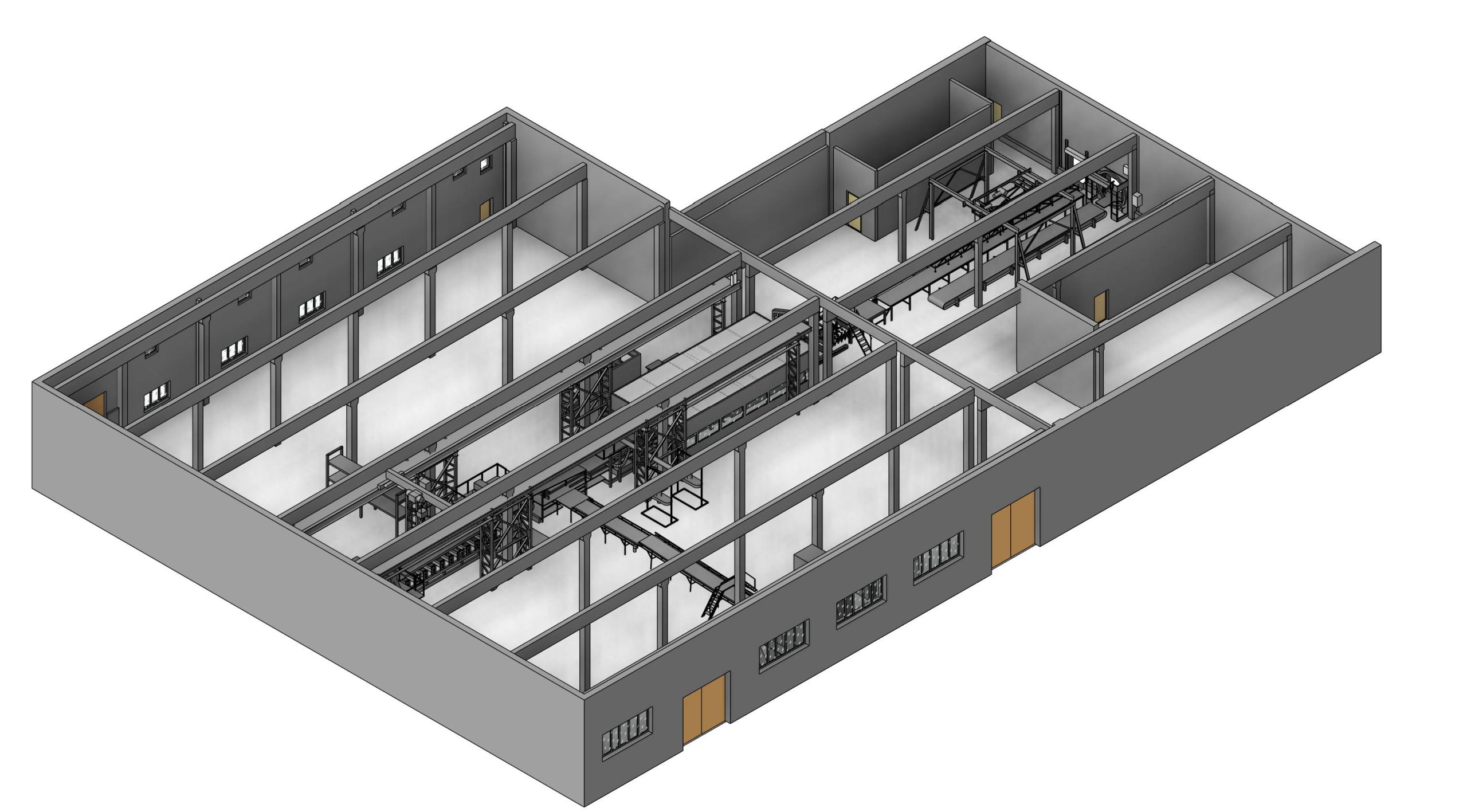
Ore processing plants combine structural steel, conveyors, chutes, hoppers, grinding areas, flotation sections, platforms, and process piping within one operating production environment. In this context, scan to BIM ore processing plants workflows help convert laser scanning and point cloud data into an accurate digital model of the existing facility for renovation, equipment replacement, and engineering coordination.
An ore processing plant scan to BIM model gives project teams a reliable basis for working with actual site conditions instead of outdated drawings. This is especially important in brownfield plants, where geometry, elevations, tie-in points, and access zones often differ from legacy documentation.
Contact Us Now for a Free Consultation!
Scan to BIM Services for Ore Processing Plants
Our scan to BIM services for ore processing plants are focused on turning field-captured data into a usable BIM environment for design, planning, and reconstruction. We process laser scan data, register the point cloud, and develop a coordinated model of the existing plant conditions.
This approach is used for modernization projects, line extensions, equipment replacement, platform modifications, structural changes, and process area reconfiguration. For active industrial sites, the model becomes a practical engineering base for review before work starts on site.
Where Scan to BIM Is Used in Ore Processing Facilities
Scan to BIM for ore processing facilities is typically applied in the following plant zones:
- crusher stations
- grinding mill areas
- conveyor galleries
- transfer points
- flotation sections
- hoppers and chutes
- process piping corridors
- structural steel platforms and access systems
- material handling systems
- equipment replacement areas
These zones usually contain dense layouts, multiple elevation changes, and tight coordination between steel, equipment, piping, and maintenance access.
Scan to BIM for Crusher Plant, Grinding Mill Area, and Conveyor Systems
Scan to BIM for Crusher Plant
Scan to BIM for crusher plant projects is used when teams need an accurate model of the crusher structure, feed and discharge zones, support frames, service platforms, and adjacent equipment areas. This helps evaluate clearances, steel modifications, and new equipment fit before fabrication or site installation.
Scan to BIM for Grinding Mill Area
Scan to BIM for grinding mill area projects supports work around mill foundations, surrounding platforms, piping routes, access systems, and structural interfaces. In these areas, accurate geometry is essential for retrofit planning, tie-ins, and safe installation sequencing.
Scan to BIM for Conveyor Systems in Ore Processing Plants
Scan to BIM for conveyor systems in ore processing plants is used for galleries, transfer towers, loading and discharge points, and support steel. It helps teams coordinate conveyor extensions, frame modifications, maintenance access, and connection points with the surrounding plant geometry.
What Is Included in an Ore Processing Plant Scan to BIM Model
An ore processing plant model can include the following elements, depending on project scope:
- structural steel frames
- platforms, ladders, and stairs
- conveyors and transfer points
- chutes and hoppers
- grinding and flotation area geometry
- process piping routes
- equipment zones and support structures
- access and maintenance clearances
- wall, slab, and foundation geometry where required
The result is an existing conditions BIM model that can be used by engineering, design, and coordination teams. Where needed, we also develop an engineering-ready BIM model linked to the point cloud for geometry verification during design review. For multidisciplinary projects, this becomes a coordinated plant model that supports reconstruction and upgrade planning.
Problems Scan to BIM Solves in Ore Processing Plants
In ore processing facilities, BIM development from laser scanning helps solve practical project issues such as:
- outdated or incomplete drawings
- undocumented plant modifications
- inaccurate elevations and dimensions
- equipment replacement conflicts
- steel and piping coordination issues
- uncertain tie-in locations
- shutdown planning errors
- access and clearance problems
- higher rework risk during retrofit works
For scan to BIM for existing ore processing plants, the main value is reducing uncertainty before engineering decisions are made. A reliable BIM model for plant upgrade allows teams to verify the existing situation before fabrication, procurement, or installation planning begins.
Point Cloud to BIM Workflow for Ore Processing Plants
The point cloud to BIM ore processing plant workflow usually includes the following stages:
- Laser scanning on site
Existing plant areas are captured with terrestrial laser scanning based on project scope and required detail. - Point cloud registration
Scan data is aligned, checked, and combined into a consistent point cloud dataset. - Model development
Relevant structures, access systems, equipment zones, and process elements are modeled based on the approved scope. - Coordination and review
The model is checked against the point cloud and prepared for use by design and engineering teams. - Project delivery
The final package is issued as a BIM model, often together with the linked point cloud and supporting views.
This point cloud to BIM workflow gives teams a controlled process for developing BIM from laser scanning in active ore processing environments.
Table: Scan to BIM Deliverables for Ore Processing Plants
| Deliverable | Use in Project |
|---|---|
| Existing conditions BIM model | Base model for reconstruction, retrofit, and plant upgrade |
| Linked point cloud | Geometry verification during design and coordination |
| Structural BIM model | Steel modification and support frame planning |
| Modeled equipment zones | Review of fit, access, and replacement constraints |
| Piping and process area model | Tie-in planning and interdisciplinary coordination |
| Plans, sections, and views | Engineering review and communication between teams |
| Coordinated model | Clash reduction before installation and fabrication |
Examples of Scan to BIM Applications in Ore Processing Plan
Scan to BIM Examples


Scan to BIM for Brownfield Ore Processing Facilities
Scan to BIM for brownfield ore processing facilities is especially relevant where plants have been modified over many years and existing drawings no longer match actual conditions. In such projects, accurate modeling of current geometry reduces risk before reconstruction or expansion begins.
This is also why scan to BIM for plant renovation projects is often used before equipment upgrades, line extensions, or phased modernization. For brownfield industrial sites, the model becomes a practical engineering reference for steel, piping, process layout, and installation planning.
Ore processing plants require more than a generic model. They need a digital representation of real site conditions that supports engineering decisions in crusher zones, mill areas, conveyor systems, flotation sections, and material handling interfaces.
Industrial scan to BIM for ore processing plants provides that basis by turning scan data into a structured BIM model for renovation, reconstruction, and plant upgrade planning.

