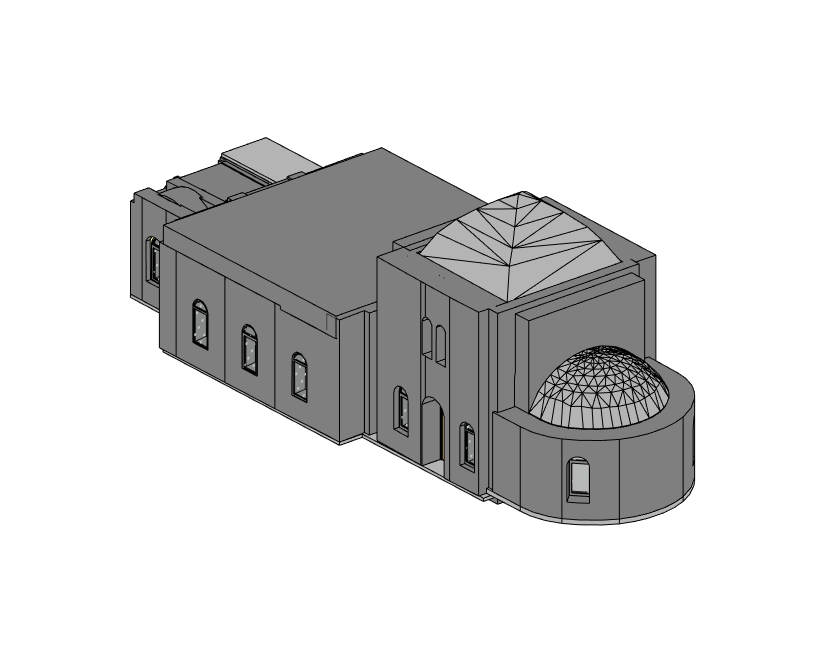
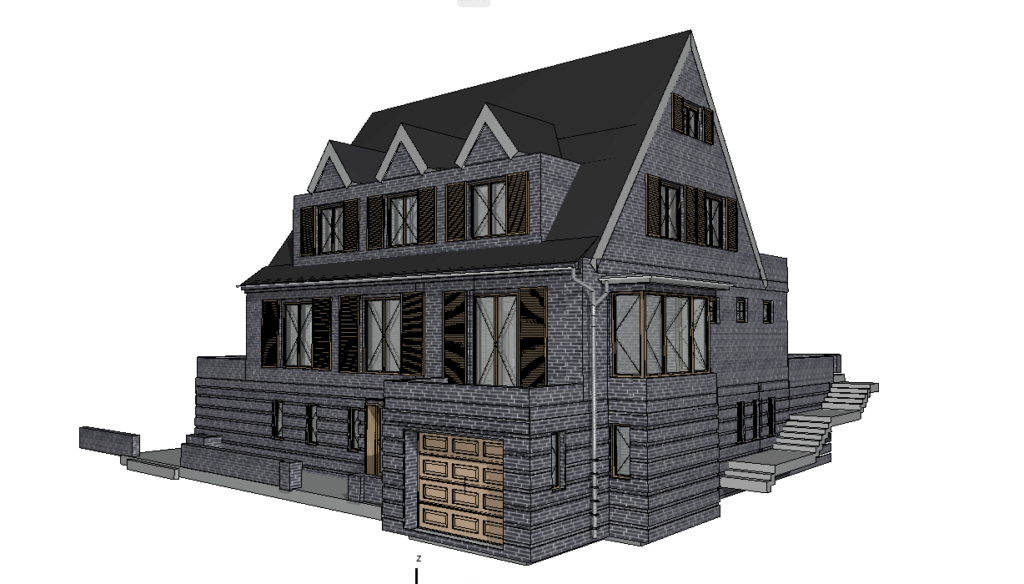
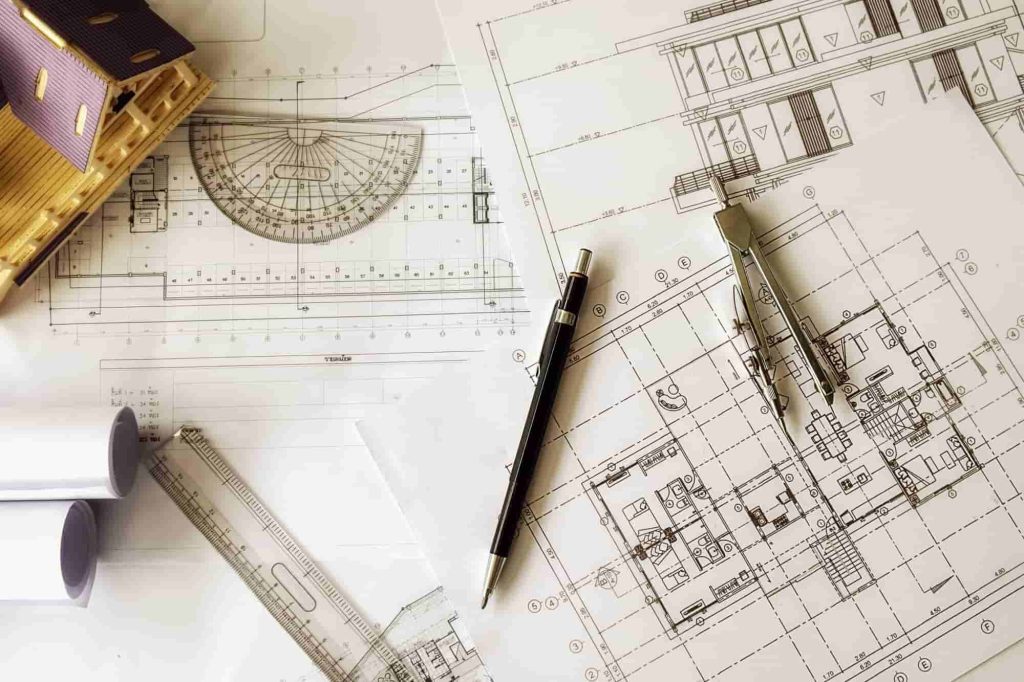
The Role of CAD in Modern Architecture: Transforming the Industry with 3D Scanning Services

Modern architecture is centered on redefining limits and exploring new possibilities. Whether it’s designing awe-inspiring skyscrapers or restoring historic landmarks, professionals need tools that help them work faster, smarter, and with more precision. That’s where 3D scanning services come in, paired with CAD (Computer-Aided Design) software. Together, they’re transforming how architects, engineers, and construction teams approach projects. 

Laser scanning has revolutionized the construction industry. By creating hyper-accurate 3D models, point clouds, and 2D drawings, 3D scanning simplifies every stage of a project—from the initial design to the final build. It’s not just about simplifying processes; it’s about enhancing outcomes. 

In this article, we’ll look at how 3D scanning supports CAD workflows, why it’s essential in modern architecture, and how companies like ScanM2 are setting new standards for quality and efficiency. 

What Is 3D Scanning in Construction?

Imagine walking into a building and instantly capturing every single measurement and detail—without ever pulling out a tape measure. That’s the power of 3D laser scanning in construction. This technology uses high-tech tools like Faro, Leica, and Trimble scanners to map spaces with pinpoint accuracy. These scanners use laser beams to capture data points, generating what’s known as a “point cloud.” 
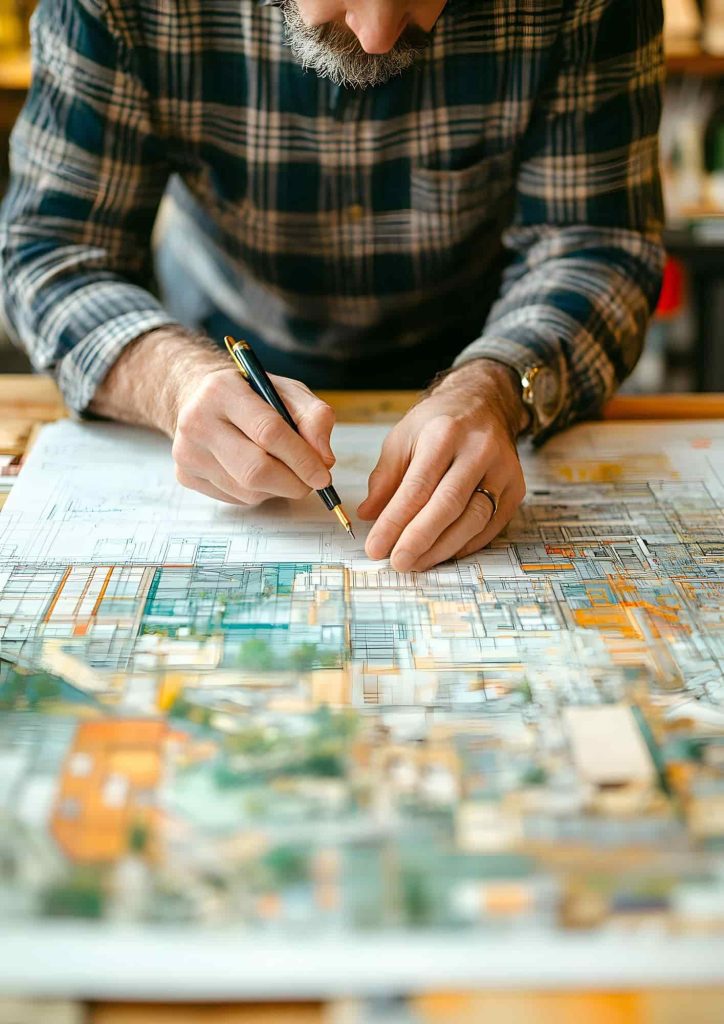
The point cloud isn’t just a bunch of numbers—it’s the backbone of precise 3D models and 2D drawings. Architects and engineers can feed this data directly into CAD software, turning raw measurements into detailed digital representations of a building or structure. 

Why Is 3D Scanning Essential for CAD in Modern Architecture?

Here’s the thing about architecture: one tiny error in measurements can snowball into major issues later on. With 3D scanning services, those worries are a thing of the past. By capturing millions of data points with stunning accuracy, 3D scanning ensures that what you see in the digital world is exactly what you’ll get in the real world. 

When paired with CAD software, this data unlocks incredible possibilities. You can: 

  • Create detailed 3D models for design and visualization.
  • Generate precise 2D drawings for construction planning.
  • Develop collaborative BIM models (Building Information Modeling) to keep everyone—from architects to contractors—on the same page.

The Advantages of Combining 3D Scanning with CAD Integration

If you’re still wondering why laser scanning in construction is such a big deal, let’s break it down. 

1. Pinpoint Accuracy

Forget about eyeballing measurements or hoping the tape measure doesn’t slip. 3D scanning services deliver accuracy down to the millimeter. This precision reduces errors and makes your CAD models rock-solid, ensuring that every detail is spot-on. 

2. Save Time, Save Money

In construction, time really is money. Manual measurements take hours (or days) and can lead to costly mistakes. With 3D laser scanning in construction, you can capture a site’s details in just a few hours and use that data immediately in your CAD workflows. Fewer delays mean fewer expenses—and less stress for everyone involved. 

3. Better Collaboration Through BIM Models

Collaboration is key in modern construction, and BIM models make it happen. Integrating 3D scanning data into BIM platforms ensures that all stakeholders operate with consistent and precise information. This reduces misunderstandings, streamlines communication, and keeps the project on track. 

4. Versatility for Any Project

Whether you’re designing a futuristic office tower, restoring a historic building, or planning factory upgrades, laser scanning in construction has you covered. It’s the go-to solution for renovations, retrofits, facility management, and even disaster recovery efforts. 

How ScanM2 Delivers Top-Notch 3D Scanning Services

At ScanM2, we believe precision isn’t just a feature—it’s a guarantee. That’s why we use industry-leading scanners from Faro, Leica, and Trimble to provide unmatched accuracy and detail in every project we take on. 

  • Cutting-Edge Technology: Our advanced tools can capture millions of data points within minutes. Whether you need a detailed 3D model of a building or a high-quality BIM model, we’ve got the technology to deliver. 
  • Custom Solutions for Every Project: We understand that every project is unique and requires a tailored approach. From small renovations to large-scale industrial sites, our team tailors its approach to meet your needs. 
  • Save Time and Resources: By leveraging advanced 3D scanning services, we help our clients avoid time-consuming manual processes and costly errors. From beginning to end, we focus on efficiency while maintaining the highest standards of quality. 

Why 3D Scanning Is the Future of Modern Architecture

It’s no overstatement to say that 3D scanning is transforming the way architecture and construction are approached.

By combining laser scanning in construction with powerful CAD tools, professionals can design with confidence, reduce waste, and achieve stunning results. 

The demand for precision and efficiency in architecture isn’t slowing down. As projects grow more complex, technologies like 3D scanning and BIM models will only become more essential.

Companies like ScanM2 are leading the charge, helping architects and engineers turn their boldest ideas into reality. 

Ready to Transform Your Projects with 3D Scanning?

If you’re seeking to elevate your projects, 3D scanning services provide the perfect solution. From capturing every detail with Faro, Leica, and Trimble scanners to streamlining CAD workflows, this technology is changing the game for modern architecture. 

The future of construction is here, and it’s built on the accuracy, efficiency, and versatility of 3D scanning. With companies like ScanM2, you can be confident that your designs will not only meet but exceed expectations—saving time, money, and effort along the way.

Check our activity on:

3D Scanning in Construction: Transforming Building Projects

The construction industry is experiencing a technological revolution, with 3D scanning services at the forefront of this transformation. This advanced technology empowers architects, engineers, and contractors to reach new heights of precision and efficiency. Whether you’re working on a new build or modernizing an older structure, 3D scanning transforms how projects are designed, executed, and maintained. 

Companies like ScanM2 use advanced tools such as Faro, Leica, and Trimble scanners to provide accurate 3D models, BIM data, and 2D drawings for construction professionals. By leveraging this technology, construction teams can save time, minimize errors, and collaborate more effectively. 

How 3D Scanning Makes Construction Work Easier

3D scanning is a process that combines laser technology and advanced software to document physical environments with pinpoint accuracy. Using specialized laser scanners, millions of data points are collected to create detailed digital representations of structures. 

Why is this important? Traditional measurement methods often lack the accuracy and speed needed for modern demands. In contrast, 3D scanning offers: 

  • Precision Beyond Compare: Every detail is captured with millimeter-level accuracy, eliminating costly errors. 
  • Quicker Results: Tasks that used to take weeks to document can now be accomplished within a matter of hours.
  • Flexibility for Any Environment: From industrial plants to tight indoor spaces, 3D scanners adapt to the unique challenges of any site.

The result is a more streamlined construction workflow that empowers professionals to work smarter, not harder. 

The 3D Laser Scanning Process Explained

To understand the value of 3D laser scanning in construction, let’s take a closer look at how it works: 

  • Data Capture: High-precision lasers scan the environment, reflecting off surfaces to collect measurements. These millions of reflections create a “point cloud” of data.
  • Data Processing: The point cloud is processed using advanced software, generating detailed 3D models, 2D drawings, or other digital assets.
  • Deliverables: Depending on project needs, the deliverables can range from raw point cloud data to fully realized BIM models or blueprints.

This method is quick, efficient, and highly adaptable, making it ideal for construction projects of all sizes. 

Applications of 3D Scanning in Construction

3D scanning has reshaped the construction industry by making it easier to document, design, and manage projects. Here’s how it’s commonly used: 

As-Built Documentation

One of the most valuable applications of 3D scanning is creating accurate records of existing structures. Whether you’re renovating a building, expanding a factory, or inspecting infrastructure, as-built documentation ensures you have a reliable foundation for planning and design. 

Building Information Modeling (BIM)

BIM has become a cornerstone of modern construction, and 3D scanning plays a vital role in its success. Scans are used to create precise BIM models, which serve as digital replicas of real-world structures. These models streamline coordination between teams, reduce design conflicts, and improve project outcomes. 

Renovation and Retrofitting

Updating older buildings often requires navigating incomplete or outdated blueprints. Laser scanning solves this problem by capturing the exact details of a structure. This ensures that every modification fits seamlessly into the existing framework, saving time and preventing costly mistakes. 

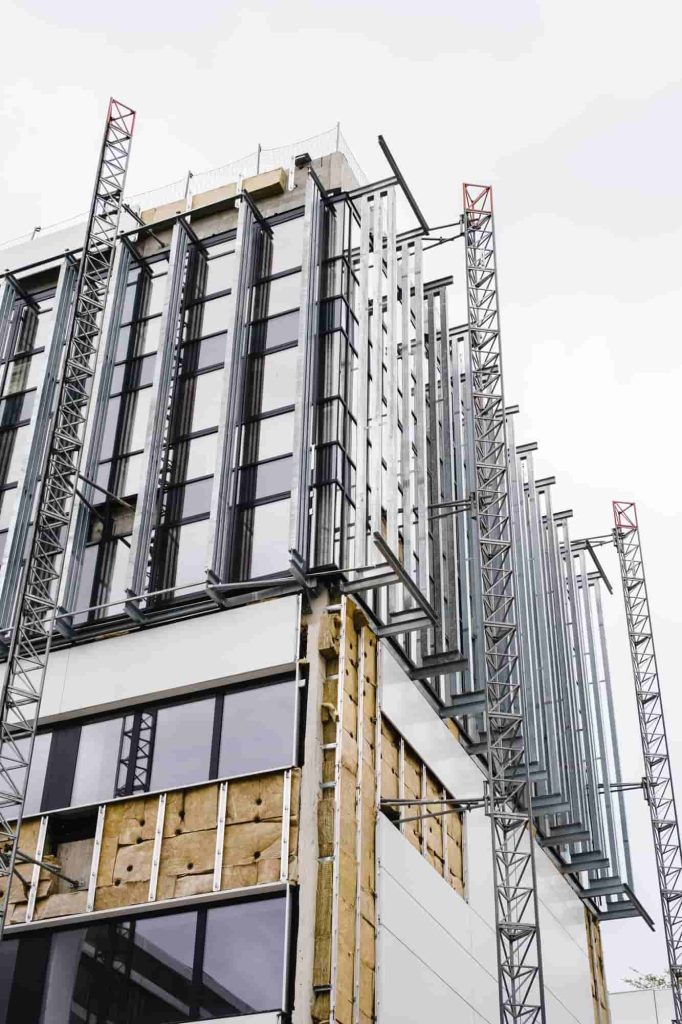
A partially constructed building with visible insulation and steel beams, documented using 3D laser scanning to capture intricate structural details for modeling.

Construction Monitoring and Quality Control

During the construction phase, 3D scans can track progress and verify that work aligns with the design. By comparing scans to original plans, teams can identify discrepancies early, reducing the risk of rework and delays. 

Industrial and Large-Scale Projects

For industrial facilities and large-scale construction, 3D scanning simplifies complex systems such as piping, machinery, and structural components. This simplifies the process of designing, installing, and maintaining these essential components. 

How ScanM2 Stands Out in 3D Scanning Service

As one of the leading providers of 3D scanning services, ScanM2 has established itself as a trusted partner for construction professionals across the U.S. Combining advanced technology with years of expertise, ScanM2 ensures every project benefits from the highest level of precision and care. 

Why Choose ScanM2?

  1. Top-Tier Equipment: ScanM2 uses state-of-the-art scanners from brands like Faro, Leica, and Trimble to deliver unmatched accuracy. 
  2. Tailored Services: At ScanM2, we understand that no two projects are alike, so we adapt our approach to fit your specific needs. From detailed BIM models to simple 2D drawings, their team ensures the final deliverables align with project goals. 
  3. Efficient Processes: By leveraging the latest technology, ScanM2 saves clients time and money without compromising quality. 
  4. Versatility Across Sectors: Whether it’s a commercial property, historical site, or industrial facility, ScanM2 adapts its approach to deliver exceptional results. 

For projects where accuracy and efficiency are critical, ScanM2 provides the tools and expertise to ensure success. 

Saving Time and Resources with 3D Scanning 

One of the most transformative aspects of 3D laser scanning in construction is its ability to save time and resources. 

  • Faster Data Collection: Traditional surveying methods often require weeks of manual measurements. With 3D scanning, entire sites can be captured in a single day.
  • Reduced Errors and Rework: Accurate data minimizes the risk of design errors, saving time and reducing material waste during construction.
  • Improved Communication: With detailed digital models and drawings, teams can collaborate more effectively, ensuring everyone works with the same accurate information.

For construction professionals, these benefits translate to shorter timelines, lower costs, and better project outcomes. 

The Future of Construction with 3D Scanning 

Embracing 3D scanning technology isn’t just a passing trend—it’s shaping the future of the construction industry. As the industry continues to prioritize precision, efficiency, and sustainability, laser scanning in construction will play an even greater role. 

Companies like ScanM2 are at the forefront of this transformation, offering the expertise and cutting-edge tools necessary to drive this change. Whether it’s improving design accuracy or reducing project timelines, ScanM2’s 3D scanning services empower construction teams to achieve their goals with confidence. 

If you’re ready to step into the future of construction, 3D scanning is your gateway. And with ScanM2 as your partner, you can rest assured that your projects will be handled with the highest standards of quality and care.

Check our activity on:

How 3D Scanning Makes Kitchen Renovation Easier and Better

Let’s be honest: tackling a kitchen renovation can feel a little daunting. From planning layouts to picking materials, every detail matters. And while a stunning new kitchen is worth it, the process can be stressful—especially when measurements or plans don’t go as expected. That’s where 3D scanning for remodeling steps in, simplifying the process, speeding things up, and ensuring greater accuracy. 

With advanced technology like laser scanning, you can say goodbye to measurement errors, unexpected surprises behind walls, or last-minute design changes. Let’s dive into how this game-changing tech is transforming kitchen renovations and why so many homeowners, designers, and contractors are turning to it. 

What Is 3D Scanning, and Why Is It So Helpful for Kitchen Renovation?

Revamping a kitchen goes beyond just giving it a fresh look. It’s about designing a space that not only looks amazing but also works seamlessly for your lifestyle. Whether it’s installing custom cabinets, upgrading appliances, or knocking down a wall to open up the space, precision is everything. And that’s exactly what 3D scanning delivers. 

Here’s how it works: 

  • Laser Scanning the Space: We use state-of-the-art scanners like Faro, Leica, or Trimble to capture every nook and cranny of your kitchen. The scanners emit lasers that measure millions of points within seconds, creating a highly detailed digital representation of the room. 
  • Turning Data into Models: The scan data is processed to create incredibly accurate 3D models, BIM (Building Information Modeling) files, or even 2D drawings. Imagine having a virtual replica of your kitchen that’s completely true to life. 
  • Planning and Execution: With this information, architects, designers, and contractors can visualize the space, spot potential challenges, and plan with confidence. 

This approach takes the guesswork out of renovation. You’ll know exactly what you’re working with before the first hammer swings. 

How 3D Scanning Makes Kitchen Remodeling a Breeze

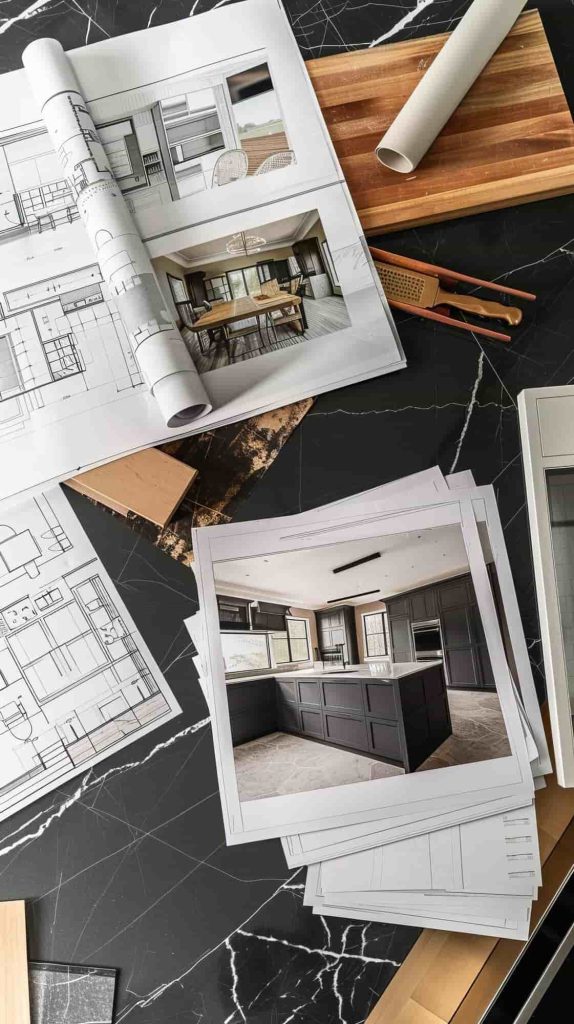
Blueprints and interior photos on a black marble surface, featuring floor plans and a modern kitchen design. Rolled papers and wood accents complete the scene

1. Say Goodbye to Measurement Mistakes

Let’s be honest—traditional measuring methods leave room for error. A small miscalculation could mean your custom-built cabinets don’t fit, or your new countertops are off by a fraction of an inch. 3D scanning services ensure this doesn’t happen by capturing your kitchen’s exact dimensions down to the millimeter. 

Whether you have curved walls, tricky corners, or uneven surfaces, the scanner picks it all up. The resulting 3D model captures every detail with precision. 

2. Uncover Hidden Issues Before They Turn Into Problems

In any kitchen, there’s a lot going on behind the scenes—plumbing, electrical wiring, HVAC systems, you name it. If you’re planning to move appliances, add an island, or rearrange the layout, it’s crucial to know what’s behind your walls. 

A detailed laser scan can highlight these hidden features, saving you from running into issues mid-renovation. Knowing what’s there helps everyone involved—homeowners, designers, and contractors—make informed decisions. 

3. Save Time and Stress

Think about how long it usually takes to measure a space, check dimensions, and revise plans. It’s a tedious process, and mistakes can easily send you back to square one. With 3D scanning for remodeling, you get everything right the first time. Instead of spending hours measuring manually, the laser scan does the job in minutes. Plus, the detailed data ensures everyone is on the same page, eliminating miscommunication by providing a single source of accurate information. 

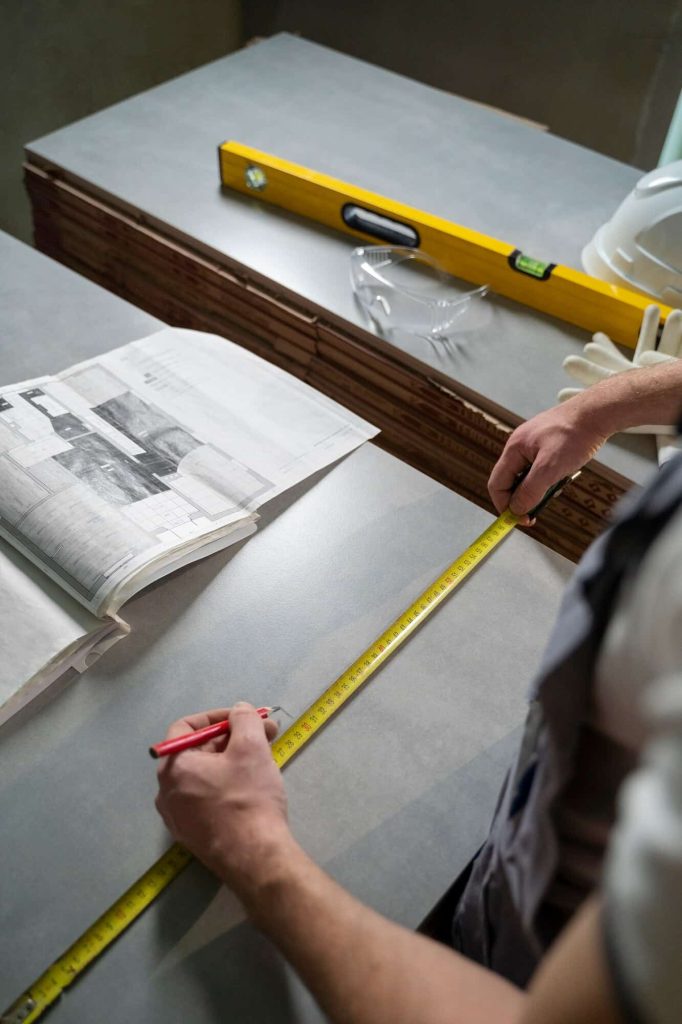
A worker measuring a surface with a tape measure and marking it with a pencil, alongside blueprints, a level tool, and safety gear on the table

4. Better Collaboration Between Everyone Involved

Renovations often involve multiple people—homeowners, architects, interior designers, and contractors. Without a clear understanding of the space, miscommunication is almost guaranteed. 

But with 3D scanning, everyone works with the same BIM model, 3D model, or 2D drawing. Designers can plan confidently, contractors can schedule efficiently, and you can rest easy knowing your dream kitchen is in good hands. 

What Makes ScanM2’s 3D Scanning Services Stand Out?

Not all 3D scanning services are built the same. At ScanM2, we bring a level of expertise and technology that ensures your kitchen renovation goes as smoothly as possible. Here’s what sets us apart: 

  • Top-of-the-Line Technology: We use premium scanners like Faro, Leica, and Trimble, which are known for their precision and reliability. Whether your kitchen is a compact, cozy space or a sprawling, intricate design, these tools capture every detail flawlessly. 
  • Tailored Deliverables: Whether you need a 3D model for visualization, a BIM file for design, or 2D drawings for traditional planning, we provide exactly what you need in the format that works for your project. 
  • Attention to Detail: Kitchens are complex spaces, but our scans pick up everything—from uneven floors to tiny gaps. This means fewer surprises and smoother execution. 

Real-Life Scenarios: How 3D Scanning Can Transform Your Kitchen Project

Still wondering how this works in the real world? Here are a few examples of how 3D scanning for remodeling makes a difference: 

  • Revamping an Older Kitchen: If you’re renovating a kitchen in a historic home, you might encounter unique layouts, odd angles, or aging infrastructure. A laser scan captures the details so you can upgrade without compromising the original character. 
  • Luxury Kitchens with Custom Features: When you’re investing in high-end finishes or custom cabinetry, precision is non-negotiable. A detailed 3D model ensures everything fits perfectly, down to the last millimeter. 
  • Opening Up the Space: Want to knock down a wall or change the layout? A BIM model can help you visualize structural changes and ensure they’re done safely and effectively. 
A woman inspecting an open oven in a bright, modern kitchen with white cabinets and tiled flooring

Why Homeowners, Designers, and Contractors Love 3D Scanning

At its core, 3D scanning simplifies the renovation process for everyone involved: 

  • Homeowners love it because it eliminates unexpected costs and delays.
  • Designers appreciate having an accurate canvas to create stunning layouts.
  • Contractors rely on it for smooth, efficient execution.

The result? A renovation that’s faster, easier, and more rewarding. 

Wrapping It Up: Your Dream Kitchen Starts with 3D Scanning

Revamping your kitchen can be a smooth and stress-free experience. With 3D scanning for remodeling, you can eliminate the guesswork and concentrate on designing a space that’s truly tailored to you. Whether you’re looking for precise measurements, better planning, or a smoother renovation experience, laser scanning is the way to go. 

At ScanM2, we’re committed to guiding you every step of the way with top-notch tools and unmatched expertise. Ready to make your dream kitchen a reality? Let’s get started!

Check our activity on:

How 3D Scanning Makes Home Inspections Smarter and More Accurate

When it comes to house inspection or home inspection services, we all want the same thing: reliable, detailed, and trustworthy results. Whether you’re purchasing a new home, preserving an older property, or embarking on renovation projects, the decisions you make carry significant importance. Missing a crucial detail could cost time, money, or even safety. That’s where 3D scanning comes in—a game-changing technology that’s bringing clarity and confidence to the home inspection process. 

Picture having an exact digital twin of your home, replicated with millimeter-level precision. This is exactly what laser scanning achieves, giving you and your inspector a clear, 360-degree view of every inch of your property. Curious how it works? Let’s break it down step by step, explore the benefits, and talk about why this tech is the future of home inspections. 

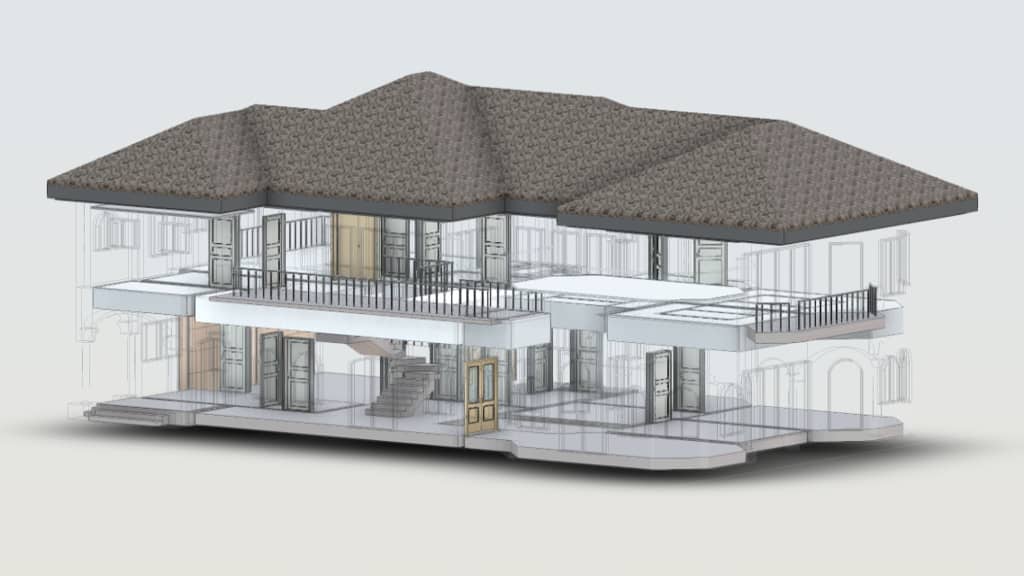
Detailed 3D Model of Building

What is 3D Scanning, and How Does It Work for Home Inspections?

At its core, 3D scanning uses high-tech equipment to capture every detail of a building, inside and out. Tools like Faro, Leica, and Trimble scanners emit lasers to map out the property, creating a detailed point cloud—a digital blueprint of your home. From this data, we generate 3D models, 2D drawings, and even BIM documentation (Building Information Modeling), all of which help uncover structural details that might be missed with traditional methods. 

Here’s how it applies to home inspection services: 

  • Accuracy you can count on: Whether it’s measuring the walls, checking the roof slope, or analyzing the foundation, 3D scanning delivers precise measurements without guesswork.
  • Comprehensive visualization: Instead of relying solely on written notes or photos, you get a detailed 3D map of your home. It’s like walking through the space virtually, spotting potential issues as if you were right there.
  • Saves time and effort: Inspections that once took days can now be done in hours, all while producing more detailed and reliable results.

Why Use 3D Scanning for Home Inspections?

Think of 3D scanning as an upgrade to your home inspection toolkit. It’s not about replacing inspectors but giving them better tools to work with. Why This Technology Revolutionizes the Game: 

1. Exceptional Accuracy

Traditional methods rely on tape measures, eyeballing, and even educated guesses. While skilled inspectors do an excellent job, there’s always a margin for error. With laser scanning, the margin for error shrinks to nearly zero. Measurements are accurate to the millimeter, which means nothing is left to chance. 

2. Time-Saving Convenience

We all know how stressful home inspections can be—especially if you’re juggling tight deadlines. 3D scanning significantly accelerates the process. Instead of spending days on-site with a clipboard, inspectors can finish in hours and process the data quickly to produce 2D drawings, reports, and more. 

3. Full Transparency

Ever looked at a traditional inspection report and felt overwhelmed? All those notes and numbers can be hard to interpret. However, a 3D model allows you to view exactly what the inspector observes. It’s a digital walkthrough of your home, making it easier to understand issues like structural damage, aging systems, or areas needing renovation. 

4. Perfect for Complex Homes

For homes with intricate layouts, tall ceilings, or hard-to-reach areas, 3D scanning is a lifesaver. It captures every detail from every angle, guaranteeing nothing is missed. This is particularly helpful for older homes or properties with unique architecture. 

5. Future-Ready Documentation

Not only does this technology help with inspections, but it also provides you with a digital record of your home for years to come. Planning renovations? Selling your home? The BIM documentation and 3D models can simplify these processes and even help contractors or architects understand your property better.

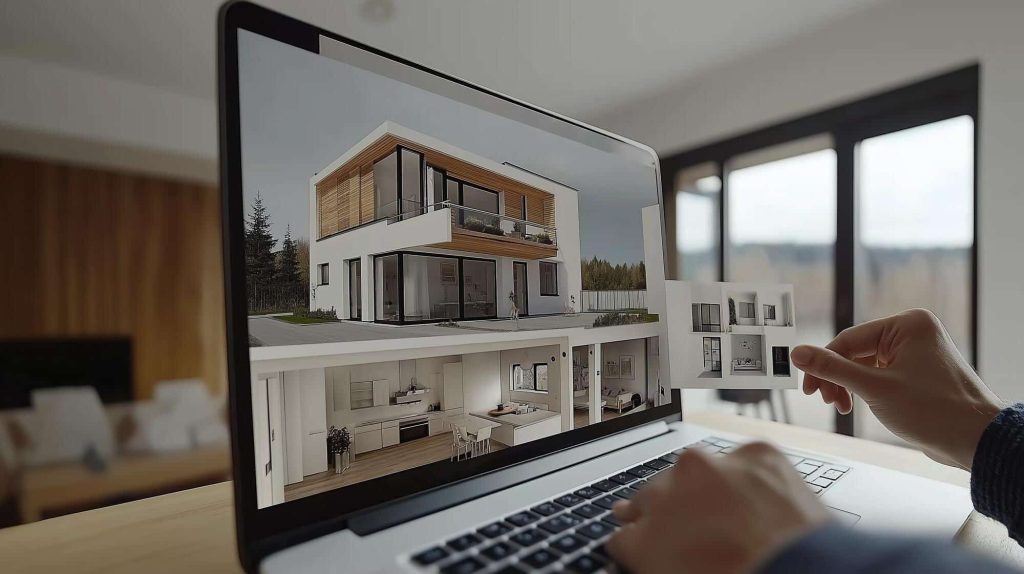
A laptop displaying a 3D model of a modern two-story house with interior details.

How Does the Process Work?

Wondering what actually happens during a 3D scanning home inspection? Here’s a simple breakdown of the process so you know what to expect: 

  • Initial Consultation
    • First, we discuss your goals and the specific areas you want to focus on. Are you worried about the roof? Structural integrity? Or do you just want a thorough, overall scan?
  • On-Site Laser Scanning.
    • Our trained professionals bring top-tier scanners (Faro, Leica, Trimble) to your property. These devices use laser beams to capture every surface of your home. This process is non-invasive, quick, and highly efficient. 
  • Data Processing
    • After the scan is completed, the raw data is transformed into a digital point cloud. This point cloud serves as the foundation for creating 3D models, 2D drawings, and detailed reports.
  • Analysis and Reporting
    • In the final step, the inspector analyzes the processed data to detect and highlight any potential issues. You’ll receive a detailed report alongside the digital files, giving you a full understanding of your home’s condition.

Why Choose Our 3D Scanning Services for Home Inspections?

Let’s be honest—there are plenty of companies out there offering home inspection services, but not all are created equal. Why Teaming Up with Us is a No-Brainer:

  • The Best Gear in the Business: We work with top-of-the-line tools like Faro, Leica, and Trimble scanners to get the job done right.These tools are trusted for their pinpoint accuracy and dependability, making sure your scan is spot-on every time. 
  • Experienced Team: Our team isn’t just tech-savvy—we’re experts in laser scanning, 3D modeling, and BIM documentation. We understand what homeowners and inspectors need, and we deliver results that make sense.
  • Custom Solutions: No two homes are the same, and neither are our clients’ needs. Whether it’s a small residential property or a large, complex structure, we customize our services to fit your exact requirements.
  • Unmatched Attention to Detail: By choosing us, you’re partnering with a team that puts precision above all else. From the smallest corner of a room to the largest wall surface, every detail is captured in stunning accuracy. 
  • Transparent Pricing: Advanced technology doesn’t have to come with an advanced price tag. We’re committed to fair and transparent pricing, ensuring you understand exactly what you’re paying for and why it’s a smart investment. 
How 3D Scanning Makes Home Inspections Smarter and More Accurate

A Better Way to Inspect Homes

3D scanning is more than just a cool tech trend—it’s a smarter, more reliable way to inspect homes. Whether you’re buying, selling, or maintaining a property, this technology gives you the confidence and clarity you need to make informed decisions. Ready to experience the future of home inspections? Reach out to us today and see how our advanced 3D scanning services can take the stress out of the inspection process while giving you results you can trust.

Check our activity on:

Building Information Modeling (BIM): Comprehensive Guide to Its Benefits, Applications, and Tools

Building Information Modeling (BIM) has transformed how we conceptualize, plan, and oversee the creation and maintenance of buildings and infrastructure. As construction projects grow more complex and the need for sustainable solutions rises, BIM has emerged as a critical resource for professionals in diverse industries. In this comprehensive guide, we’ll explore what BIM is, its benefits, applications across different sectors, the software tools involved, and what clients ultimately gain from leveraging this powerful technology.

What is Building Information Modeling (BIM)?

BIM, short for Building Information Modeling, serves as a digital representation of both the physical and functional aspects of a building or infrastructure project. It is not just a 3D model but a process that involves creating, managing, and sharing data throughout the lifecycle of a project—from conceptual design to construction, operation, and eventual demolition.

BIM brings together geometry, spatial relationships, geographic data, and building systems within a unified digital platform. This allows stakeholders—architects, engineers, contractors, and owners—to collaborate more effectively, minimize errors, and optimize project outcomes.

Key Features of BIM

  • Data-Rich Models: BIM includes not only 3D geometry but also detailed data about materials, costs, schedules, and performance.
  • Collaborative Workspace: It enables various disciplines to collaborate on a single model simultaneously in real time.
  • Lifecycle Management: BIM extends beyond construction to include operations and maintenance, making it invaluable for facility managers.

BIM in Different Industries

BIM’s versatility allows it to be applied in a wide range of industries, offering specific benefits for each sector.

1. Construction Industry

  • Applications:
    • BIM is widely used for construction planning, cost estimation, clash detection, and safety analysis. It empowers contractors to visualize construction processes, pinpoint potential challenges, and minimize project delays.
  • Benefits:
    • Minimized rework due to early clash detection.
    • Accurate cost estimations and budget management.
    • Enhanced on-site safety through simulations.

2. Architecture and Design Firms

  • Applications:
    • Architects leverage BIM to develop intricate 3D models that seamlessly combine aesthetic, structural, and functional elements. This technology enables lifelike visualizations, simplifying the process of conveying concepts to clients.
  • Benefits:
    • Improved design quality through data-driven insights.
    • Streamlined approvals with clear, visual presentations.
    • Faster revisions and updates to designs.

3. Engineering

  • Applications:
    • BIM is an essential tool for structural, mechanical, electrical, and plumbing (MEP) engineering, ensuring precision and efficiency. It allows engineers to design systems that work seamlessly within the building framework.
  • Benefits:
    • Precise calculations and designs.
    • Improved system integration, avoiding costly retrofits.
    • Reduced project timelines.

4. Manufacturing and Industrial Plants

  • Applications:
    • Manufacturers and industrial facility managers use BIM for designing plant layouts, optimizing workflows, and planning maintenance schedules.
  • Benefits:
    • Increased operational efficiency.
    • Improved planning for upgrades and retrofits.
    • Reduced downtime with predictive maintenance insights.

5. Retail and Commercial Spaces

  • Applications:
    • BIM helps retailers optimize store layouts, plan logistics, and create engaging customer environments.
  • Benefits:
    • Better space utilization.
    • Enhanced customer experience through well-designed layouts.
    • Accurate facility management.

6. Private Residential Projects

  • Applications:
    • Homeowners can use BIM for planning renovations, visualizing changes, and understanding costs.
  • Benefits:
    • Clear visualization of design options.
    • Transparent budgeting.
    • Smooth communication with contractors.

What Clients Gain from BIM

For Private Individuals

  • Clarity: Gain a precise understanding of the final outcome before construction even starts.
  • Cost Savings: Avoid unnecessary expenses due to errors or changes during construction.
  • Confidence: Work with contractors and architects on a shared platform with no room for miscommunication.

For Companies

  • Efficiency: Streamlined workflows and reduced project timelines.
  • Sustainability: Energy-efficient designs and materials optimization.
  • Scalability: Easily adapt BIM models for future renovations or expansions.

BIM Software and Formats

Popular BIM Software

  • Autodesk Revit: A top-tier BIM platform widely adopted across architecture, engineering, and construction sectors.
  • AutoCAD BIM: Combines traditional CAD capabilities with BIM functionality.
  • Navisworks: Ideal for clash detection and project visualization.
  • ArchiCAD: Popular among architects for its intuitive interface and design capabilities.

Common File Formats

  • IFC (Industry Foundation Classes): Open standard for interoperability.
  • RVT (Revit): Native format for Autodesk Revit.
  • DWG (AutoCAD): Widely used in CAD and BIM applications.
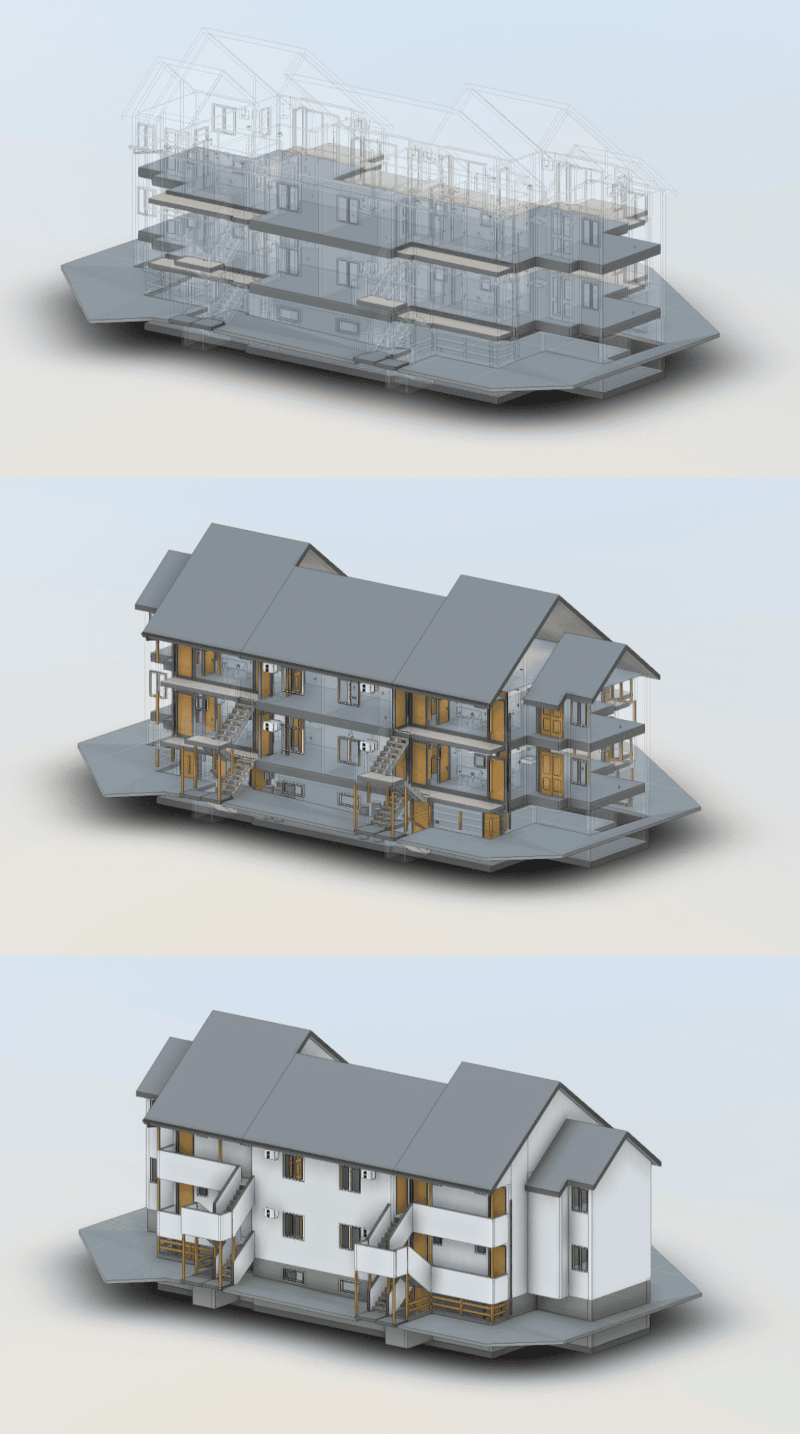
Our Example of BIM Model

Why Choose SCANM2 for BIM Services?

At SCANM2, we offer top-tier BIM services tailored to meet your specific needs. Whether you’re planning a large-scale industrial project or a small residential renovation, our team delivers high-quality results:

  1. Professional Expertise: Our specialists are skilled in the latest BIM technologies, including Autodesk Revit and AutoCAD BIM.
  2. Affordable Pricing: Get world-class BIM services at a fraction of the cost.
  3. Fast Turnaround: We complete projects on time, ensuring you stay on schedule.
  4. Tailored Solutions: From private homeowners to large corporations, we provide customized solutions that deliver value at every step.

Reach out to us today and embrace the future of construction and design through BIM innovation!

Services

Check our activity on:

How Contractors Use Laser Scanning to Avoid Expensive Rework

In the fast-paced world of construction, avoiding costly rework is critical for staying within budget and on schedule. Laser scanning technology has emerged as a game-changer for contractors, architects, and engineers by providing precise, real-time data that can significantly reduce errors and improve project outcomes. From creating accurate 3D models to generating detailed as-built drawings, laser scanning offers unparalleled accuracy and efficiency.

In this article, we’ll explore how 3D scanning services can help contractors prevent rework, save costs, and improve overall construction project quality.

What Is Laser Scanning?

Laser scanning, also known as 3D laser scanning, is a cutting-edge technology that captures millions of data points in a matter of minutes to create a detailed representation of a physical structure or environment. The result is a highly accurate 3D model, commonly referred to as a “point cloud,” which serves as the foundation for further documentation, including BIM documentation and 2D drawings.

Detailed 3D BIM Model of Building

The Cost of Rework in Construction

Rework accounts for a significant percentage of project costs and delays. Common causes of rework include:

  • Inaccurate measurements
  • Design inconsistencies
  • Miscommunication between teams
  • Unforeseen site conditions

According to industry studies, rework can increase project costs by up to 15%. By investing in 3D scanning services, contractors can mitigate these risks and ensure project efficiency.

How Laser Scanning Helps Prevent Rework

Our 3D Laser Scanner

1. Accurate Measurements and Documentation

Laser scanning eliminates manual measurement errors by capturing data with millimeter-level precision. This ensures:

  • Accurate site documentation for existing conditions.
  • Reliable as-built drawings for seamless project planning.
  • Integration into BIM models for better collaboration.

2. Improved Communication Across Teams

Using 3D scanning in construction creates a unified source of truth for all stakeholders. Teams can easily access updated site conditions, reducing miscommunication and conflicts during construction.

3. Efficient Clash Detection

Laser scanning integrates with BIM software to identify clashes between structural, mechanical, and electrical systems before construction begins. This proactive approach prevents costly adjustments later.

4. Time and Cost Savings

By streamlining the design and construction process, contractors save time and money. Rework is minimized, and projects are completed faster, with fewer surprises.

5. Seamless Project Handover

Comprehensive BIM documentation and as-built drawings created from laser scans ensure contractors can deliver detailed records to clients, enhancing trust and professionalism.

Detailed Point Cloud of Church

Applications of 3D Scanning in Construction

  • Pre-construction Planning. Laser scanning creates a baseline by capturing current site conditions, helping contractors plan more effectively.
  • Construction Progress Monitoring. Regular scans ensure projects are on track by comparing completed work to design models.
  • Renovation and Retrofitting. Accurate scans of existing structures aid in renovations, minimizing risks and ensuring structural integrity.
  • Quality Assurance. Scans validate construction work against design specifications, ensuring high-quality outcomes.

Why Choose SCANM2 for Laser Scanning Services?

At SCANM2, we specialize in delivering precise laser scanning services tailored to the construction industry. Our team of experts uses state-of-the-art equipment to provide:

  • Detailed 3D models and BIM documentation.
  • Accurate 2D drawings and as-built drawings.
  • Fast and reliable data collection, ensuring minimal disruption to your projects.

With SCANM2, contractors can rely on accurate data to prevent costly rework and ensure project success.

The Future of Laser Scanning in Construction

The construction industry is rapidly adopting laser scanning technology due to its undeniable benefits. As building projects become more complex, 3D scanning services will play a vital role in ensuring efficiency, accuracy, and cost savings.

Investing in laser scanning is not just a technological upgrade—it’s a strategic decision that can elevate your construction projects to the next level.

Conclusion

Preventing rework in construction requires precise planning, reliable data, and advanced tools. Laser scanning provides the accuracy and efficiency contractors need to minimize errors and maximize results. Whether you’re working on new builds, renovations, or retrofits, SCANM2’s laser scanning services are here to help you succeed.

Check our activity on:

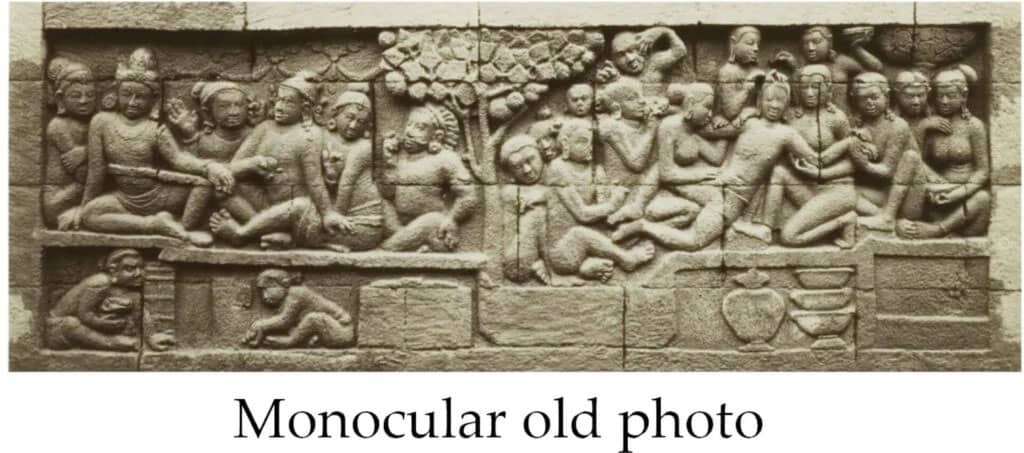
How 3D Scanning Recreated a Lost Temple Relief from a Single Photo

Cultural heritage preservation has taken a significant leap forward as researchers successfully recreated a hidden temple relief from the Borobudur Temple in Indonesia using AI. This breakthrough highlights the power of technology in reviving historical artifacts, but it also raises the question: how can laser 3D scanning enhance such restoration efforts? At SCANM2, we provide cutting-edge solutions that complement AI in preserving and restoring cultural and architectural treasures.

How 3D Scanning and AI Helped Recreate a Lost Temple Relief from an Old Photo
Image Credit: Pan et al. 2024

From 2D to 3D: Reviving Lost Masterpieces

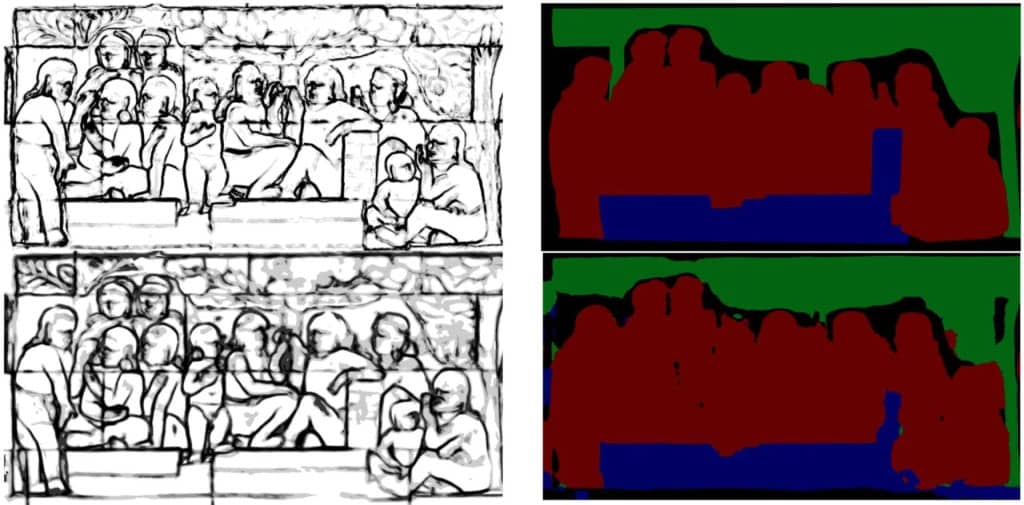
A research team led by Professor Satoshi Tanaka used a neural network to create a 3D model of a hidden temple relief from a single black-and-white photo. This groundbreaking technology not only restored the original relief’s details but also enabled virtual exploration through VR. The team’s approach combined depth estimation and advanced edge-mapping to create an accurate reconstruction of the relief, which had been lost beneath reinforcement walls for over a century.

How 3D Scanning and AI Helped Recreate a Lost Temple Relief from an Old Photo
A depth map of the temple relief. Image Credit:: Pan et al. 2024

While AI excels at reconstructing lost details from historical artifacts, technologies like laser 3D scanning provide a complementary solution by documenting the current state of cultural heritage with unparalleled precision.

The Role of Laser 3D Scanning in Preservation

At SCANM2, we specialize in laser 3D scanning to capture the present reality of architectural and cultural heritage sites. Using laser technology, we can:

  • Document delicate artifacts and structures: Perfect for sites or objects too fragile for traditional methods.
  • Create detailed 3D models and point clouds: These serve as a foundation for digital restoration or virtual exhibits.
  • Enhance restoration accuracy: When combined with AI or photogrammetry, laser 3D scanning ensures that reconstructed models remain true to the original.

Unlike AI reconstruction, which relies on photos and interpretations of lost details, 3D scanning captures precise measurements of existing artifacts. Together, these methods can provide both a glimpse of the past and a record of the present.

Combining Technologies for a Comprehensive Approach

In cases like Borobudur’s hidden reliefs, laser 3D scanning could play a pivotal role by documenting the surrounding panels or artifacts in their current state. This data would enhance the AI’s ability to reconstruct missing details, ensuring the digital restoration is as accurate as possible. Moreover, integrating laser scanning with virtual reality allows immersive exploration of cultural sites, bridging the gap between historical preservation and modern technology.

How 3D Scanning and AI Helped Recreate a Lost Temple Relief from an Old Photo
A soft-edge map (left) and semantic map (right) of the 2d relief image Credit: Pan et al. 2024

Real-World Applications Beyond Cultural Heritage

While SCANM2’s expertise extends to cultural preservation, the same principles apply to a range of industries:

  • Architectural restoration: Documenting historical buildings before renovations.
  • Industrial applications: Mapping factories, refineries, or power plants for efficient upgrades.
  • Disaster recovery: Assessing and reconstructing damaged properties after earthquakes, fires, or floods.

The Future of Preservation: A Shared Mission

The story of Borobudur Temple showcases how innovation in AI and 3D modeling can preserve treasures once thought lost. At SCANM2, we share this mission by offering technologies that capture, preserve, and bring history to life. Combining laser 3D scanning with advancements in AI, we can contribute to safeguarding global heritage for future generations.

Whether it’s a 9th-century temple in Indonesia or a historical landmark in your city, SCANM2’s laser 3D scanning services ensure that today’s cultural and architectural treasures remain part of tomorrow’s stories.

Check our activity on:

BIM in the Pharmaceutical Industry: Innovative Solutions for Design and Construction Optimization

The pharmaceutical industry is one of the most dynamically developing sectors of the global economy. Production processes in this field require strict standards and complex engineering solutions, including handling a wide range of substances, storage systems, and transport. Pharmaceutical facilities typically have highly complex layouts with numerous pipelines and technological equipment, which creates additional challenges for designers.

In such densely engineered environments, 2D design often leads to errors and clashes. Mistakes at the design stage can cause significant difficulties during implementation, increasing budgets, delaying project launches, and ultimately leading to financial losses. To accurately determine the spatial position of each component in the production process—be it pipelines, tanks, or other equipment—3D BIM modeling has become an optimal solution.

The Role of BIM in Pharmaceutical Facility Design

BIM (Building Information Modeling) enables the creation of detailed 3D models of production facilities, which helps to avoid clashes during design and minimizes construction errors. One of our company’s recent projects has been to develop BIM models based on 2D documentation for major clients. For instance, “Hidden NDA” company commissioned us to create a 3D model of a pharmaceutical production facility using their initial 2D plans.

BIM in Pharmaceutical Facility Design

Construction Monitoring Using 3D BIM Models

BIM models extend beyond just the design stage; they also play a crucial role in construction monitoring, allowing for real-time oversight of the construction process through portable mobile devices. By using laser scanning technology, construction supervision can also be performed by comparing current point clouds with the digital model. This is especially valuable for investors: without needing to visit the construction site, they can assess project progress, identify potential errors, and make timely decisions on necessary adjustments.

Benefits of Using BIM in the Pharmaceutical Industry

  • Reduced errors and clashes at the design stage – through full and accurate 3D visualization of all systems and equipment.
  • Optimized budget and project timeline – by preventing errors during design and increasing construction precision.
  • Improved construction monitoring efficiency – with the ability to remotely track progress and make quick decisions.
  • BIM modeling is becoming an essential element in the modern pharmaceutical industry, addressing design, construction, and management challenges, ultimately improving production quality and profitability.

With the innovative solutions offered by BIM modeling, pharmaceutical projects can reach new levels of accuracy and efficiency. Reducing errors at the design stage, optimizing budgets, and enabling real-time construction monitoring allow companies to meet high-quality standards and respond quickly to industry challenges. BIM not only simplifies project workflows but also significantly enhances profitability—an essential advantage in the highly regulated pharmaceutical industry.

If you’re looking to implement BIM to optimize your projects, ScanM2 is here to support you at every step. We provide 3D modeling, laser scanning, and construction monitoring services to ensure your projects are delivered seamlessly and on time. Contact us to learn how BIM technology can enhance the efficiency and profitability of your business.

Check our activity on:

Laser 3D Scanning: Revolutionizing Building Inspections with Precision and Affordability

In today’s dynamic construction and real estate markets, traditional building inspection methods no longer meet the demand for speed, precision, and cost-effectiveness. At ScanM2, we specialize in Laser 3D Scanning for Building Inspections, providing state-of-the-art 3D scanning services that are both highly detailed and budget-friendly. Utilizing advanced scanners from Faro, Leica, and Trimble, we deliver unmatched accuracy and clarity, setting a new standard in building inspections across the U.S.

Despite common misconceptions, 3D scanning technology doesn’t have to be prohibitively expensive. In fact, our services are often more affordable than many competitors who rely on less accurate handheld devices. Read on to discover how laser 3D scanning can enhance building inspections for all types of structures—from homes and commercial buildings to complex industrial sites.

What Is Laser 3D Scanning in Building Inspections?

Laser 3D scanning is a cutting-edge technology that captures the precise details of a structure by generating high-resolution 3D models. Through this non-intrusive scanning method, lasers measure the distances and angles of points on a building’s surface, creating a point cloud. These dense point clouds are then transformed into detailed 3D models and can serve as the basis for Building Information Modeling (BIM) and comprehensive inspections.

Using 3D scanning in building inspections, we capture every dimension and aspect of a structure with pinpoint accuracy. Whether for a house inspection, new home inspection, or a thorough building inspection of a complex industrial facility, laser scanning offers unparalleled insights.

Advantages of Laser 3D Scanning for Building Inspections

For customers unfamiliar with 3D scanning, the benefits may not be immediately clear. Here’s how laser scanning provides distinct advantages over traditional inspection methods:

  • Accuracy and Detail: Unlike manual methods, laser scanning captures thousands of points per second, providing a high-definition image and data set of the building’s structure.
  • Efficiency: The speed of laser scanning allows us to complete inspections faster, reducing downtime and enabling quicker project turnarounds.
  • Data Reliability: Laser scanners like Faro, Leica, and Trimble provide data accurate to millimeters, eliminating the risks of human error often associated with manual inspections.
  • 3D Models and BIM Documentation: The data we gather from laser scanning can be used to create 3D models or detailed BIM documentation for future building planning, renovations, and repairs.
  • Reduced Costs with ScanM2: Because we use high-precision tools instead of less accurate handheld devices, we can provide greater value at a more affordable price.

How Laser 3D Scanning Enhances New Home and Building Inspections

When inspecting a new home or a commercial building, our laser 3D scanning services ensure every inch of the property is thoroughly documented. Here’s how it benefits key types of inspections:

  • House Inspections: For residential properties, laser scanning can capture comprehensive details, allowing homeowners and inspectors to detect structural issues, such as uneven walls, potential foundation shifts, or improperly installed elements.
  • New Home Inspections: New home buyers benefit from the peace of mind that laser scanning offers. Any discrepancies between the building plan and the actual structure are highlighted, ensuring construction quality and compliance.
  • Industrial and Commercial Building Inspections: Industrial and commercial properties often have complex designs. Laser 3D scanning efficiently records these details, simplifying the inspection process and providing critical data for operational safety and compliance.
Laser 3D scanning equipment in use for building inspection and BIM documentation.

How We Use Laser Scanning to Create 3D Models and BIM Documentation

At ScanM2, we go beyond standard inspections by using laser scanning to generate detailed 3D models and BIM documentation. This allows clients to interact with a precise, scalable digital representation of their building, ideal for architects, contractors, and facility managers who need an accurate reference for renovations, repairs, or new construction.

BIM Services for Comprehensive Documentation: Our laser 3D scanning integrates seamlessly with BIM services, offering a powerful tool for managing building information. With BIM documentation, clients have a reliable source of information for future maintenance, upgrades, or decommissioning.
2D Drawings for Traditional Inspections: In addition to 3D models, we can create 2D drawings that meet industry standards, making them suitable for clients accustomed to traditional inspection documentation.

Addressing the Cost Misconception: Quality 3D Scanning at an Affordable Price

One of the biggest misconceptions about 3D scanning is its cost. While it’s true that the technology requires sophisticated equipment and skilled operators, ScanM2 makes laser scanning accessible and affordable. Here’s how we deliver cost-effective 3D scanning solutions:

  1. High-Quality Equipment: By using professional-grade scanners like Faro, Leica, and Trimble, we achieve high-resolution data quickly and efficiently, reducing the time and labor costs associated with each project.
  2. Efficient Scanning Process: Our streamlined workflow means we can conduct scans faster than manual methods, further reducing costs.
  3. Comparison with Handheld Scanners: Unlike some competitors who rely on handheld scanners, which can be less accurate and time-consuming, our advanced equipment provides greater detail, minimizing the need for repeat inspections.

The Future of Building Inspections: Embracing Laser 3D Scanning

Laser 3D scanning equipment in use for building inspection and BIM documentation.

As the demand for accurate building inspections grows, laser 3D scanning is set to become the standard in the industry. By offering detailed insights and cost savings, it meets the evolving needs of real estate agents, architects, engineers, and home buyers alike.

Laser 3D Scanning for Building Inspections: Frequently Asked Questions

Can laser 3D scanning replace traditional building inspections?

Laser 3D scanning complements traditional inspections by providing highly accurate data that reduces human error, but a physical inspection may still be needed for certain assessments.

How accurate is laser 3D scanning for building inspections?

Laser 3D scanning is extremely accurate, with measurements typically accurate to within a few millimeters. This precision is especially valuable for identifying structural issues early.

Is laser scanning only useful for large commercial properties?

Not at all. Laser 3D scanning is highly versatile and is suitable for residential properties, industrial facilities, and everything in between.

How long does a typical laser 3D scanning inspection take?

The time varies based on the property size, but our advanced scanners expedite the process, often completing it in just a few hours.

What format is the data provided in after scanning?

We provide data in various formats, including 3D models, BIM documentation, and 2D drawings, ensuring it fits your specific requirements.

Is laser 3D scanning expensive?

While the technology may sound expensive, our efficient process and advanced equipment make it more affordable than many manual methods. ScanM2 offers competitive rates, often lower than those using less precise handheld devices.

Experience Precision and Affordability with ScanM2’s Laser 3D Scanning Services

If you’re looking for an accurate, efficient, and affordable solution for building inspections, laser 3D scanning with ScanM2 is the answer. Our professional equipment and commitment to quality make us a trusted partner for both residential and commercial building assessments. Embrace the future of inspections with laser scanning technology and gain peace of mind with our precision services.

Check our activity on:

Streamline Airport Renovations with Accurate 3D Scanning and BIM Modeling

In the fast-paced world of airport construction, expansion, and renovation, accuracy and data integrity are crucial. ScanM2 is dedicated to supporting airports across the U.S. with state-of-the-art BIM Airport services and 3D scanning solutions that streamline the complexities of large-scale airport infrastructure projects. Our unique approach combines Building Information Modeling (BIM), 3D scanning, and as-built documentation to deliver an efficient, cost-effective, and scalable service for airports of all sizes.

Why BIM and 3D Scanning Are Essential for Airports

Airports are complex, dynamic environments that require precision in every aspect of design, construction, and maintenance. Traditional methods of site measurement and documentation can be costly and imprecise, often leading to delays and unexpected expenses. By integrating BIM and 3D scanning, ScanM2 provides accurate, real-time data that supports:

  • Design and Renovation: BIM models help architects and engineers visualize and plan expansions or refurbishments without disrupting operations.
  • Facility Management: Our 3D scanning captures intricate details of existing structures, enabling effective asset management and maintenance planning.
  • Compliance and Safety: Comprehensive as-built documentation meets industry standards, aiding in regulatory compliance and safety assessments.

Our Core BIM Airport Services

1. High-Definition 3D Scanning for Airports

Using industry-leading equipment such as Faro, Leica, and Trimble scanners, we capture highly accurate, detailed point clouds that reflect the existing conditions of an airport. This technology allows us to create a precise digital representation of any airport structure, which can then be transformed into actionable BIM models.

Advantages of Our 3D Scanning:

  • Unmatched Detail: Our scanners produce millimeter-level accuracy, far surpassing manual or handheld scanners.
  • Faster Project Turnaround: Digital scans reduce the time spent on-site and eliminate the need for return visits, accelerating project timelines.
  • Cost Savings: By avoiding manual measurements and using advanced equipment, we offer affordable 3D scanning solutions without sacrificing detail.

2. Building Information Modeling (BIM) for Airport Design and Management

Our BIM services create a collaborative platform that combines all aspects of an airport’s structural, architectural, and mechanical data into one comprehensive model. This model is a valuable tool for both ongoing operations and future renovations, enabling stakeholders to visualize structural components, anticipate maintenance needs, and plan efficiently.

Benefits of BIM Modeling for Airports:

  • Enhanced Collaboration: BIM serves as a single source of truth for everyone involved, from architects and engineers to facility managers.
  • Data-Driven Insights: With our BIM models, teams can analyze data trends, simulate future conditions, and plan preventive maintenance, extending the lifecycle of airport facilities.
  • Reduction in Rework: By catching design conflicts early, BIM minimizes costly on-site rework, reducing expenses and ensuring project continuity.

3. Detailed As-Built Documentation

Once scanning is complete, we provide as-built documentation that reflects the current state of the airport facility. This documentation is crucial for maintaining compliance, conducting safety inspections, and facilitating future renovations or expansions.

Our as-built documentation includes:

  • Comprehensive 2D Drawings: Accurate floor plans, elevations, and sectional views that help with everything from regulatory submissions to routine maintenance.
  • Interactive 3D Models: High-resolution models that allow teams to explore every detail, enhancing understanding and collaboration.
  • Updated Asset Records: As-built records help in tracking and managing infrastructure assets across an airport’s lifecycle.

Applications of BIM and 3D Scanning in Airport Projects

Airports can use BIM and 3D scanning across various scenarios, from initial design and expansion to ongoing maintenance. Here are some specific applications where ScanM2’s services can make a difference:

  • New Terminal and Gate Expansions: As airports grow, BIM and 3D scanning provide the precision necessary to add new gates, lounges, and terminals that integrate seamlessly with existing structures.
  • Runway and Taxiway Enhancements: With high-definition scans, airport teams can plan and manage runway expansions, ensuring minimal disruption and maximum safety.
  • Mechanical and Electrical Upgrades: ScanM2’s 3D models assist with the placement and upgrading of HVAC systems, electrical conduits, and piping systems.
  • Security and Emergency Planning: Detailed BIM models are invaluable for designing and updating security protocols and emergency evacuation routes.

Why Choose ScanM2’s BIM Airport Services?

At ScanM2, we understand the unique challenges that airports face, including high traffic, strict safety regulations, and the need to minimize disruption to passengers. Our BIM and 3D scanning services are designed with these needs in mind, and we go the extra mile to ensure precision, efficiency, and cost-effectiveness.

1. Affordable, Professional-Grade Scanning

One of the most common misconceptions about 3D scanning is that it’s too expensive. However, ScanM2 uses professional-grade scanners that are faster, more reliable, and more accurate than handheld scanners, allowing us to keep costs low while delivering unparalleled detail.

2. Experienced Technicians and Advanced Equipment

Our team of certified technicians uses industry-leading equipment, including Faro, Leica, and Trimble scanners. This ensures that every scan we deliver meets the highest standards of accuracy and quality.

3. Bonus Program for Regular Clients

We believe in rewarding loyalty. Our bonus program offers exclusive discounts and benefits for repeat clients, making ScanM2 an even more cost-effective choice for large-scale and long-term airport projects.

Frequently Asked Questions (FAQ)

How does BIM benefit airport operations?

BIM offers a central platform for all structural and operational data, facilitating efficient maintenance, planning, and compliance efforts, ultimately extending the life of airport facilities.

Is 3D scanning necessary for all types of airport projects?

While not required for every project, 3D scanning is invaluable for large-scale renovations, expansions, and upgrades where precision is essential.

Can ScanM2’s services be used in other structures besides airports?

Yes, our BIM and 3D scanning services are adaptable to commercial buildings, manufacturing facilities, and complex industrial sites.

What are as-built models?

As-built models represent the current state of a structure, which is essential for accurate planning, regulatory compliance, and asset management.

Take the First Step Toward High-Quality BIM Airport Solutions

Discover how ScanM2 can bring precision, efficiency, and cost savings to your airport project with our specialized BIM and 3D scanning services. Fill out the form below to request a custom proposal, and our experts will guide you through the process of leveraging BIM for your airport’s design, renovation, or maintenance needs.

Services

Check our activity on: