As-Built Services Overview

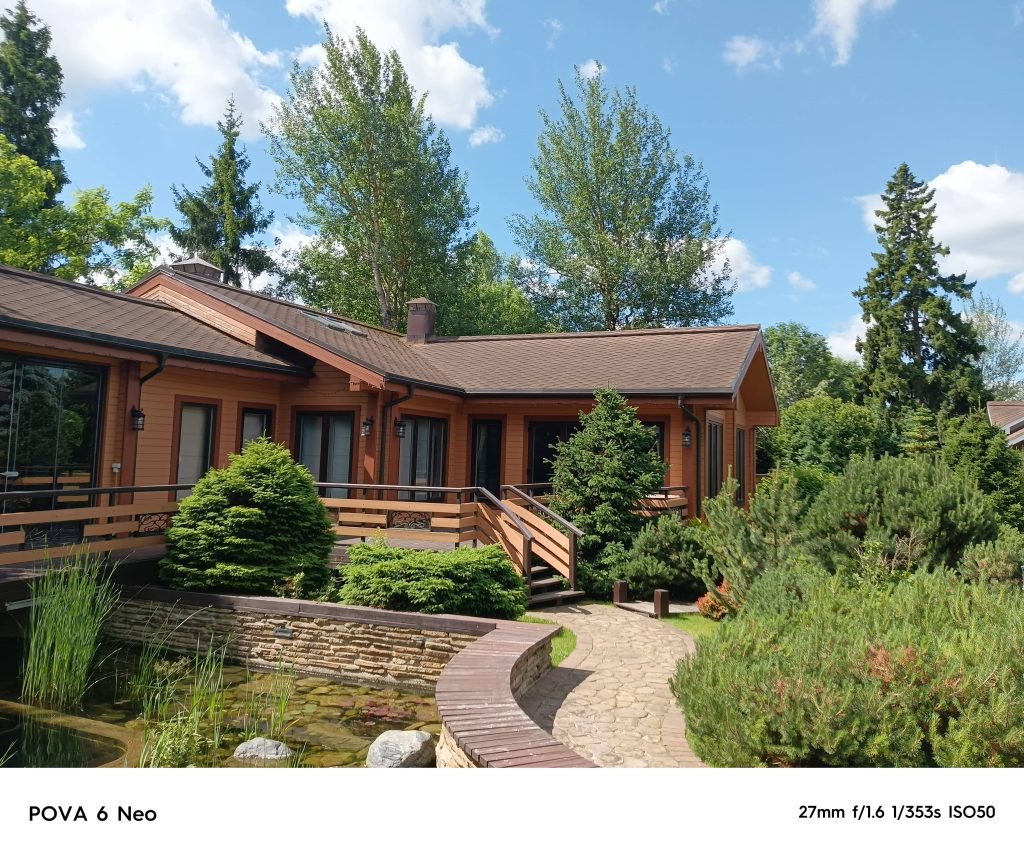
As-built services are a vital phase in the lifecycle of any construction or renovation project. These services focus on capturing the current state of a building, structure, or site once the construction is completed or when modifications have been made. As-built documentation ensures that there is an accurate and up-to-date record of the structure as it exists in reality, which often deviates from the original plans.

Unlike design drawings or architectural blueprints, which outline what should be built, as-built documentation reflects what was actually built. This makes as-built services invaluable for future renovations, facility management, compliance, and legal matters.

The scope of as-built documentation can include:

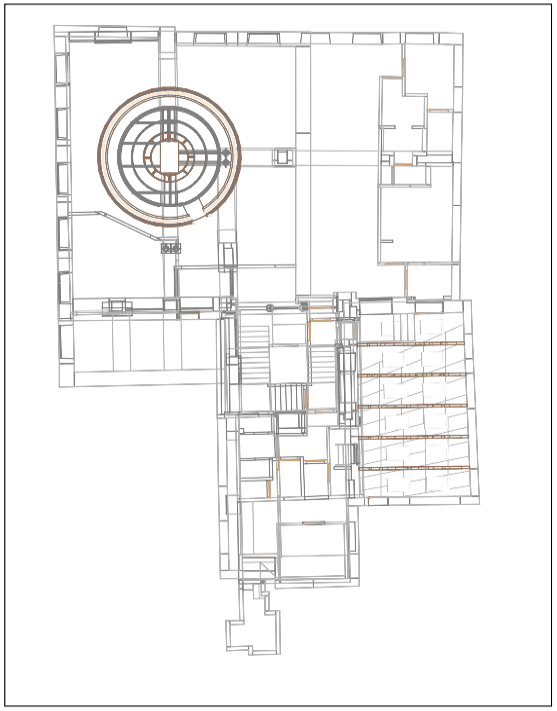
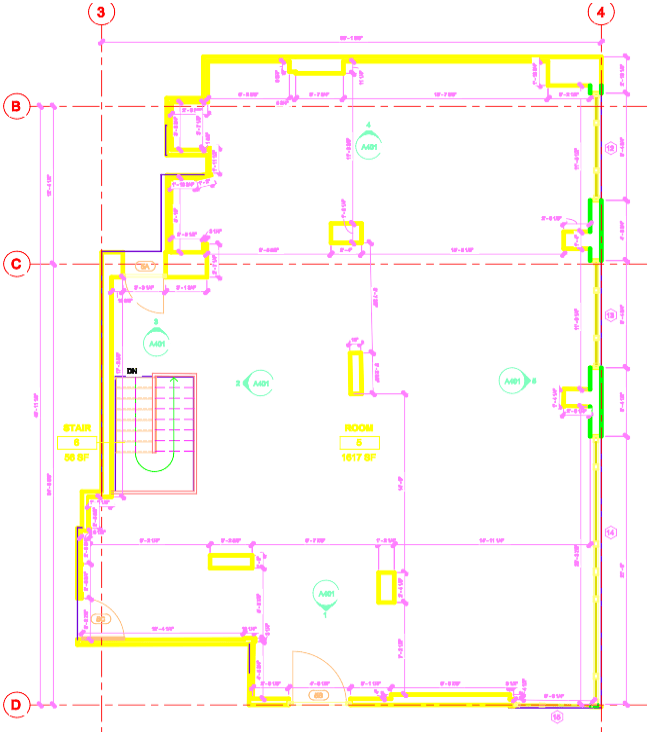
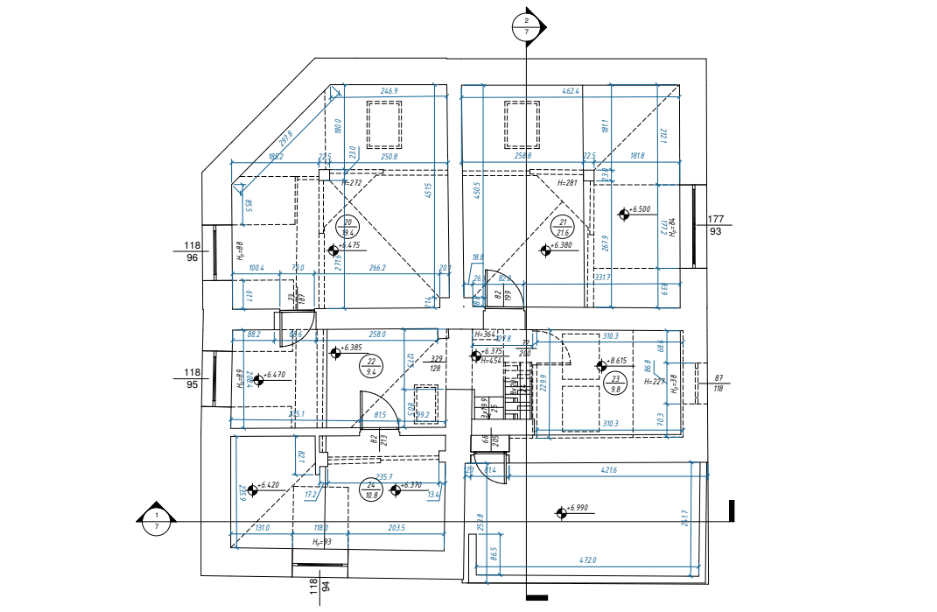
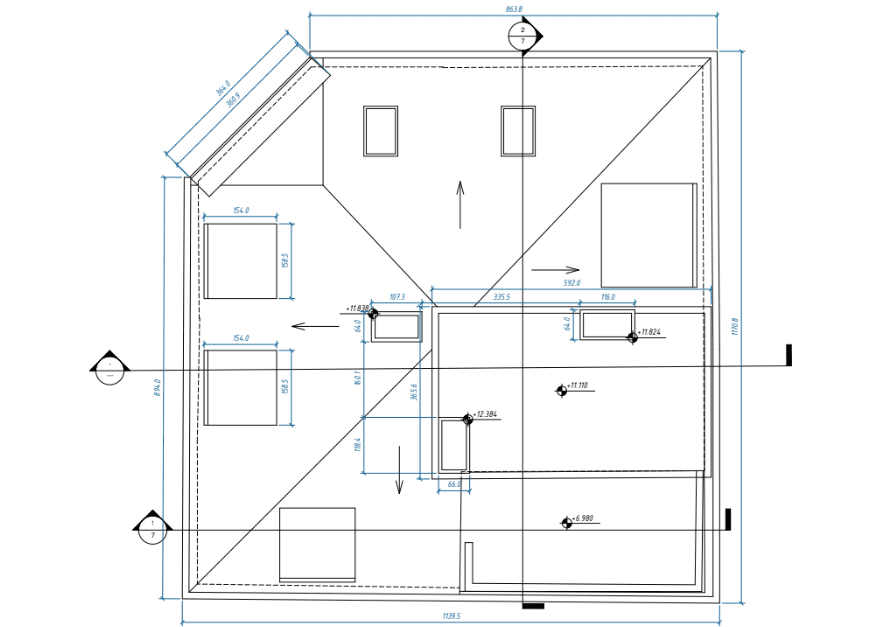
  • As-Built 2D Drawings: These are technical drawings like floor plans, elevations, and cross-sections that represent the real-time condition of a building or structure.
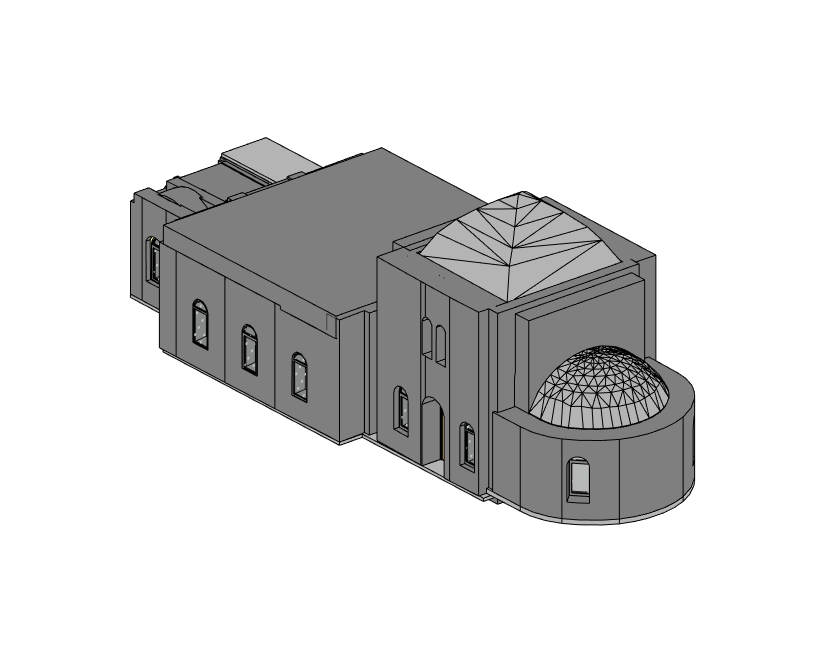
  • 3D As-Built Models: Advanced 3D models created from scanning data provide a digital, interactive representation of the structure, which can be used for future planning, simulations, and renovations.
  • Point Cloud Data: This data, derived from laser scanning technology, consists of millions of data points that create a digital “cloud” representing the surfaces and details of the structure.

Key Advantages of As-Built Services

So, why are as-built services considered so critical across various industries? Here’s why:

  • Supporting Future Projects. As-built documentation is essential when planning future modifications or renovations. Knowing exactly what is already in place is key to making design and structural decisions that align with the existing building.
  • Facilitating Facility Management. Throughout the lifecycle of a building, it undergoes changes—whether from maintenance, repairs, or updates. Detailed as-built records allow facility managers to keep track of these changes, ensuring they have reliable information for ongoing management.
  • Ensuring Compliance. Many sectors, including construction and healthcare, require as-built documentation to ensure compliance with building codes, safety standards, or contractual obligations. Having accurate records also simplifies project handovers and regulatory inspections.
  • Verifying Construction Work. As-built services allow contractors to verify that what was constructed matches the approved designs, highlighting any deviations or modifications made during construction. This ensures accountability and provides a clear reference for any future disputes.

The As-Built Documentation Process

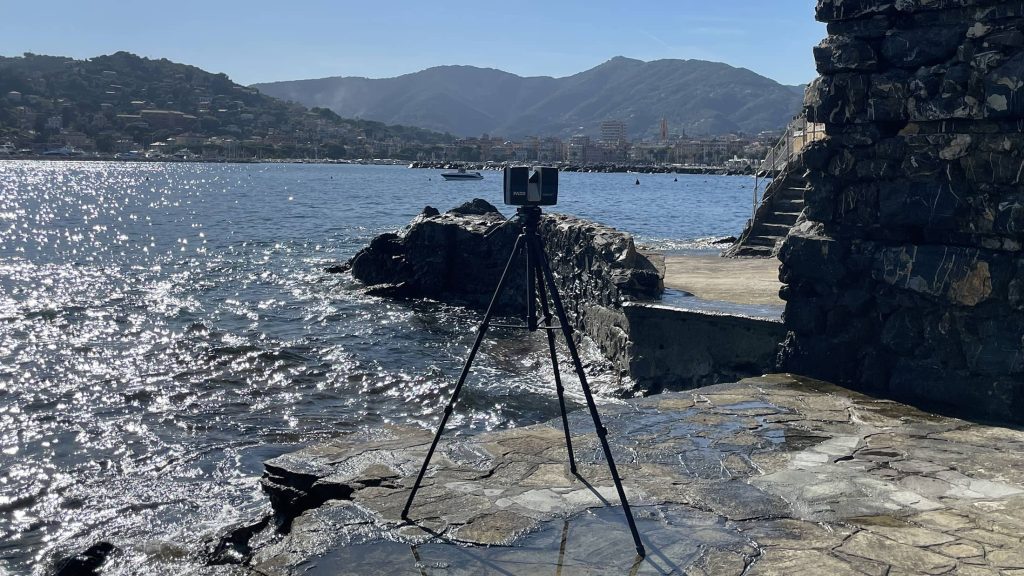
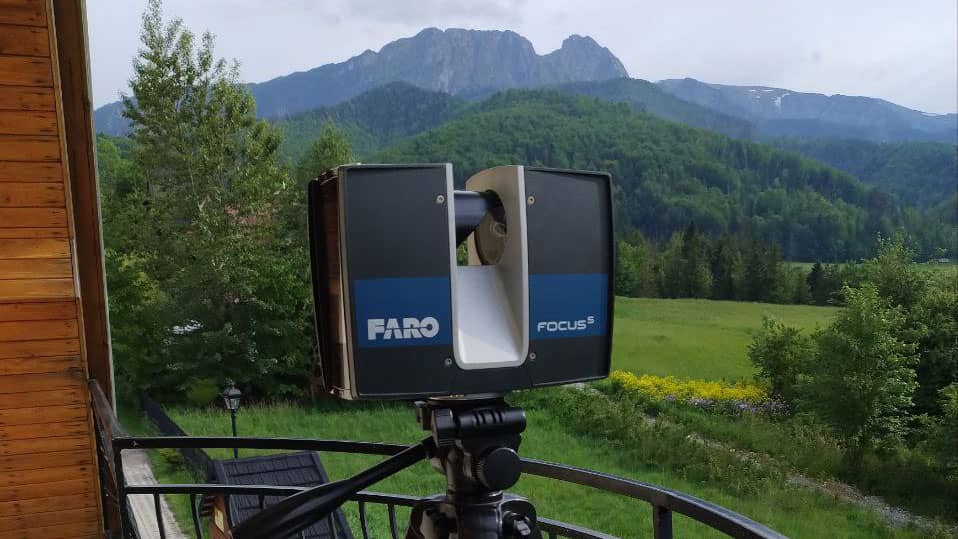
The process of producing as-built documentation begins with laser 3D scanning. This highly precise method captures the full geometry of a space or structure. Laser scanners collect millions of data points—forming a detailed point cloud that represents the entire surface of the object.

Once the point cloud data is collected, it is processed to create 2D as-built drawings or 3D as-built models. For large or complex projects, 3D models are particularly useful, as they provide an interactive digital representation that can be used for future analysis, design, or simulations.

Who Benefits From As-Built Services?

As-built services cater to a variety of professionals and industries, such as:

  • Architects and Designers. Having accurate as-built documentation allows architects and designers to better understand the current structure, leading to more informed decisions when planning renovations or expansions.
  • Contractors and Construction Firms. Contractors rely on as-built services to confirm that the project was completed as per the designs and to identify any modifications made during construction. Such precision helps avoid expensive errors and keeps the project moving smoothly on schedule.
  • Facility Managers. For buildings that are regularly updated or modified, as-built documentation provides a reliable record of changes over time, helping managers keep the facility functioning smoothly.

Our As-Built Services

At this point, you understand the value of as-built services. Let us show you how our expertise can elevate and support your project to success. We offer a full range of as-built services across the U.S., leveraging advanced laser 3D scanning technology to capture precise measurements and generate detailed as-built documentation.

Our services include:

  • Laser 3D Scanning. We employ the latest in laser scanning technology to capture every detail of your site or structure, ensuring a high level of accuracy and reliability.
  • As-Built Drawings. We create detailed 2D drawings that include floor plans, elevations, and cross-sections, all based on the data gathered through the laser scan. These drawings are invaluable resources for architects, engineers, and contractors alike.
  • 3D As-Built Models. Using BIM (Building Information Modeling), we transform the scan data into detailed 3D models that offer a comprehensive view of the structure. These models can be manipulated and analyzed for future planning.
  • Point Cloud Data. The point cloud data we provide can serve as a direct reference for future projects, offering the most accurate reflection of the building or space.

Why Choose Us?

  • Speed and Efficiency. We pride ourselves on being able to deploy quickly and efficiently. Our team can be on-site within 1-2 days of contract signing, ensuring you get the information you need without delay.
  • Precision and Quality. With our expert team and stringent quality control measures, we ensure you receive the most precise documentation available. We have teams located in every major city and state, ensuring consistent quality across the U.S.
  • Competitive Pricing. Even though we provide top-tier services, our pricing stays competitive within the industry. We’re committed to making top-quality as-built services accessible to everyone, offering the best value for your investment.

Whether you’re an architect, contractor, or facility manager, as-built services are essential for ensuring that your project has the most accurate, reliable documentation available. From future planning to compliance and project verification, as-built services provide a solid foundation for every phase of construction and renovation. Reach out to us today to discover how we can assist with all your as-built requirements. We’re ready to provide you with top-notch services tailored to your project.

Check our activity on:

3D Scanning Cost: A Full Guide to 3D Scanning Price in US

3D scanning has revolutionized the way construction, design, and architectural projects are planned and executed. By capturing precise measurements and creating highly accurate 3D models, the technology provides essential data for various industries. However, understanding the cost of 3D scanning is critical for stakeholders such as architects, engineers, and construction companies. The final cost is influenced by various factors such as project size, complexity, the equipment utilized, and the project’s location.

What is 3D Scanning?

3D scanning is a technique that uses laser technology to precisely capture the geometry and dimensions of a physical object or space. By emitting laser beams across a surface, a scanner records data points to create a digital representation known as a point cloud. This point cloud is then processed into 3D models or 2D drawings, providing invaluable data for architectural projects, reverse engineering, or preserving historical landmarks. The technology’s ability to capture detailed information down to the millimeter ensures that construction plans are executed with the highest precision.

Who Needs 3D Scanning?

Various industries rely on 3D scanning to meet specific needs. Architects and designers use it to accurately document spaces, especially when working with complex structures or when renovation is involved. Construction companies benefit from precise measurements, minimizing errors during the building phase. Real estate developers, too, utilize this technology for efficient space management and documentation.

Additionally, private homeowners or individuals may require 3D scans for small-scale projects such as home renovations or extensions. These scans help ensure that the design process is based on accurate spatial data, reducing the likelihood of costly mistakes during construction.

Why is 3D Scanning Important in Architecture?

In the architectural field, 3D scanning plays a crucial role in ensuring that designs are both feasible and efficient. Traditional surveying methods can miss crucial details or introduce errors, but 3D scanning technology offers unparalleled accuracy. This technology is particularly valuable for restoring historical buildings or working on complex projects with intricate layouts. By utilizing 3D scans, architects can visualize designs more accurately and create detailed plans that translate seamlessly into real-world applications.

Moreover, 3D scanning is indispensable for retrofitting and renovations, where precise documentation of existing conditions is needed to avoid construction issues. As the design phase is streamlined, project delays are minimized, ensuring more efficient use of resources.

Factors That Affect 3D Scanning Cost

Several factors influence the cost of a 3D scanning project. Key variables include the size and complexity of the site or object being scanned, the level of detail required, and the geographical location of the project.

1. Size and Scale of the Project

Larger structures like stadiums, airports, or warehouses demand more time and resources to scan, leading to higher costs. On the other hand, smaller spaces with simpler layouts may be less expensive, as fewer data points need to be captured.

2. Project Complexity

If the site contains intricate architectural details, such as historical buildings with ornate facades, the scanning process becomes more challenging and time-consuming, increasing the overall cost. Even small projects can be costly if the structure is highly detailed or has many rooms and layers.

3. Turnaround Time

Urgency can also affect pricing. While most 3D scanning companies deliver results within a few days for simpler projects, fast-tracking more complex scans will require additional resources, thus inflating the price. This is particularly true for large-scale or international projects, where logistical considerations also come into play.

3D Scanning for Different Industries

Different industries have distinct requirements when it comes to 3D scanning, leading to price variations. For example, in the construction industry, scans may be used to verify measurements during the building process, thus reducing errors and construction time. Meanwhile, industries like entertainment or gaming may require highly detailed models for virtual recreations, which necessitates more advanced scanning techniques and increased costs.

corporate-university-scanm2

How 3D Scanning Benefits Large Construction Projects

Large construction projects often require high levels of accuracy to ensure that the plans are executable without incurring excessive rework costs. 3D scanning plays a vital role in verifying measurements and providing as-built models that reflect the actual conditions on site. This minimizes the chances of discrepancies between design and execution, saving companies both time and money.

For example, scanning an airport terminal before construction can reveal any potential issues with spatial alignment, allowing teams to make adjustments before work begins. This forward-thinking approach to problem-solving boosts efficiency while helping construction teams stay on budget by preventing costly revisions.

Cost Breakdown for 3D Scanning Projects

The cost of a 3D scanning project can vary greatly depending on the specific requirements. On average, pricing is calculated based on the size of the area being scanned, with most companies charging between $1.50 and $10 per square foot. However, the final price can also depend on factors such as the level of detail needed and the complexity of the scan.

For instance, scanning a small apartment with basic architectural features may cost around $500 to $3,000, whereas scanning a large stadium could range from $15,000 to $50,000 or more. Additionally, projects requiring advanced deliverables like point clouds, 3D models, and 2D drawings will have higher associated costs.

How the Size of the Project Influences

Price Large-scale projects like commercial buildings or industrial sites typically incur higher costs due to the amount of data that needs to be collected. More surface area means more time spent on-site and more complex post-processing. Smaller projects, such as residential homes or individual rooms, may be completed more quickly and, therefore, come with a lower price tag.

However, a small project with many detailed features could still drive up costs due to the complexity involved in capturing every aspect of the space. For example, scanning an intricate interior with multiple rooms and furniture requires more precision, leading to higher costs.

The Role of Complexity in 3D Scanning Pricing

Complexity is one of the most important factors that can significantly increase the cost of 3D scanning. For example, a simple rectangular warehouse will be much easier (and cheaper) to scan compared to an ornate historical building filled with intricate details. The more complex a structure is, the more data points the laser scanners must capture, and the more post-processing will be required to develop accurate models and point clouds.

When 3D scanning architectural monuments, cathedrals, or castles, for instance, the cost is often higher due to the level of precision needed to preserve even the smallest details. In such cases, specialized scanners, such as Leica or FARO, are required to ensure the highest accuracy, which can drive up the overall price.

A high-tech 3D laser scanning system capturing detailed architectural data.

Time Frame for Completing a 3D Scanning Project

The timeline for delivering the results of a 3D scan varies depending on the size and complexity of the project. Smaller projects can often be completed within 1-2 days, while larger and more complex projects may take several weeks or even months. This time frame directly influences the final cost, especially when clients need faster delivery.

For example, scanning a simple office space may require just a few hours on-site, with the point cloud and 3D model delivered within 48 hours. However, scanning a sprawling industrial complex with complex machinery or a multi-story skyscraper will take longer, increasing both time and labor costs.

Geographical Location and Its Effect on Costs

While 3D scanning services are offered nationwide, the location of your project can influence the overall cost. In the U.S., projects located in major metropolitan areas, such as New York or Los Angeles, may come with higher prices due to the increased cost of doing business in those regions. Conversely, projects in smaller towns or rural areas may be more affordable, though clients might need to cover travel expenses for the scanning team.

For international projects, additional logistical factors like travel, accommodation, and transportation of equipment can significantly increase the cost. However, our company offers competitive pricing by covering a broad range of regions, minimizing travel expenses wherever possible.

Benefits of 3D Laser Scanning

The benefits of 3D laser scanning are vast, making it an essential tool across multiple industries. A key advantage is the unmatched precision it provides. With precision down to a millimeter, 3D scanning provides highly detailed data that ensures the success of architectural, engineering, and construction projects.

In addition to accuracy, 3D laser scanning significantly reduces the time needed to gather measurements. Conventional methods typically rely on manual measurements, which are not only time-consuming but also susceptible to human error. Laser scanning enables rapid capture of large structures, empowering project managers to make well-informed decisions with greater speed.

Lastly, 3D scanning is a cost-effective solution in the long run. While the initial scanning may come with an upfront cost, it can save time and money by reducing errors, rework, and material waste during the construction phase.

3D Scanning for Historical Preservation

Projects 3D scanning has proven to be an essential tool in the preservation of historical and cultural heritage sites. By creating highly accurate digital replicas, this technology allows for the restoration and maintenance of important landmarks without risking damage to the original structure. Additionally, it helps preserve these structures for future generations and can be utilized for educational initiatives or immersive virtual tours.

Although preserving historical monuments may require more intricate scanning techniques, the investment is invaluable for ensuring that these irreplaceable sites are protected. Historical scanning projects may cost more due to the level of detail needed, but the outcome is a detailed 3D model that can be used to restore or replicate the original structure with incredible accuracy.

Scan-to-BIM Services and Their Cost

Scan-to-BIM (Building Information Modeling) is a service that converts 3D scan data into usable BIM models. These models are essential for architects, engineers, and construction teams as they provide a detailed, digital representation of the physical structure. BIM models are instrumental in the planning, design, construction, and management of buildings and infrastructure.

The cost of Scan-to-BIM services depends on the complexity of the project and the level of detail required in the final model. For example, creating a detailed BIM model of a large commercial building can be more expensive due to the time it takes to convert the raw scan data into a structured, useful model.

Point Clouds and 3D Models: Deliverables Explained

One of the primary deliverables from a 3D scanning project is a point cloud, which consists of millions of data points representing the surfaces of the scanned object or space. From this point cloud, various outputs can be created, including 3D models, 2D CAD drawings, and building information models (BIM).

The choice of deliverable will depend on the client’s needs. For example, a construction company may require 2D drawings to aid in the building process, while an architect may prefer a detailed 3D model to visualize design changes. Delivering more advanced or processed outputs, such as a BIM model, typically involves more time and expertise, which can affect the overall cost.

Impact of Using High-Quality Scanners on Price

The quality of the equipment used for 3D scanning directly impacts the precision of the results and, consequently, the cost. High-end laser scanners like those from Leica, FARO, and Trimble are renowned for their accuracy and reliability. These scanners can capture data points at an extremely high resolution, ensuring that the final deliverables are of the highest quality.

While using top-of-the-line scanners may increase the price of the project, the added accuracy and efficiency often justify the higher cost. This is especially true for projects where precision is critical, such as engineering projects or the restoration of historical buildings.

How to Choose the Right 3D Scanning Service

Choosing the right 3D scanning service depends on several factors, including your budget, project timeline, and the level of detail required. When selecting service providers, it’s essential to assess their expertise, technology, and the quality of their previous projects. Opting for a company with a solid reputation for accuracy and reliability can help avoid costly mistakes later in the project.

It’s also important to evaluate if the provider offers adaptable pricing options, such as fixed rates or hourly billing. Depending on the project scope, one pricing model may prove more cost-efficient than the other.

Understanding the Value of 3D Scanning for Small Projects

While 3D scanning is often associated with large-scale industrial or commercial projects, it can also be highly beneficial for smaller projects. For instance, scanning a private home or a small office space can help architects and interior designers create more accurate floor plans and design layouts.

For small projects, the cost of 3D scanning is typically lower, especially if the space is simple and doesn’t require capturing extensive details. This makes it an appealing choice for homeowners planning a renovation or designers tackling residential projects.

3D Scanning for Reverse Engineering

In the fields of manufacturing and engineering, 3D scanning is frequently employed for reverse engineering, allowing for the recreation of a component or object from an existing physical model. This process is invaluable for industries that need to replicate components where no original drawings or plans are available. The scan captures every aspect of the part, allowing engineers to create an exact digital replica.

Although reverse engineering projects may be more expensive due to the complexity of the objects being scanned, the end result is a highly accurate model that can be used for manufacturing or further development.

How Accuracy Affects 3D Scanning Prices

The level of accuracy required for a 3D scanning project has a direct influence on the overall cost. High-precision scans that capture details down to the millimeter are more expensive due to the advanced technology and processing time involved. Such accuracy is crucial for engineering projects, where even the slightest discrepancies can cause major problems during the production or construction phases.

For projects that do not require such high levels of accuracy, more affordable scanning solutions may be available. It’s essential to consult with your 3D scanning provider about the required level of detail to strike the perfect balance between cost and quality.

Fast Turnaround: Is It Worth the Extra Cost?

When time is of the essence, clients may request expedited delivery of their 3D scanning results. While most projects can be completed within a standard timeframe, rush orders often require additional resources, leading to higher costs. In some cases, paying extra for faster turnaround times can be worthwhile, particularly if delays would disrupt the overall project schedule.

For example, a construction company on a tight deadline may find that paying for an expedited scan is a cost-effective solution, as it allows them to proceed with the project without incurring additional delays.

How Companies Offer Competitive 3D Scanning Pricing

Our company SCANM2 differentiates itself by offering highly competitive 3D scanning prices without compromising on quality. We accomplish this by blending streamlined scanning techniques, cutting-edge technology, and a client-focused approach. For example, we offer discounts on large-scale projects and can provide tailored pricing plans for smaller, more complex jobs.

Additionally, by using high-end equipment and experienced technicians, we ensure that the first scan is accurate, minimizing the need for costly rework. This enables us to provide highly accurate data at a cost that’s more competitive than many others in the industry.

Comparing 3D Scanning Prices Across Providers

When comparing 3D scanning prices across different providers, it’s important to consider not just the initial cost but also the value provided. Some companies may offer lower upfront prices but deliver less accurate or detailed results, leading to additional costs down the line. It’s essential to choose a provider that balances cost with quality, ensuring that the final deliverables meet your project’s needs.

Comparing reviews, checking past work, and asking for detailed quotes can help you make an informed decision.

The Future of 3D Scanning: Is It Becoming More Affordable?

As 3D scanning technology continues to advance, the cost of scanning services is expected to decrease. New developments in software and hardware are making the scanning process faster and more efficient, reducing the time and labor required to complete a project. Additionally, as more companies adopt 3D scanning for their projects, increased competition in the market is driving prices down.

While 3D scanning is still a significant investment for many businesses, it’s clear that the technology is becoming more accessible and cost-effective.

FAQ

What factors affect the cost of 3D scanning?

The cost is influenced by factors such as project size, complexity, location, and the level of detail needed.

How much does 3D scanning typically cost?

On average, 3D scanning costs between $1.50 and $10 per square foot, depending on the project’s specifics.

Can 3D scanning be used for small projects like homes?

Yes, 3D scanning is suitable for both large commercial buildings and small residential projects.

How long does it take to complete a 3D scanning project?

Simple projects can be completed in a few days, while more complex ones may take several weeks.

Does 3D scanning provide accurate measurements?

Yes, 3D scanning can capture measurements with millimeter-level accuracy, ensuring precise data for architectural and engineering purposes.

Is fast delivery available for 3D scanning projects?

Yes, but rush orders may incur additional costs due to the need for expedited processing.

Understanding the cost of 3D scanning is crucial for architects, engineers, construction companies, and private individuals planning to use this technology. While the price can vary depending on the size, complexity, and location of the project, the benefits of using accurate, efficient, and detailed 3D scans far outweigh the costs. As technology continues to evolve, 3D scanning is becoming more affordable, making it a valuable tool for a wide range of industries.

Check our activity on:

Our 3D Scanning Process: Precision in Every Detail

In the modern world of architecture, construction, and engineering, precision is everything. Whether you’re restoring a historical monument or planning a new build, accuracy in measurement and design is essential. 3D laser scanning services deliver a level of precision and detail far beyond what traditional methods can achieve. At our company, we specialize in delivering as-built documentation using 3D laser surveys that produce point clouds, 3D models, and 2D drawings. Our build information modeling (BIM) solutions offer clients the most accurate visual representation of their projects.

From Idea to Execution: Our 3D Laser Scanning Workflow

Our 3D scanning services follow a comprehensive, structured process that ensures you receive the most accurate and actionable data. With the use of high-end equipment such as Leica, FARO, and Trimble X7 scanners, we can scan a wide range of objects—from historical buildings to complex industrial machinery. This enables us to deliver precision solutions to architects, builders, and designers across the United States. Let’s take a closer look at our scanning process.

Understanding the Client’s Needs: Technical Assignment

Before starting any project, we collaborate closely with our clients to gain a thorough understanding of their specific requirements. If the client does not provide a detailed technical assignment, our team will assist in drafting one. This crucial step allows us to customize our approach for every 3D laser survey, whether you’re looking for 3D models for Scan to BIM or detailed as-built documentation. We take time to align on every detail, ensuring that the results meet your project’s specific requirements.

Scheduling and On-Site 3D Laser Scanning

Once the project scope is clearly defined, our team schedules a time to visit the site for scanning. We understand that flexibility is key, so we coordinate with you to select a time that minimizes disruption to your business or ongoing construction. Whether you’re located in New York City, Los Angeles, or a smaller town, our team will be on-site and ready to perform 3D scanning services with meticulous attention to detail.

The Scanning Process

The scanning itself is where cutting-edge technology meets skilled execution. Using laser scanners from Leica, FARO, and Trimble X7, we perform high-precision 3D laser surveys of any structure or object. The scanning process involves the following key steps:

  1. Positioning the Scanner: The scanner is placed at various strategic points around the site to ensure complete coverage. The required number of scanning positions varies based on the object’s size and complexity.
  2. Laser Emission and Data Collection: The scanner emits millions of laser beams in every direction, each reflecting off surfaces and returning to the scanner. These reflections are then used to measure distances, producing an accurate point cloud representing the object in three dimensions.
  3. Data Synchronization: Once all relevant areas are scanned, the point cloud data from multiple scanning positions are merged to create a complete digital model of the object. This extensive dataset serves as the foundation for creating 3D models, 2D drawings, and other project deliverables.

This scanning process can be completed within a few hours or, for larger projects, over several days. Despite the complexity of the project, we ensure minimal disruption to ongoing operations on the site.

Post-Processing: Turning Data into Actionable Results

After the on-site scanning is complete, the data undergoes detailed post-processing. This phase is where raw scan data is transformed into useful deliverables for your project. Using specialized software, we clean, refine, and optimize the point cloud to remove noise and ensure the highest quality. From here, we produce a range of outputs, depending on your needs:

  • Point Clouds: These are raw data outputs that contain the XYZ coordinates of every point scanned. Point clouds are particularly useful in BIM environments, where precise spatial data is crucial for further modeling.
  • 3D Models: Using point cloud data, we generate detailed 3D models that represent the scanned structure or object with incredible accuracy. We can deliver these models in multiple formats, such as .RVT, .SKP, .3DS, and many others, tailored to your needs.
  • 2D Drawings: For clients who need traditional architectural plans or as-built documentation, we also provide high-precision 2D drawings. These can serve various purposes, including construction documentation, renovation planning, and more.

No matter the final output, all data is checked for accuracy before delivery. We guarantee that every measurement, drawing, and model is precisely aligned with your project’s unique specifications.

Delivery of Results: Fast, Flexible, and in Your Preferred Format

Our goal is to deliver results that are both accurate and usable. Depending on the project size, you can expect to receive your final results within as little as two days for smaller projects, or up to two months for large, complex sites. Regardless of timeline, you will receive your 3D models, 2D drawings, or point clouds in your preferred format, whether that’s .DWG, .PDF, .JPEG, or another compatible file type.

The Competitive Edge: Why Choose Us for Your 3D Scanning Needs

What makes us stand out in the 3D scanning services market is not just the cutting-edge technology we use but the meticulous care and precision we bring to every project. Here’s why clients across the U.S. choose us for their laser surveys and as-built documentation:

Unmatched Accuracy and Precision

With scanning technology that achieves accuracy down to 1 millimeter, we guarantee highly detailed and reliable data for every project. Whether it’s a complex 3D laser survey of an industrial plant or capturing the intricacies of a historic building, our results are second to none.

Nationwide Reach with International Expertise

Our team is capable of reaching any site in the United States, from bustling metropolitan areas to remote locations. No matter where your project is based, we take pride in delivering the same exceptional level of service across the board. From scanning sports facilities in Texas to surveying historical landmarks in Washington D.C., our process remains seamless and efficient.

Affordable Pricing for 2D and 3D Documentation

We believe in making cutting-edge technology accessible. One of our primary advantages is our ability to offer 3D scanning services at competitive prices, especially for projects that require 2D drawings or simple as-built documentation. Our clients enjoy top-tier results at a price significantly below the market average.

Quality Assurance Every Step of the Way

Our commitment to quality is uncompromising. Each data deliverable undergoes thorough scrutiny and review to ensure it upholds our strict quality standards. We focus on accuracy, completeness, and delivering results without errors or omissions. Our unwavering commitment to quality is the reason clients trust us with their most critical projects.

Applications of Our 3D Scanning Services

Our 3D scanning services can be applied across numerous industries, providing accurate data for a variety of uses. Whether you’re an architect, engineer, or project manager, the information we provide can assist in:

  • Architectural Restoration: Preserving historical buildings with detailed scans that aid in conservation efforts.
  • Construction and Renovation: Accurate as-built documentation for ongoing projects, helping builders avoid costly errors.
  • Engineering and Design: Creating 3D models that serve as the basis for engineering simulations and design projects.
  • Infrastructure Planning: Scanning large-scale infrastructure projects, including bridges, highways, and power plants, to ensure precise planning and implementation.

With our expertise, the possibilities are limitless, ensuring you receive the most precise results for your project.

FAQs

How accurate is your 3D laser scanning process?

Our 3D laser scanning technology provides measurements accurate to within 1 millimeter, ensuring highly detailed and precise data.

What file formats can you deliver for 3D models and point clouds?

We deliver results in multiple formats, including .RVT, .DWG, .PDF, .3DS, and .JPEG, among others.

Can you scan large infrastructure projects like bridges or highways?

Yes, we specialize in scanning both small and large-scale projects, including bridges, highways, and other extensive infrastructure systems.

How long does the scanning process take?

For smaller projects, we can deliver results in as little as two days. Larger, more complex projects may take up to two months.

Do you offer services nationwide in the US?

Yes, we operate throughout the United States and can provide 3D laser scanning services in any location, whether urban or rural.

What industries can benefit from your 3D scanning services?

We cater to a wide range of industries, from architecture and construction to engineering, infrastructure development, and historic preservation.

In conclusion, our 3D laser scanning process is designed to provide fast, accurate, and affordable solutions for projects of any scale. From generating 3D models to creating as-built documentation, we ensure every client receives results that exceed their expectations. Our team is ready to take on projects anywhere in the United States, delivering precision data that drives success.

Check our activity on:

Everything You Need to Know About 3D Laser Scanning

In the rapidly evolving world of construction, architecture, and engineering, 3D laser scanning has emerged as a groundbreaking technology that is transforming how professionals approach design, planning, and execution. With this advanced tool, scanning complex environments becomes faster, more accurate, and highly detailed—allowing for seamless project management from start to finish.

What is 3D Laser Scanning?

Fundamentally, 3D laser scanning is a technique that uses laser light to precisely capture the exact dimensions and form of an object or environment. The process involves emitting laser beams at a target, and then recording the light that bounces back. By timing how long it takes for the laser to return, the scanner generates a “point cloud”—a collection of millions of data points that represent the scanned surface. These points are then used to develop highly accurate 3D models.

This technique is widely used in industries such as construction, architecture, reverse engineering, and industrial design, as it provides precise measurements and details that are difficult, if not impossible, to obtain through traditional methods.

The Problems 3D Laser Scanning Solves

The need for accuracy in design, planning, and execution is critical in industries like construction and engineering. Here are some of the common challenges that 3D scanning services can solve:

  • Precision in Design: When creating complex structures, traditional measuring tools often fall short. 3D building scanners ensure millimeter-level accuracy, reducing the margin for error in the design process.
  • Time-Consuming Manual Work: Collecting data manually for large sites or intricate designs can take weeks. 3D laser scanning dramatically reduces the time needed for surveying, while maintaining an exceptional level of detail.
  • Inconsistent Data: Manual surveys can lead to discrepancies and missed details, which can be costly to fix later in the project. 3D scanning ensures all data is collected in one go, providing a unified source of truth for all stakeholders.
  • Inefficient As-Built Documentation: As-built surveys require precise documentation of existing structures, and traditional methods may miss crucial details. Lidar scanning offers detailed records that can be revisited digitally, saving time and preventing rework.

How 3D Laser Scanning Works

The process of 3D laser scanning is remarkably straightforward yet highly sophisticated. It involves three main steps:

Data Capture

When operating a 3D laser scanner (like those from Leica or Faro), the device emits laser beams toward the object or environment being scanned. The beams reflect back to the scanner, which records the time it took for the laser to return. From this data, the device calculates the exact distance between the scanner and various points on the object or surface.

Data Processing

Once the scan is complete, the raw data—millions of points in a “point cloud”—is processed using specialized software. This software compiles the data into a cohesive 3D model that accurately reflects the scanned environment. This stage is where data is cleaned up and refined, removing any noise or irrelevant information that may have been captured during scanning.

Deliverables and Output

The final 3D model is then shared with the client in a variety of formats depending on the project’s needs. This could be a Scan to BIM file, CAD file, or another 3D model format. For professionals like architects, engineers, and designers, these detailed models are invaluable for making informed decisions and reducing project risks.

Why 3D Laser Scanning is Better than Traditional Methods

Traditional surveying techniques, while effective in their time, have several limitations, especially when compared to modern 3D laser scanning technology. Here’s why:

Speed and Efficiency

Traditional methods such as manual tape measures, theodolites, and even photogrammetry can take days or weeks to gather data, especially on large or complex projects. 3D scanning services reduce this time to just a few hours, providing immediate access to precise, detailed data.

Accuracy and Detail

Manual surveys are prone to human error. While traditional methods might be accurate to within centimeters, 3D scanners can capture data with millimeter precision, ensuring no detail is overlooked.

Flexibility

One of the key benefits of 3D scanning is its remarkable versatility. It can be used to scan everything from small objects to large structures like buildings, roads, and bridges. Whether you’re working on an as-built survey or creating a 3D model for reverse engineering, laser scanning can accommodate a wide range of project scopes.

The Full 3D Scanning Process

For clients interested in 3D scanning services, understanding the process from start to finish is essential. Here’s a breakdown of what to expect:

Step 1: Initial Consultation and Project Scoping

To begin, we start with a consultation to discuss the unique requirements of your project. This is where you’ll provide details about the space, object, or environment that needs to be scanned, along with any specific deliverables you may need (such as Scan to BIM services or reverse engineering files).

Step 2: On-Site Scanning

Once the scope is defined, the scanning team will visit your site with advanced laser scanning equipment (such as the Leica or Faro models). The scanning duration varies based on the size of the space or object, taking anywhere from several hours to a full day. The scanner rotates, sending out millions of laser points to capture every angle of the structure.

Step 3: Data Processing

Back in the lab, the scanning team processes the collected data, compiling the point cloud into a digital 3D model. At this stage, any unnecessary data is cleaned up, ensuring a clean, accurate representation of the scanned space.

Step 4: Deliverables

Once the model is complete, it can be delivered in multiple formats depending on your project needs. For architects and construction teams, Scan to BIM services are often provided, offering seamless integration with existing project workflows. For product designers, reverse engineering data may be supplied, allowing for the creation of new designs based on the original scanned object.

Step 5: Ongoing Support

After the scanning process is complete, you may require ongoing support, whether it’s additional scans, data interpretation, or model revisions. Many 3D scanning services offer follow-up services to ensure that clients can fully leverage the data they’ve received.

What Clients Receive After a 3D Scan

Upon completion of a 3D laser scan, clients typically receive several critical deliverables, which may include:

  1. Point Cloud Data: This is the raw data captured during scanning, offering a highly detailed digital representation of the scanned environment.
  2. 3D Models: Depending on the project, this could be a CAD model, a Scan to BIM file, or other formats suitable for the design or engineering process.
  3. As-Built Survey Documentation: For clients requiring an accurate reflection of existing conditions, as-built documentation is provided, offering a digital archive of the building or structure as it exists today.
  4. Analysis Reports: Some projects require more in-depth analysis, such as structural integrity assessments or environmental reports based on the scan data.

The Industries that Benefit from 3D Laser Scanning

While 3D laser scanning can be applied in a wide range of sectors, certain industries have seen transformative results from this technology:

  • Architecture and Design: By offering precise measurements and real-time updates to existing structures, 3D scanning helps architects design buildings that fit perfectly within their surroundings.
  • Construction and Engineering: From planning to execution, scanning allows construction teams to anticipate issues, minimize risks, and avoid costly mistakes.
  • Historic Preservation: For preserving historical buildings and monuments, laser scanning offers an unmatched level of detail, allowing for restoration efforts without physical contact.
  • Manufacturing and Reverse Engineering: Product designers can use 3D scans to create new designs based on the exact specifications of existing objects, speeding up the manufacturing process.

Why 3D Laser Scanning is Essential for Your Next Project

3D scanning services deliver unmatched precision, speed, and adaptability when compared to traditional methods. Whether you’re an architect designing a new building, a contractor managing a complex construction project, or an engineer working on reverse engineering, laser scanning provides the detailed data you need to make informed decisions and reduce project risks.

In today’s fast-paced and competitive environment, staying ahead of the curve is crucial. 3D laser scanning not only simplifies the project lifecycle but also ensures higher accuracy and faster completion times. If you’re considering 3D scanning for your next project, it’s time to explore how this technology can streamline your workflow, minimize errors, and save time and money.

Frequently Asked Questions

What is 3D laser scanning used for?

3D laser scanning is used to capture accurate, high-resolution data of objects, spaces, and environments for design, construction, and analysis purposes.

How accurate is 3D laser scanning?

3D laser scanning provides millimeter-level accuracy, offering much higher precision compared to traditional surveying methods.

How long does a 3D laser scan take?

The required time varies according to the project’s size and complexity, typically ranging from a few hours up to an entire day.

What industries benefit from 3D laser scanning?

Industries such as architecture, construction, engineering, historic preservation, and manufacturing all benefit from the detailed data provided by laser scanning.

Can 3D scanning be used for reverse engineering?

Yes, 3D scanning is a critical tool for reverse engineering, allowing designers to create new models based on existing objects.

What deliverables will I receive after a 3D laser scan?

You will typically receive point cloud data, 3D models, as-built documentation, and potentially analysis reports, depending on your project’s needs.

Ready to take your project to the next level with 3D laser scanning?

Contact us today to discuss your unique needs and see how our state-of-the-art scanning services can bring your project to life!

Check our activity on:

BIM Modeling for Construction Projects

In the ever-evolving landscape of the construction industry, the need for precision, streamlined efficiency, and cost-effectiveness has become more critical than ever before. Building Information Modeling (BIM) has evolved into a revolutionary tool, fundamentally changing the way modern projects are planned, built, and managed. Whether you’re an architect, designer, contractor, or developer, BIM modeling provides an unmatched advantage in driving your project to success.

At SCANM2, we take pride in delivering exceptional BIM services while offering some of the most competitive pricing in the industry. Our expertise in BIM modeling, combined with laser 3D scanning technology, ensures accurate, fast, and reliable solutions tailored to the needs of modern construction projects.

What is BIM Modeling and Why is it Important for Construction?

Building Information Modeling (BIM) is an interactive digital model that represents both the physical and functional aspects of a construction project. Unlike conventional 2D drawings, BIM delivers an immersive 3D model that encompasses intricate details such as materials, dimensions, mechanical systems, electrical layouts, and even project timelines. This approach allows for better collaboration among project stakeholders and significantly reduces errors during the construction process.

For construction professionals, including architects, designers, MEP engineers, and contractors, the use of BIM modeling enables a more streamlined workflow. Revit, a popular software in the industry, is often used to create these models, ensuring consistency and accuracy. By using Autodesk BIM solutions, we help our clients stay ahead of the competition with superior designs and faster project completion.

The Process of BIM Modeling for Construction Projects

Our BIM services are designed to provide clients with fast, precise, and cost-effective solutions that integrate seamlessly with construction workflows. Here’s how our process works:

1. Initial Consultation and Project Understanding

Once you reach out to us through our online form, we’ll start by diving into the details of your project. This includes understanding the size, complexity, and objectives of your construction project. Our team of BIM experts will consult with you on what specific data and modeling requirements are needed, whether you’re working on a residential building, commercial facility, or infrastructure project.

2. Laser 3D Scanning for Precision

Once the project scope is clear, we deploy our laser 3D scanning technology to capture a detailed digital representation of the existing conditions. This process is quick and highly accurate, ensuring we have all the data we need to create a precise BIM model.

Unlike traditional surveying methods, 3D laser scanning offers superior accuracy and speed, allowing us to gather millions of data points in a matter of hours. Once scanned, these data points are processed and translated into a 3D model that can be used for the development of the BIM.

3. Scan to BIM Conversion

The data from the laser scan is then converted into a detailed Revit model. Using Scan to BIM services, we create a digital representation that includes all critical building information, such as structural components, electrical systems, plumbing, and HVAC (MEP) elements.

Using Revit models, we guarantee that every detail of your project is meticulously planned during the design phase, reducing the risk of expensive changes during construction. Whether you need BIM architecture, BIM construction, or MEP BIM services, our team is capable of delivering precise, high-quality models.

4. Collaboration and Model Delivery

Once the model is complete, we collaborate with your team, allowing you to review and request any adjustments. Our goal is to deliver the final BIM model that integrates all your project’s needs within 2 to 10 days, depending on the project size. For more complex projects, the timeline may extend up to two months, but we always strive to meet your deadlines.

Why BIM Modeling is Better Than Traditional Methods

BIM modeling offers a multitude of advantages over traditional design methods, making it the go-to solution for modern construction projects. Here’s why:

  • Enhanced Accuracy: With the integration of laser 3D scanning, we ensure precise measurements, reducing the margin of error significantly.
  • Improved Collaboration: BIM allows different stakeholders—architects, engineers, contractors, and project managers—to work from a unified, accurate model, reducing misunderstandings and errors.
  • Cost Efficiency: BIM helps detect potential clashes and problems early in the design phase, significantly reducing expensive modifications during construction.
  • Time-Saving: Fast data acquisition with laser scanning and quick Scan to BIM conversion mean that projects move from design to construction faster, without delays.
  • Comprehensive Documentation: BIM not only provides a 3D model but also includes essential data such as material quantities, scheduling, and system specifications.

Benefits of BIM Modeling for Construction Projects

When you choose our BIM services, you are investing in a solution that will save you time, money, and resources. What to Expect:

  • Cost-Effectiveness: We provide some of the most competitive rates in the industry while maintaining top-notch quality. Leveraging cutting-edge BIM technology, we provide superior-quality models at a significantly lower cost than conventional approaches.
  • Quick Turnaround: Time is crucial in construction, and we understand that. Once the contract is signed, our team is committed to kicking off your project immediately, with work commencing within 1-2 days. We pride ourselves on delivering BIM models quickly, with final materials ready in as little as 2 days, depending on project size.
  • Comprehensive BIM Solutions: Our services cover all aspects of BIM, from architectural models to MEP systems and structural components. This guarantees seamless and efficient management of your project from inception to completion.
  • Seamless Integration: Our BIM models are compatible with popular software like Autodesk BIM and Revit, making it easy for your team to collaborate and implement the designs.

Why Choose Our BIM Services?

There are plenty of BIM companies on the market, but what sets us apart is our commitment to quality, affordability, and speed. We provide an unbeatable combination of low prices and high-quality BIM models. Whether you’re an architect looking for accurate designs or a contractor needing precise models for construction, we’ve got you covered.

With a solid history of delivering BIM solutions, our company SCANM2 consistently surpasses client expectations. We leverage the latest technologies, such as laser 3D scanning and Revit, to ensure that every project runs smoothly from start to finish.

BIM Modeling in the Construction Industry

In today’s construction industry, BIM has shifted from being an optional tool to an absolute necessity. With the increasing complexity of construction projects, the need for accurate, highly detailed models has skyrocketed. With BIM 3D modeling, you get a clear, comprehensive view of the project, reducing the risk of errors and ensuring that everyone involved is on the same page.

Whether you’re managing a large commercial development or a smaller residential project, BIM services help you optimize every aspect of the construction process, from initial design to project completion.

Frequently Asked Questions

What is BIM modeling?

BIM modeling is the creation of a detailed 3D digital model that includes all physical and functional characteristics of a building, making it easier for construction teams to plan and execute projects.

How does laser 3D scanning enhance BIM modeling?

Laser 3D scanning captures highly accurate measurements of existing conditions, which are then used to create precise BIM models. This process ensures accuracy and reduces errors during construction.

What types of projects benefit from BIM services?

BIM services offer valuable advantages for all construction projects, whether it’s a residential home or a large-scale commercial development. It’s particularly useful for projects requiring collaboration between multiple stakeholders.

How long does it take to receive a BIM model?

The delivery timeframe for a BIM model is determined by the project’s scale and complexity. For smaller projects, models can be delivered within 2 days. For larger and more intricate projects, the timeline could extend up to two months.

What software do you use for BIM modeling?

Our team predominantly utilizes Revit and Autodesk BIM to craft precise, detailed models for every project. These are industry-standard tools that ensure compatibility and ease of use.

What are the cost benefits of choosing your BIM services?

We offer some of the most competitive pricing in the industry while ensuring the quality of our work remains exceptional. By using advanced technology like laser 3D scanning, we reduce the time and cost associated with traditional surveying and modeling methods.

BIM modeling provides an undeniable competitive advantage for construction projects, setting them apart from the rest. Whether you’re an architect, builder, or designer, our BIM services will provide you with the tools you need to succeed. With fast turnaround times, unbeatable pricing, and a commitment to delivering high-quality models, we are your go-to partner for all things BIM. Ready to streamline your construction project? Fill out our contact form today and get started with the best BIM modeling services on the market!

Services

Check our activity on:

How 3D Scanning Saved Time and Money for an Architectural Firm in Roof Reconstruction

Delivering Tangible Benefits to an Architectural Firm

When an architectural firm approached us for a roof reconstruction project, they were facing tight deadlines and budget constraints. Our 3D laser scanning services provided the perfect solution, delivering significant time and cost savings. By choosing our services, the firm avoided the need to hire a dedicated in-house specialist for the scanning work, which would have added to their expenses. Instead, we provided highly accurate data that allowed them to move forward with the project efficiently. This not only reduced their overhead but also streamlined their workflow, allowing the architects to focus on design rather than data collection.

Case Study: Streamlining a Roof Reconstruction Project

For this specific project, we conducted a comprehensive 3D laser scan of the roofs of two residential buildings. Here’s how we brought value to the architectural firm:

  1. Eliminating the Need for Additional Staff. The firm avoided the costs and logistical challenges of hiring and training a new employee for the scanning task. Our team handled everything, from setup to data processing, ensuring that the firm had all the necessary information without adding to their payroll.
  2. Accelerating Project Timelines. With our advanced scanning technology, we captured the entire roof area in a single session. This efficiency significantly reduced the time required for site visits, enabling the firm to progress more quickly through the planning stages and meet their deadlines with ease.
  3. Cost Savings with Competitive Pricing. Our services were offered at a competitive rate, significantly lower than other providers. The firm benefited from top-quality data without the premium price tag, allowing them to stay within their budget.

The 3D Scanning Process in Action

The project involved several key steps, starting with the precise positioning of our laser scanners to ensure complete coverage of the roof area. This meticulous setup minimized blind spots and ensured that every detail was captured.

After collecting millions of data points, we processed the information to create a detailed 3D model compatible with ArchiCAD, a leading architectural design software. We also provided as-built drawings in DWG and PDF formats, allowing the architectural bureau to seamlessly integrate the data into their existing workflows. Additionally, the firm received 2D drawings and BIM (Building Information Modeling) data, which were essential for accurate and efficient reconstruction planning. Our scan to BIM services ensured that all relevant information was digitally preserved, making it easily accessible for future use.

The Long-Term Value of 3D Scanning

Beyond the immediate savings in time and money, 3D scanning offers long-term value for architectural firms. The data we provide can be reused in future projects, reducing the need for repeated site visits and enabling more efficient planning for subsequent renovations. With the BIM models and as-built documentation, the architectural firm is better equipped to manage ongoing maintenance and any future modifications with precision.

Why Choose Us for Your 3D Scanning Needs?

Our expertise in 3D scanning, combined with our commitment to competitive pricing and exceptional service, makes us the preferred choice for architectural and design firms looking to optimize their project workflows. By partnering with us, you gain access to cutting-edge technology and expert support without the need for costly investments in equipment or personnel.

Frequently Asked Questions About 3D Scanning

What is the cost-benefit of outsourcing 3D scanning?

Outsourcing 3D scanning saves on hiring and equipment costs, providing accurate data quickly and affordably.

How does 3D scanning reduce project timelines?

The efficiency of 3D scanning speeds up data collection and eliminates the need for multiple site visits.

Is 3D scanning suitable for small projects?

Yes, 3D scanning is cost-effective for projects of all sizes, offering detailed data that can improve planning and execution.

What makes your services more affordable than others?

We combine advanced technology with streamlined processes, allowing us to offer high-quality services at competitive rates.

How can 3D scanning data be reused in future projects?

The data collected can be stored and applied to future renovations, saving time and resources on subsequent work.

Conclusion: Maximizing Efficiency with 3D Scanning

In conclusion, 3D laser scanning is a powerful tool that delivers significant savings in both time and money for architectural and design firms. By outsourcing this work to our expert team, you can avoid the costs associated with hiring specialized staff and investing in expensive equipment, while still receiving the highest quality data. Whether you’re working on a small renovation or a large-scale construction project, our 3D scanning services, which include the creation of 3D models, 2D drawings, BIM, and as-built documentation, offer the precision, speed, and cost-effectiveness you need to succeed in today’s competitive market.

Check our activity on:

Certificate of Liability Insurance for BIM Services

We take our obligations seriously, which is why we have insurance with coverage of $1,000,000.

Understanding the Value of a Certificate of Liability Insurance in Laser 3D Scanning

In today’s rapidly evolving digital environment, businesses across all industries encounter numerous risks. For companies specializing in high-tech services like laser 3D scanning, ensuring safety and security for both the business and its clients is paramount. This is where a Certificate of Liability Insurance becomes essential. SCANM2 Incorporated, a leader in laser 3D scanning, has recently secured this crucial certification, which underscores our commitment to providing reliable and secure services to our clients. But what exactly does this certificate mean for us and our clients?

The Importance of Liability Insurance in Laser 3D Scanning

Liability insurance goes beyond being a mere legal obligation; it’s a critical component of operating a responsible and reliable business. For a company like SCANM2 Incorporated, which deals with cutting-edge technology and sensitive client data, having robust insurance coverage is crucial. The Certificate of Liability Insurance is a document that assures our clients that we are covered in case of any unforeseen incidents that may occur during the provision of our services.

What Does the Certificate of Liability Insurance Cover?

Our Certificate of Liability Insurance covers several key areas that are essential in the laser 3D scanning industry:

  • General Liability: This covers any third-party claims for bodily injury or property damage that may arise during the course of our work. With a coverage limit of $1,000,000 per occurrence and a general aggregate of $1,000,000, our clients can rest assured that any potential risks are well-managed.
  • Damage to Rented Premises: In cases where our operations take place on rented premises, we are covered for damages up to $100,000 per occurrence. This ensures that we can operate in various locations without imposing additional risks on property owners.
  • Medical Expenses: We also have coverage for medical expenses up to $10,000 per person, which is crucial in the event of minor accidents or injuries on-site.
  • Personal and Advertising Injury: With a coverage limit of $1,000,000, this aspect of the insurance protects against claims related to defamation, slander, or other advertising-related injuries.
  • Products and Completed Operations: Our coverage extends to $1,000,000, ensuring that any issues arising from our services after completion are adequately covered.

How This Certificate Benefits Our Clients

For clients, working with a company that holds a Certificate of Liability Insurance offers peace of mind and a layer of protection. Here’s how:

Increased Trust and Credibility

When a company can demonstrate that it has comprehensive liability coverage, it speaks volumes about its professionalism and commitment to client safety. At SCANM2 Incorporated, our liability insurance reflects our commitment to upholding the highest industry standards. This not only boosts our credibility but also builds trust with our clients, assuring them that they are partnering with a dependable and responsible company.

Safeguarding Against Financial Loss

Despite careful planning and execution, accidents can occur, potentially resulting in substantial financial setbacks. Our liability insurance ensures that any potential claims or damages are covered without burdening our clients financially. This protection extends to various scenarios, whether it’s damage to property, personal injury, or issues arising from the services rendered.

Assurance of Professionalism

Holding a Certificate of Liability Insurance is often a requirement for engaging in contracts, especially with larger organizations or government entities. This certificate ensures that SCANM2 Incorporated is not only compliant with industry regulations but also ready to meet the stringent requirements of high-profile projects. Clients can trust that we approach each project with the utmost professionalism, reinforced by comprehensive insurance coverage.

Why Choose SCANM2 Incorporated for Your Laser 3D Scanning Needs?

The laser 3D scanning industry demands specialized skills, precision, and advanced technology. At SCANM2 Incorporated, we not only offer exceptional scanning services but also ensure security and peace of mind for our clients. Our Certificate of Liability Insurance exemplifies our commitment to putting our clients’ interests first.

Cutting-Edge Technology

We employ the latest laser 3D scanning technology to provide precise and highly detailed results. Whether you need scans for architectural projects, industrial design, or quality control, our advanced equipment ensures the highest level of precision.

Expert Team

Our team comprises experienced professionals who are experts in their field. With a deep understanding of laser 3D scanning, we are equipped to handle projects of any complexity. Our team’s expertise is complemented by ongoing training and development, ensuring that we remain at the forefront of the industry.

All-Inclusive Services

From the initial consultation to the final handover, we provide a comprehensive suite of services designed to cater to our clients’ specific needs. Our customer-focused approach is centered on delivering solutions that truly enhance the value of your projects.

Conclusion

In the realm of laser 3D scanning, precision, accuracy, and safety are paramount. At SCANM2 Incorporated, our Certificate of Liability Insurance not only underscores our dedication to these principles but also offers an additional layer of protection for our clients. By choosing us, you’re partnering with a company that values professionalism, dependability, and client satisfaction above all else.

FAQs

What is a Certificate of Liability Insurance?

A Certificate of Liability Insurance is a document that verifies a company has insurance coverage to protect against claims related to property damage, personal injury, and other liabilities.

How does liability insurance benefit clients in laser 3D scanning?

Liability insurance provides financial protection for clients, ensuring that any potential claims or damages arising from the scanning process are covered, minimizing the client’s risk.

Is liability insurance a legal requirement for laser 3D scanning companies?

While not always legally required, liability insurance is often essential for companies to work with larger clients or on certain projects, as it provides a safety net against potential risks.

What risks are covered by SCANM2 Incorporated's liability insurance?

Our liability insurance protects against various risks, including property damage, personal injury, medical costs, and concerns related to our completed operations.

Can clients request proof of insurance from SCANM2 Incorporated?

Yes, clients can request a copy of our Certificate of Liability Insurance to verify our coverage and ensure that they are protected when working with us.

Why should I choose SCANM2 Incorporated for laser 3D scanning services?

SCANM2 Incorporated offers top-tier scanning services backed by comprehensive liability insurance, ensuring both quality and security for our clients.

Contact us to discuss your 3D laser scanning project in New York, Los Angeles or anywhere else in the United States.

Check our activity on:

Navigating The Future Landscape With 3D Scanning

In the dynamic realm of architecture, technological advancements are continually reshaping the way designers and architects approach their craft. One such innovation that is gaining prominence in the industry is 3D scanning. This powerful tool has the potential to revolutionise the architectural landscape, offering unprecedented convenience and efficiency in various aspects of the design and construction process.

We are a SCAN M2 team, and we provide the service that sells the technology of 3D laser scanning. Check our website 👉SCAN M2.

The rise of 3D Scanning

3D scanning involves capturing the physical world in three dimensions using laser technology. This process creates highly accurate digital replicas of objects or environments, providing a detailed and precise representation of the scanned subject. While 3D scanning has been employed in various fields such as manufacturing and healthcare, its application in architecture is emerging as a transformative force.

Streamlining the surveying process

Traditionally, architects and surveyors relied on manual methods for site surveys, often leading to time-consuming and error-prone processes. With 3D scanning, surveying becomes more efficient and accurate. Architects can capture detailed information about existing structures and landscapes with speed and precision, allowing for a more comprehensive understanding of the site. This, in turn, facilitates better-informed design decisions and minimises the risk of errors during the construction phase.

Abilities of design visualisation

3D scanning enables architects to create detailed and realistic digital models of existing objects or landscapes. This not only streamlines the design phase but also allows for better visualization of how new structures will interact with their surroundings.

Visualisation at the level of reality ✅

Clients and stakeholders can gain a more immersive understanding of proposed designs, fostering clearer communication and collaboration throughout the project lifecycle.

Adapting to existing conditions ✅

Architects often face the challenge of designing objects that seamlessly integrate with existing environments. 3D scanning provides a powerful solution by allowing designers to work with precise measurements and data from the site. This ensures that new structures fit harmoniously into their surroundings, preserving the architectural integrity of the area and reducing the need for extensive modifications during construction.

Efficiency in renovation projects ✅

In the realm of renovation and restoration, 3D scanning proves invaluable. By capturing detailed information about historical structures or buildings in need of refurbishment, architects can precisely plan and execute restoration projects. This not only preserves the cultural and historical significance of the architecture but also ensures that renovations are carried out with the utmost precision.

Construction monitoring and quality assurance

Throughout the construction phase, 3D scanning facilitates real-time monitoring and quality assurance. Architects can use the technology to compare the as-built structures against the digital models, identifying any deviations or errors that may occur during construction. This proactive approach allows for prompt adjustments, reducing the likelihood of costly rework and ensuring that the final product aligns closely with the original design.

Thoughts of conclusion

The future landscape of architectural convenience is undeniably intertwined with the transformative power of 3D scanning. From streamlining site surveys to enhancing design visualisation and improving construction monitoring, this technology offers architects a suite of tools to elevate their practice.

We are SCAN M2 who are creating a service related to 3D scanning technology and making this service affordable for everyone. Due to us, this technology can be spreaded all around the world and for lower price, a high intellectual labor can complete the scanning process Precisely and Rapidly!

Are you convinced or still in doubt 🤔? Contact us and get ALL-INCLUSIVE service from SCAN M2. Our highly educated specialists will explain to you everything in detail and answer all your questions!

Check our activity on:

The Future In The Present: 3D Laser Scanning Technology

Progress is happening faster than we realize. It’s changing our lives and making them easier. Architecture is no exception. Yesterday, measuring space before internal construction using traditional methods like rulers or tape seemed sufficient. However, today, we aim for greater precision and time savings in data collection. Projects are becoming increasingly complex. Our company, SCAN M2, has created an extraordinary service that allows for space scanning and the rapid, precise, and understandable creation of projects. Check out the details on our website 👉SCAN M2.

What is 3D laser scanning?

3D laser scanning is a technology that enables gathering accurate information about the shape and surface of an object using lasers. This process involves scanning the environment or objects using a laser beam. The scanner then creates several point clouds based on the data, allowing, through specialized computer software, the creation of a three-dimensional copy of the scanned object.

Example of a situation requiring increased points

When scanning a monument with many intricate elements, maintaining the figure’s accuracy with all its details for effective restoration is crucial. Setting the scanning point count to 16 million results in less point density than 32, 64, or a higher million-point count. However, scanning precision remains the same, maintaining a distance accuracy of 1 mm (0.04’’). But with a higher point count, we gather more information about the scanned figure, densifying it with points, as over time, micron irregularities may appear on its surface, worth considering to preserve historical significance ☝️.

Now, Let’s compare!

Let’s say we have a 10-story building, maybe a hospital undergoing interior renovations. The building has just been completed and is empty inside.
Scanning an average-looking building at first glance may take several days. Traditional methods like a laser ruler or ordinary methods of measurement could take several months or even fail. Additionally, the accuracy of the collected information decreases, requiring additional adjustments. Remember ☝️ time is money, and precision is time!

We can now identify the advantages of 3D laser scanning

Speed

Perfect for enormous spaces but also works well in smaller ones. Let’s assume this is already established in our minds a-priori.

Precision

Our 3D laser scanning achieves 1 mm (0.04’’) precision. In the future, we’ll share an interesting and somewhat anecdotal situation that happened to us in France during scanning but proved to everyone that the technology we sell is THE BEST 👍!

One or a few people for gigantic objects

One person or a few people are enough to scan even gigantic objects.

Highlighting the most important advantage of 3D laser scanning!

Scan the space once in France, and we can develop the entire project in Poland. There’s no need to travel more and spend money on flights, allowing for the hiring of high intellectual minds in a country where prices are significantly lower, and the cost for the entire service will be lower.

Applications of 3D laser scanning

3D laser scanning finds applications in various fields:

  • Engineering
  • Architecture
  • Geodesy
  • Medicine
  • Film Industry

And also in areas related to the preservation of cultural heritage. It’s an effective method of obtaining accurate three-dimensional measurements of objects and the environment.

Have a question or an idea? Feel free to write to our email address: info@scanm2.com.

Laser scanning is the future that’s already here. This technology is developing the fastest and offers incredible possibilities. Be among the first to benefit from this technology and our affordable service.

Check our activity on:

3D Scanning Services Cost: Everything You Need To Know About 3d Laser Scanning Pricing

Welcome to SCANM2.COM Your premier destination for comprehensive 3D scanning services. Understanding the nuances of 3D scanning services cost is crucial for businesses and individuals alike, as it plays a pivotal role in decision-making and ensuring optimal value for your investments.

Transparency is Our Priority: Unveiling 3D Scanning Services Cost

At SCANM2.COM, we prioritize transparency, ensuring that our clients receive top-notch services without compromising on affordability. Whether you’re exploring the intricacies of 3D scanning prices or evaluating various 3D scanning solutions, our team is committed to delivering exceptional value.

Trust SCANM2.COM to provide you with accurate, efficient, and competitively priced 3D scanning services. Dive deep into understanding 3D scanning services cost with us and discover the optimal solutions tailored to your specific needs.

Trust in SCANM2.COM: Your Reliable Source for 3D Scanning Services Cost

Trust SCANM2.COM as your go-to resource for expert guidance on 3D scanning solutions and associated costs, ensuring optimal outcomes for your endeavors. Dive deep into understanding 3D scanning services cost with us, and let our expertise guide you through the complexities, ensuring you get the best value for your investment.

Definition of 3D Scanning Services

At SCANM2.COM, we pride ourselves on offering a clear and concise Definition of 3D Scanning Services to cater to various client requirements. Navigating the realm of 3D scanning necessitates a deep understanding of its core components and functionalities.

By elucidating the Definition of 3D Scanning Services, we empower businesses and individuals to harness this transformative technology effectively. Moreover, comprehending the nuances related to 3D Scanning Services Cost is paramount.

Growing Importance of 3D Scanning in Various Industries: Addressing 3D Scanning Services Cost

At SCANM2.COM, we recognize the growing importance of 3D scanning across various industries. This transformative technology is revolutionizing processes and driving innovation. As businesses and individuals integrate 3D scanning solutions, understanding the associated 3D scanning services cost becomes paramount. Leveraging 3D scanning not only streamlines operations but also ensures that investments align with desired outcomes and budget considerations.

Overview of Factors Influencing 3D Scanning Services Cost

At SCANM2.COM, we delve deep into the Overview of Factors Influencing 3D Scanning Services Cost, ensuring transparency and clarity for our valued clients. Understanding the intricacies surrounding 3D scanning services cost is essential, as various elements contribute to the overall pricing structure.

Navigating the Overview of Factors Influencing 3D Scanning Services Cost demands expertise and a keen understanding of the industry landscape. As businesses seek to optimize their investments, comprehending the multifaceted aspects of 3D scanning services cost becomes paramount.

Key Components of 3D Scanning Costs

Hardware Costs Impact For 3D Scanning Services

At SCANM2.COM, understanding the Key Components of 3D Scanning Costs begins with recognizing the significant influence of Hardware Costs. Investing in state-of-the-art equipment is crucial as it directly correlates with the quality, precision, and overall efficacy of the scanning process.

Types of 3D Scanners and Their Price Range

Exploring the vast array of Types of 3D Scanners and Their Price Range offers critical insights into the overall 3D scanning services cost landscape. Different scanners come with distinct capabilities, specifications, and price points, necessitating a thorough evaluation to align with specific project objectives and budget constraints.

Considerations for Choosing the Right Scanner

As businesses navigate the complexities of 3D scanning services cost, Considerations for Choosing the Right Scanner emerge as paramount. Assessing variables such as resolution, scanning speed, compatibility, and project requirements ensures optimal resource utilization, maximizing value, efficiency, and achieving superior outcomes.

Software Costs For 3D Scanning

Importance of Software in 3D Scanning

The role of software in the context of 3D scanning services cost is pivotal. While hardware facilitates the scanning process, software such as ArchicadAutoCADRevit, and Sketchup acts as the catalyst, transforming raw data into actionable insights. Its functionalities span across model rendering, analysis, and optimization, thereby enhancing the overall value proposition.

Popular 3D Scanning Software and Their Pricing Models

Navigating the array of software options reveals a myriad of platforms renowned in the industry. These solutions, characterized by diverse pricing models—from subscription-based to one-time licensing fees—cater to varied user needs. As organizations refine their 3D scanning services cost, aligning with software solutions that offer functionality, scalability, and cost-effectiveness becomes a strategic imperative.

Expertise and Labor Costs For 3D Scanning

Skilled Professionals and Their Impact on Pricing

Within the multifaceted realm of 3D scanning services cost, the caliber of skilled professionals emerges as a critical determinant. Engaging adept experts ensures scan quality and accuracy while mitigating potential operational challenges. Organizations must, therefore, factor in expertise-related costs, underscoring the crucial interplay between skill proficiency and 3D scanning services cost.

Training and Certification Requirements

Beyond expertise, the 3D scanning services cost framework incorporates training and certification imperatives. Given the evolving technological landscape, adherence to industry best practices and emerging trends remains paramount. Organizations committed to excellence prioritize investments in robust training programs, thereby enhancing their competitive edge in the dynamic 3D scanning sector.

Project Complexity and Its Impact on 3D Scanning Services Cost

Size and Complexity of Objects: Impact on 3D Scanning Services Cost

The dimensions of objects under consideration play a pivotal role in shaping 3D scanning services cost. Small-scale objects may necessitate specialized equipment and meticulous attention to detail, thereby impacting the pricing structure. Conversely, large objects present distinct challenges, requiring advanced scanning techniques and resources. As businesses navigate the complexities of project size, aligning their strategies with 3D scanning services cost becomes imperative to ensure optimal outcomes.

Intricacy and Detail Requirements: Influence on 3D Scanning Services Cost

Beyond mere size considerations, the intricacy and detail requirements of objects further amplify the nuances associated with 3D scanning services cost. Objects characterized by intricate designs, fine textures, and complex geometries demand specialized scanning methodologies and expertise. As organizations grapple with these intricacies, a comprehensive evaluation of project complexity becomes essential to delineate the associated 3D scanning services cost accurately.

Scanning Environment: Considerations for 3D Scanning Services Cost

The scanning environment serves as a critical determinant in assessing project complexity and its subsequent impact on 3D scanning services cost. Controlled environments, characterized by regulated temperatures, minimal interference, and optimized conditions, facilitate streamlined scanning processes. In contrast, uncontrolled environments introduce variables that necessitate adaptive scanning strategies and resources. As businesses strategize their 3D scanning initiatives, meticulous consideration of environmental factors becomes indispensable to mitigate cost escalations.

Impact of Lighting and Environmental Conditions on 3D Scanning Services Cost

The influence of lighting and broader environmental conditions further accentuates the intricacies associated with 3D scanning services cost. Adequate lighting ensures optimal scan quality, accuracy, and data integrity, thereby streamlining post-processing efforts. Conversely, suboptimal lighting conditions and environmental variables introduce challenges that may escalate resource utilization and prolong project timelines. As organizations navigate these complexities, proactive management of lighting and environmental parameters becomes crucial to optimize 3D scanning services cost effectively.

Turnaround Time and Urgency Costs in 3D Scanning Services Cost

Normal vs. Expedited Services: Implications for 3D Scanning Services Cost

When evaluating turnaround time and urgency, the dichotomy between normal and expedited services profoundly impacts 3D scanning services cost. Expedited services, characterized by accelerated timelines and prioritized workflows, inherently entail additional costs to accommodate urgency. Organizations embarking on time-sensitive projects must, therefore, anticipate elevated 3D scanning services cost, underscoring the imperative of aligning expenditures with overarching objectives and timelines.

Balancing Speed and Precision: Considerations for 3D Scanning Services Cost

As businesses grapple with the complexities of turnaround time and urgency, striking a harmonious balance between speed and precision remains paramount in shaping 3D scanning services cost. While expedited services cater to accelerated timelines, maintaining meticulous attention to detail and scan accuracy remains non-negotiable. Consequently, organizations must navigate this delicate equilibrium, ensuring optimal outcomes without compromising the integrity of 3D scanning services cost frameworks.

Conclusion

SCANM2.COM plays a crucial role in deciphering the intricacies of 3D scanning services cost within the 3D scanning services landscape. Understanding the nuances of 3D scanning services cost is vital for businesses and individuals alike. Key cost influencers include technology advancements, project intricacy, and expertise. Clients must be well-informed about 3D scanning services cost for optimal decision-making. As the 3D scanning industry evolves, we anticipate a dynamic shift in 3D scanning services cost. SCANM2.COM remains dedicated to guiding clients through this evolving cost landscape.

Check our activity on: