How LiDAR Technology Transforms Commercial Real Estate Inspections 

When it comes to managing and evaluating commercial properties, accurate data is the foundation of good decision-making. From structural assessments to property documentation, every detail matters. A technology that is gaining significant traction in this area is LiDAR, which stands for Light Detection and Ranging. This powerful tool is reshaping the way inspections are conducted and bringing unprecedented precision to commercial real estate evaluations. 

This article delves into the concept of LiDAR, its functionality, and the reasons behind its growing importance in property inspections. 

Understanding LiDAR: What It Is and How It Operates 

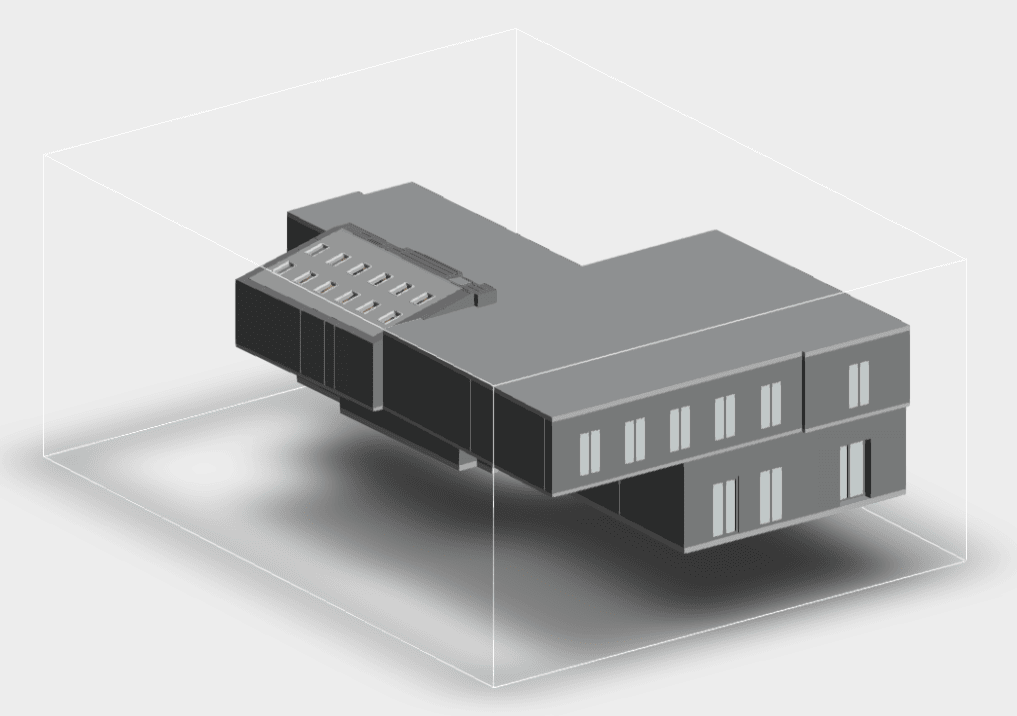
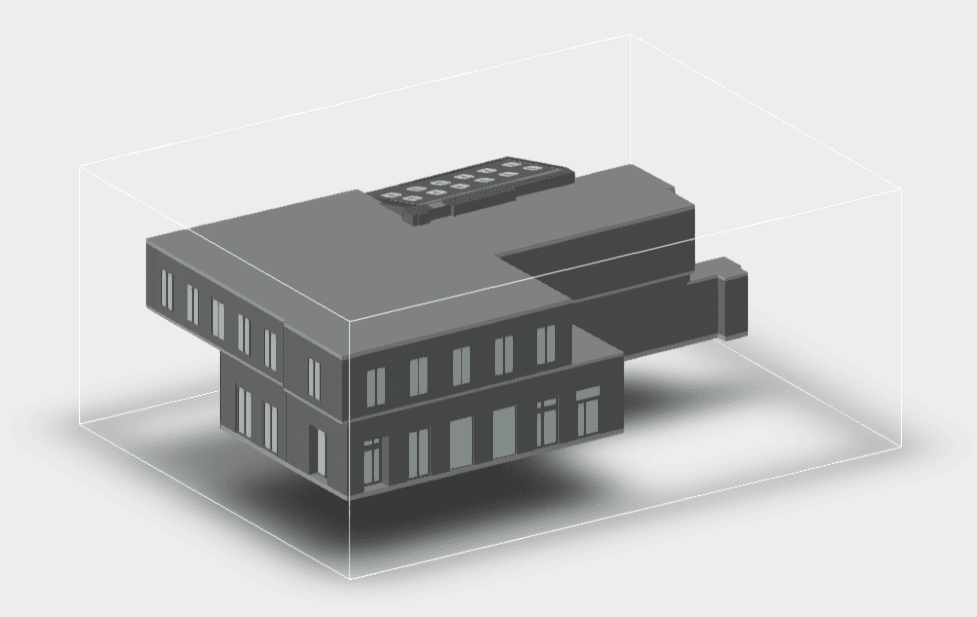
LiDAR, short for Light Detection and Ranging, is an advanced remote sensing method that utilizes laser pulses to measure distances with exceptional precision. A LiDAR system emits thousands, sometimes millions, of laser beams per second. The laser pulses reflect off surfaces and travel back to the sensor, where the time taken for each pulse to return is calculated. The time-of-flight information is processed to determine distances, enabling the creation of a highly detailed 3D map of the scanned environment. 

LiDAR systems typically consist of three main components:

  • Laser Scanner: Emits laser pulses and captures the returning signals. 
  • GPS Receiver: Tracks the exact location of the LiDAR system during the scan. 
  • Inertial Measurement Unit (IMU): Monitors the system’s orientation, ensuring that data remains accurate even if the equipment moves. 

These components function in unison to produce a dense “point cloud”, comprising millions of data points that accurately depict the scanned environment. Each point in the cloud corresponds to a precise coordinate in space, capturing every nook and cranny of the property with incredible detail. 

Aerial LiDAR scan of winding mountain roads, showcasing detailed terrain mapping and cloud-covered landscapes.

LiDAR can be deployed in various ways depending on the scale and purpose of the inspection: 

  • Ground-Based LiDAR: Mounted on tripods or mobile vehicles for detailed scans of specific structures or interiors. 
  • Aerial LiDAR: Mounted on drones or aircraft to cover larger areas, such as industrial facilities or sprawling commercial campuses. 
  • Handheld LiDAR: Portable devices that allow for quick and targeted data collection in tight or hard-to-reach spaces. 

Unlike traditional measuring tools, LiDAR doesn’t require physical contact with the object being scanned, making it ideal for inspecting hazardous or inaccessible areas. It’s also unaffected by lighting conditions, meaning it can capture data in low-light environments or even complete darkness. 

The versatility of LiDAR has made it a go-to solution for tasks like topographical mapping, urban planning, and now, commercial real estate inspections. By offering unparalleled accuracy and efficiency, LiDAR ensures that property evaluations are based on the most reliable data available. 

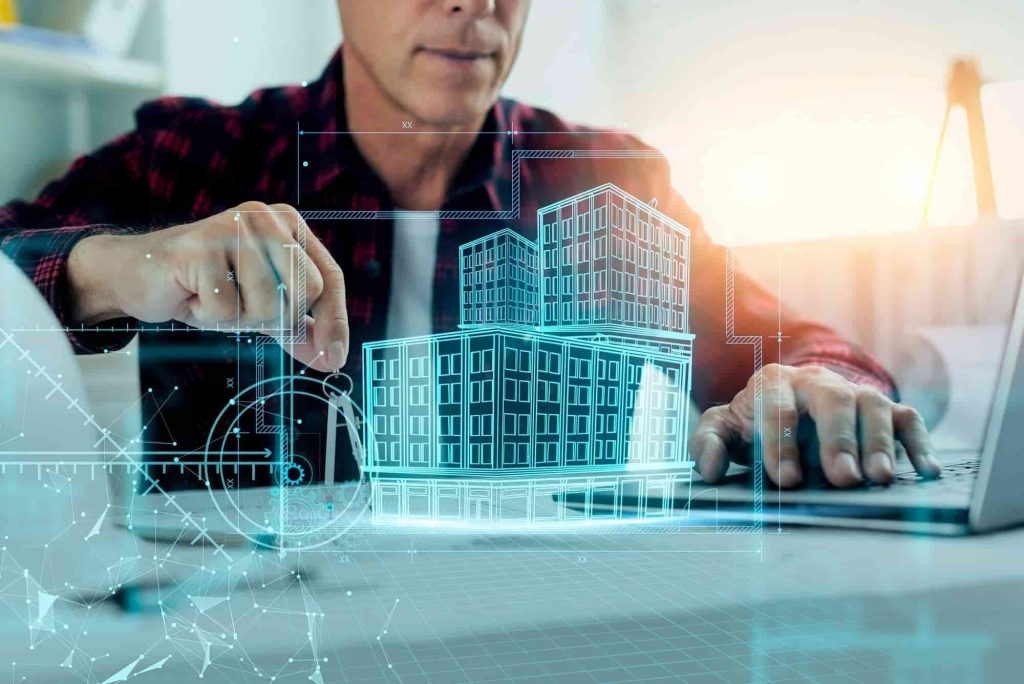
LiDAR technology for real estate inspections displayed on a tablet and computer, showcasing 3D building modeling.

The Benefits of Using LiDAR for Commercial Property Inspections 

1. Precision Like Never Before

LiDAR delivers accuracy on a millimeter scale, allowing inspectors to measure structural elements with incredible detail. This ensures that property evaluations are based on reliable data, minimizing errors and oversights. 

2. Fast and Efficient Inspections

Inspections that would traditionally take days can be completed in a matter of hours using LiDAR. This time efficiency is especially valuable for large commercial properties, where manual inspections could be prohibitively time-consuming. 

3. Comprehensive Coverage

Unlike conventional methods that rely on spot-checks or sample measurements, LiDAR scans the entire property. This comprehensive method guarantees that every area is accounted for, from rooftop HVAC units to basement utility systems. 

4. Digital Documentation

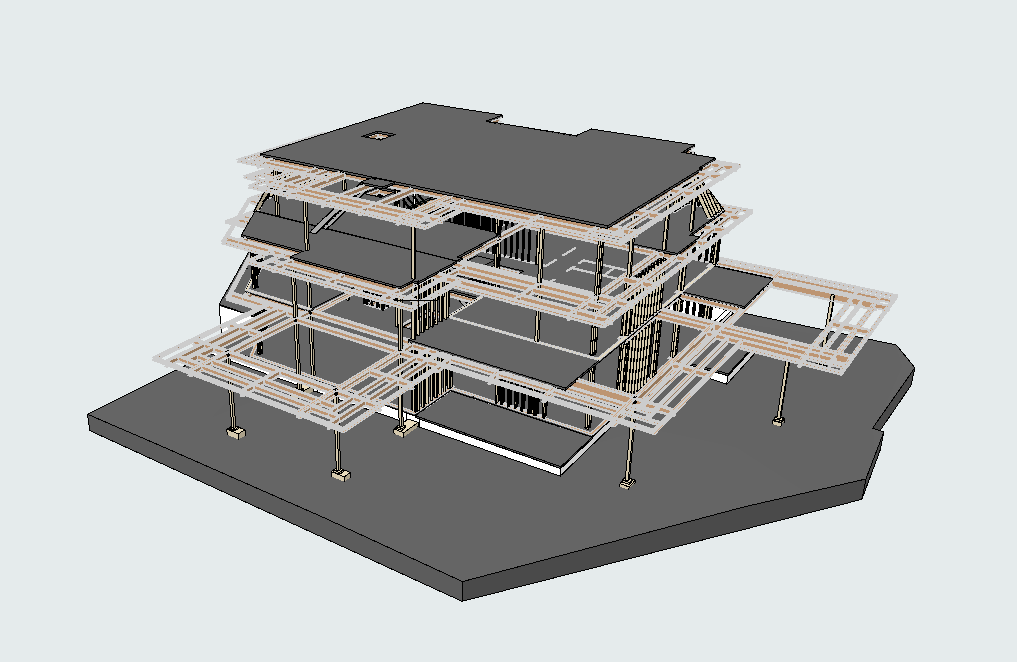
LiDAR creates digital “point clouds” that represent the property in 3D. These digital models can be saved, shared, and reviewed over time, providing a lasting record of the building’s condition during the inspection. 

5. Safer Inspection Processes

For buildings with inaccessible areas or hazardous conditions, LiDAR provides a safer alternative. Inspectors can gather data remotely without needing to climb scaffolding or navigate unstable structures. 

Applications of LiDAR in Commercial Real Estate 

  • Structural Assessments: LiDAR excels at identifying structural issues such as cracks, misalignments, or wear and tear. By comparing scans over time, property managers can monitor the progression of potential problems and address them before they escalate. 
  • Pre-Purchase Inspections: For buyers investing in commercial properties, knowing exactly what they’re purchasing is critical. LiDAR offers a thorough and detailed assessment of a building’s condition, enabling buyers to make well-informed decisions. 
  • Renovation Planning: When planning renovations, having an accurate 3D model of the property can be invaluable. Architects and contractors can use LiDAR data to visualize their designs, identify challenges, and avoid costly mistakes. 
  • Compliance with Regulations: Many jurisdictions require detailed documentation for commercial properties, particularly during changes of ownership or major renovations. LiDAR streamlines the report creation process and guarantees compliance with regulatory standards. 
  • Space Optimization: In retail or office spaces, LiDAR data can be used to evaluate layouts and optimize space usage. For example, understanding how floor plans interact with natural light or HVAC systems can inform design decisions. 

LiDAR in Action: Real-World Examples 

  • Office Complex Inspections: A detailed inspection utilizing LiDAR was conducted on a multi-story office building located in an urban area. The scan identified uneven settling in the foundation and provided precise measurements to engineers for corrective action.
  • Warehouse Space Utilization: A distribution center used LiDAR to optimize its storage layout. The scans revealed areas with underutilized vertical space, allowing for the installation of additional shelving systems. 
  • Historic Building Preservation: LiDAR was used to document a historic theater before a major restoration project. The scans ensured that the restoration adhered to the original architectural details while meeting modern building codes. 

How LiDAR Fits Into the Future of Real Estate Inspections 

LiDAR technology mapping urban buildings and green spaces on a tablet, showcasing future applications in real estate inspections.

As technology continues to advance, the real estate industry is embracing tools that make inspections smarter and more efficient. LiDAR stands at the leading edge of this transformation. Its ability to deliver fast, accurate, and comprehensive data makes it an essential part of the toolkit for property inspectors, architects, and engineers. 

By integrating LiDAR into real estate inspections, professionals can address challenges proactively, improve safety, and ultimately make better decisions. Whether for a routine inspection, a major renovation, or a pre-purchase evaluation, LiDAR is proving to be a game-changer. 

Conclusion 

LiDAR technology is more than just a tool for modern real estate inspections—it’s a paradigm shift. Its accuracy, speed, and adaptability make it an essential tool for professionals in the commercial property industry. From structural assessments to digital documentation, the applications of LiDAR are vast and continually expanding. 

By staying informed about advancements like LiDAR, property managers, developers, and investors can position themselves at the cutting edge of the industry. The future of real estate inspections has arrived, driven by the power of light.

Check our activity on:

3D Scanning Technology in Architecture 

In today’s architectural landscape, accuracy, speed, and flexibility have become essential. Traditional measurement methods, while effective in the past, often lack the precision needed for modern designs, leading to costly errors and delays. 3D scanning technology in architecture has emerged as a game-changing solution, empowering professionals to design and renovate with confidence.

ScanM2 provides cutting-edge laser scanning services across the U.S., helping architects, engineers, and construction teams leverage the power of accurate digital data for smarter decision-making and enhanced project outcomes.

The Role of 3D Scanning in Modern Architecture

Modern architecture demands more than just creativity—it requires precision, efficiency, and adaptability to various project challenges. 3D scanning in architecture plays a vital role in addressing these demands by offering highly detailed spatial data that supports every phase of a project, from initial concept to final construction.

Transforming Design Accuracy

Imagine starting a project with every structural detail accurately captured, from wall angles to ceiling heights. Laser scanning for building design ensures a perfect match between your conceptual design and the physical structure by capturing millions of measurement points in a matter of minutes. This detailed data eliminates guesswork and allows architects to make informed design choices with confidence.

Enhancing Renovation Accuracy

Renovations often involve working with older buildings that lack updated documentation. This can lead to unforeseen issues during construction.

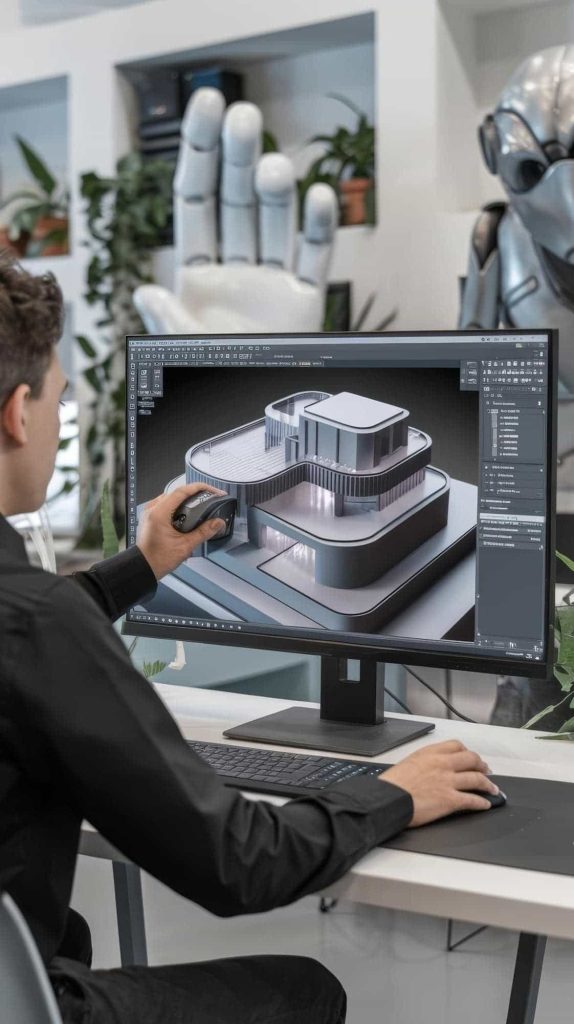
Architect designing a modern building using 3D scanning technology and CAD software for precise building design and renovation.

3D technology for building renovation addresses these challenges by creating a complete digital record of the existing structure, even in complex or hard-to-access areas. Scans can reveal hidden issues such as structural deformations, helping architects adjust plans before work begins.

Key benefits for renovation projects include:

  • Reduced risk of errors: Fewer surprises during construction.
  • Faster project timelines: Minimized rework due to improved planning.
  • Better client collaboration: Visual models make it easier to explain design concepts.

By offering precise data early in the process, scanm2.com empowers renovation teams to maintain historical integrity while upgrading functionality.

Supporting Construction with Precise Measurements

During the construction phase, 3D scanning ensures each element fits as planned. Contractors can verify alignment, confirm material quantities, and reduce waste, ultimately saving both time and budget. This level of accuracy helps keep projects on track and within budget.

Integrating Laser Scanning with BIM and CAD

Building Information Modeling (BIM) and Computer-Aided Design (CAD) have transformed modern architecture by allowing teams to create and share digital models of structures. However, these models are only as accurate as the data they’re based on. Laser scanning for BIM and CAD ensures these models are grounded in reality.

How Laser Scanning Enhances BIM Workflows

BIM relies on comprehensive datasets that represent real-world conditions. Laser scanning data can be directly imported into BIM platforms, allowing architects and engineers to work with an exact digital twin of the structure. This ensures design elements align perfectly with the existing building.

Key Advantages for BIM Integration:

  • Clash Detection: Identify conflicts between structural and mechanical systems before construction.
  • Progress Monitoring: Compare scans from different stages of construction to ensure progress aligns with plans.
  • Facility Management: Once the building is complete, the data can assist in long-term maintenance and future renovations.

Laser Scanning for CAD Precision

CAD software uses the data from laser scans to create accurate 2D and 3D drawings, essential for construction documentation. This integration ensures that technical drawings reflect the true dimensions of the structure, minimizing measurement discrepancies.

At scanm2.com, we specialize in converting point cloud data into BIM and CAD-compatible formats, ensuring a smooth workflow for your entire design and construction process.

The Point Cloud Advantage in Architectural Design

What Is a Point Cloud?

A point cloud is a collection of millions of points captured during a 3D laser scan. Each point represents a precise location on the surface of a structure, collectively forming a detailed, three-dimensional map of the space.

Why Point Clouds Matter:

  • Extreme Precision: Captures fine details down to millimeter accuracy.
  • Comprehensive Data: Covers entire structures, including hard-to-measure areas.
  • Visualization Power: Creates highly detailed 3D representations for planning and presentations.

How Architects Use Point Clouds

Point clouds serve as the foundation for multiple stages of architectural projects, including:

  • Design Validation: Ensure proposed designs fit within existing conditions.
  • Structural Assessment: Identify deformations or structural issues in older buildings.
  • Interior Layout Planning: Plan furniture, fixtures, and custom elements with confidence.

Scanm2.com helps architects harness the full potential of point clouds, turning raw scan data into actionable models that drive project success.

Real-World Applications of 3D Scanning in Architecture

The benefits of 3D scanning aren’t just theoretical—they’ve been transforming architectural projects across the U.S.

  • Large-Scale Construction Projects
    For massive developments, such as commercial complexes and multi-story buildings, laser scanning ensures every component fits together seamlessly. Architects and project managers can validate each construction phase against the original design, reducing costly delays.
  • Historic Preservation
    Restoring historic buildings often requires balancing preservation with modern compliance standards. 3D scanning captures every detail, from ornamental carvings to structural imperfections, allowing for sensitive restoration planning.
  • Custom Architectural Designs
    Bespoke designs, such as luxury homes and unique commercial spaces, demand exceptional accuracy. 3D scans provide the data needed for fully customized floor plans, wall placements, and architectural features.
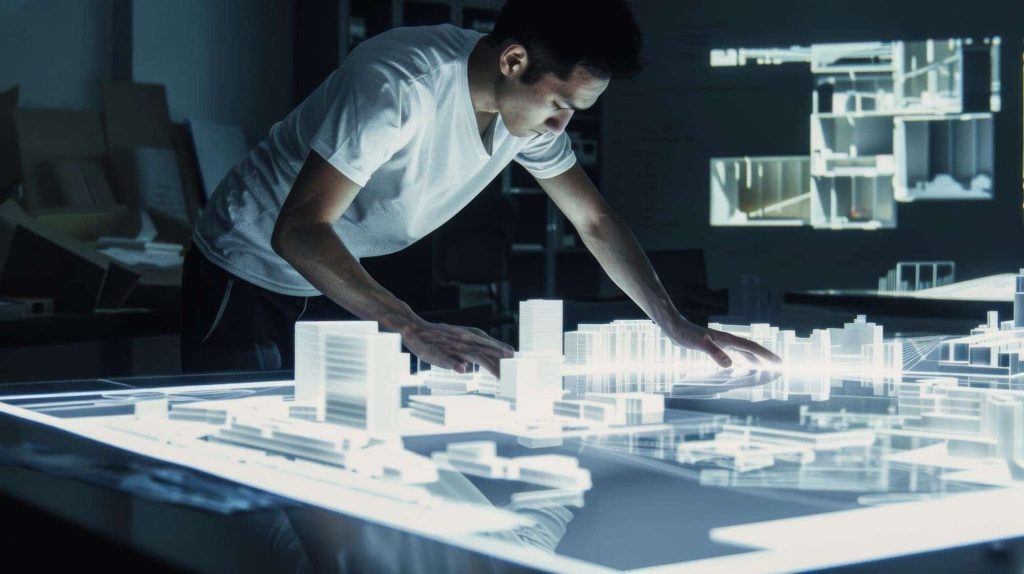
Architect working with a digital 3D city model using advanced 3D scanning technology for architectural planning and design.

Shaping the Future of Architecture with 3D Scanning

As the architectural industry continues evolving, the need for advanced tools to enhance design accuracy and efficiency grows. 3D scanning technology has become an essential asset, offering unparalleled precision from the design phase through construction and renovation.

By partnering with scanm2.com, architectural professionals gain access to industry-leading laser scanning services tailored for complex projects across the U.S. Our expertise ensures that your designs are supported by accurate data, helping you build smarter, faster, and with greater confidence.

Explore the possibilities of 3D scanning in architecture. Visit scanm2.com today to learn how our technology can bring your next project to life.

Check our activity on:

Benefits of Laser 3D Scanning for Restoring Fire-Damaged Buildings

Restoring a building after fire damage can be overwhelming, requiring careful assessment and planning to ensure a safe and effective reconstruction process. Traditional methods often fall short in capturing the full extent of damage, leading to delays and additional costs. Fortunately, laser 3D scanning has transformed how fire-damaged buildings are assessed and documented, offering a more precise and efficient solution.

Laser 3D scanning enables the creation of highly accurate digital representations of fire-affected structures. This non-invasive technology captures every detail of a building’s geometry, damage extent, and structural integrity, helping restoration professionals make informed decisions. From residential properties to large commercial buildings, this modern approach streamlines the entire recovery process.

What is Laser 3D Scanning for Fire Restoration?

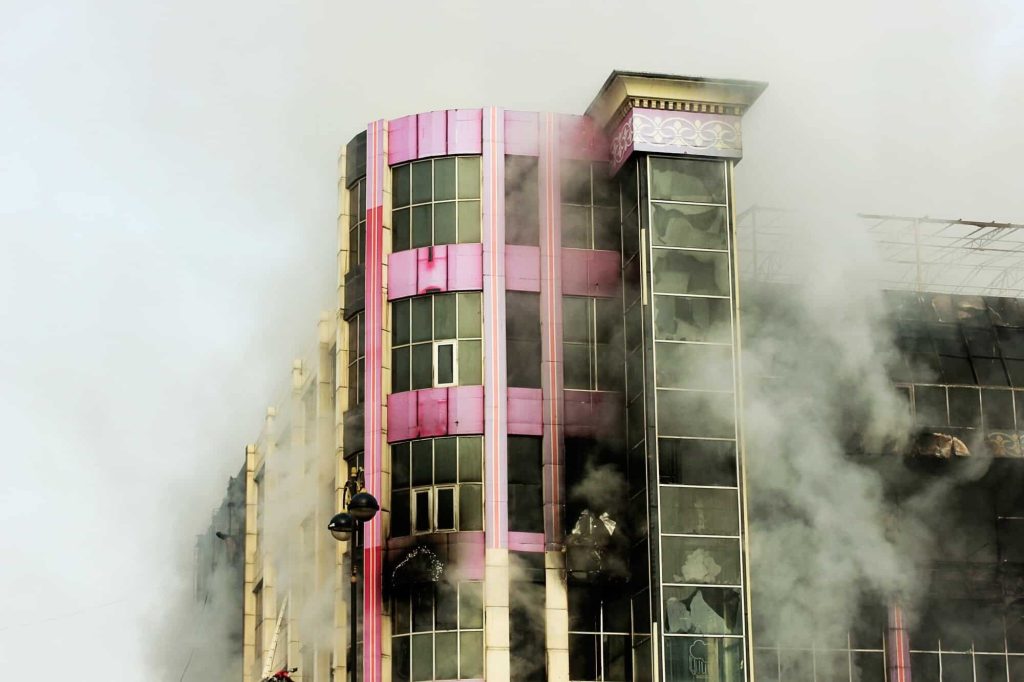
Severely fire-damaged high-rise building with visible smoke, ideal for fire damage assessment and restoration planning using laser 3D scanning.

Laser 3D scanning is an advanced surveying technology used to capture the exact dimensions and conditions of a space in a highly detailed digital format. It works by emitting laser beams that measure distances to surfaces, creating a data set known as a point cloud.

This point cloud forms a precise digital replica of the scanned environment, making it an invaluable tool in restoration projects.

In fire-damaged buildings, laser scanning allows experts to capture every surface, structure, and material affected by fire, including hard-to-reach or hazardous areas. This data is not limited to visible damage; it also reveals structural deformations and warping that might be difficult to identify with the naked eye.

By using this method, restoration teams gain a comprehensive view of the building’s condition without the need for invasive inspections, reducing safety risks and preserving fragile areas. The technology can also scan through soot and smoke damage, ensuring no area is overlooked during assessment.

The Benefits of 3D Scanning in Reconstruction Projects

Restoring fire-damaged structures requires precision and accuracy at every stage, from damage assessment to final repairs. Laser 3D scanning offers several benefits that make it a superior choice for reconstruction projects:

  • Accurate Fire Damage Assessment: Precise measurements of the entire building are captured within millimeters of accuracy. This level of detail helps restoration teams identify compromised structures and areas needing reinforcement, ensuring nothing is overlooked during the planning process.
  • Enhanced Planning and Design: A detailed 3D model generated from the scan allows architects, engineers, and contractors to create accurate reconstruction plans. With reliable data, they can design blueprints tailored to the building’s exact dimensions, reducing the risk of design errors and rework.
  • Cost Management and Resource Optimization: By identifying the extent of damage with precision, restoration professionals can prioritize repairs and avoid unnecessary material use. This targeted approach reduces waste, keeps costs under control, and helps maintain project timelines.
  • Improved Safety: Laser scanning minimizes the need for manual inspections in unstable or hazardous environments. Restoration teams can assess fire-damaged buildings remotely using the data collected, reducing the risk of injury.
  • Comprehensive Documentation for Insurance and Compliance: A full digital record of the fire damage provides essential documentation for insurance claims, renovation permits, and legal compliance. The ability to reference a detailed model ensures transparency and simplifies the claims process.

Why Choose Laser 3D Scanning for Your Fire Restoration Needs?

When dealing with fire damage, having reliable data is essential for making informed decisions during the restoration process. Laser 3D scanning offers a level of accuracy and efficiency that surpasses traditional inspection methods, making it particularly valuable for complex reconstruction projects.

3D model of a residential building interior for restoration planning and laser 3D scanning.
  • Faster and More Comprehensive Data Collection: Unlike manual measurements that can take days or even weeks, laser scanning captures an entire building in a matter of hours. The data is immediately available for review, speeding up the entire assessment phase.
  • Superior Accuracy for Informed Decisions: With data collected at millimeter precision, restoration teams can identify structural weaknesses and hidden damage that might otherwise go unnoticed. This level of detail reduces the risk of structural oversights and unexpected project delays.
  • Reduced Disruption During Assessment: Because laser scanning is a non-contact method, it minimizes the need for physical access to unsafe or fragile areas. The technology works from a distance, capturing structural data without further disturbing the damaged site.
  • Long-Term Reference for Maintenance: The data captured during fire restoration can serve as a long-term reference for future maintenance and renovations. Building owners and restoration professionals can revisit the digital model for insights on the original structure and post-restoration modifications.

Real-World Application of Laser 3D Scanning for Fire Restoration

Consider a multi-story office building heavily damaged by fire. The restoration team needed to assess structural stability while preserving the historical features of the property. Using laser 3D scanning, the entire building was captured, highlighting damaged areas, weakened supports, and intact architectural elements.

This comprehensive data allowed architects to design reconstruction plans that prioritized both structural safety and historical accuracy. As a result, restoration work progressed more efficiently, with fewer delays and minimal disruption to the preserved sections of the building.

Architects reviewing building plans at a workspace, ideal for reconstruction planning using laser 3D scanning data.

How to Use Laser 3D Scanning Effectively in Fire Restoration Projects

For restoration professionals seeking to incorporate laser scanning technology, the following steps can ensure maximum effectiveness:

  • Initial Damage Assessment:
    Start with a complete 3D scan of the fire-damaged building to establish a baseline for the extent of damage. This will help in determining structural weaknesses and planning stabilization efforts.
  • Collaborate with Design and Engineering Teams:
    Share the point cloud data and 3D models with architects and engineers early in the restoration process. This collaboration ensures design decisions are based on the most accurate data available.
  • Use the Data for Ongoing Monitoring:
    If repairs take place in phases, periodic scanning can track progress and ensure restoration work aligns with the original plans.
  • Maintain a Digital Record for Future Reference:
    Retain the scanned data even after restoration is complete. It can serve as a critical resource for future renovations, insurance claims, or maintenance planning.

By leveraging laser 3D scanning throughout the fire restoration process, professionals can ensure projects are completed with greater accuracy, safety, and cost-efficiency.

Check our activity on:

How As-Built Services Simplify Interactions with Insurance Companies

Navigating the complexities of insurance claims can feel overwhelming, especially when you’re required to provide precise documentation under tight deadlines. Whether you’re dealing with damages caused by a natural disaster, undergoing renovations, or ensuring accurate records for policy adjustments, having reliable documentation is critical. As-Built services offer an innovative solution to streamline the process, saving time, reducing stress, and providing clarity for all parties involved.

This article explores how As-Built services simplify insurance-related processes and why they’re becoming an essential tool for property owners, insurance professionals, and adjusters alike.

Why Accurate Documentation is Essential in Insurance

For insurance companies, accurate property documentation is a cornerstone of their decision-making process. Whether it’s assessing risk, determining policy terms, or evaluating a claim, they rely on detailed records to make informed decisions. Without precise documentation, miscommunications can arise, leading to delays, disputes, or even rejected claims.

Imagine a scenario where a property suffers water damage after heavy rainfall. Photographs and verbal descriptions might highlight the immediate issues but fail to capture underlying structural concerns. With As-Built services, insurers receive comprehensive and accurate data, including floor plans, measurements, and 3D models, offering a clear, unbiased picture of the damage.

How As-Built Services Streamline the Insurance Claims Process

The claims process often involves multiple steps, from reporting damages to negotiating settlements. As-Built services simplify this process by providing the essential documentation needed to move forward efficiently. Here’s how:

Team reviewing As-Built documentation and architectural plans for accurate insurance claims.
  • Precise Measurements and Data
    As-Built services use advanced laser scanning to capture a property’s dimensions and condition with unparalleled accuracy, ensuring no detail is overlooked.
  • Enhanced Transparency
    By offering objective, detailed records, As-Built documentation reduces the chances of disputes and builds trust between property owners and insurers.
  • Accelerated Claims Resolution
    With all necessary data readily available, insurance companies can assess damages quickly, leading to faster claim approvals and reduced downtime for property owners.
  • Comprehensive Records
    As-Built drawings and models serve as a permanent record of a property’s state, useful not only for current claims but also for future disputes or policy adjustments.

Beyond Claims: The Broader Value of As-Built Documentation

While the immediate benefits of As-Built services are evident during insurance claims, their value extends far beyond these situations. Property owners and businesses can leverage As-Built documentation in several ways:

  • Policy Underwriting and Renewals
    Insurance companies often require detailed property records when issuing or renewing policies. As-Built documents provide an accurate depiction of the property’s structure, ensuring appropriate coverage without unnecessary costs.
  • Risk Assessment and Prevention
    Detailed As-Built data allows property owners to identify potential risks, such as structural vulnerabilities, and address them proactively. This reduces the likelihood of damage and the need for future claims.
  • Facilitating Renovations
    During renovations or upgrades, As-Built documentation serves as a reliable reference point, helping both property owners and insurers understand the scope of changes and assess risks accurately.
  • Digital Archives for Property Management
    As-Built services create a digital record that property owners can maintain for years. This is invaluable for long-term management, especially when disputes or maintenance needs arise.

By extending their use beyond insurance claims, As-Built services prove to be a versatile and long-term investment for property owners.

The Future of Insurance Documentation with As-Built Services

As technology evolves, so does the insurance industry’s approach to documentation. Traditional methods, such as paper records and static photographs, are giving way to more advanced solutions like 3D models, digital point clouds, and laser scans. This shift is not just about modernization—it’s about meeting the increasing demand for accuracy, speed, and efficiency.

In the future, As-Built services may become the industry standard for property documentation. Their ability to capture every detail with millimeter precision makes them indispensable for claims, risk assessments, and policy creation. Additionally, the integration of As-Built data with other emerging technologies, such as AI and predictive analytics, could further enhance the insurance process.

For property owners, adopting As-Built services today means staying ahead of the curve. As insurers begin to expect more detailed and reliable documentation, having access to this technology ensures that you’re prepared for any eventuality.

Team discussing insurance documentation with a focus on accuracy and collaboration in a professional setting.

Rethinking the Role of Documentation in Insurance Interactions

The role of accurate documentation in the insurance process cannot be overstated. As-Built services provide the tools to streamline claims, reduce disputes, and facilitate smoother communication between property owners and insurers. They also empower property owners with reliable data that serves as a long-term asset.

When you think about insurance interactions, it’s clear that preparation is key. As-Built services allow property owners to stay organized, informed, and confident when dealing with insurers. This isn’t just about resolving claims faster—it’s about transforming the way we approach property management and risk assessment.

By embracing precise documentation methods today, property owners set the stage for smoother, more efficient insurance processes tomorrow. Whether you’re dealing with an immediate claim or planning for the long term, As-Built services offer a foundation of accuracy and reliability that benefits everyone involved.

Check our activity on:

Restoring Buildings After a Fire: Why As-Built Services Are a Must-Have

Rebuilding a structure following a fire is a complicated and demanding process. Whether the fire has caused significant structural damage or left behind less visible but equally damaging issues, rebuilding requires careful planning and precise execution. One of the most essential services during fire restoration is the As-Built service. This service provides accurate, up-to-date documentation of the building’s condition, serving as a critical tool for ensuring the success of the restoration process.

At ScanM2, we focus on laser 3D scanning and As-Built solutions, delivering precise and comprehensive documentation for buildings affected by fire damage. Our services enable architects, engineers, and contractors to work with precise data, ensuring the building’s restoration is done with minimal risks and maximum efficiency.

Why As-Built Documentation Is Crucial in Fire Restoration

When it comes to fire restoration, having accurate As-Built documentation is vital. As-Built documentation refers to detailed drawings, 3D models, and point clouds that reflect the true state of a building, including its structure and layout, after a fire. These documents are not only useful for design and construction purposes but also help identify potential hazards and weaknesses in the building’s structure.

Here’s why As-Built services are indispensable during fire restoration:

Architects reviewing As-Built plans for fire restoration with accurate 3D data and laser scanning documentation.
  • Accurate Representation of the Existing Structure
    After a fire, much of the building’s original structure may be compromised. With As-Built services, you get a precise representation of the building as it stands, highlighting areas of damage and structural integrity. This ensures that all work done to restore the building is based on current, accurate information.
  • Comprehensive and Detailed Data
    Laser scanning provides highly detailed data, capturing every aspect of a building, including hard-to-reach areas. This allows architects and contractors to assess the building’s condition thoroughly and make informed decisions about what needs to be repaired or rebuilt.
  • Design Accuracy
    Restoration work requires accurate measurements and precise layouts. As-Built documentation offers accurate floor plans and elevation views, helping design professionals visualize how the restoration should proceed. This minimizes errors and allows for more efficient planning and execution.
  • Adherence to Building Regulations and Safety Requirements
    Restoration after a fire must comply with strict building regulations and safety protocols. With As-Built documentation, you have a solid reference for ensuring compliance with these regulations. The data gathered through laser scanning can be used to verify whether the structure needs reinforcing or if certain elements need to be replaced to meet current safety standards.
  • Faster Restoration Process
    The use of As-Built services speeds up the restoration process. With accurate and up-to-date data at hand, contractors and architects can make quick decisions, avoiding the delays that often come with having to revisit or redo work due to inaccurate measurements or assumptions.

The Role of Laser Scanning in Fire Restoration

Laser scanning technology is essential for ensuring the precision of As-Built documentation. This technology creates a digital 3D representation of the building by scanning its surfaces with a laser. The resulting point cloud captures every detail, from the shape and dimensions of walls and ceilings to the positioning of windows and doors.

The precision of laser scanning ensures that every element of the building is documented to the highest standard. This data is invaluable during fire restoration, as it allows restoration teams to view the building in a virtual environment before any physical work is done. This way, teams can plan their approach with full knowledge of the building’s existing conditions, leading to more efficient and effective restoration.

How As-Built Services Help in Rebuilding After Fire Damage

1. Identifying Structural Issues Early On

Engineers reviewing As-Built plans to identify structural issues during fire restoration.

A primary step in the post-fire rebuilding process is evaluating the structural stability of the building. Fire can cause severe damage to load-bearing elements like beams, columns, floors, and the roof, and often, the damage is not immediately visible. This is where As-Built services, including laser scanning, come into play.

Laser scanning provides a detailed 3D map of the building’s current condition, capturing not just the visible aspects but also any internal damage that may not be easily noticeable. This allows engineers and contractors to identify areas that require reinforcement or replacement before starting the rebuilding process. This early detection of structural issues ensures that repairs are done efficiently and minimizes the risk of unforeseen problems arising during the restoration.

By identifying critical issues early, As-Built services help reduce the need for costly rework and additional repairs later on, leading to significant time and cost savings.

2. Rebuilding with Precision and Accuracy

Once structural issues have been identified, the next step in the restoration process is rebuilding the damaged areas. Rebuilding a fire-damaged structure requires precision in aligning new components with the existing structure. As-Built services provide the exact measurements needed to do this accurately.

For example, if fire damage has caused a part of the building to shift or deform, the 3D scans will highlight these changes, allowing contractors to design and install new structural components that fit perfectly. This precision ensures that the restored building remains stable, functional, and safe for its intended use.

Using As-Built documentation for rebuilding also allows contractors to align new materials and systems, such as HVAC, plumbing, and electrical systems, with existing ones. This reduces the chances of clashes between old and new systems and helps create a smoother, more efficient restoration process.

3. Planning for Future Safety and Upgrades

Architects reviewing As-Built plans for future safety planning in fire restoration.

Fire restoration doesn’t just restore the building to its original state; it’s also an opportunity to plan for future improvements and safety enhancements. As-Built documentation provides an essential reference for any upcoming renovations or improvements to the structure.

Whether it’s improving fire safety systems, updating infrastructure, or making the building more energy-efficient, the detailed data provided by As-Built services ensures that these changes are made in a way that respects the building’s existing structure and complies with current building codes.

Additionally, building owners can use the As-Built models to plan for the long-term maintenance and monitoring of the building. Accurate records of the building’s structure, systems, and components make it easier to manage maintenance schedules and ensure that the building remains in good condition for years to come.

4. Facilitating Communication Among All Stakeholders

Effective communication is key to the success of any restoration project, and As-Built services help ensure that all stakeholders are on the same page. With 3D models and accurate floor plans, architects, engineers, contractors, and building owners can collaborate more effectively.

For example, a contractor can use the 3D model to explain the scope of the work to the building owner, ensuring that everyone understands the restoration plans. Architects can make changes to the design based on the As-Built data, while engineers can review the data to assess whether additional structural supports are necessary. The ability to visualize the building from every angle creates a shared understanding that minimizes miscommunication and mistakes.

The Benefits of Choosing ScanM2 for Fire Restoration

At ScanM2, we understand the importance of precision and accuracy when it comes to fire restoration. Our laser 3D scanning services provide high-quality As-Built documentation that helps speed up the restoration process and ensures the building is rebuilt safely and according to the highest standards.

We specialize in creating detailed 3D models, point clouds, and floor plans that provide all the necessary data for a successful fire restoration project. Whether you are a contractor, architect, or property owner, our services equip you with the necessary tools and knowledge for a successful and streamlined restoration process.

Conclusion

Rebuilding a structure after a fire is certainly a difficult task, but with the proper tools and resources, it becomes significantly more achievable. As-Built services are a crucial part of the restoration process, providing detailed and accurate documentation that guides every step of the rebuilding effort. From identifying structural issues early on to facilitating future upgrades, As-Built documentation ensures that the restoration is done correctly and efficiently.

At ScanM2, we specialize in offering high-quality laser 3D scanning services that produce accurate As-Built documentation for fire restoration efforts. Our detailed 3D models and point clouds offer the accurate data needed for rebuilding after fire damage, ensuring that the work is done safely, on time, and within budget.

By using our services, you not only ensure that your building is restored with the highest level of precision, but you also lay the foundation for its long-term safety and sustainability. Whether you’re a contractor, architect, or building owner, ScanM2’s As-Built services are a must-have resource for any fire restoration project.

Contact us today to learn more about how we can help you rebuild after fire damage with our accurate and reliable As-Built documentation.

Check our activity on:

Why Are As-Built Services Essential After a Fire? 

A fire has the power to transform everything in a moment. The heat, smoke, and water damage can leave not only emotional scars but physical devastation that makes rebuilding feel overwhelming. Once the flames are out, the true challenge begins: repairing the property and restoring life to its usual rhythm. Yet, before a single beam is replaced or a wall is reconstructed, there’s a critical step that determines the entire success of the recovery process — As-Built services. 

As-Built services after a fire deliver accurate, comprehensive records of a structure’s existing state after sustaining damage. This information is the foundation for effective restoration, ensuring every decision made during reconstruction is informed, safe, and accurate. At scanm2.com, we specialize in delivering advanced laser scanning and As-Built services tailored for post-fire restoration, helping property owners and professionals rebuild with clarity and confidence. 

What Are As-Built Services and Why Do They Matter After a Fire? 

A large forest fire spreading rapidly with intense flames and thick smoke, capturing the destruction of trees and natural landscape.

Picture attempting to assemble a complicated puzzle where some pieces are missing. That’s what restoration efforts can feel like without the right data. As-Built services create a complete, data-rich picture of your property’s current condition, documenting all structural elements, damages, and modifications that occurred over time. 

After a fire, blueprints from the original construction may no longer reflect reality.

Walls may be compromised, support beams weakened, and utilities damaged. As-Built services after fire damage involve capturing detailed 3D scans, floor plans, and structural layouts that reveal the full extent of the damage and the areas that remain intact. 

This information serves as the foundation for well-informed decisions made by architects, engineers, and contractors as they map out the restoration process. 

The Role of As-Built Services in Post-Fire Restoration 

Fires don’t just cause visible damage; they compromise the very integrity of a building. What seems structurally sound might be weakened within. Without precise data, the risks of faulty restoration multiply. 

As-Built services act as a bridge between the aftermath and the future. By using advanced laser scanning technology, every detail of a damaged structure can be recorded with millimeter accuracy. This information serves several vital purposes: 

  • Damage Identification: Pinpointing compromised areas ensures no hidden damage goes unaddressed. 
  • Accurate Planning: Restoration teams can create informed strategies based on real conditions, not assumptions. 
  • Compliance Assurance: As-Built documentation supports compliance with building codes, ensuring repairs meet safety standards. 

Without this clarity, the restoration process could be delayed, compromised, or even unsafe. 

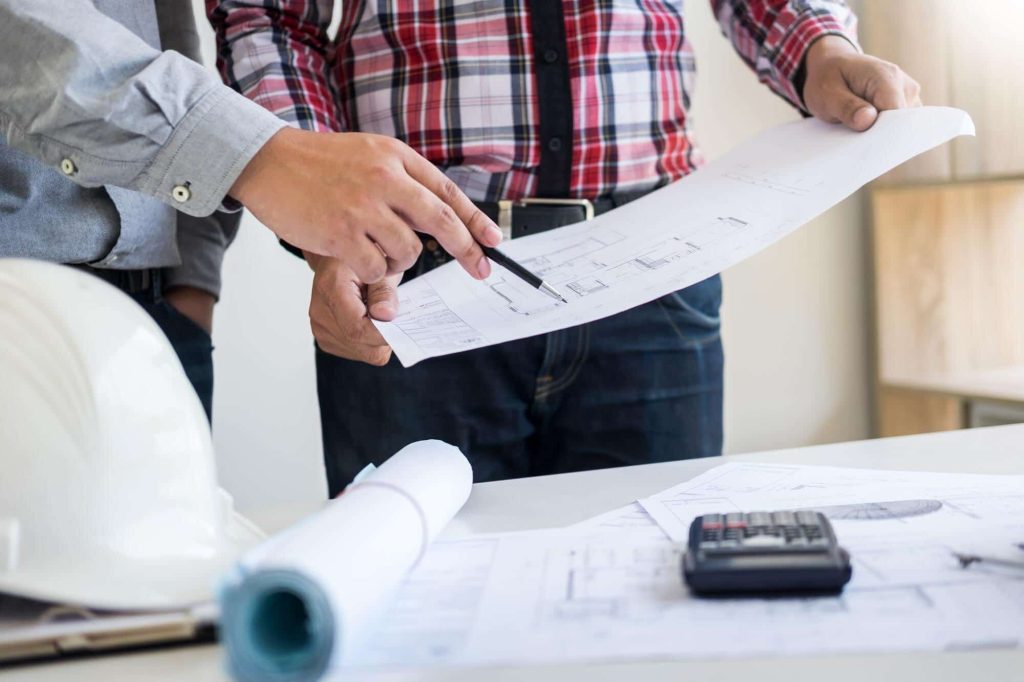
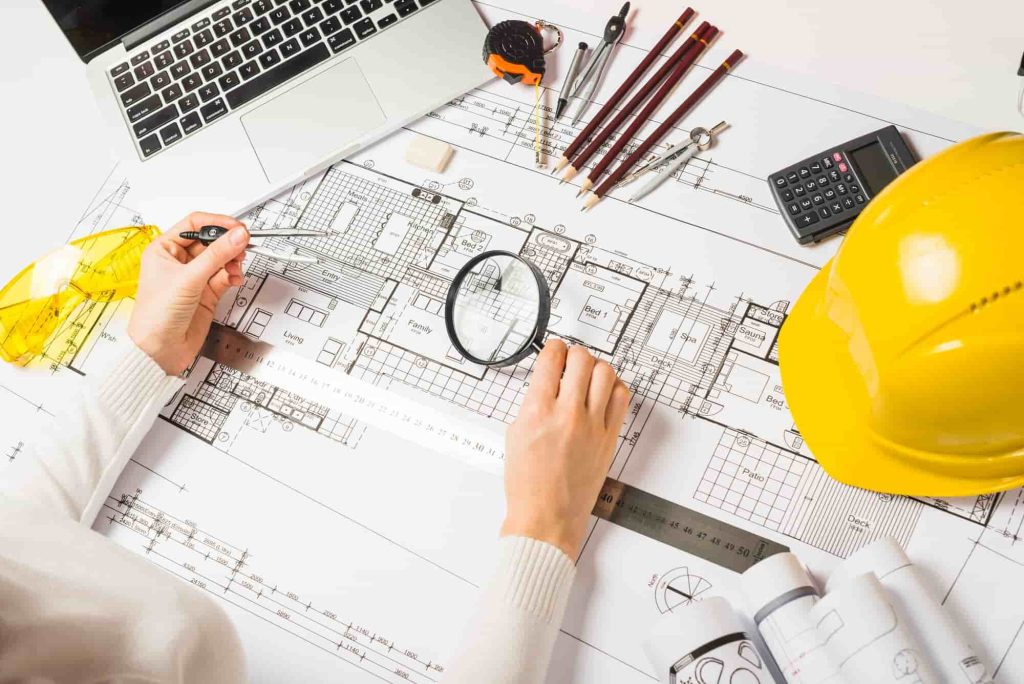
Architect reviewing building blueprints with tools, a hard hat, and a laptop, highlighting construction planning and design.

Real Benefits of As-Built Services After Fire Damage 

Beyond the technical accuracy, As-Built services bring tangible benefits that can make a world of difference during challenging times. Let’s explore how they directly impact post-fire recovery. 

1. Clear Documentation for Insurance Claims 

After a fire, insurance claims can feel like navigating a maze. Insurers demand precise evidence of damage, yet the chaos left behind often complicates the process. As-Built documentation provides undeniable proof of both the damage and the pre-existing conditions of the structure, ensuring a smoother claims process with fewer disputes. 

2. Minimizing Errors in Restoration Work 

Restoration without accurate plans is like building blindfolded. As-Built services eliminate guesswork by offering comprehensive floor plans, structural layouts, and damage mapping. This clarity minimizes the chance of expensive mistakes and allows contractors to operate efficiently from the outset. 

3. Restoring with Confidence 

Fires can be traumatic, and property owners deserve peace of mind when rebuilding. With As-Built services, decisions are backed by factual data, minimizing the risk of incomplete restorations or missed structural issues. It’s not merely about reconstructing — it’s about doing it correctly. 

Why Timing Matters: Acting Quickly After a Fire 

Time is a critical factor in fire recovery. The longer a building sits without proper assessment, the greater the risk of secondary damage like moisture buildup, mold growth, and further structural deterioration. Timely As-Built services ensure restoration efforts can begin without unnecessary delays, preventing further financial strain and safety hazards. 

At scanm2.com, our rapid-response laser scanning services capture the complete picture of fire damage swiftly, so restoration can move forward without delay. 

The scanm2.com Difference: Expertise in Post-Fire As-Built Services

At scanm2.com, we understand the complexities of post-fire recovery. Our specialized laser scanning technology allows us to create highly accurate As-Built documentation for damaged properties. We go beyond basic floor plans by delivering: 

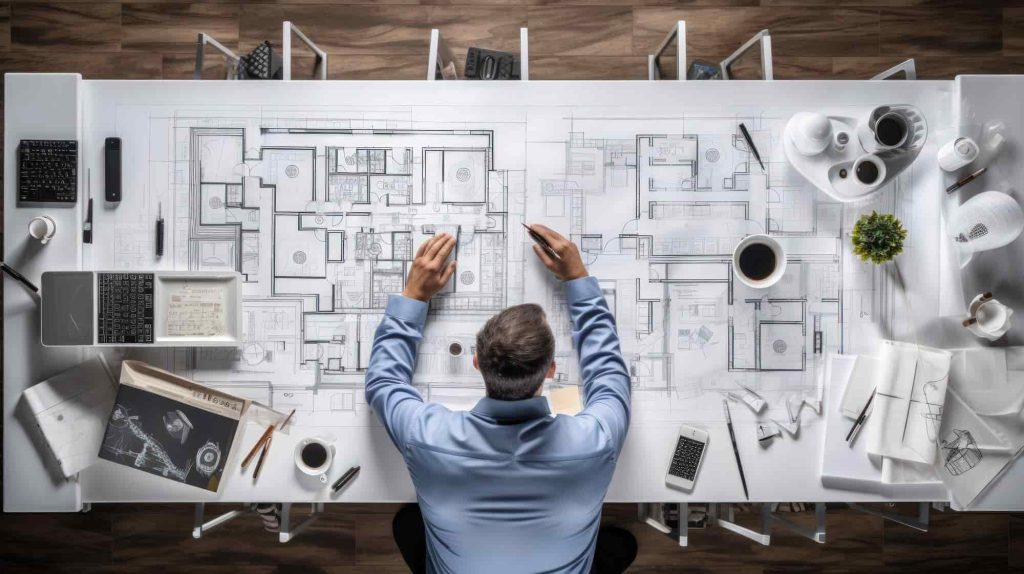
Engineers reviewing As-Built blueprints with drafting tools and a hard hat, focusing on restoration planning.
  • Detailed 3D Models: Capturing every dimension with precision for advanced restoration planning. 
  • Comprehensive Structural Assessments: Mapping both visible and hidden damage. 
  • Utility and Systems Mapping: Detailing the condition of electrical, plumbing, and HVAC systems. 

Our team works closely with property owners, restoration contractors, and insurance adjusters, ensuring a seamless recovery process based on clarity and trust. 

Conclusion: Building a Safer Future After a Fire 

Recovering from a fire is never easy, but the right tools and expertise can make the journey smoother. As-Built services after a fire provide the foundation for safe, efficient, and successful restoration. By documenting every detail of a building’s condition, they ensure accuracy in planning, clarity in insurance claims, and peace of mind for property owners. 

If you’re facing the challenges of post-fire restoration, let scanm2.com be your trusted partner. Our advanced laser scanning and As-Built documentation services offer the precision and reliability needed to rebuild with confidence.

Check our activity on:

How Interior Designers Can Use Laser Scanning to Transform Spaces

Interior design is the art of transforming spaces into functional, beautiful environments that reflect style, personality, and purpose. But even the most creative concepts can fall apart without precise measurements and a clear understanding of a space’s structure. Whether you’re designing a cozy loft, a sleek office, or renovating a historic home, the foundation of great design is data you can trust.

This is where laser scanning comes into play. It provides interior designers with a revolutionary way to capture a space in incredible detail, eliminating guesswork and enabling smarter design choices. From creating accurate room measurements to generating 3D floor plans, this technology is transforming how design professionals work.

At scanm2.com, we specialize in laser scanning services tailored for interior designers, helping them achieve perfection in their projects with reliable, data-driven insights.

What is Laser Scanning in Interior Design?

Modern interior design with abstract art and minimalist furniture, emphasizing 3D scanning for interior designers.

Laser scanning involves using advanced 3D laser technology to map the exact dimensions and features of a physical space. The process captures millions of data points to create a highly detailed “point cloud,” a digital replica of the environment.

The resulting data can be converted into 3D models, architectural drawings, or even interactive floor plans, all with unparalleled accuracy.

For interior designers, this level of detail is transformative, especially when working on projects where precision matters—like custom furniture layouts or the restoration of historical elements.

Rethinking Design: Why Accuracy Matters

In interior design, accuracy isn’t just a technical necessity—it’s the backbone of creative freedom. Without precise measurements, even the most stunning design concepts can fall apart during implementation. Imagine planning a luxurious living room only to discover that the custom-built shelves don’t fit the wall as expected, or that a chandelier is slightly off-center from the dining table.

These mistakes often stem from the use of manual measuring tools, where small errors compound into big problems. A few centimeters of miscalculation can lead to costly adjustments, wasted materials, and frustrated clients. Laser scanning eliminates these risks by capturing measurements with millimeter precision.

Why does accuracy matter so much in design?

  • Perfect Furniture Fit: Custom furniture designs rely on exact measurements. Laser scanning ensures designers have the precise room dimensions they need to create built-ins, shelving, or modular pieces that fit seamlessly.
  • Symmetry and Balance: Whether placing wall art, mirrors, or lighting fixtures, balance is key. Laser scanning provides data that allows designers to visualize placements and make data-backed decisions on positioning.
  • Efficiency in Renovations: In renovation projects, especially in older properties, walls might not be perfectly square, and floors might slope slightly. Scans reveal these quirks so designs can be adapted without costly surprises.

Imagine designing a high-end kitchen remodel. Every cabinet, appliance, and lighting fixture needs to align perfectly with the room’s architecture. Laser scanning ensures you have a complete understanding of the space, helping you avoid the “measure twice, cut once” dilemma altogether.

When you have complete confidence in your data, you can focus on creativity—crafting designs that work in harmony with the space, rather than designing around limitations.

Interior designer working on detailed floor plans, showcasing laser scanning and 3D floor plans for accurate room measurements.

Breathing Life into Your Vision

Interior design is about more than just measurements—it’s about creating spaces that evoke emotion, tell a story, and serve a purpose. Laser scanning becomes a powerful creative tool by allowing designers to move beyond technical constraints and focus on artistic expression.

Imagine working on a minimalist living room design where every piece of furniture plays a critical role in the visual balance. With a detailed digital scan, you can experiment with various layouts in a virtual model before making physical changes. Want to see how a mid-century coffee table interacts with a modular sofa? Or how shifting a bookshelf affects traffic flow? The answers are at your fingertips—before anything gets moved.

But the true magic happens when it comes to visualization and presentation.

  • Client Collaboration: Imagine presenting a virtual walkthrough of the proposed design to your client. They can explore the space digitally, providing feedback before a single piece of furniture is purchased.
  • Material Selection: Curious how a certain wood finish will look under natural light in the space? Laser scanning allows designers to test materials and textures in a 3D environment.
  • Customization Possibilities: With highly accurate data, you can plan custom-built pieces like shelving units, cabinetry, or architectural features with absolute confidence that they will fit flawlessly.

This level of visualization doesn’t just impress clients—it streamlines decision-making, reduces revision cycles, and helps designers bring their ideas to life more efficiently than ever.

The Power of 3D Floor Plans

3D floor plans are a designer’s best friend when working with laser scanning data. They transform raw point clouds into visually engaging, interactive models of the space.

But why are they so powerful?

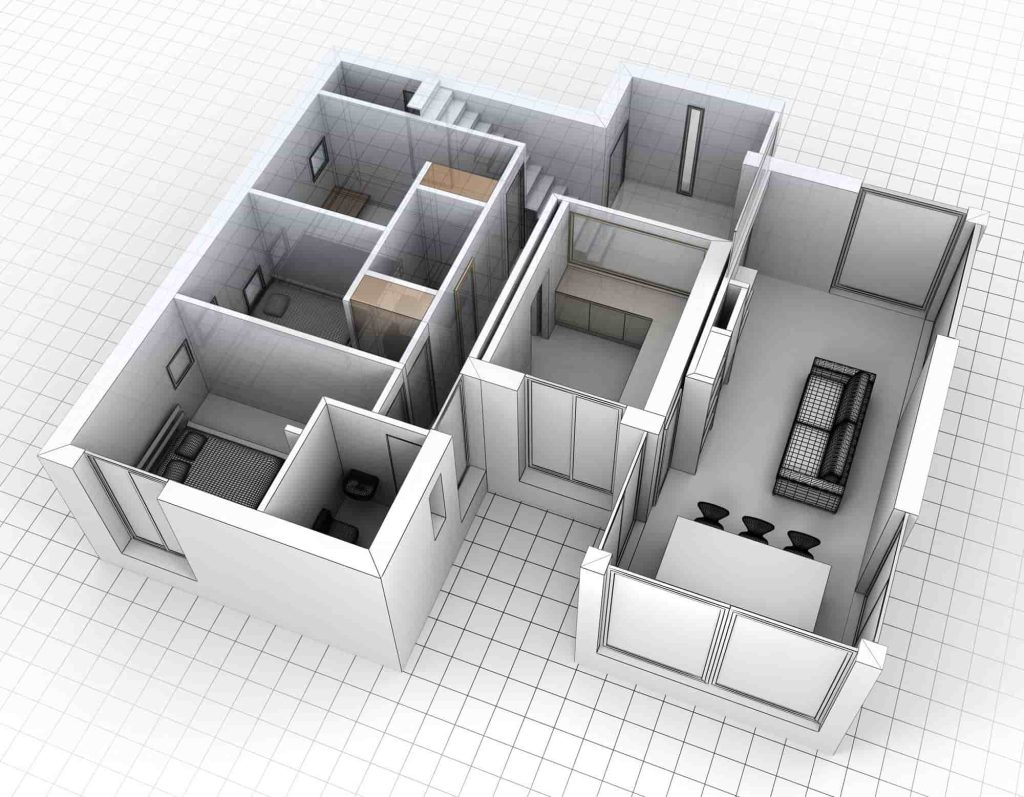
3D floor plan highlighting room layouts and furniture placement using laser scanning.
  • Enhanced Communication: A 3D floor plan bridges the gap between technical data and visual representation, making it easier to explain design concepts to clients and contractors.
  • Design Flexibility: By working in a 3D space, designers can explore different furniture arrangements, lighting setups, and color schemes with ease.
  • Space Optimization: Especially in compact spaces, 3D models help designers maximize functionality while keeping the space visually appealing.

These dynamic plans help clients truly “see” the vision before construction or remodeling begins, ensuring fewer misunderstandings and better results.

A Tool for Every Project

One of the most significant advantages of laser scanning is its versatility. Whether you’re designing a modern urban apartment, a boutique hotel, or a historic renovation, this technology adapts to the unique demands of each project.

Residential Design: For compact apartments or luxury homes, laser scanning helps optimize space usage by providing exact measurements for furniture placement, storage solutions, and decor choices.

Commercial Interiors: In offices, retail spaces, and hospitality venues, ensuring efficient space planning is critical. Laser scanning enables designers to create layouts that balance aesthetics with practicality, improving both the visual appeal and functionality of the space.

Historic Restorations: Working with older buildings presents unique challenges, from uneven walls to preservation restrictions. Laser scanning captures every detail, helping designers maintain historical integrity while modernizing the space.

Large-Scale Renovations: When working on multi-floor buildings or complex renovations, laser scanning simplifies the process by delivering a comprehensive digital blueprint of the entire space.

Regardless of the project type, laser scanning gives designers the data they need to make confident, creative choices while reducing time-consuming revisions.

Modern minimalist interior with abstract art and sculptural decor, emphasizing laser scanning for interior design.

The Future of Interior Design is Data-Driven

Interior design is evolving. As technology advances, tools like laser scanning are no longer luxuries—they’re essentials for modern design practices. They empower designers to be more efficient, creative, and precise while enhancing the overall client experience.

At scanm2.com, we specialize in laser scanning services that help interior designers work smarter. Whether you’re planning a cozy residential makeover or transforming a large commercial space, we provide the data you need to design with confidence.

Ready to elevate your next project? Explore the possibilities with scanm2.com and bring your design visions to life with accuracy and creativity.

Check our activity on:

How Designers Can Create Perfect Custom Furniture Layouts with Accurate Data

Creating custom furniture layouts involves a harmonious mix of artistic vision, technical expertise, and spatial awareness. Whether it’s a modern, minimalistic living room or a complex office environment with built-in features, every design decision revolves around how well furniture fits the space. Precision is not just a luxury in custom furniture design—it’s essential. 

Without accurate measurements and reliable data, the most elegant designs can fall apart during installation. But with the help of 3D modeling and laser scanning, designers can now ensure their layouts are as functional as they are beautiful. So, how does accurate data transform the way designers create? Let’s dive deeper. 

Why Accurate Data is Key for Custom Furniture Layouts

Accurate data plays a foundational role in custom furniture design, acting as the blueprint for a project’s success. Imagine planning a set of built-in bookshelves for a historical home where walls may not be perfectly straight. Even a small mistake in measurements can lead to noticeable gaps, misalignment issues, and expensive project delays. Precision transforms the entire process, making sure each element fits seamlessly. 

Modern living room with a gradient floor lamp and custom furniture layout featuring a curved sofa and pastel décor.

When working with exact data, designers gain several critical advantages: 

  • Optimal Use of Space: Every inch of available space can be fully utilized when measurements are precise. This is especially valuable for smaller rooms or uniquely shaped spaces where maximizing functionality is crucial. Custom furniture thrives in tight corners, under staircases, or in loft spaces where standard furniture would fall short.
  • Error Prevention: Inaccurate measurements often lead to costly mistakes, like pieces being too large or small for the intended space. Reliable data ensures that production and installation happen without modifications, reducing material waste and rework.
  • Seamless Integration with Existing Elements: Custom furniture often needs to complement existing features like windows, doors, or architectural details. Accurate data helps designers create layouts where furniture interacts harmoniously with the space rather than conflicting with it.
  • Enhanced Aesthetics and Functionality: With reliable data, designers can focus on creating pieces that not only look great but also serve the space’s functional needs. Built-ins, curved surfaces, and unique design elements can be executed confidently without guesswork.

When designers start with precision, the entire process—from concept to installation—flows more smoothly. 

3D Data and Furniture Design: A Game-Changer

3D scanning and modeling have revolutionized custom furniture design. These technologies don’t just simplify the measurement process—they expand creative possibilities. With laser scanning, designers can capture a space in its entirety, from room dimensions to architectural quirks, ensuring every design choice is based on reality. 

By creating a digital twin of the space, designers can explore creative layouts without physically altering the environment. This opens up opportunities for experimenting with complex forms, asymmetrical furniture, or multi-functional elements with confidence. 

Another advantage of 3D data? It enhances collaboration. Clients can view a digital model of their future space, simplifying the communication of design ideas and facilitating early feedback collection. For manufacturers, detailed 3D models ensure production accuracy, reducing the margin of error when bringing the design to life. 

Tools That Make Accurate Furniture Layouts Possible

The tools behind modern furniture design have evolved significantly. Today’s technology empowers designers with precision and creative flexibility. Let’s explore the key tools that make this precision possible: 

  • 3D Laser Scanners:
    Laser scanners capture precise room dimensions, mapping out every corner, curve, and structural detail. This is especially useful in spaces with irregular shapes or historic properties where walls and floors may be uneven. The captured data forms the basis for a precise and dependable design workflow. 
  • 3D Modeling Software (BIM and CAD):
    Tools such as Revit, AutoCAD, and SketchUp enable designers to convert scanned measurements into detailed digital models. These tools enable detailed modeling of both the space and the furniture itself, helping designers visualize how pieces will interact within the environment. They also support material selection and structural analysis. 
  • Measurement Tools Integrated with 3D Tech:
    Some laser scanning tools now come with integrated measurement features, allowing designers to take ultra-precise measurements directly from the scanned data. This removes the necessity for multiple site visits and manual measurements, accelerating the overall design workflow. 
  • 3D Visualization Tools:
    Beyond technical modeling, visualization software like Twinmotion or Lumion allows designers to create photorealistic renderings. These renderings help clients envision the finished space with specific materials, textures, and lighting effects. Combining these tools transforms furniture design from a process of estimation to one driven by data and certainty. 
3D floor plan with a custom furniture layout and accurate data for space planning.

3D Floor Plans: The Foundation for Custom Furniture Layouts

3D floor plans go beyond simple visuals—they serve as a functional tool for planning and refining furniture arrangements. Unlike traditional 2D sketches, a 3D floor plan allows designers to explore how furniture will fit and flow within a space before production begins. By using 3D floor plans, designers can: 

  • Understand Spatial Relationships: Visualize how furniture interacts with doorways, windows, and other elements, ensuring balanced placement.
  • Experiment with Layout Variations: Designers can test multiple arrangements within the same digital space, making it easier to compare and refine options.
  • Enhance Client Collaboration: Presenting a space in 3D helps clients better understand proportions and design choices, leading to quicker approvals.

For complex projects, such as multi-room layouts or open-concept spaces, 3D floor plans help ensure continuity in design and functionality across the entire project. 

The Power of 3D Visualization in Furniture Design

3D visualization goes beyond technical design—it’s about storytelling. It allows both designers and clients to see a space brought to life with realistic textures, lighting, and context before a single piece of furniture is made. 

Key Benefits of 3D Visualization Include: 

  • Enhanced Design Communication: Clients often struggle to visualize how a finished space will look. Lifelike renderings transform abstract ideas into clear visuals, bridging the gap between concept and reality.
  • Material and Finish Selection: Designers can showcase different materials, colors, and styles within the same layout, helping clients make informed choices before finalizing the design.
  • Eliminating Guesswork: Whether it’s a built-in bookcase or a multi-piece sectional, 3D visualization reveals how furniture fits in relation to other design elements, from flooring to wall colors.

3D visualization doesn’t just help designers—it enhances the entire client experience by turning concepts into compelling visuals. 

Modern living room with a custom furniture layout and artistic lighting, showcasing accurate data for space planning.

The Future of Custom Furniture Design Is Data-Driven

Accurate data has become the backbone of modern custom furniture design, ensuring both beauty and precision in every project. By embracing tools like 3D laser scanning, modeling software, and advanced visualization platforms, designers can create furniture layouts that are not only visually stunning but also perfectly tailored to their spaces. 

As technology continues to advance, the possibilities for custom furniture will only expand—pushing the boundaries of creativity while maintaining the highest standards of accuracy. Whether you’re designing a built-in wardrobe, a full-room layout, or a unique piece of statement furniture, data-driven design is the key to getting it right the first time.

Check our activity on:

Future-Proofing Your Architecture Projects with Laser Scanning

In modern architecture, the ability to design, build, and adapt structures that last for decades isn’t just about aesthetics—it’s about making informed decisions supported by accurate data. With rapid advancements in technology and evolving project requirements, future-proofing your architecture projects is more important than ever.

Laser scanning has become a game-changing solution for architects, construction managers, and facility owners looking to secure their projects’ long-term success. By capturing highly accurate data, this technology supports renovations, modernizations, and maintenance for years—even decades—after a building’s completion.

Let’s explore why laser scanning is essential for future-proofing architecture, how it works, and how it can transform your next project.

What Is Laser Scanning, and How Does It Work?

Laser scanning uses advanced LiDAR (Light Detection and Ranging) technology to capture precise measurements of physical spaces. It works by emitting laser pulses that bounce back from surfaces, measuring the distance between the scanner and each point. These millions of data points create a comprehensive “point cloud,” which represents a structure’s exact dimensions and features.

This data can be converted into detailed 3D models or BIM (Building Information Modeling) files, serving as a digital replica of the scanned environment. Unlike manual measurements, laser scanning captures even the smallest details, providing a complete, accurate picture of a space—essential for long-term planning and decision-making.

Architects reviewing a 3D model, showcasing laser scanning for architecture and project modernization.

Why Are Accurate Data Crucial for the Next 10–20 Years?

Imagine renovating a 50-year-old building without precise documentation of its original structure. Outdated blueprints may be incomplete, or worse, missing entirely. Guesswork in architecture leads to delays, budget overruns, and potential structural risks.

Accurate data captured through laser scanning eliminates these issues by preserving a building’s current state in a permanent digital record. This data remains relevant even decades later, ensuring smoother project adaptations over time.

Consider a hospital undergoing expansion 15 years after its initial construction. Laser scan data collected during the original build allows architects and engineers to work with confidence, knowing the exact dimensions of walls, mechanical systems, and structural components. This accuracy helps:

  • Reduce Uncertainty: With laser-precise measurements, architects don’t need to rely on outdated drawings or assumptions.
  • Minimize Structural Risks: Engineers can identify potential conflicts early, preventing costly on-site issues.
  • Facilitate Sustainable Modernization: Whether adding energy-efficient features or adapting for new use, accurate data helps teams make informed design choices.

By capturing highly detailed as-built conditions today, your project remains adaptable for the next wave of innovation, whether in energy efficiency, smart building technology, or adaptive reuse.

The Role of As-Built Laser Scanning in Architecture

As-built laser scanning plays a pivotal role in documenting the true state of a building at any point in its lifecycle. Unlike design plans that represent how a structure should be built, as-built documentation captures how it was actually constructed, including any modifications, irregularities, or structural changes made during construction.

This precise record becomes invaluable when planning renovations or expansions. Architects can reference the existing structure’s exact measurements, ensuring that new additions integrate seamlessly without compromising the building’s integrity.

Moreover, as-built laser scanning is particularly beneficial in older structures where original documentation may be lost or incomplete. Consider historical buildings—many lack detailed records, making restoration projects challenging. Laser scanning creates a non-invasive digital twin, allowing preservation teams to document every architectural element without disturbing the physical structure.

For modern architecture, as-built scanning also supports long-term maintenance strategies. Facility managers can use the data to monitor structural health over time, track modifications, and even plan for future smart building upgrades with confidence.

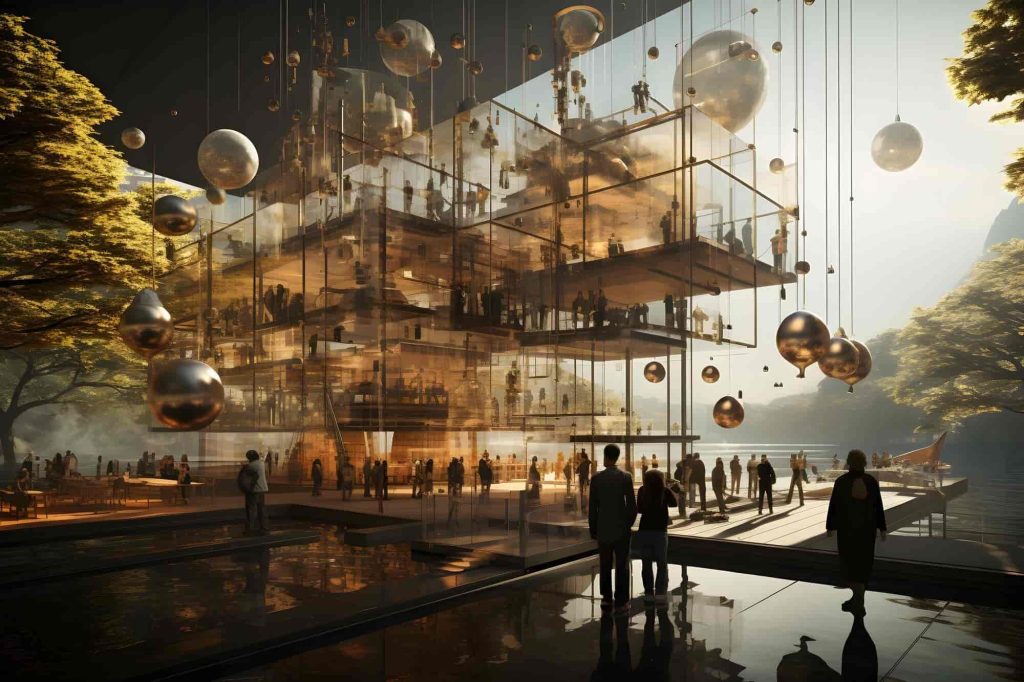
A modern architectural glass structure with suspended golden spheres, illustrating innovation and precision in architectural design and modernization.

How Laser Scanning Supports Architectural Modernization

Modernizing a building—whether to update its aesthetics, improve energy efficiency, or adapt it for new use—requires a clear understanding of its current state. Laser scanning simplifies this process by providing a complete, digital representation of the space.

Take, for instance, the renovation of a multi-level office building. By scanning the entire structure, architects receive a comprehensive 3D model, eliminating the need for manual measurements and reducing the risk of oversight. This data allows for:

  • Seamless Integration of New Design Elements: Adding modern features, such as glass facades or modular extensions, becomes more precise.
  • Energy Efficiency Upgrades: Planning for solar panels or HVAC improvements is easier when existing roof structures and mechanical systems are accurately mapped.
  • Structural Adaptations: When transforming old warehouses into creative workspaces, laser scanning provides insights into load-bearing walls and safe design alterations.

With a reliable digital twin available, modernization projects can be completed faster, more accurately, and with fewer costly surprises.

Practical Applications of Laser Scanning in Real-World Projects

Laser scanning has transformed how architectural projects are approached, especially in complex environments where accuracy is non-negotiable.

  • Commercial Renovations:
    A commercial skyscraper undergoing phased renovations relies on laser scanning to map each floor precisely. This allows contractors to minimize tenant disruption while ensuring construction aligns with existing structural components.
  • Healthcare Facility Expansions:
    Hospitals often require continuous updates to accommodate new medical technologies. Laser scanning ensures that new wings or specialized units integrate seamlessly with existing infrastructure, such as plumbing and electrical systems—critical for patient care continuity.
  • Industrial Facility Upgrades:
    In manufacturing plants, equipment layout often evolves over time. Laser scanning captures real-time data on machinery positioning, enabling optimized floor plans for efficiency and safety during expansions.
  • Preservation of Historic Landmarks:
    When restoring a century-old museum, laser scanning was used to create a detailed 3D model capturing every column, arch, and molding. This allowed conservation teams to plan structural reinforcements while preserving the building’s original architectural charm.

These examples showcase the versatility of laser scanning, proving its effectiveness in projects ranging from everyday renovations to specialized restorations.

Key Advantages of Laser Scanning for Architecture

The benefits of laser scanning extend far beyond capturing measurements. This technology transforms how architectural projects are managed, planned, and executed:

  • Unmatched Precision: Capture millions of data points with sub-millimeter accuracy.
  • Time Savings: Rapid scanning reduces the need for lengthy site visits.
  • Reduced Project Risks: Avoid costly construction errors with accurate as-built data.
  • Long-Term Usability: Scan data can be referenced years later for modifications or maintenance.

Future-Proof Your Architecture Projects with Confidence

Future-proofing architecture isn’t just about using advanced materials or bold designs—it’s about ensuring the long-term adaptability of your project through precise, lasting data.

Laser scanning offers a powerful way to capture the full scope of a building with exceptional accuracy, giving architects, engineers, and facility managers the tools they need to create sustainable, adaptable spaces. Whether you’re starting a new construction project or planning renovations for a decades-old structure, investing in laser scanning ensures your work remains valuable and reliable for years to come.

Check our activity on:

Facade Restoration with 3D Models: Transforming the Way We Preserve Buildings

Facades are more than just the outer layer of a building—they reflect its character, history, and structural identity. However, exposure to weather, pollution, and the natural aging process can lead to deterioration over time. Facade restoration becomes essential not only for aesthetic purposes but also to ensure safety, preserve historical integrity, and extend the building’s lifespan.

Traditionally, restoring facades was a complex task filled with uncertainties due to outdated documentation, manual measurements, and incomplete assessments. Today, however, 3D modeling and laser scanning technologies have revolutionized this process. These tools provide unparalleled accuracy, improving the planning and execution of restoration projects across all types of structures.

What Is 3D Modeling for Facade Restoration?

3D model of a historic building created from laser scanning for facade restoration planning.

3D modeling for facade restoration involves creating a highly accurate digital replica of a building’s exterior using laser scanning technology. The process begins with laser scanning, where millions of laser pulses measure the surface geometry of the facade with incredible precision.

This data forms a point cloud, a collection of data points representing the exact shape, texture, and structural condition of the facade.

The point cloud is then converted into a 3D model, a digital twin that accurately mirrors the building’s exterior in every detail. This model serves as a powerful tool for restoration professionals, allowing them to assess the current condition of the structure, plan repairs, and create precise restoration documentation—all without needing constant physical access to the building itself.

Why Is 3D Modeling Changing the Restoration Process?

3D modeling has transformed facade restoration by addressing many of the challenges faced in traditional methods. Key benefits include:

  • Precision Beyond Compare: Laser scanning captures every detail with millimeter accuracy, ensuring restoration decisions are based on precise data rather than estimations.
  • Time and Cost Efficiency: By eliminating the need for repeated site visits and manual measurements, restoration teams can plan their work more efficiently, reducing project delays and unexpected costs.
  • Preservation of Architectural Integrity: 3D models allow restorers to work with complete and accurate data, ensuring the original design, including fine architectural details, is preserved.
  • Better Collaboration Among Teams: Restoration often involves multiple stakeholders, including architects, engineers, contractors, and preservation specialists. A digital 3D model allows all parties to access the same data, reducing misunderstandings and improving project coordination.
  • Minimized Physical Contact with the Building: For historical facades or fragile structures, minimizing direct physical interaction reduces the risk of damage during inspections and planning.

How the 3D Modeling Process Works for Facade Restoration

The 3D modeling process involves several stages, each contributing to a comprehensive understanding of the building’s condition:

  1. Laser Scanning the Facade: Specialized laser scanners are positioned around the building to capture millions of data points, creating a complete digital map of the exterior.
  2. Data Processing and Point Cloud Generation: The scanned data is compiled into a dense point cloud, representing the exact geometry of the building.
  3. Creation of the 3D Model: Using specialized software, the point cloud is converted into a detailed 3D model. This model can be further enhanced for BIM (Building Information Modeling) purposes, incorporating additional data layers such as material specifications and structural conditions.
  4. Restoration Planning: The completed 3D model provides a comprehensive view of the facade, allowing restoration teams to identify areas requiring repair, plan material selection, and simulate potential restoration techniques virtually.

Who Benefits Most from 3D Modeling in Facade Restoration?

3D modeling is not limited to a single profession or industry. It provides value across multiple sectors and roles involved in facade restoration:

1. Architects and Restoration Designers

Architect working on restoration plans, reviewing blueprints and digital models for facade design accuracy.

For architects and restoration designers, 3D models offer a highly detailed reference point for design decisions and historical preservation efforts. By working with precise digital replicas, they can replicate even the most intricate architectural details and ensure that the building’s original design is respected during the restoration process.

Additionally, BIM modeling enhances their ability to integrate restoration data into broader design projects, helping architects visualize how the restored facade fits into the overall building layout and structural modifications.

2. Structural Engineers

Structural engineers benefit from the accuracy provided by 3D models when assessing the stability and integrity of a building’s facade. With precise measurements and a complete structural overview, engineers can:

  • Identify areas of structural weakness or deformation.
  • Evaluate load-bearing components of the facade.
  • Plan reinforcements or stabilization strategies with minimal physical intervention.

3. Building Owners and Facility Managers

For property owners, the clarity provided by 3D models translates into better decision-making and resource allocation. A complete digital model of the facade offers:

  • Clear documentation for insurance purposes.
  • Accurate estimations for restoration costs.
Building owner reviewing restoration plans in a modern office, focusing on facade maintenance and project management.
  • Improved long-term maintenance planning.

Owners can also use the models as permanent records, assisting with future renovations, repairs, or property assessments.

4. Contractors and Construction Managers

Contractors rely on accurate documentation for project planning and execution. 3D models help them:

  • Reduce measurement errors and material waste.
  • Plan work schedules more effectively based on accurate site data.
  • Enhance safety by minimizing unnecessary physical inspections on fragile structures.

The clarity of a digital model ensures that restoration teams can work with well-defined guidelines, reducing the chances of costly rework.

5. Preservation and Cultural Heritage Specialists

Urban planner standing confidently in front of a modern building, representing municipal authorities involved in facade restoration projects.

When dealing with historically significant structures, every detail matters. 3D models ensure:

  • Precise documentation of architectural elements before restoration begins.
  • The ability to restore missing or damaged features based on exact measurements.
  • Compliance with preservation standards by documenting the structure in its original form before interventions take place.

6. Municipal Authorities and Urban Planners

For cities and towns, historical preservation is a vital part of cultural identity. Municipal authorities can leverage 3D models for:

  • Evaluating building conditions for safety compliance.
  • Maintaining accurate records of heritage sites.
  • Planning city-wide facade restoration initiatives with minimal disruption to public spaces.

Real-World Applications of 3D Models in Facade Restoration

3D modeling is widely used across various project types:

  • Restoration of Historical Landmarks: Preserving architectural details without physical contact.
  • Commercial and Residential Properties: Reducing disruption during facade repairs in urban areas.
  • Industrial Facilities: Documenting large, complex structures for efficient restoration.
  • Healthcare and Educational Buildings: Maintaining critical services during exterior work.

Why 3D Modeling Is the Future of Facade Restoration

The shift toward 3D modeling and laser scanning represents more than a technological advancement—it’s a transformation in how we preserve and restore our architectural heritage. These tools offer unmatched accuracy, better collaboration, and more efficient project management, ensuring that every restoration project is executed with care and precision.

Whether you’re working on a historical landmark, a modern commercial building, or planning routine maintenance, 3D modeling for facade restoration is the future of building preservation.

Check our activity on: