

Digital Twin – From Strategy to Architecture
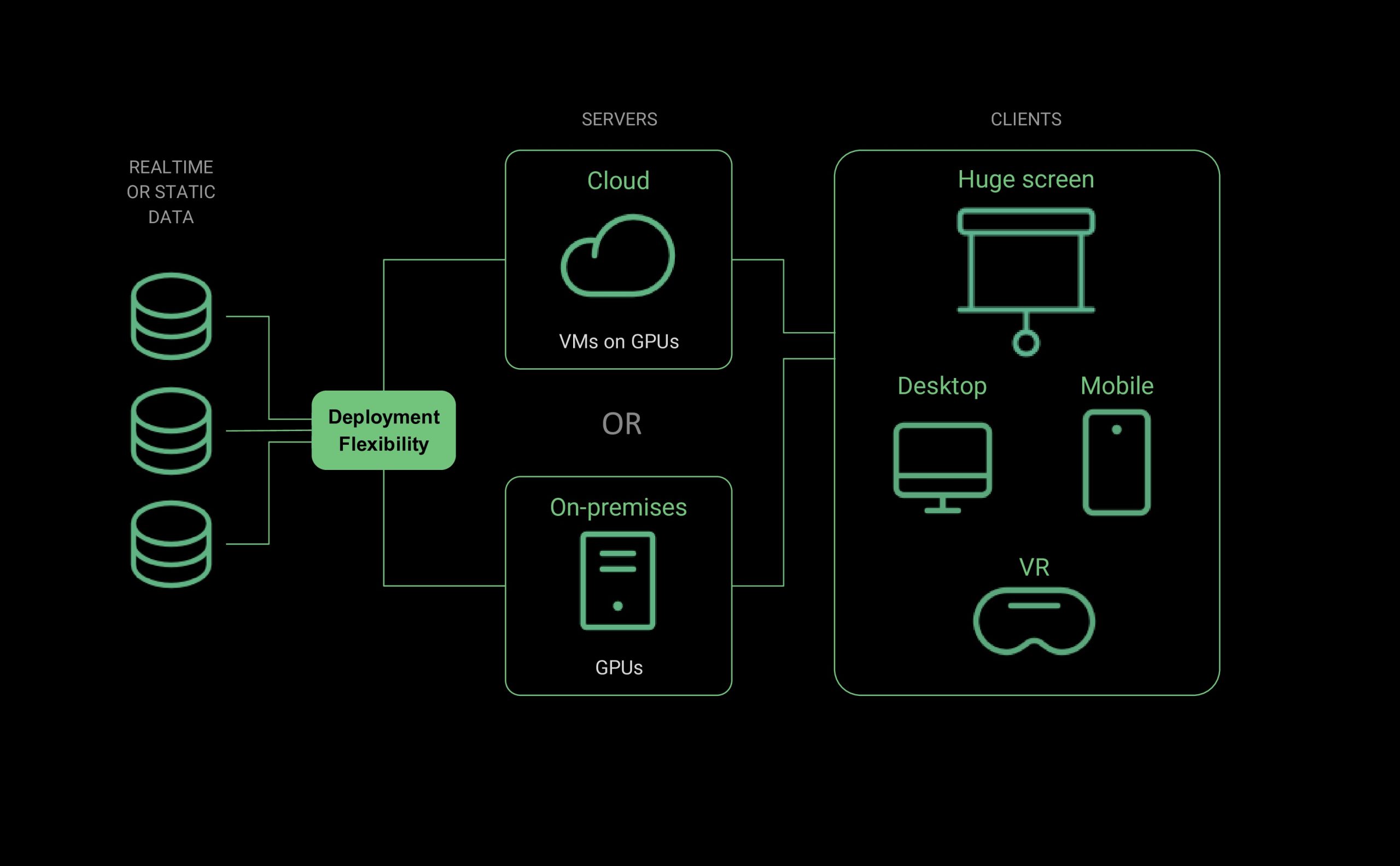
After defining the Digital Twin vision and priorities during the audit phase, ScanM2 moves to the second stage — Digital Twin solution selection and system architecture design.
At this stage, technology decisions are driven by business objectives, operational requirements, and data readiness, not by software trends or vendor preferences.
We do not sell specific platforms or hardware.
Our role is to design a cohesive Digital Twin architecture where all components operate as a single, integrated ecosystem.
Technologies Serve the Task — Not the Other Way Around
A successful Digital Twin 2.0 is not a collection of disconnected tools.
It is a structured system where data, geometry, analytics, and operations are tightly linked.
Our focus is to ensure that every architectural decision supports measurable outcomes.
What We Do at This Stage
1. Digital Twin Architecture Definition
- overall system structure and logic
- data sources and data ownership
- data storage, synchronization, and update mechanisms
- access levels, security, and visualization layers
2. Technology & Platform Selection
Technology selection is always based on audit results and the existing IT landscape.
Depending on the project, this may include:
- IoT sensors and monitoring systems
- BMS, SCADA, and FM platforms
- analytics and AI-driven components
- visualization platforms and operational dashboards
- integration with ERP and corporate systems
3. Digital Twin Model Design
- BIM level of detail and model structure
- linkage between geometry and operational data
- usage scenarios: operations, maintenance, asset management, decision support
Where These Architectures Deliver Value

Digital Twin architectures of this type are already widely applied in:
- industrial facilities
- energy and power plants
- oil & gas infrastructure
- large-scale infrastructure assets
The same architectural principles are fully applicable to complex civil assets:
- hotels and hospitality facilities
- branded residential developments
- data centers
- airports and transport hubs
- large multifunctional buildings
Where Digital Twin Architecture Is Critical
Digital Twin solutions deliver the highest value in environments with:
- complex asset portfolios
- high engineering density
- significant operational costs
- strict transparency, compliance, and ESG requirements
Logical Connection to the Next Stage
This architecture phase:
- transforms strategy into a technically viable system
- eliminates incompatible or excessive technologies
- prepares the foundation for controlled implementation
Next step: Digital Twin 2.0 Implementation & Deployment

