

Cultural heritage sites and historical buildings require careful documentation and preservation to ensure their architectural value is maintained for future generations. Historic structures such as churches, monuments, museums, and archaeological sites often contain complex geometries, unique architectural elements, and delicate materials that must be accurately documented before restoration or reconstruction work begins.
ScanM2 provides advanced digital engineering services for cultural heritage and architectural preservation projects including 3D laser scanning, point cloud processing, Scan-to-BIM, BIM modeling, as-built drawings, and reverse engineering. These technologies allow engineers, architects, and restoration specialists to capture highly accurate spatial data of historical structures and convert it into reliable digital documentation.
Challenges in Documenting Cultural Heritage Sites
Historic buildings and monuments present unique challenges when preparing engineering and architectural documentation. Unlike modern structures, heritage architecture often includes complex decorative elements, irregular geometries, and construction techniques that were developed centuries ago.
Common documentation challenges include:
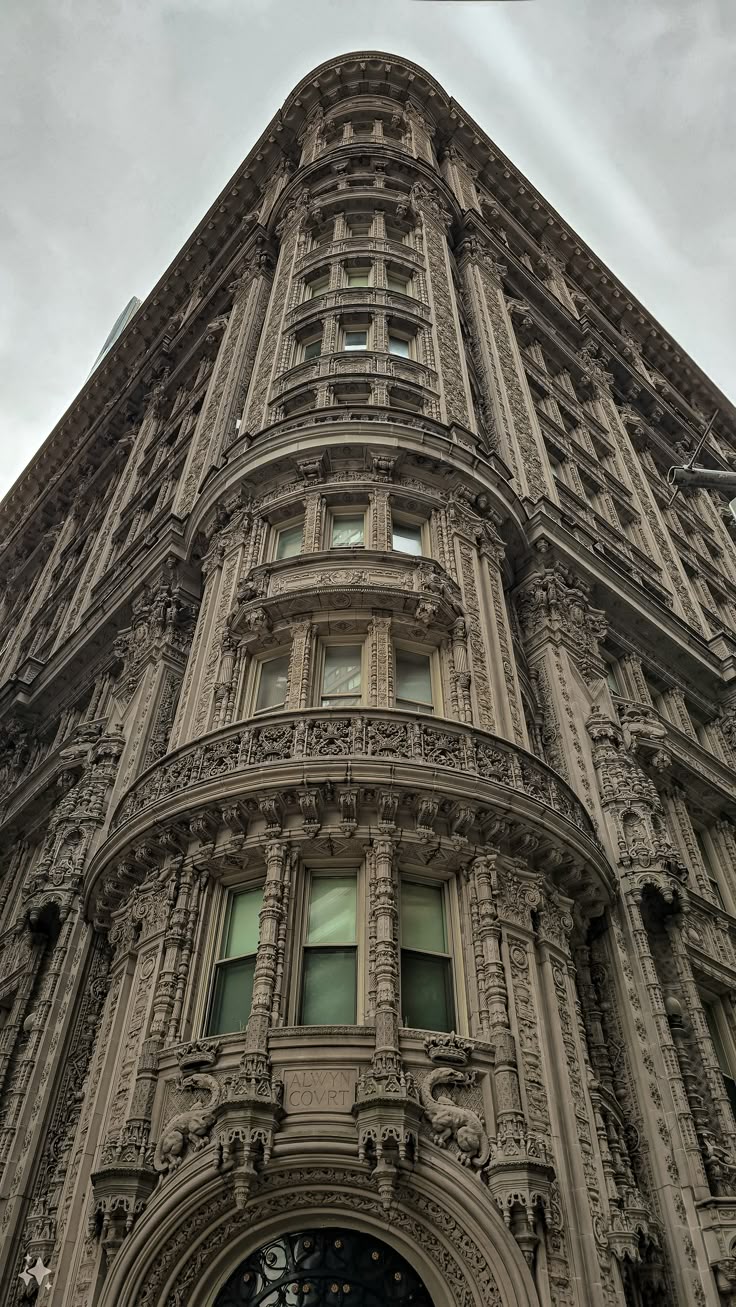
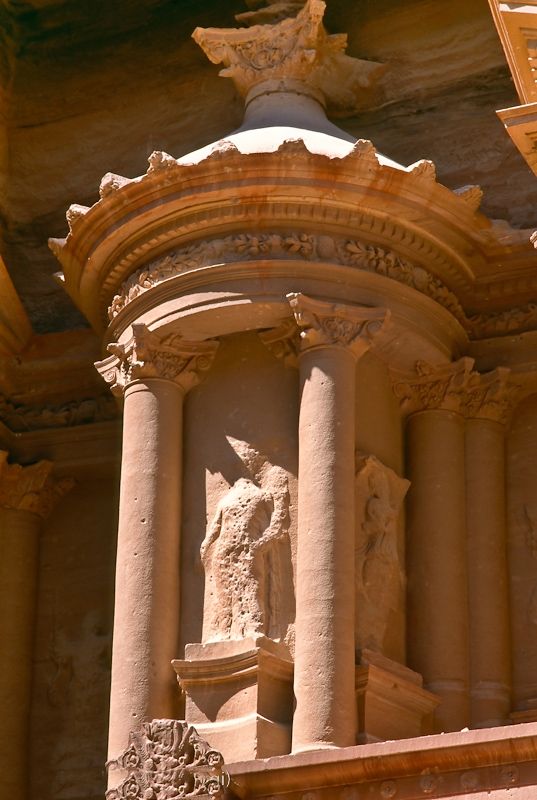
- intricate architectural ornamentation
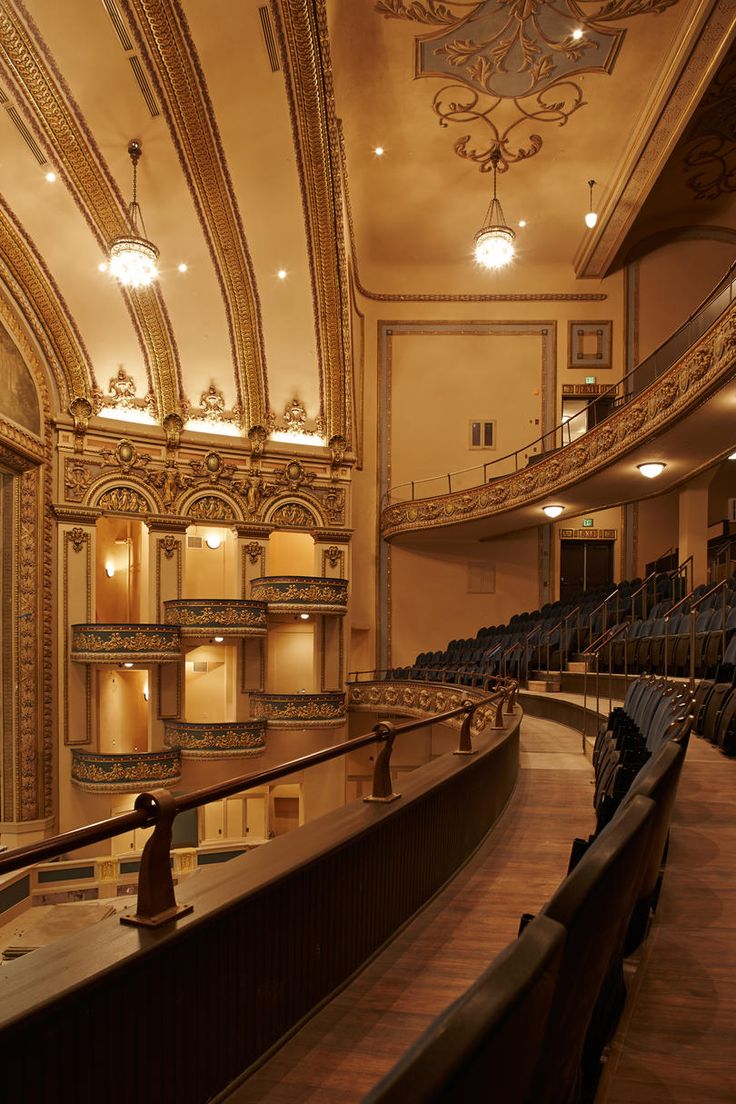
- complex vaulted ceilings and structural elements
- irregular wall geometry and structural deformation
- limited access to fragile or protected areas
- preservation requirements for heritage monuments
Modern digital technologies allow specialists to capture accurate geometric data while minimizing physical interaction with historical structures.
Digital Documentation for Historic Architecture
Digital documentation technologies provide highly accurate spatial information about heritage buildings and architectural monuments. These digital models help architects and engineers analyze structural conditions, plan restoration projects, and document historical architecture in detail.
Digital documentation is widely used for:
- architectural conservation projects
- restoration and reconstruction planning
- historical building analysis
- preservation of cultural heritage monuments
- long-term digital archiving of heritage sites
Accurate digital models allow specialists to preserve architectural details and ensure that restoration work maintains the authenticity of historic structures.
3D Laser Scanning for Heritage Buildings
3D laser scanning is one of the most effective technologies for documenting historical architecture and cultural heritage sites. Laser scanners capture millions of spatial measurements that accurately represent the geometry of architectural structures, decorative elements, and structural components.
Laser scanning is commonly used for documenting:
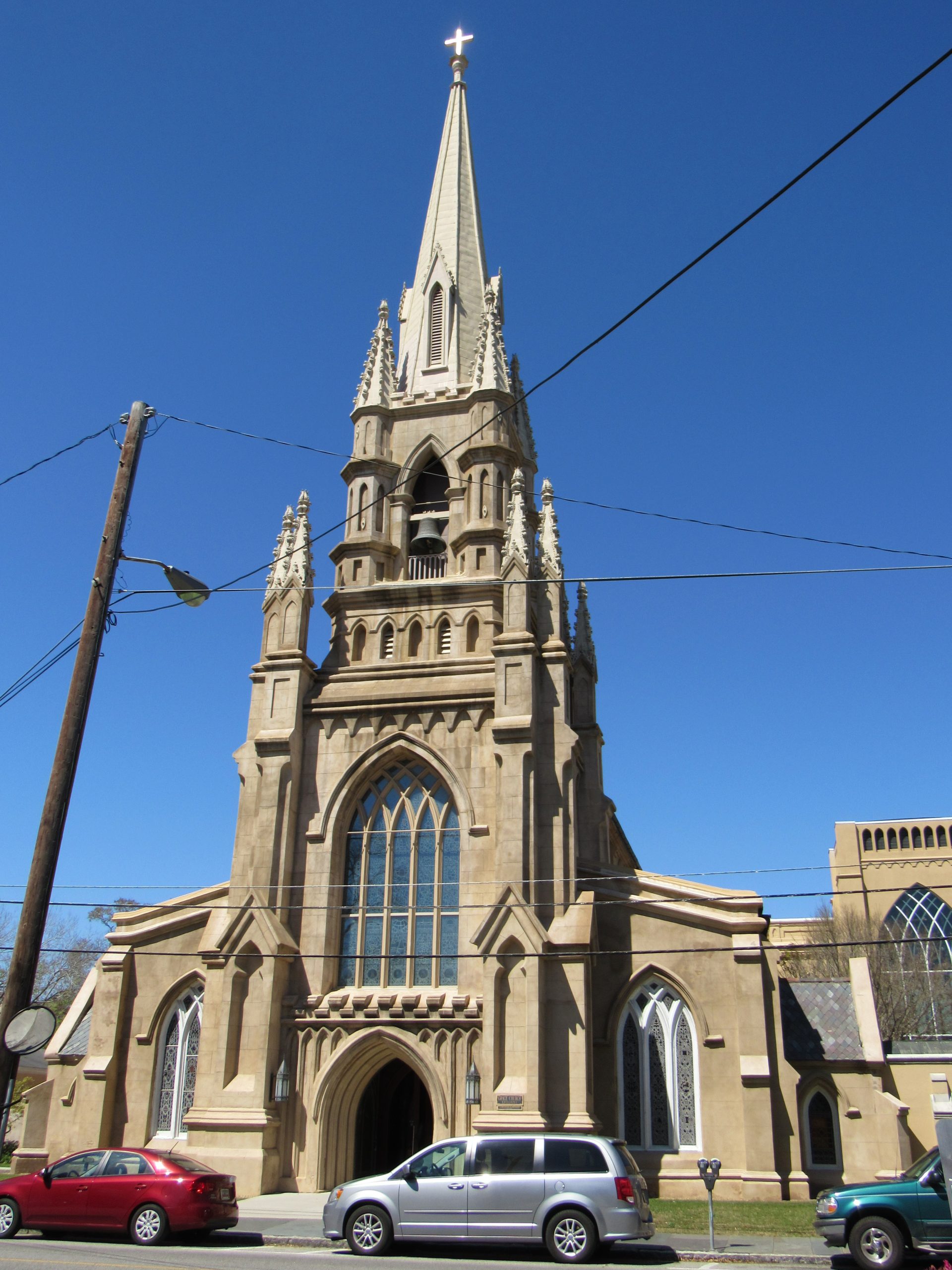
- churches and temples
- historical buildings and architectural landmarks
- monuments and archaeological sites
- museums and theaters
- heritage structures undergoing restoration
The resulting scan data forms a detailed digital representation of historic architecture.
Point Cloud Processing for Heritage Documentation
Captured scan data is processed into structured point cloud models that represent the geometry of historic buildings with high precision. Point cloud processing includes registration, filtering, segmentation, and classification of spatial data.
Processed point cloud models allow architects and engineers to analyze structural conditions, measure architectural elements, and prepare accurate documentation of heritage sites.
These models provide the foundation for restoration planning and digital preservation of historical architecture.
Scan-to-BIM for Historic Architecture
Scan-to-BIM workflows convert laser scan data into detailed BIM models of heritage buildings. These models accurately represent structural elements, architectural components, and building geometry.
BIM models of historical buildings help engineers and architects coordinate restoration projects, analyze structural conditions, and manage long-term documentation of cultural heritage sites.
Digital BIM models are increasingly used in heritage preservation projects across Europe and internationally.
BIM Modeling for Cultural Heritage Projects
BIM modeling enables specialists to create detailed digital representations of historical buildings and architectural monuments. These models combine architectural, structural, and engineering data within a single digital environment.
BIM models support:
- restoration planning
- structural analysis of historic buildings
- architectural documentation
- coordination between restoration teams
- lifecycle management of heritage assets
Accurate digital models allow preservation specialists to maintain detailed records of heritage architecture.
As-Built Drawings for Historic Buildings
As-built drawings provide accurate architectural documentation reflecting the real condition of historical structures. These drawings capture the geometry, layout, and structural characteristics of buildings as they currently exist.
Accurate as-built documentation helps architects and restoration teams analyze structural deformation, plan conservation work, and maintain reliable documentation of heritage sites.
Reverse Engineering of Architectural Elements
Reverse engineering techniques are used to recreate digital models of architectural elements that may be damaged, missing, or poorly documented. Historical buildings often contain decorative components and structural elements that require accurate reconstruction during restoration projects.
By analyzing scan data and existing structures, engineers can recreate precise digital models of architectural features used for restoration and preservation of cultural heritage sites.
Applications of Digital Technologies in Heritage Preservation
Digital engineering technologies support many activities related to the preservation and restoration of historic architecture.
Typical applications include:
- documentation of historical buildings
- digital preservation of architectural monuments
- restoration planning for heritage structures
- reconstruction of damaged architectural elements
- structural analysis of historic buildings
These technologies help architects and conservation specialists protect and maintain cultural heritage sites for future generations.
Digital Documentation for Architectural Conservation
Cultural heritage preservation requires accurate documentation of historical structures and architectural elements. Digital technologies such as 3D laser scanning, BIM modeling, and point cloud processing allow specialists to create highly detailed digital archives of heritage buildings.
These digital records support restoration projects, improve understanding of historic architecture, and ensure that cultural heritage sites are preserved with the highest level of accuracy.

