

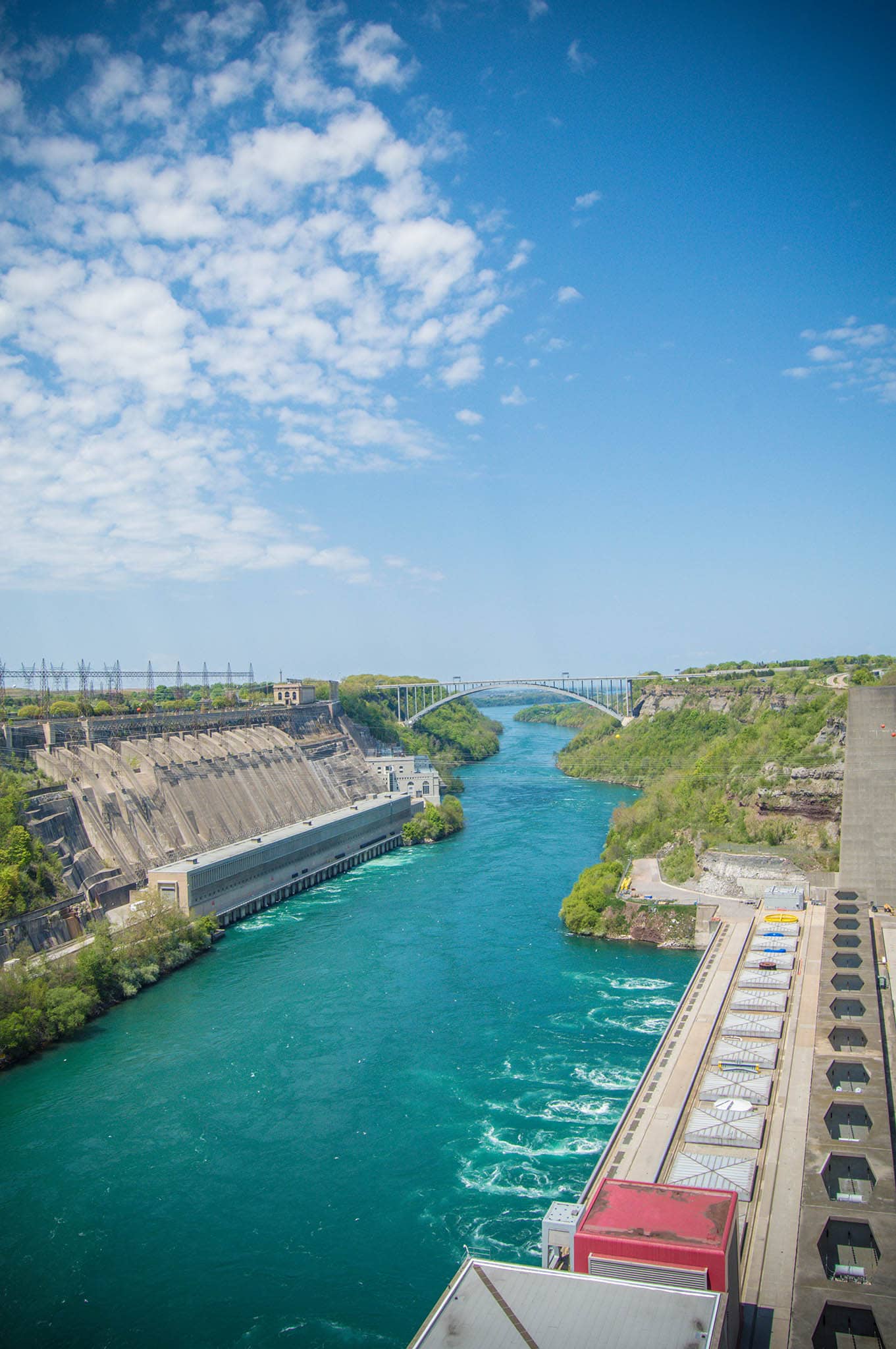


Energy facilities include a wide range of complex industrial infrastructure such as power plants, electrical substations, turbine halls, cooling towers, and power transmission systems. Accurate digital documentation of these environments is essential for maintaining operational safety, planning infrastructure upgrades, and managing long-term engineering projects.
ScanM2 provides advanced digital engineering services for energy infrastructure including 3D laser scanning, point cloud processing, Scan-to-BIM, BIM modeling, as-built drawings, and reverse engineering. These technologies allow engineering teams to capture accurate spatial data of power generation facilities and transform it into reliable digital models used for engineering analysis and modernization planning.
Engineering Challenges in Energy Facilities
Energy production facilities are among the most technically complex industrial environments. Power plants contain large-scale mechanical equipment, structural installations, and high-voltage electrical systems that require accurate engineering documentation.
Typical challenges when documenting energy infrastructure include:
- large turbine halls and industrial equipment installations
- complex pipe systems and cooling infrastructure
- electrical substations and high-voltage systems
- large structural installations and steel frameworks
- restricted access areas in operational power plants
Modern digital engineering technologies allow engineers to capture accurate spatial information of these environments while minimizing disruptions to facility operations.
Digital Documentation of Power Generation Infrastructure
Energy facilities operate with highly interconnected infrastructure that includes turbines, transformers, cooling systems, structural platforms, and industrial equipment. Maintaining accurate engineering documentation of these systems is essential for infrastructure maintenance and plant modernization.
Digital documentation technologies allow engineers to create accurate digital representations of power plant infrastructure, enabling better planning of upgrades, reconstruction projects, and equipment replacements.
These digital models provide reliable spatial data that supports engineering design, facility maintenance planning, and coordination between different engineering disciplines.
3D Laser Scanning for Energy Facilities
3D laser scanning allows engineers to capture highly accurate spatial data of energy infrastructure including power plants, turbine halls, substations, and industrial installations. Laser scanners record millions of spatial points that represent the geometry of structures, equipment, and engineering systems within the facility.
Laser scanning is particularly useful for documenting:
- thermal power plants
- hydroelectric power stations
- nuclear power plant infrastructure
- electrical substations
- power transmission installations
The captured data forms the basis for detailed digital documentation of energy facilities.
Point Cloud Processing for Power Plants
After data capture, scan datasets are processed into structured point cloud models that accurately represent the geometry of industrial infrastructure. Point cloud processing includes registration, filtering, segmentation, and classification of spatial data.
Processed point cloud models allow engineers to analyze plant geometry, equipment locations, and infrastructure layout with high accuracy. These models are widely used for engineering analysis, facility documentation, and planning modernization projects.
Scan-to-BIM for Energy Infrastructure
Scan-to-BIM workflows convert laser scanning data into intelligent BIM models of energy infrastructure. These models represent structural systems, mechanical equipment, and electrical installations within power generation facilities.
BIM models help engineers coordinate infrastructure upgrades, analyze plant layouts, and manage engineering documentation throughout the lifecycle of energy facilities.
BIM Modeling for Power Generation Facilities
BIM modeling allows engineering teams to create detailed digital representations of power plant infrastructure. These models combine structural, mechanical, and electrical systems within a unified digital environment.
BIM models are widely used for:
- infrastructure modernization projects
- engineering coordination
- equipment installation planning
- facility lifecycle management
Digital models of energy infrastructure improve collaboration between engineering teams and provide a reliable foundation for complex industrial projects.
As-Built Drawings for Energy Facilities
As-built drawings provide accurate engineering documentation of power plant infrastructure and industrial installations. These drawings reflect the real configuration of structural systems, equipment layouts, and electrical infrastructure within the facility.
Accurate as-built documentation helps engineers plan upgrades, verify installation conditions, and maintain reliable engineering records for energy facilities.
Reverse Engineering of Energy Equipment
Reverse engineering techniques are used to recreate digital models of industrial equipment when original design documentation is unavailable or outdated. Power generation facilities often contain legacy equipment that has been modified or upgraded over time.
By analyzing existing components and installations, engineers can recreate accurate digital models of turbines, structural elements, and mechanical components used within energy infrastructure.
Applications of Digital Engineering in Energy Infrastructure
Digital engineering technologies support many operational and engineering activities within energy facilities.
Common applications include:
- modernization of power plants
- documentation of electrical substations
- modeling of turbine halls and industrial equipment
- reconstruction of aging energy infrastructure
- planning of facility upgrades and expansions
These technologies allow energy companies to manage complex industrial infrastructure more efficiently and safely.
Digital Engineering for Modern Energy Facilities
Energy infrastructure continues to evolve as new technologies and equipment are introduced to improve efficiency and sustainability. Accurate digital documentation of power generation facilities allows engineering teams to plan modernization projects and maintain reliable infrastructure records.

