


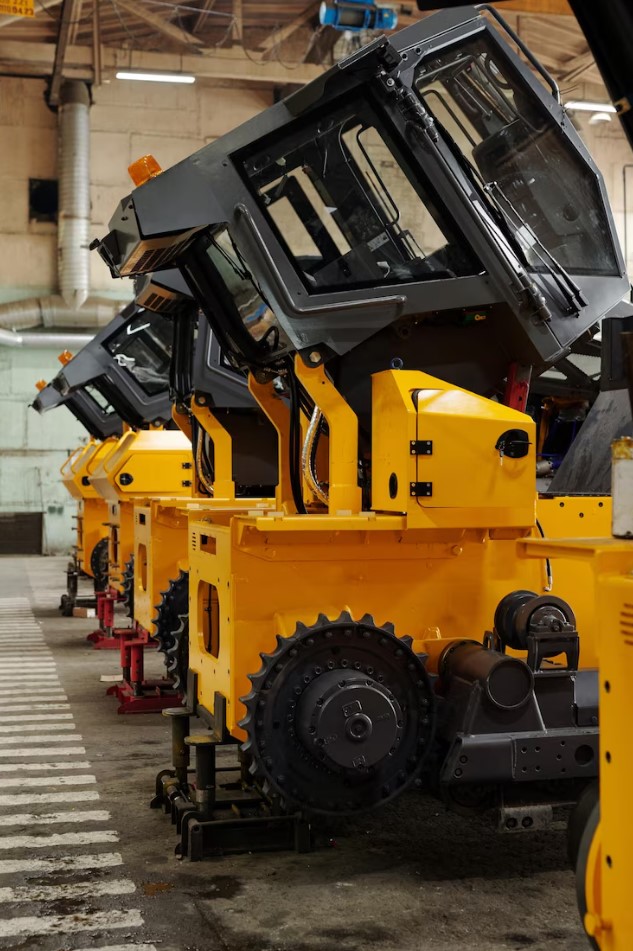
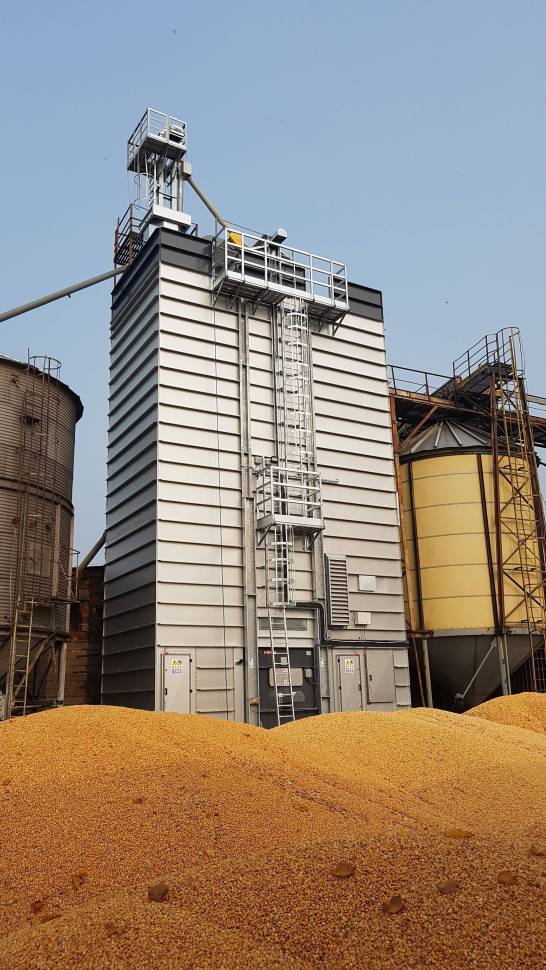
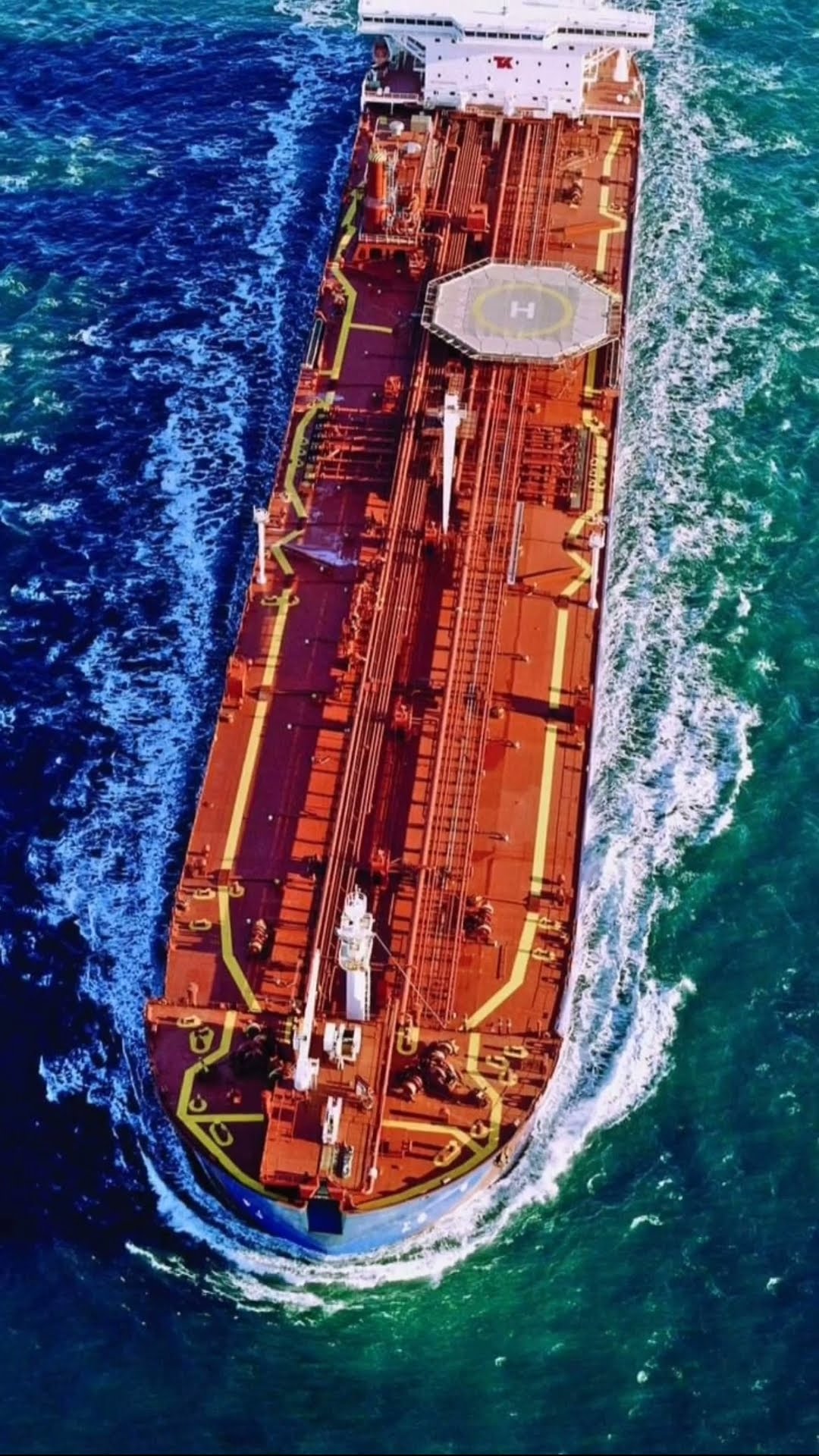
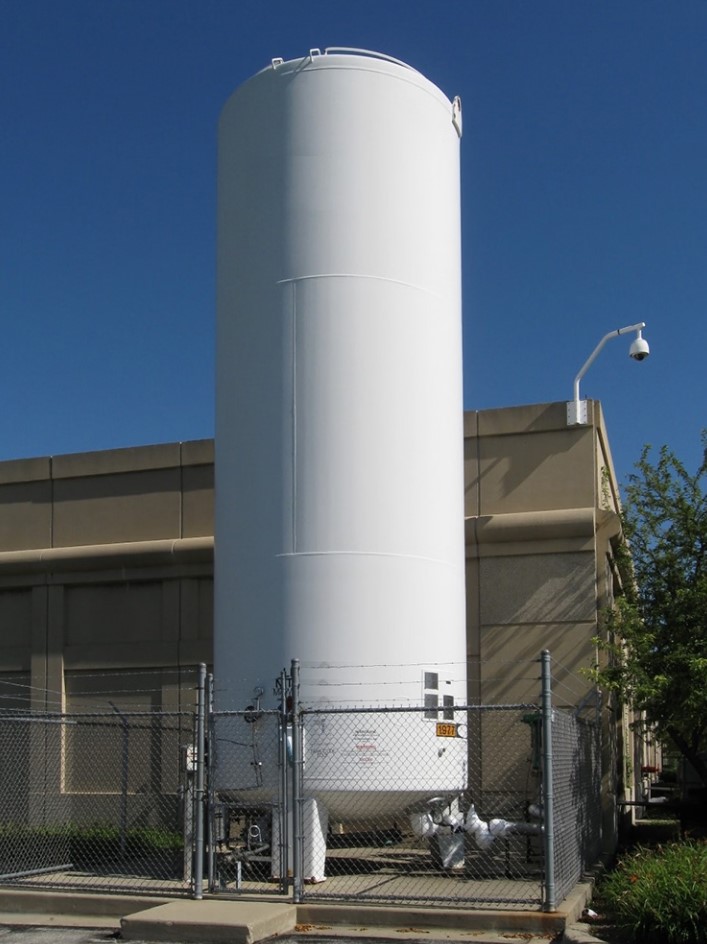
Industrial assets and equipment include a wide range of complex mechanical systems used in transportation, manufacturing, and heavy industry. Railway rolling stock, industrial machinery, cargo vessels, bulk material storage facilities, and storage tanks require accurate digital models to support maintenance, modernization, and engineering analysis.
Many industrial systems operate for decades and are frequently modified or upgraded. As equipment evolves, original technical documentation may become outdated or incomplete. Modern technologies such as 3D laser scanning, point cloud processing, Scan-to-BIM, BIM modeling, as-built drawings, and reverse engineering allow engineers to capture accurate spatial data and create reliable digital models of industrial assets.
These technologies make it possible to document industrial equipment with high precision and use digital models for engineering analysis, reconstruction planning, and equipment modernization.
Engineering Challenges in Industrial Equipment Documentation
Industrial facilities often contain complex machinery, mechanical installations, and large structural components. Accurate documentation of these systems is essential for maintenance and reconstruction projects.
Typical challenges when documenting industrial assets include:
- complex industrial machinery and equipment layouts
- railway rolling stock and transport equipment systems
- large industrial storage tanks and storage systems
- cargo vessels and marine transport equipment
- bulk material storage facilities and industrial silos
To solve these challenges, engineers rely on modern digital technologies capable of capturing accurate geometry of industrial equipment and converting it into structured digital models.
Digital Documentation of Industrial Assets
Accurate digital models of industrial equipment allow engineers to analyze machinery geometry, evaluate structural components, and prepare reliable technical documentation.
Digital engineering technologies are widely used for documenting:
- railway rolling stock and transport equipment
- industrial equipment and machinery in manufacturing facilities
- bulk material storage facilities and industrial silos
- cargo vessels and tankers used in marine logistics
- industrial tanks and storage systems used in processing plants
These digital models help engineers plan modernization projects, coordinate engineering work, and maintain reliable documentation of industrial assets.
3D Laser Scanning for Industrial Equipment
3D laser scanning of industrial equipment allows engineers to capture accurate spatial data of machinery, tanks, vessels, and industrial installations. Laser scanners record millions of measurement points that represent the geometry of equipment and structural components.
Accurate scan data forms the foundation for reliable digital models used in engineering analysis and reconstruction projects.
Point Cloud Processing for Industrial Assets
After scanning, collected datasets are converted into structured digital environments through point cloud processing for industrial equipment. This process includes scan alignment, filtering, segmentation, and classification of spatial data.
Processed point cloud models allow engineers to analyze industrial equipment geometry and prepare accurate documentation for modernization and reconstruction projects.
Scan-to-BIM for Industrial Machinery
Scan-to-BIM for industrial equipment converts laser scanning data into intelligent BIM models representing machinery, storage systems, and industrial assets.
These models provide a coordinated digital environment that allows engineers to analyze equipment layout, evaluate spatial relationships, and support reconstruction planning.
BIM Modeling for Industrial Assets
BIM modeling for industrial equipment enables engineers to create detailed digital representations of machinery and industrial installations. BIM models combine mechanical systems, structural elements, and spatial data into a unified digital model.
These models support:
- equipment reconstruction planning
- engineering coordination
- lifecycle management of industrial assets
- modernization of industrial equipment
As-Built Drawings for Industrial Equipment
Accurate as-built drawings for industrial equipment provide verified documentation of machinery, storage systems, and industrial installations.
These drawings reflect the actual geometry and configuration of equipment and are essential for maintenance planning and engineering upgrades.
Reverse Engineering of Industrial Equipment
When original documentation is unavailable, reverse engineering of industrial equipment allows engineers to recreate accurate digital models based on scan data.
Reverse engineering technologies are widely used for reconstructing industrial machinery, equipment components, and mechanical systems.
These digital models help engineers analyze existing assets and support modernization and reconstruction of industrial equipment.
Applications of Digital Technologies for Industrial Equipment
Digital technologies are widely used for documenting and modeling complex industrial assets including railway rolling stock, heavy machinery, cargo vessels, storage tanks, and bulk material storage systems.
Accurate digital models allow engineers to analyze the geometry of equipment, evaluate spatial relationships between components, and plan modernization or reconstruction projects more efficiently.
Typical applications include:
- digital modeling of industrial machinery and equipment
- documentation of railway rolling stock components
- laser scanning of storage tanks and industrial silos
- digital reconstruction of cargo vessels and marine structures
- modeling of bulk material storage facilities
Reliable digital models help engineers improve planning accuracy, reduce engineering risks, and maintain up-to-date documentation of industrial assets.
Digital Engineering for Industrial Asset Management
Industrial equipment often operates for long periods and may undergo multiple modifications during its lifecycle. Maintaining accurate digital documentation of these assets is essential for equipment modernization, reconstruction planning, and engineering analysis.
Technologies such as 3D laser scanning, Scan-to-BIM, and reverse engineering allow engineers to create precise digital representations of industrial systems and support long-term management of industrial assets.
These technologies help engineering teams maintain reliable documentation, analyze equipment performance, and plan modernization projects for complex industrial facilities.

