

As-Built Drawings for Open-pit quarries
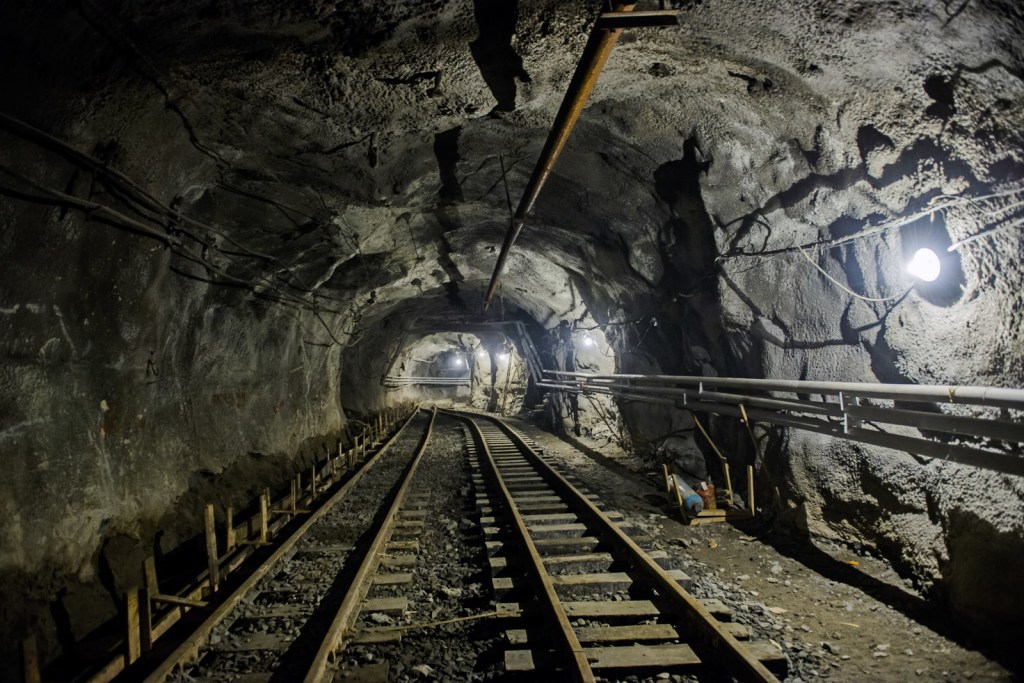
Open-pit quarries need updated drawings that reflect actual site conditions. Over time, conveyors are realigned, haul roads are reworked, benches change after excavation, and plant areas are modified during operations. In many cases, older drawings no longer match the current quarry layout. As-built drawings for quarries provide verified documentation for engineering, maintenance, reconstruction, and infrastructure planning.
For quarry operators, engineering teams, and contractors, this means working with current plans, sections, elevations, and layout drawings instead of outdated records or partial field notes.
Contact Us Now for a Free Consultation!
As-Built Drawing Services for Quarry Plants and Infrastructure
Our as-built drawing services for open-pit quarries are used to document plant systems, infrastructure, terrain-related areas, and operational zones based on actual field conditions. The goal is to create a practical drawing package for technical use rather than rely on legacy design documentation.
This service is typically used for:
- quarry plant upgrades
- conveyor and transfer structure modifications
- haul road and access route documentation
- maintenance planning
- shutdown preparation
- infrastructure reconstruction
- utility and drainage verification
- internal engineering records
Depending on project scope, source data may come from site measurement, 3D Laser Scanning, and structured datasets prepared through Point Cloud Processing.
What Can Be Included in Quarry As-Built Drawings
A quarry as-built documentation package may include:
- general arrangement drawings
- equipment layout drawings
- conveyor and transfer point layouts
- structural as-built drawings
- bench and terrain profiles
- haul road and ramp drawings
- drainage and dewatering layouts
- underground and surface utility drawings
- access platforms, stairs, and service structures
These drawings are prepared to show actual plant and infrastructure conditions in a format suitable for engineering review, planning, and future modifications.
As-Built Drawings for Conveyors, Haul Roads, and Quarry Infrastructure
Open-pit quarries often need updated documentation in the areas where plant systems and site infrastructure are most frequently changed.
Conveyor Systems and Transfer Structures
As-built drawings are used to document conveyor routes, transfer points, support steel, and surrounding access structures before upgrades or maintenance work.
Haul Roads and Access Routes
Updated drawings of ramps, road alignments, gradients, and service access routes support planning, safety review, and future route changes.
Quarry Infrastructure
Drainage systems, berms, retaining elements, cable routes, and utility corridors can be documented where they affect plant operation or infrastructure development.
Plant Areas
Crusher zones, screening areas, and support structures can be documented with layout drawings and sections for reconstruction and equipment coordination.
Why As-Built Drawings Are Important in Open-Pit Quarries
In quarry environments, even small differences between drawings and actual conditions can affect project planning. Conveyor alignments, support positions, terrain levels, access routes, and utility layouts often change during operations.
As-built drawings are especially important when teams need to:
- verify existing quarry conditions
- prepare for plant modernization
- document infrastructure changes
- plan maintenance and shutdown works
- reduce uncertainty before engineering modifications
- create a reliable record for future upgrades
For active quarries, this gives project teams clearer documentation before work starts on site.
What Makes Quarry As-Built Documentation Different
Open-pit quarries combine plant systems with changing terrain and large-area infrastructure. This creates documentation challenges that are different from those of conventional buildings or enclosed industrial facilities.
Typical factors include:
- changing bench and slope geometry
- phased modifications to quarry infrastructure
- long conveyor routes across uneven terrain
- active production areas with limited access
- utility systems spread across large site areas
- the need to document both terrain-related and plant-related elements within one drawing set
Because of this, quarry as-built documentation must be based on current field conditions and organized in a way that remains practical for engineering teams.
Table: Typical As-Built Deliverables for Open-Pit Quarries
| Deliverable | Practical Use |
| General arrangement drawings | Layout review and project planning |
| Equipment layout drawings | Maintenance and upgrade preparation |
| Structural as-built drawings | Verification of supports, steel, and foundations |
| Conveyor and transfer layouts | Alignment review and modification planning |
| Haul road and ramp drawings | Route control and safety review |
| Terrain and bench profiles | Elevation checks and operational assessment |
| Utility and drainage drawings | Coordination of infrastructure works |
Examples of As-Built Documentation
Our As-Built Documentation Projects


As-Built Drawings for Quarry Modernization and Maintenance
For modernization and maintenance projects, as-built drawings provide a working documentation base that reflects the current quarry layout. Instead of relying on incomplete records, project teams receive drawings that support planning, review, and coordination of actual conditions.
This is especially useful before:
- extending or realigning conveyors
- upgrading crushers or support structures
- changing haul roads and access routes
- modifying drainage or utility systems
- preparing documentation for Scan to BIM or BIM Modeling workflows
As-built drawings for open-pit quarries help operators, engineers, and contractors work with current documentation of plant systems, terrain-related areas, and quarry infrastructure. For maintenance, reconstruction, and site upgrades, this reduces uncertainty and improves preparation before field work begins.
FAQ
What are as-built drawings in quarry operations?
As-built drawings represent the actual constructed condition of quarry infrastructure, including plant equipment, terrain, and utilities. They differ from design drawings by reflecting real-world deviations.
Why are as-built drawings important for open pit quarries?
In an open pit quarry, conditions change continuously. Accurate documentation is essential for safety, maintenance, and future development planning.
How is data collected for quarry as-built documentation?
Typically through 3D Laser Scanning, which captures precise geometry of terrain and structures. The data is then processed into usable engineering formats.
Can as-built drawings be integrated into BIM workflows?
Yes. As-built data can be used in Scan to BIM and BIM Modeling processes, enabling advanced coordination, simulation, and asset management.
How often should as-built documentation be updated?
For active quarry operations, updates are recommended after major changes such as blasting phases, equipment relocation, or infrastructure expansion.

