

Scan to BIM for Open-pit quarries
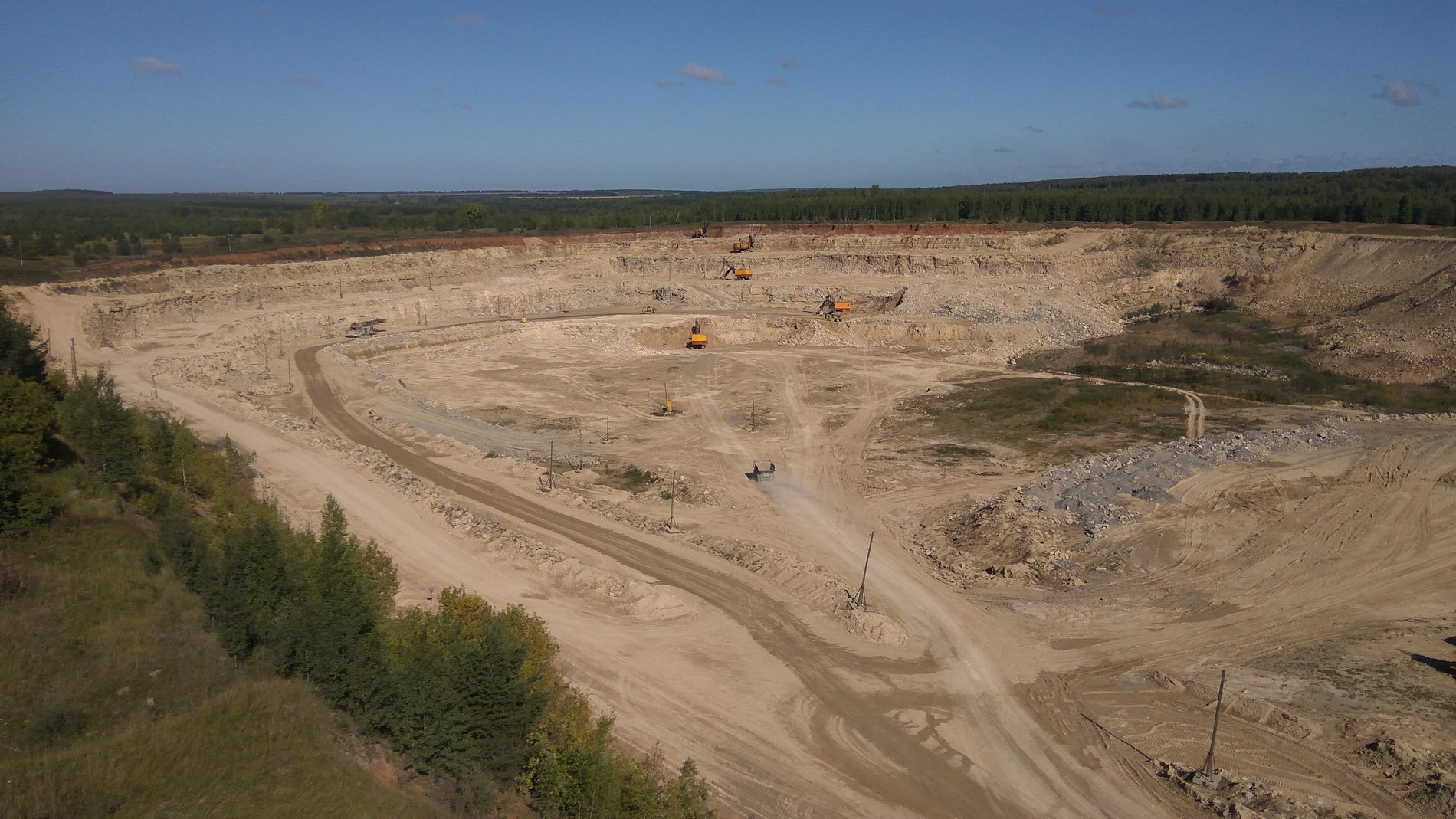
Open-pit quarries require accurate digital models for planning, reconstruction, and infrastructure coordination. In active quarry environments, terrain changes over time, haul roads are reworked, conveyors are extended, and plant layouts are often modified during operations. Scan to BIM for quarries converts laser scan and point cloud data into a structured BIM model of actual site conditions for engineering and project planning.
For quarry operators, contractors, and technical teams, this provides a more reliable basis for working with processing plants, benches, haul roads, transfer points, support structures, and site infrastructure before upgrade or redesign work begins.
Contact Us Now for a Free Consultation!
Scan to BIM Services for Quarry Plants and Open-Pit Infrastructure
Our scan to BIM services for quarry facilities are used to transform captured site geometry into a model suitable for engineering review, design development, and coordination. This includes processing scan data from quarry plants, open-pit infrastructure, and surrounding operational zones.
The service is typically used for:
- plant modernization
- quarry infrastructure upgrades
- conveyor and transfer structure coordination
- haul road and access route review
- equipment replacement planning
- existing-condition modeling for brownfield sites
- preparation for design and reconstruction work
Where required, the workflow can begin with 3D Laser Scanning and continue through Point Cloud Processing before model development.
What Can Be Included in a Quarry Scan to BIM Model
A quarry scan to BIM model may include:
- crushers and screening systems
- conveyors and transfer points
- stockpile and loading zones
- structural steel supports
- access platforms, stairs, and walkways
- haul roads and site routes
- retaining structures and berms
- drainage channels and utility lines
- plant buildings and service areas
Depending on project scope, the model may focus on one quarry plant zone or cover a larger open-pit mining environment.
Why Scan to BIM Is Used in Open-Pit Quarry Projects
In quarry operations, existing documentation often falls behind real site conditions. Terrain changes, plant systems are modified, and infrastructure is extended in phases. As a result, design or reconstruction work based only on legacy drawings can create errors before site works even start.
Scan to BIM is commonly used when teams need to:
- document current quarry conditions
- verify quarry plant layouts before upgrades
- coordinate conveyors and support structures
- prepare models for engineering redesign
- plan equipment relocation
- reduce uncertainty in brownfield reconstruction projects
This is especially valuable in active quarry environments where production areas, access routes, and plant systems evolve over time.
Scan to BIM for Conveyors, Processing Plants, and Quarry Infrastructure
Quarry facilities depend on the coordination of terrain, plant equipment, transport routes, and support structures. Scan to BIM is often used to model the most critical areas before engineering work moves forward.
Conveyors and Transfer Structures
BIM models of conveyor routes, transfer points, and support steel help teams coordinate plant extensions, realignment, and replacement work.
Processing Plant Areas
Crusher and screening zones can be modeled to support layout verification, equipment integration, and reconstruction planning.
Haul Roads and Access Routes
Scan-based modeling of site routes supports planning of road changes, slope review, and coordination with adjacent infrastructure.
Quarry Infrastructure
Drainage, retaining elements, berms, and utility corridors can also be included where they affect plant development or operational planning.
What Makes Quarry Scan to BIM Different
Open-pit quarry projects are different from enclosed industrial sites because the environment is larger, more variable, and often affected by production activity.
Typical project challenges include:
- changing bench geometry
- multiple elevation levels across the site
- long conveyor alignments
- active haul traffic and moving machinery
- dust and visibility conditions
- repeated updates in evolving quarry zones
Because of this, quarry scan to BIM requires careful control of captured geometry and model scope to ensure the final output remains practical for engineering use.
Table: Typical Deliverables for Quarry Scan to BIM Projects
| Deliverable | Practical Use |
| Existing-condition BIM model | Base for engineering, redesign, and reconstruction |
| Linked point cloud | Geometry verification and model review |
| Modeled conveyor and plant systems | Coordination of upgrades and extensions |
| Terrain-related modeled areas | Planning of routes, slopes, and access changes |
| Structural BIM model | Review of supports, platforms, and steel modifications |
| Sections, plans, and views | Internal engineering communication and project review |
Examples of Scan to BIM Applications
Scan to BIM Projects


Scan to BIM for Quarry Modernization and Expansion
For modernization and expansion projects, scan to BIM gives quarry operators and engineers a practical digital basis for working with actual site conditions. Instead of relying on fragmented measurements or outdated layouts, the team receives a model that reflects current plant and infrastructure geometry.
This supports better planning before:
- extending conveyors
- upgrading crushers or process equipment
- modifying structural supports
- changing access routes
- redesigning quarry infrastructure
- preparing coordinated models for further BIM Modeling or As-Built Drawings
Scan to BIM for open-pit quarries helps convert scan data into a structured model of real quarry conditions. For conveyors, plant layouts, haul roads, benches, and infrastructure zones, it provides a more reliable basis for engineering, reconstruction, and operational planning.
FAQ
What is scan to BIM for quarries?
Scan to BIM for quarries is the process of converting laser-scanned point cloud data into a structured BIM model representing quarry infrastructure, plant systems, and terrain.
Why is scan to BIM important for open pit quarry operations?
It provides accurate, up-to-date spatial data that supports engineering decisions, improves coordination, and reduces risks during upgrades or expansions.
What level of detail is included in a quarry BIM model?
The level of detail depends on project requirements but typically includes terrain surfaces, plant equipment, conveyors, structural elements, and infrastructure systems.
How often should quarry sites be scanned?
This depends on the rate of change in quarry operations. Active sites may require periodic scanning to maintain an accurate digital model.
Can scan to BIM be used for existing quarry plants without documentation?
Yes. Scan to BIM is particularly useful for legacy facilities where original drawings are missing or outdated, enabling reconstruction of accurate as-built models.

