

Point cloud processing for ore processing plants is the preparation of scan data for engineering use. It typically includes registration, cleaning, segmentation, clipping, and formatting of point cloud datasets for design, coordination, documentation, and upgrade projects.
Point Cloud Processing for Ore processing plants
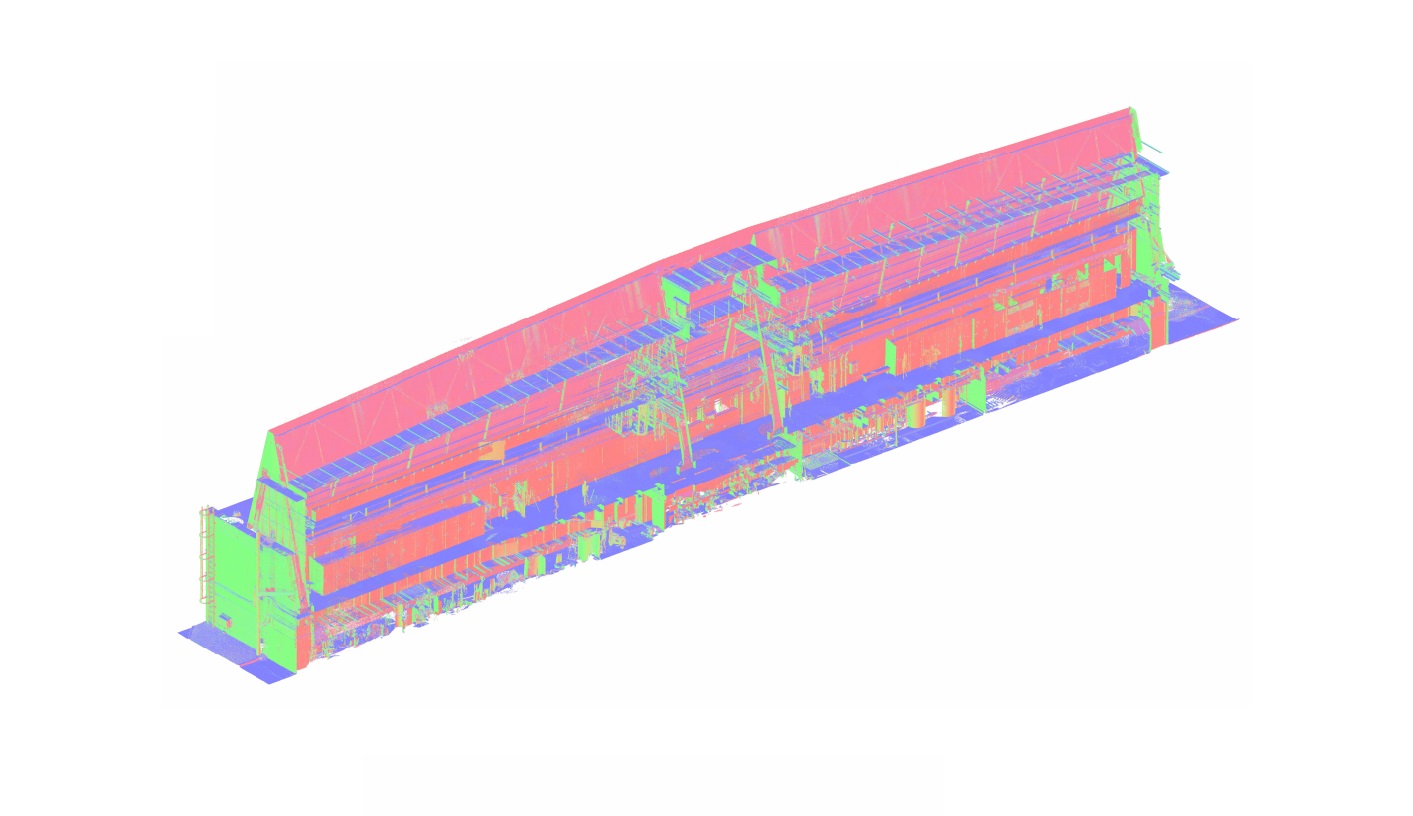
Ore processing plants need clean, usable spatial data before engineering work can move forward. Raw scan files on their own are not enough for reconstruction, equipment replacement, layout verification, or documentation updates. Point cloud processing for ore processing plants turns scan data into a structured dataset that can be used for design, coordination, and plant upgrade planning.
For brownfield facilities, this is a practical step between field capture and engineering output. Processed point cloud data helps plant owners, designers, and contractors work with the actual geometry of conveyors, platforms, transfer points, steel structures, piping routes, and equipment zones.
Contact Us Now for a Free Consultation!
Point Cloud Processing Services for Ore Processing Plants
Our point cloud processing services for ore processing plants are focused on preparing scan data for real project use. This includes registration, cleaning, segmentation, clipping, alignment, and dataset preparation for design teams working on modernization, reconstruction, maintenance, and expansion scopes.
Depending on the task, processed datasets can support 3D Laser Scanning, Scan to BIM, BIM Modeling, As-Built Drawings, or selected Reverse Engineering workflows within ore processing facilities.
What Processed Point Cloud Data Is Used for
Processed point cloud data is typically used for:
- plant modernization planning
- equipment replacement reviews
- conveyor and transfer point upgrades
- steel modification projects
- piping coordination
- layout verification
- contractor documentation
- existing-condition record updates
- preparation for BIM and drawing production
For ore processing plants, this means teams can work with verified existing geometry before fabrication, installation, or site modification starts.
Point Cloud Processing for Conveyors, Steel, Piping, and Process Areas
In ore processing facilities, point cloud preparation is often required for the most constrained and heavily modified plant zones.
Conveyor Systems and Transfer Points
Point cloud datasets are cleaned and clipped for conveyor galleries, supports, transfer structures, loading zones, and maintenance routes. This helps teams isolate the relevant geometry for upgrade and replacement planning.
Structural Steel and Access Platforms
Processed data is used to review columns, beams, support frames, stairs, platforms, and access structures where dimensional accuracy is critical before modification work.
Piping and Process Interfaces
Point cloud preparation helps identify pipe runs, tie-in areas, support levels, and route conflicts in process-heavy areas where plant geometry is difficult to read from raw scans alone.
Equipment and Material Handling Zones
Crusher areas, mill surroundings, flotation sections, hoppers, and chutes often require segmented datasets so engineering teams can work only with the relevant part of the facility.
What Is Included in Point Cloud Processing for Ore Processing Plants
A typical scope may include:
- scan registration
- cloud alignment and quality control
- noise removal
- cleaning of unwanted geometry
- clipping by area or discipline
- segmentation of plant zones
- coordinate system setup
- dataset optimization for engineering use
- export in required formats
The result is a cleaner and more usable dataset for downstream project work rather than an unstructured raw scan archive.
Problems Point Cloud Processing Solves in Ore Processing Plants
Ore processing plants usually present the same practical problem: scan data exists, but it is not yet ready for engineering use. Point cloud processing helps solve that by reducing noise, isolating relevant zones, and preparing data for specific project tasks.
This is especially useful when teams need to:
- work with large scan datasets from active plants
- separate crusher, mill, conveyor, or flotation zones
- prepare plant data for design consultants
- reduce time spent navigating raw scans
- improve geometry review before plant upgrades
- create a reliable base for model or drawing development
For existing industrial facilities, this reduces preparation time and makes scan-based project work more efficient.
Table: Point Cloud Processing Deliverables for Ore Processing Plants
| Deliverable | Project Use |
|---|---|
| Registered point cloud | Base dataset for engineering review |
| Cleaned point cloud | Easier navigation and geometry interpretation |
| Segmented plant zones | Separate work areas for project teams |
| Clipped datasets | Focused review of specific structures or systems |
| Optimized files for BIM or CAD teams | Faster downstream design workflows |
| Exported point cloud formats | Compatibility with project software environments |
Point Cloud Processing for Existing Ore Processing Plants
Point cloud processing for existing ore processing plants is especially important where facilities have expanded over time and scan datasets cover dense, multi-level production environments. In these conditions, raw data needs to be structured before it can support engineering decisions.
For modernization, shutdown planning, reconstruction, and equipment-related work, processed point cloud data provides a more practical basis for project teams working with actual plant conditions.
Industrial point cloud processing for ore processing plants helps turn raw scan information into usable engineering data for conveyors, steel structures, piping routes, access systems, and process areas. For brownfield facilities, this is a key step between field capture and project delivery.
FAQ
What is point cloud processing for ore processing plants?
What is point cloud processing for ore processing plants?
What can point cloud processing be used for in ore processing plants?
What can point cloud processing be used for in ore processing plants?
Why is point cloud processing important for existing ore processing plants?
Why is point cloud processing important for existing ore processing plants?
Existing ore processing plants often contain dense layouts, multiple modifications, and large scan datasets that are difficult to use in raw form. Point cloud processing makes the data more usable for engineering teams working on modernization, maintenance, and reconstruction.
What areas of an ore processing plant can be processed as separate datasets?
What areas of an ore processing plant can be processed as separate datasets?
Point cloud data can be prepared separately for conveyor galleries, transfer points, crusher zones, grinding mill areas, flotation sections, piping routes, structural steel, access platforms, and material handling systems.
What deliverables are included in point cloud processing services?
What deliverables are included in point cloud processing services?
Typical deliverables include a registered point cloud, cleaned dataset, segmented plant zones, clipped scan areas, optimized files for BIM or CAD teams, and exported formats suitable for project software.
Can point cloud processing support other services for ore processing plants?
Can point cloud processing support other services for ore processing plants?
Yes. Processed point cloud data is often used as a base for 3D laser scanning workflows, Scan to BIM, BIM modeling, as-built drawings, and selected reverse engineering tasks in ore processing plants.
We work in cities all over the world

