




Transport infrastructure includes large and complex engineering systems such as tunnels, highways, bridges, seaports, airports, and railway stations. These facilities operate continuously and require accurate transport infrastructure documentation to support maintenance, infrastructure modernization, and reconstruction projects.
Many transport systems have been upgraded multiple times during their lifecycle, which often leads to outdated engineering documentation. Engineers therefore require reliable digital data that reflects the real condition of infrastructure systems. Accurate transport infrastructure modeling allows engineering teams to analyze structural elements, coordinate infrastructure upgrades, and plan modernization projects.
SCANM2 provides digital engineering services for transportation infrastructure using 3D laser scanning, point cloud processing, Scan-to-BIM, BIM modeling, as-built drawings, and reverse engineering. These technologies allow engineers to capture accurate spatial information and create reliable transport infrastructure digital models used for engineering analysis and infrastructure lifecycle management.
Engineering Challenges in Transport Infrastructure
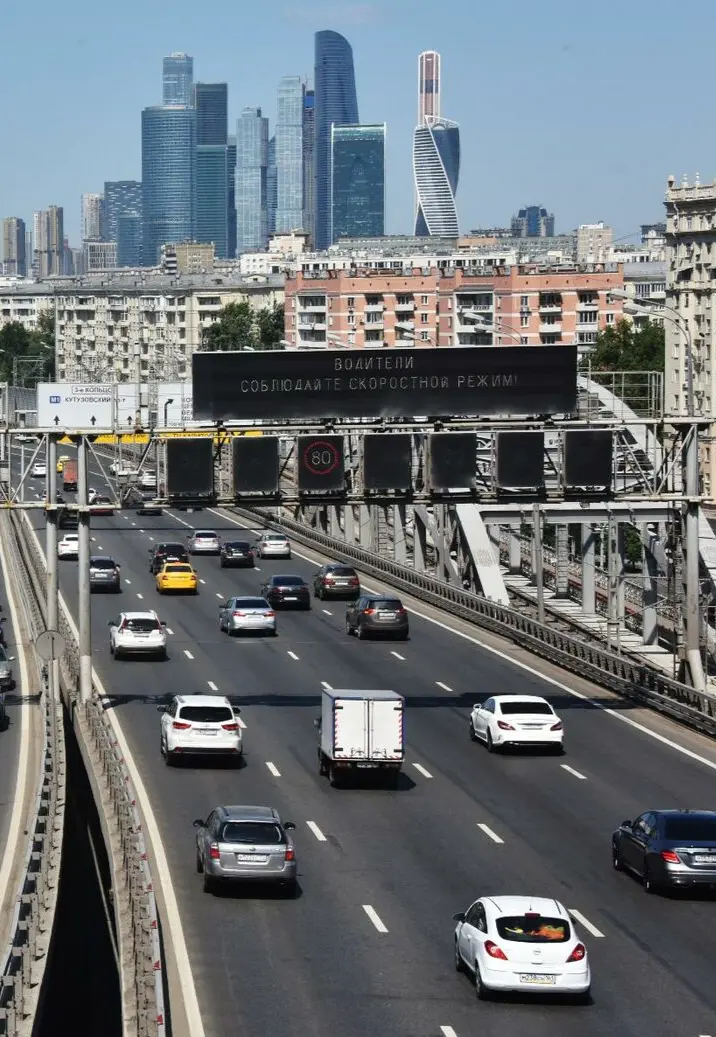
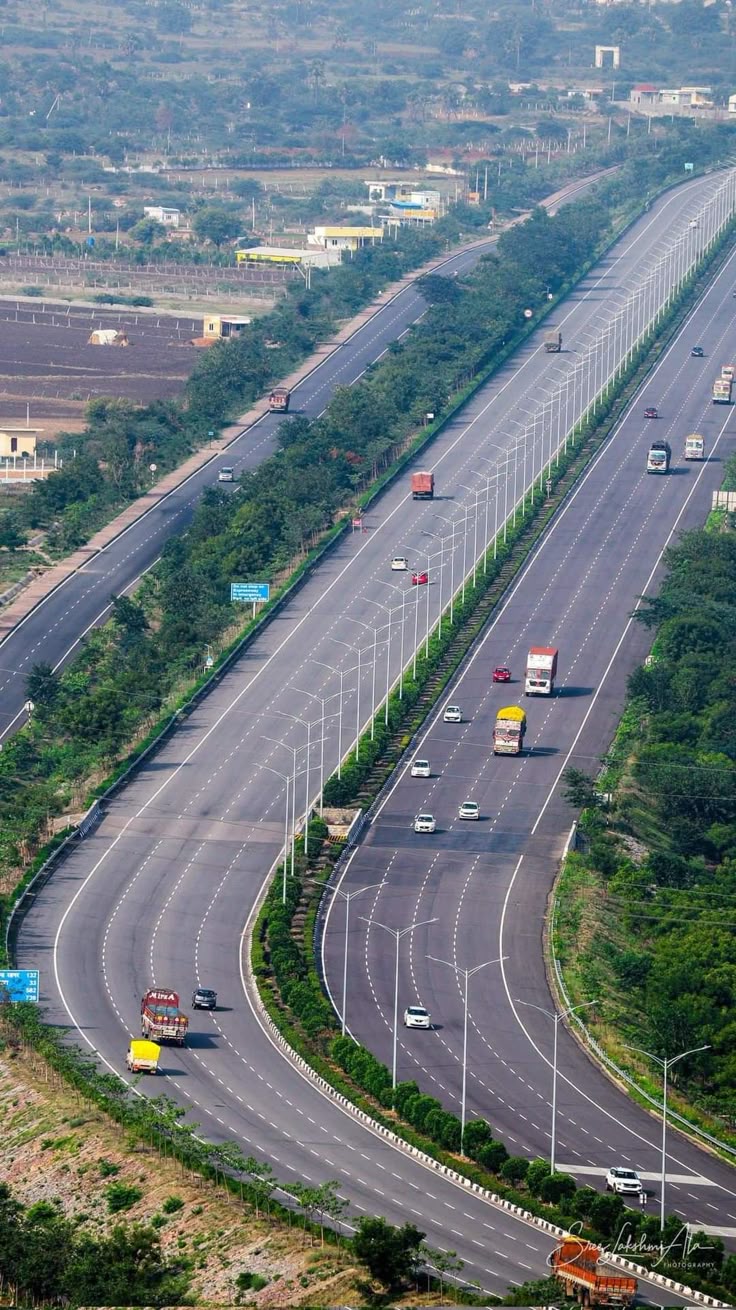
Transport infrastructure projects involve large-scale engineering systems and complex structural environments. Highways, tunnels, bridges, and transport hubs often extend across large territories and include multiple interconnected engineering installations.
Typical challenges when documenting transport infrastructure systems include:
- long highway and road infrastructure corridors
- complex bridge structural systems
- underground tunnel infrastructure
- large airport terminals and transport hubs
- railway station infrastructure and rail systems
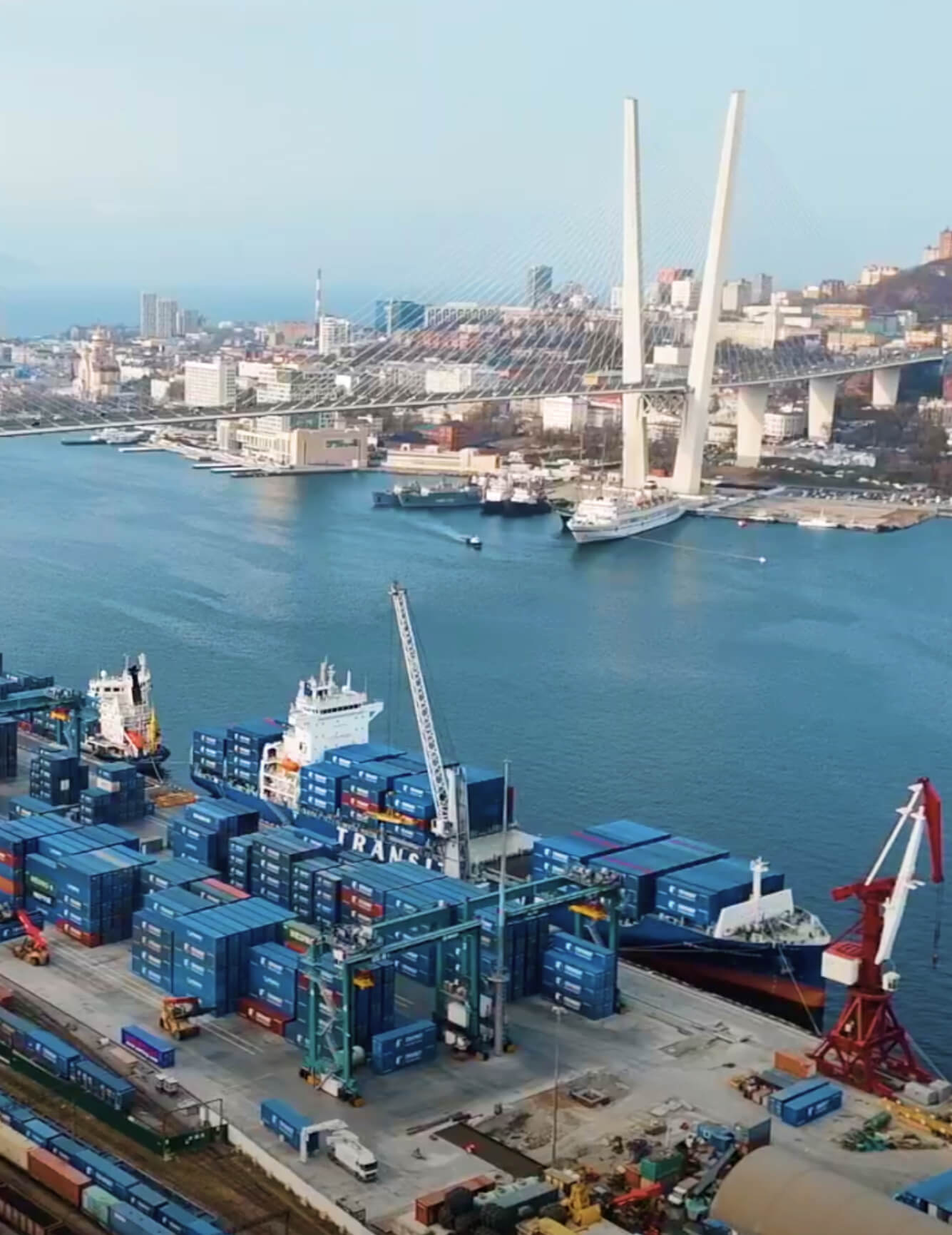
- seaport logistics terminals and port infrastructure
Accurate transport infrastructure engineering documentation is required to analyze these environments and support infrastructure modernization projects.
Modern digital engineering technologies allow engineers to capture precise spatial data of infrastructure facilities while minimizing disruption to transport operations.
Digital Documentation of Transport Infrastructure
Reliable transport infrastructure digital documentation plays an important role in infrastructure management and reconstruction planning. Digital engineering models allow engineers to evaluate structural geometry, analyze infrastructure layouts, and coordinate large engineering teams working on infrastructure projects.
Accurate digital documentation is widely used for:
- tunnel infrastructure documentation for underground transport systems
- highway infrastructure documentation for road networks and transport corridors
- bridge infrastructure documentation for structural inspection and maintenance
- airport infrastructure documentation for terminals and aviation facilities
- seaport infrastructure documentation for cargo terminals and logistics hubs
- railway infrastructure documentation for stations and railway transport systems
Digital infrastructure models improve engineering accuracy and support transport infrastructure modernization planning for complex transportation networks.
3D Laser Scanning for Transport Infrastructure
3D laser scanning for transport infrastructure allows engineers to capture accurate spatial data of tunnels, highways, bridges, railway stations, airports, and port terminals. Laser scanners collect millions of spatial points representing the geometry of infrastructure systems.
These datasets provide highly accurate measurements of structural elements and engineering installations used in transportation infrastructure. Accurate scan data forms the foundation for reliable infrastructure documentation and digital modeling.
Laser scanning is widely used for documenting:
- tunnel infrastructure
- bridge structural systems
- highway infrastructure corridors
- airport terminal infrastructure
- railway station facilities
- port logistics terminals
Point Cloud Processing for Infrastructure Data
After scanning, captured datasets are transformed into structured digital environments using point cloud processing for transport infrastructure. Processing includes scan registration, filtering, segmentation, and classification of spatial data.
Processed point cloud models accurately represent the geometry of infrastructure systems and allow engineers to analyze structural elements and engineering installations with high precision.
These models support engineering analysis, infrastructure documentation, and modernization planning for complex transport facilities.
Scan-to-BIM for Transport Facilities
Scan-to-BIM for transport infrastructure converts laser scanning data into intelligent BIM models representing bridges, tunnels, terminals, and other infrastructure components.
BIM models provide a coordinated digital environment that allows engineers to visualize infrastructure systems and analyze spatial relationships between structural elements and engineering installations.
Scan-to-BIM workflows help engineering teams coordinate reconstruction projects, plan infrastructure upgrades, and maintain reliable digital documentation of transport facilities.
BIM Modeling for Transport Infrastructure
BIM modeling for transport infrastructure enables engineers and infrastructure planners to create detailed digital representations of transport systems. BIM models integrate structural elements, engineering systems, and spatial data into a single coordinated digital model.
These models support:
- infrastructure reconstruction planning
- engineering coordination between disciplines
- lifecycle management of transport facilities
- modernization of transport infrastructure systems
BIM environments allow engineers to analyze infrastructure conditions and plan complex reconstruction projects more efficiently.
As-Built Drawings for Transport Infrastructure
Accurate as-built drawings for transport infrastructure provide verified engineering documentation of infrastructure systems including bridges, tunnels, terminals, and railway stations.
These drawings reflect the actual geometry and configuration of infrastructure elements and are essential for maintenance planning and infrastructure upgrades.
Reliable transport infrastructure engineering documentation helps engineers evaluate structural conditions and coordinate reconstruction projects more effectively.
Reverse Engineering for Transport Infrastructure Components
Transport infrastructure often includes structural components and engineering systems that have been modified over time. When original documentation is unavailable, reverse engineering for transport infrastructure allows engineers to recreate accurate digital models based on scan data.
Reverse engineering technologies help reconstruct infrastructure components and structural elements used in bridges, tunnels, terminals, and transport facilities.
These digital models support infrastructure modernization, equipment replacement, and engineering analysis of complex transport systems.

