

Concrete Scanning Services for Construction Projects in the USA
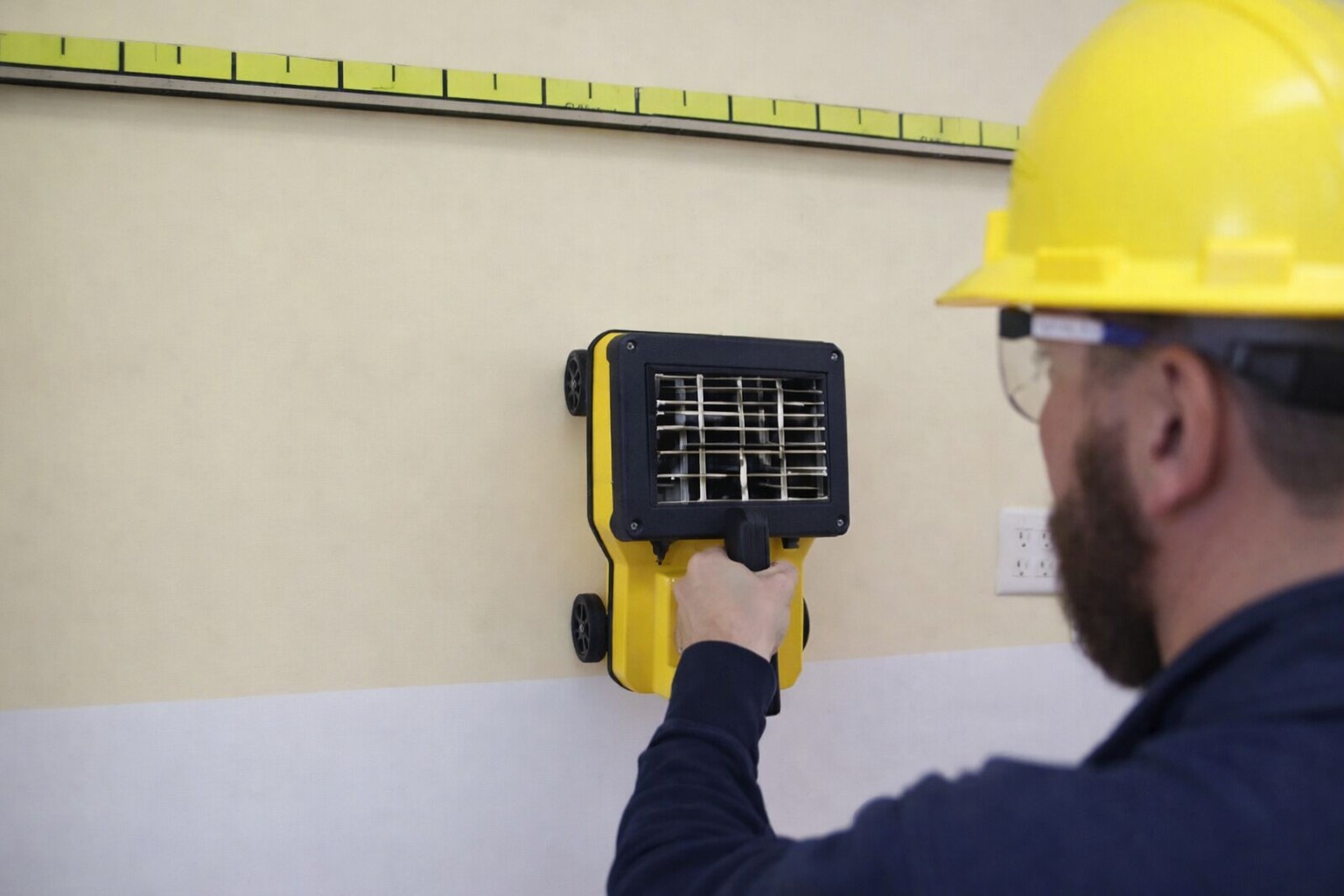
Concrete scanning services in the USA are a critical safety measure used before drilling, coring, cutting, or modifying concrete structures. Modern buildings often contain hidden elements such as reinforcing steel, post-tension cables, electrical conduits, and embedded utilities that can cause serious damage if struck during construction work.
Using concrete scanning with GPR, contractors and engineers can accurately locate these elements before any invasive operation begins. This reduces structural risk, prevents costly repairs, and improves overall jobsite safety.
What Is Concrete Scanning
Concrete scanning is a non-destructive process used to detect objects embedded inside concrete slabs, walls, beams, and foundations. The most common technology used today is ground penetrating radar (GPR), which allows real-time visualization of subsurface elements without damaging the structure.
Unlike destructive methods, concrete scanning services:
- do not require drilling test holes
- can be performed on active job sites
- provide immediate results
- support safer decision-making before construction work
Because of these advantages, concrete scanning in the USA has become a standard requirement for many drilling, coring, and renovation projects.
Concrete Scanning Before Drilling, Coring, and Cutting
One of the most common reasons for ordering concrete scanning services is preparation for drilling or coring operations. Anchors, sleeves, and penetrations placed without scanning can intersect reinforcement or post-tension systems, leading to structural damage and safety hazards.
Concrete scanning before drilling helps to:
- locate rebar and reinforcing steel
- identify post-tension (PT) cables
- determine slab thickness
- detect embedded conduits and objects
This makes scan concrete before drilling a critical step for contractors, mechanical trades, and structural modifications.
What Can Be Detected with Concrete Scanning
Using GPR concrete scanning, the following elements can typically be identified:
- rebar detection in concrete
- post tension cable detection
- electrical and data conduits
- slab thickness variations
- embedded pipes and objects
Accurate detection allows teams to plan drilling locations safely and avoid costly mistakes.

Concrete Scanning vs Concrete X-Ray
Concrete X-ray was historically used to locate embedded elements, but today GPR concrete scanning is often preferred due to safety and flexibility.
Concrete Scanning Comparison
| Criteria | GPR Concrete Scanning | Concrete X-Ray |
|---|---|---|
| Safety | No radiation exposure | Uses radiation |
| Site Access | Allowed in occupied buildings | Restricted zones required |
| Permits | No special permits | Often required |
| Speed | Fast setup and scanning | Slower process |
| Typical Use | Drilling, coring, cutting | Limited use cases |
Because of these advantages, concrete scanning services in the USA increasingly rely on GPR as a safer alternative to X-ray methods.
Accuracy and Limitations of Concrete Scanning
Concrete scanning accuracy depends on several factors:
- concrete density and composition
- moisture content
- depth of embedded elements
- operator experience
While concrete GPR scanning provides highly reliable results, it is most effective when performed by trained specialists using professional equipment.
Industries That Use Concrete Scanning Services
Our concrete scanning services are commonly used across the following industries in the USA:
- commercial and residential construction
- infrastructure and transportation
- industrial and manufacturing facilities
- renovation and retrofit projects
- healthcare and institutional buildings
In each case, concrete scanning supports safer and more efficient construction workflows.
Concrete Scanning Cost in the USA
Concrete scanning cost in the USA varies depending on:
- size of the scanned area
- slab thickness and complexity
- number of detected elements
- site accessibility
Pricing is typically project-specific. Accurate estimates require basic information about the structure and scope of work.
FAQ — Concrete Scanning Services
What is concrete scanning used for?
Concrete scanning is used to locate rebar, post-tension cables, conduits, and slab thickness before drilling or cutting concrete.
Is concrete scanning required before drilling?
In many projects, concrete scanning before drilling is strongly recommended to reduce safety and structural risks.
How accurate is concrete scanning?
When performed correctly, concrete scanning services provide reliable location and depth information for most embedded elements.
Is concrete scanning safe?
Yes. Concrete GPR scanning does not use radiation and is safe for people and structures.
Request Concrete Scanning Services in the USA
If your project requires safe drilling, coring, or cutting, professional concrete scanning services in the USA can help reduce risks and prevent costly damage.
We work with contractors, engineers, and facility owners to deliver accurate scanning results before construction begins.
Contact us to discuss your project and schedule concrete scanning services.

