

BIM Model Audit: What to Check
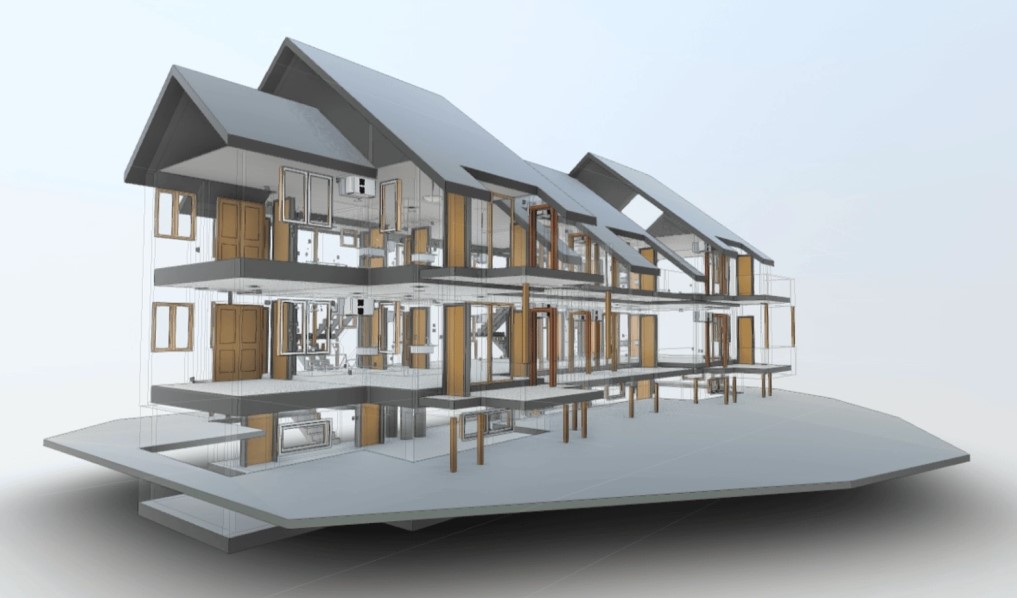

Building Information Modeling has transformed the architecture, engineering, and construction industry by enabling detailed digital representations of buildings and infrastructure. Modern BIM models integrate architectural, structural, and MEP systems into a single coordinated environment that supports design, construction, and facility management.
However, as models evolve through multiple design stages, errors can accumulate. Geometry conflicts, inconsistent naming conventions, incorrect parameters, and coordination issues can significantly affect project delivery.
A BIM model audit is a structured technical process used to evaluate the integrity, accuracy, and compliance of a BIM model before it is used for coordination, construction, or facility management.
During a BIM audit, specialists analyze model geometry, data structure, parameters, and coordination between disciplines. This process helps identify issues early and ensures that the model meets project standards.
Why BIM Model Audits Are Critical for Construction Projects
Large BIM projects involve multiple contributors, including architects, engineers, contractors, and BIM coordinators. Without regular model validation, inconsistencies may appear between disciplines.
A professional BIM audit helps ensure that the model remains reliable throughout the project lifecycle.
Key benefits of BIM model auditing
• improved model accuracy
• detection of coordination conflicts
• compliance with BIM standards
• reduced construction risks
• better data quality for facility management
Organizations that use professional professional BIM model auditing services can detect coordination problems early and maintain reliable digital project documentation.
In many renovation and retrofit projects, BIM models are created from existing buildings using Scan-to-BIM services based on laser scanning data.
Accurate point cloud processing and BIM modeling ensure that the digital model reflects real building geometry before the BIM audit process begins.
BIM Model Audit Checklist
A structured audit checklist allows BIM specialists to review models systematically. Each aspect of the model must be verified to ensure compliance with project requirements.
| Audit Category | What is Checked | Purpose |
|---|---|---|
| Model geometry | alignment, dimensions, object placement | ensure spatial accuracy |
| Parameters and metadata | element parameters, classification | maintain consistent BIM data |
| Naming conventions | families, views, sheets | ensure standardized structure |
| Clash detection | intersections between systems | detect coordination conflicts |
| Model performance | unused families, heavy geometry | optimize model efficiency |
| BIM standards | compliance with project BIM Execution Plan | maintain project standards |
Using a consistent BIM audit checklist ensures that model validation follows the same quality control process across all project stages.
Revit Model Audit: Key Elements to Check

Most BIM projects are developed in Autodesk Revit, making Revit model audits a critical step in quality control. A revit model audit focuses on the internal structure of the model and evaluates how elements are created, organized, and parameterized.
During a Revit model review, BIM specialists analyze several key aspects of the model.
Core components of a Revit model audit
| Revit Audit Area | What Engineers Review |
|---|---|
| Family structure | correct family types and parameters |
| Model hierarchy | levels, grids, worksets |
| Parameter consistency | shared parameters and metadata |
| Naming conventions | standardized element naming |
| Model cleanliness | unused elements and duplicated families |
| Performance optimization | model size and load efficiency |
A proper revit model audit improves model stability and ensures that BIM data remains structured and usable for downstream workflows such as coordination and facility management.
Clash Detection Review During a BIM Model Audit

Clash detection is one of the most important steps in BIM model validation. When multiple disciplines develop models independently, spatial conflicts between systems may occur.
For example:
• HVAC ducts intersect structural beams
• plumbing pipes collide with electrical trays
• architectural elements overlap structural components
During the audit process, BIM specialists perform a detailed clash detection review using tools such as Navisworks or BIM coordination software.
Typical clash detection workflow
| Step | Description |
|---|---|
| Model aggregation | combine discipline models |
| Clash rule setup | define clash detection rules |
| Conflict detection | identify geometry conflicts |
| Issue classification | categorize clashes by severity |
| Coordination resolution | assign tasks to project teams |
Resolving clashes early prevents costly construction changes and delays.
BIM Model Accuracy and Geometry Verification
Another critical component of the audit process is model geometry verification. This step ensures that the model accurately represents the physical structure and systems of the building.
Contact Us Now for a Free Consultation!
Geometry verification includes checking:
• wall and floor alignment
• structural grid consistency
• element positioning
• dimensional accuracy
• model tolerances
High-quality BIM models typically maintain millimeter-level accuracy, allowing them to support engineering analysis and construction planning.
BIM Data Structure and Naming Conventions

Beyond geometry, BIM models contain large amounts of structured data. Proper data organization ensures that models remain understandable and manageable across different project teams.
During a BIM model audit, specialists verify:
| Data Component | Verification Goal |
|---|---|
| element parameters | ensure correct metadata |
| classification systems | verify standardized codes |
| naming conventions | maintain consistent naming |
| model hierarchy | organize levels and categories |
| shared parameters | maintain interoperability |
Well-structured BIM data improves coordination, supports digital twin development, and ensures long-term usability of the model.
When Companies Use BIM Auditing Services
Organizations often perform BIM audits at several key stages of a project lifecycle.
| Project Phase | Purpose of BIM Audit |
|---|---|
| Design development | validate model structure |
| Coordination phase | detect system clashes |
| Pre-construction | verify geometry and parameters |
| Construction | ensure updated documentation |
| Facility management preparation | prepare model for asset management |
Engineering companies frequently rely on independent bim auditing services to verify models before construction begins. External BIM auditors provide an objective evaluation of model quality, helping teams identify issues that internal workflows may overlook.
Conclusion
A BIM model audit plays a crucial role in maintaining model quality, accuracy, and coordination throughout the lifecycle of a construction project. By systematically reviewing geometry, parameters, naming conventions, and coordination between disciplines, BIM specialists ensure that digital building models remain reliable engineering tools.
A structured BIM audit checklist, combined with detailed Revit model audits and clash detection analysis, allows project teams to maintain high BIM standards and reduce risks before construction begins.
As BIM adoption continues to grow across the architecture, engineering, and construction industry, professional BIM auditing will become an essential part of digital project management.

