How Real Estate Agents Use As-Built Models for Virtual Tours

The real estate industry is embracing a digital revolution, with virtual tours emerging as one of the most transformative advancements. These immersive, 3D experiences allow potential buyers and tenants to explore properties remotely, saving time while enhancing decision-making.

Behind every effective virtual tour lies a critical foundation: as-built models. These models deliver the precision and detail required to produce highly realistic representations of physical spaces.

Virtual tours are not just a convenience—they are becoming an expectation. With buyers increasingly starting their property search online, agents need innovative tools to stand out.

In this article, we explore how as-built models, created through advanced technologies like laser 3D scanning, are reshaping the way properties are presented.

What Are As-Built Models and Why Are They Essential?

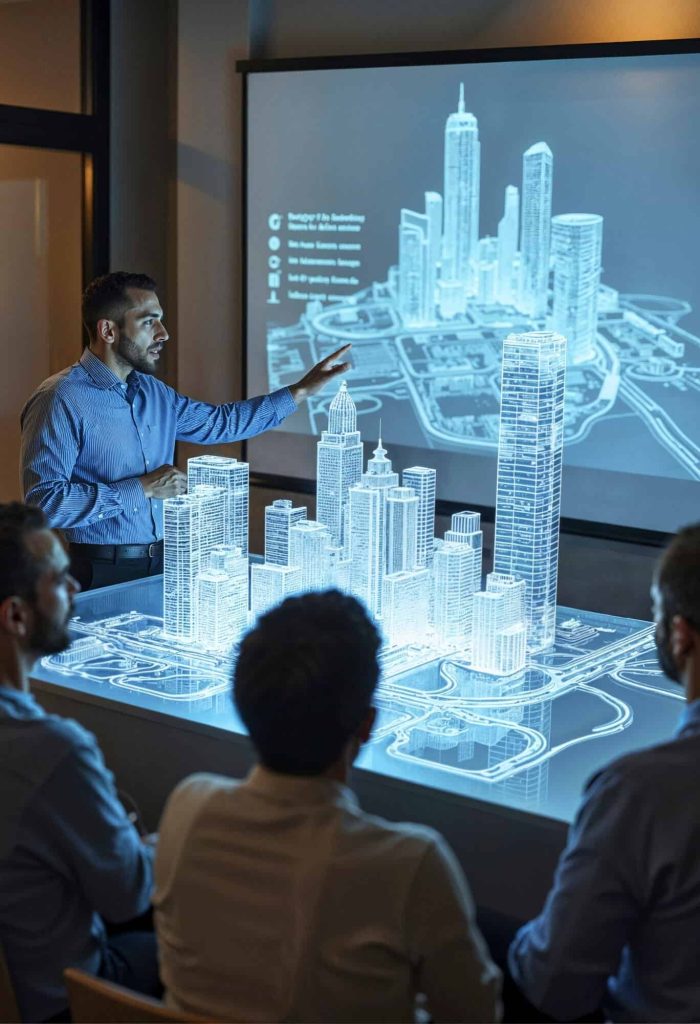
Presentation of a 3D model of a city skyline, with a speaker pointing at the projected virtual layout.

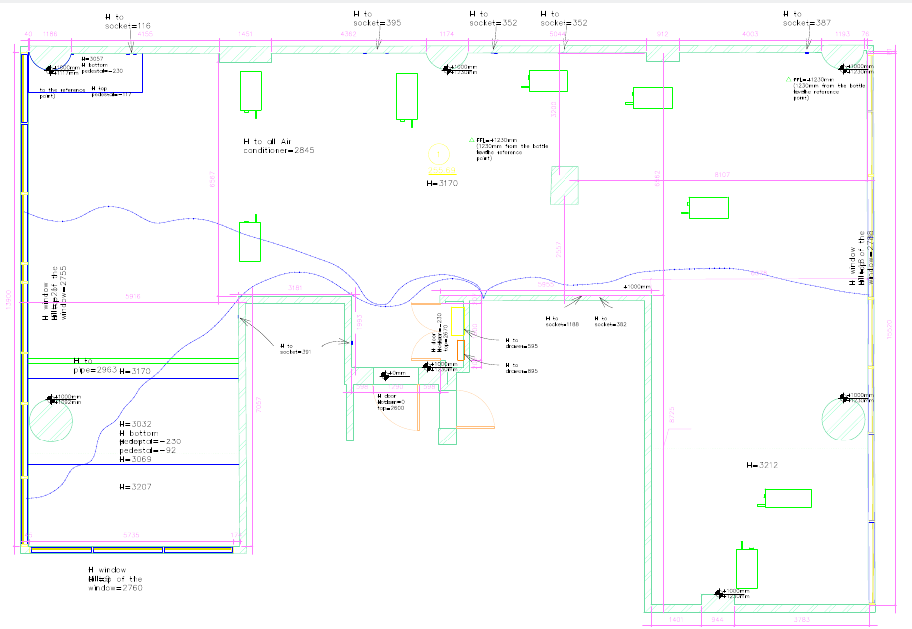
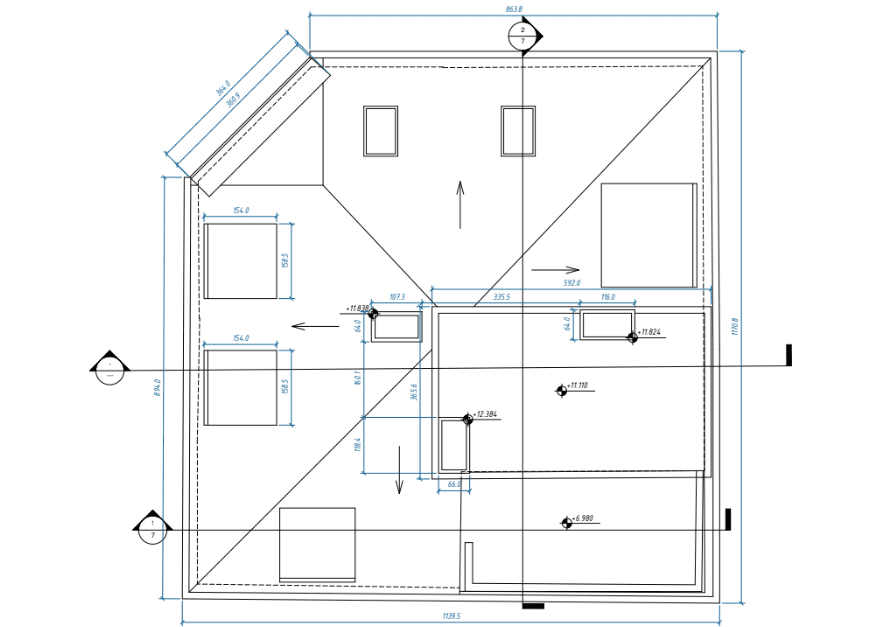
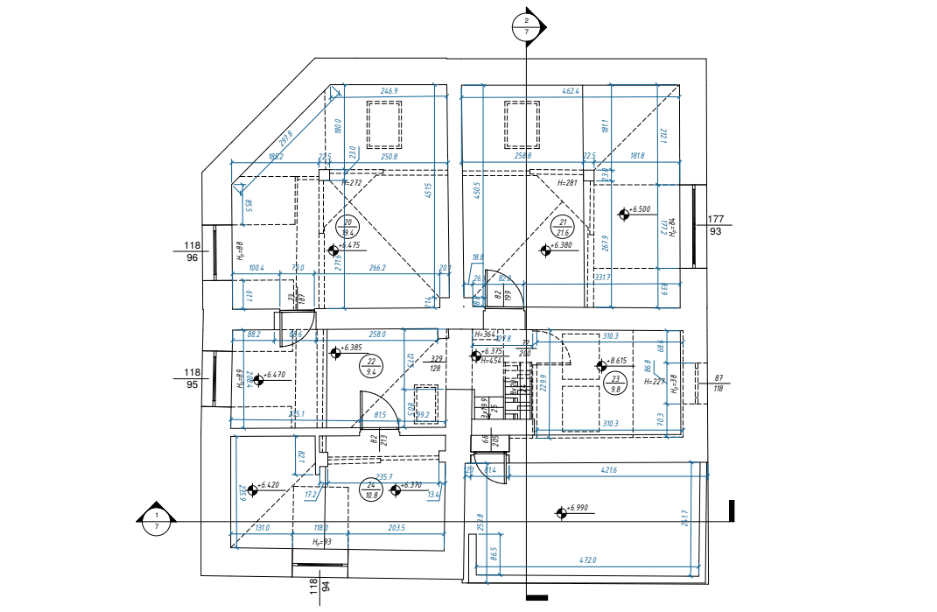
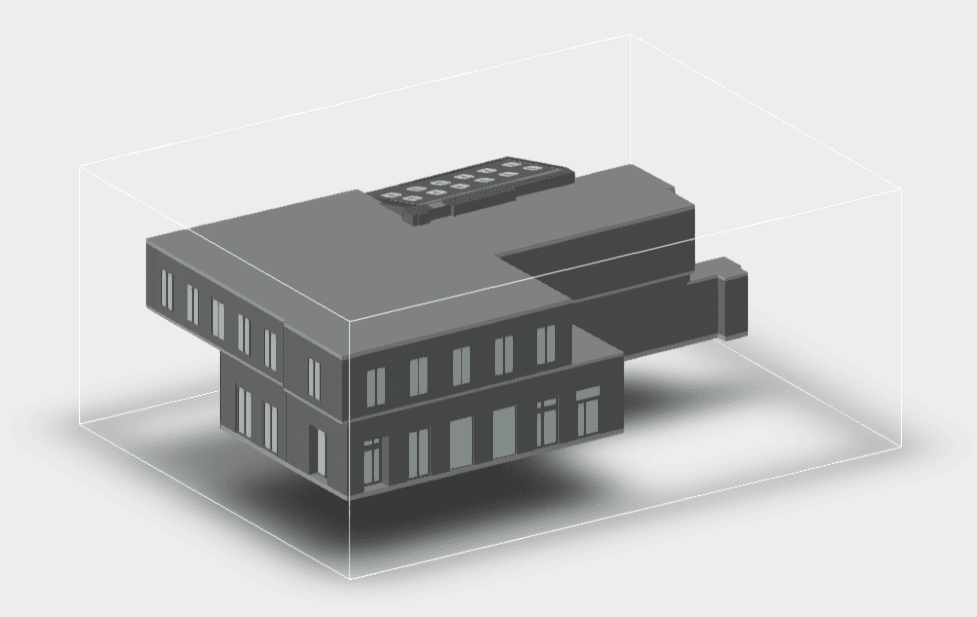
As-built models are accurate digital representations of a building or structure in its current, real-world condition.

Unlike architectural plans or blueprints, which show how a property was intended to be built, as-built models capture every detail of the finished product, including any changes made during construction.

These models are created using cutting-edge laser 3D scanning technology, which captures millions of precise measurements in a matter of minutes.

  • Tools like Faro, Leica, and Trimble scanners generate highly accurate point clouds that serve as the foundation for detailed 3D models.
  • These scans ensure that every corner, surface, and feature of a property is documented with unparalleled precision.

For real estate professionals, the use of as-built models provides a competitive edge by offering clients a complete, accurate, and visually engaging representation of a property.

At scanm2.com, we specialize in laser scanning and creating as-built models for buildings, factories, and other structures, ensuring every detail is captured.

The Benefits of As-Built Models for Real Estate Virtual Tours

1. Accuracy and Realism for Better Representation

When potential buyers explore a property virtually, accuracy is everything. As-built models ensure that the virtual representation matches the physical space down to the millimeter.

This attention to detail enhances the buyer’s trust in the property’s presentation, reducing concerns about discrepancies.

2. Attracting Remote and International Buyers

In today’s global market, not all buyers can visit a property in person. Virtual tours powered by as-built models bridge this gap by providing remote access to properties.

Whether the buyer is in another state or another country, they can experience the property as though they were standing inside it.

3. Saving Time for Agents and Clients

Scheduling multiple in-person property viewings can be a logistical challenge. Virtual tours allow potential buyers to explore properties online, helping them narrow down their choices before scheduling an in-person visit.

This streamlined process saves time for both agents and clients.

4. Integration with Advanced Technologies

As-built models are highly versatile and can seamlessly integrate with virtual reality (VR) and augmented reality (AR) platforms.

  • Buyers can use VR headsets to “walk through” a property.
  • AR tools help visualize potential changes, such as furniture placement or renovations.

These interactive features make properties more appealing and memorable.

5. Marketing That Stands Out

Real estate is a competitive market, and unique, high-quality listings draw more attention. A virtual tour built on an as-built model distinguishes a property from others on the market, attracting more potential buyers.

The Technology Behind As-Built Models

Creating as-built models involves advanced technologies that ensure precision and quality.

Laser 3D Scanning

  • Scanners Used: Faro, Leica, and Trimble.
  • Output: Millions of data points captured in minutes to generate a highly detailed point cloud.

The point cloud is subsequently transformed into a 3D model using advanced software tools.

These models can be tailored for different uses, including virtual tours, renovation planning, or even facility management.

At scanm2.com, we guarantee that our models adhere to the highest industry standards, ensuring their suitability for a wide range of applications.

Applications of As-Built Models in Different Real Estate Markets

1. Residential Properties

For single-family homes, condos, and apartments, virtual tours allow buyers to explore the layout, room dimensions, and overall feel of the space.

As-built models ensure that every detail, from wall measurements to window placements, is represented accurately.

2. Commercial Real Estate

Commercial properties, including offices, retail spaces, and warehouses, gain tremendous value from the use of as-built models.

Business clients can assess whether a space meets their operational needs, such as storage capacity or workspace layouts, without needing an on-site visit.

3. Luxury and High-End Real Estate

Luxury buyers often expect premium experiences when viewing properties.

Virtual tours created with as-built models highlight the unique features of high-end properties, such as custom architecture or intricate interior designs.

4. Renovation and Development Projects

For properties undergoing renovation, as-built models provide a clear baseline for planning changes.

Buyers can use virtual tours to visualize the property’s potential after the renovations are completed.

A modern living room 3D model with ocean view.

Future Trends: The Growing Importance of As-Built Models in Real Estate

The role of as-built models in real estate is set to grow as technology advances.

Key Trends:

  • AI Integration: Automated analysis of as-built models for identifying features or suggesting design improvements.
  • Photorealistic Rendering: Virtual tours will become even more realistic, almost indistinguishable from being there in person.
  • AR and VR Expansion: Advanced integration with AR and VR for immersive exploration experiences.

By staying ahead of these trends, real estate agents can continue to provide cutting-edge marketing solutions to their clients.

Why As-Built Models Are a Must-Have for Real Estate Marketing

In an increasingly digital real estate market, as-built models are revolutionizing how properties are presented and sold.

Their accuracy and versatility make them the ideal foundation for virtual tours, offering buyers a true-to-life experience that simplifies the decision-making process.

Whether you’re marketing a single-family home, a commercial property, or a luxury estate, incorporating as-built models into your strategy can elevate your listings and attract more clients.

At scanm2.com, we provide the expertise and technology to create as-built models that set your properties apart. Explore our website to discover how we can enhance your real estate marketing efforts.

Check our activity on:

How Laser Scanning Helps Create Perfect As-Built Drawings

Modern construction and engineering projects demand precision, efficiency, and clarity at every stage. Laser scanning, a revolutionary technology, has emerged as a cornerstone for producing perfect as-built drawings—detailed and accurate documentation of existing structures. These as-built drawings form the foundation for renovations, expansions, and facility management, ensuring smooth execution of projects.

What Are As-Built Drawings?

Definition of As-Built Drawings

As-built drawings provide accurate depictions of a building or structure in its current state, reflecting any changes or deviations from the original design that occurred during construction. These documents are essential for construction, engineering, and architectural processes, providing a reliable reference for future projects.

The Role of Accuracy in As-Built Drawings

Precision is critical when developing as-built drawings. Missteps in measurement can lead to costly delays, errors, and safety risks. Be it for renovations, retrofitting, or new construction, accuracy enables stakeholders to make well-informed decisions and prevent avoidable issues.

Introduction to Laser Scanning for As-Built Drawings

Laser scanning technology has transformed the way as-built drawings are created. By capturing intricate details of physical spaces through 3D laser scanning services, professionals can generate highly accurate documentation in record time, offering a significant leap from traditional methods.

What Is 3D Laser Scanning?

Technology and Principles of Laser Scanning

Laser scanning involves using high-precision instruments that emit laser beams to capture spatial data. These devices generate millions of measurement points, collectively forming a point cloud, which maps the object or area with exceptional accuracy. The point cloud forms the basis for developing detailed 3D models and accurate as-built plans.

Types of Objects That Can Be Scanned

Laser scanning is incredibly versatile and can be applied to a wide range of projects, including:

  • Buildings and construction sites
  • Industrial plants and facilities
  • Bridges and other civil infrastructure
  • Historical landmarks and monuments
  • Underground utilities and pipelines

Role of 3D Scanners in the Process

Sophisticated 3D scanners, such as terrestrial and mobile scanners, play a crucial role in collecting data. These tools come in various sizes, ranges, and precision levels, enabling accurate documentation of even the most intricate environments.

Advantages of Laser Scanning for Creating As-Built Drawings

Unmatched Accuracy

Laser scanning delivers sub-millimeter precision, virtually eliminating measurement errors. This level of detail is especially critical in construction documentation, where even minor discrepancies can lead to significant setbacks.

Exceptional Speed

Large-scale structures can be scanned in mere hours, significantly reducing the time required for data collection compared to manual methods.

High-Level Detail

Laser scanning captures intricate features, such as architectural flourishes, mechanical systems, and structural irregularities, ensuring comprehensive as-built documentation.

Enhanced Safety

By allowing data collection from a distance, laser scanning minimizes the need for physical presence in hazardous or hard-to-reach areas, enhancing safety for survey teams.

Scalability

Whether documenting a single-family home or a sprawling industrial facility, laser scanning adapts seamlessly to projects of varying sizes and complexities.

The Process of Creating As-Built Drawings Using Laser Scanning

Preparation for Scanning

Before scanning begins, technicians identify optimal scanning locations to ensure complete coverage. The scanner is then positioned and calibrated to capture accurate measurements.

Data Collection via Scanning

The scanning process involves capturing detailed point clouds of the structure or area. Multiple scans may be taken from different angles to ensure comprehensive data collection.

Point Cloud Processing

After collection, the point cloud data is refined and processed with advanced software tools. This step involves cleaning, merging, and organizing the data to create a coherent model.

Creation of As-Built Drawings

Processed point cloud data is converted into detailed 2D drawings or 3D models using tools like AutoCAD, Revit, or similar software. These drawings are then refined to match the specific needs of the project.

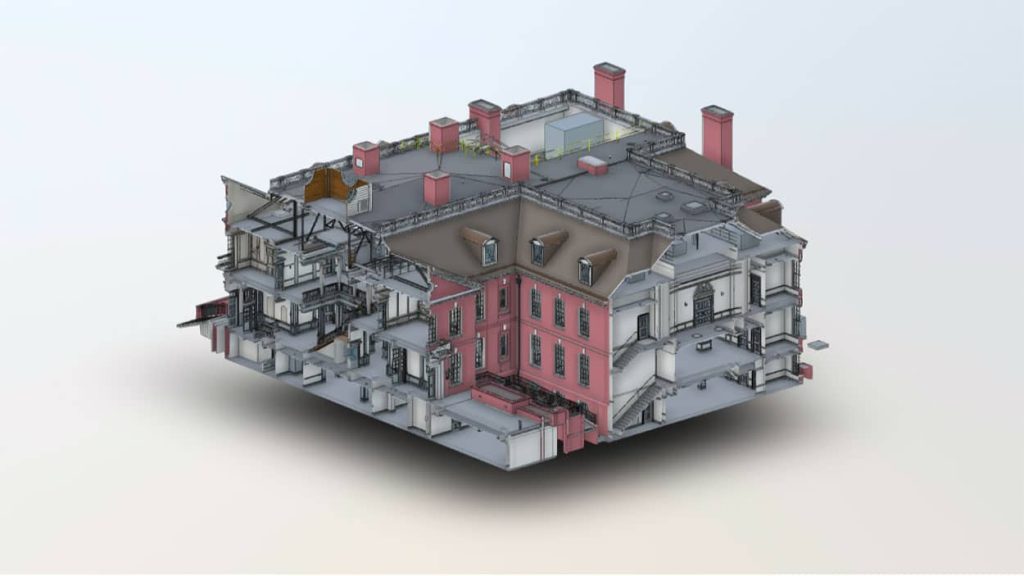
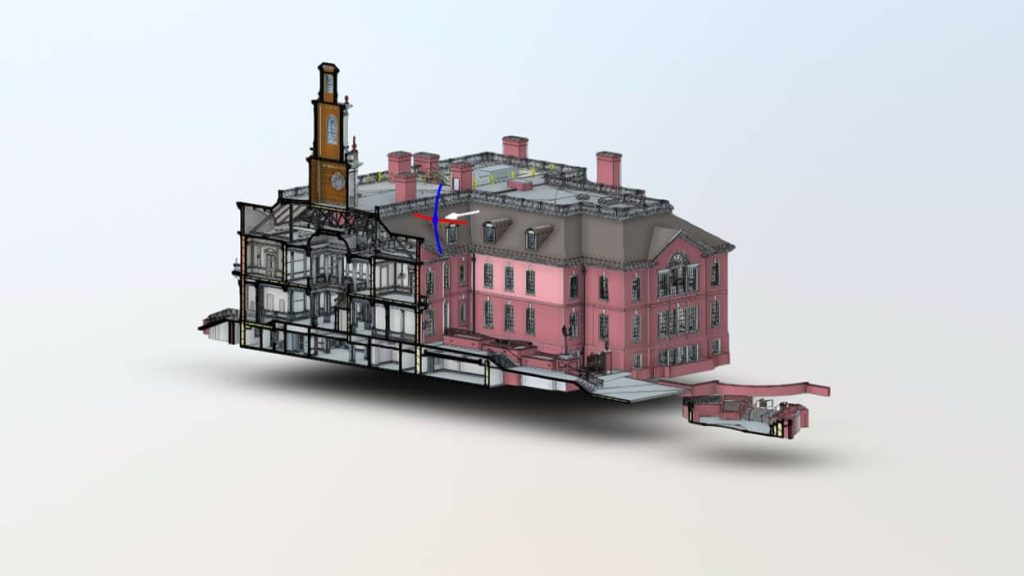
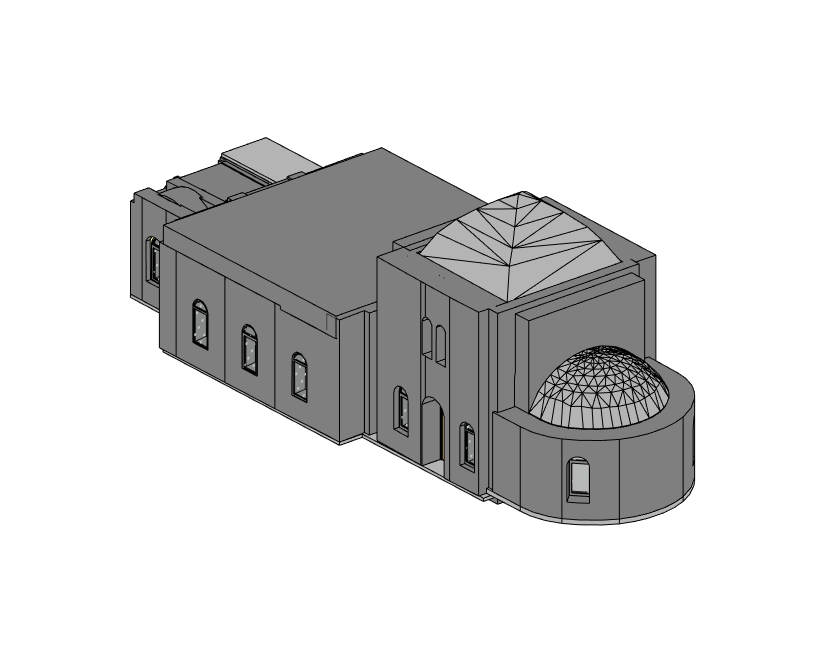
As-Built 3D Model

Real-World Applications of Laser Scanning in As-Built Drawings

Building Renovations

For renovation projects, laser scanning identifies the exact conditions of existing structures, ensuring precise planning and execution.

Engineering Networks

From underground pipelines to HVAC systems, accurate as-built documentation is crucial for maintaining and upgrading utility networks.

Historical Preservation

In preserving historical landmarks, laser scanning captures intricate details, enabling faithful restorations while maintaining architectural integrity.

Industrial Facilities

For large-scale industrial plants, laser scanning aids in updating layouts, optimizing workflows, and ensuring regulatory compliance.

Key Benefits for Clients

Time and Cost Savings

Precise data from laser scanning minimizes errors, resulting in fewer expensive revisions and project delays.

Transparency and Control

Clients receive comprehensive and reliable as-built documentation, providing clarity and confidence throughout the project lifecycle.

Seamless BIM Integration

Laser scanning data integrates seamlessly with Building Information Modeling (BIM) platforms, enabling advanced planning and analysis.

Conclusion

Laser scanning has revolutionized the creation of as-built drawings by offering unprecedented accuracy, speed, and efficiency. This technology not only reduces errors but also enhances the value of construction documentation, making it an indispensable tool in modern construction and engineering. For businesses and professionals seeking reliable, precise, and cost-effective as-built documentation, investing in laser scanning services is the way forward.

FAQs

How does laser scanning ensure accuracy in as-built drawings?

Laser scanning collects millions of precise data points, creating detailed representations of structures with sub-millimeter accuracy.

What types of projects benefit most from laser scanning?

Projects like building renovations, industrial facility updates, and historical preservation benefit significantly due to the precision and detail of laser scanning.

Can laser scanning integrate with BIM?

Yes, laser scanning data integrates seamlessly with BIM platforms, enhancing project planning and execution.

Is laser scanning suitable for small projects?

Absolutely, laser scanning is scalable and adaptable to projects of all sizes, from single homes to large industrial complexes.

How long does the laser scanning process take?

Scanning duration varies by project size, but most structures can be scanned within a few hours.

What software is used to process laser scan data?

Popular tools include AutoCAD, Revit, and specialized point cloud processing software.

Check our activity on:

The Importance of As-Built Drawings for Contractors

In today’s complex construction environment, maintaining accuracy and transparency throughout a project is not just desirable—it’s essential. One of the most critical tools that contractors rely on to achieve this is As-Built Drawings for contractors. These documents capture the reality of a project post-construction, incorporating all changes and deviations from the original plans. They are invaluable for streamlining workflows, reducing risks, and ensuring compliance.

This comprehensive guide explores what As-Built Drawings are, why they matter, and how modern tools like 3D laser scanning and BIM modeling are revolutionizing the field.

What Are As-Built Drawings for Contractors?

As-Built Drawings for contractors serve as an accurate record of a project as it has been completed. While design drawings represent the intended plans, As-Built Drawings reflect the final reality, documenting any adjustments made during the construction phase.

Components of As-Built Drawings

Key elements included in As-Built Drawings often cover:

  • Dimensional Adjustments: Reflecting any deviations in dimensions or measurements.
  • System Modifications: Changes to mechanical, electrical, or plumbing systems.
  • Material Changes: Updates where substituted materials were used.
  • Structural Alterations: Adjustments made to accommodate unexpected site conditions.

These detailed documents provide a precise understanding of the constructed project, serving as a critical resource for contractors, architects, and facility managers alike.

How Do As-Built Drawings Differ From Other Documentation?

While there are similarities between As-Built Drawings, Record Drawings, and Shop Drawings, the differences are significant:

  • Shop Drawings: Detail the manufacturing and assembly process but don’t account for on-site modifications.
  • Design Drawings: Represent the initial vision, which may differ significantly from the final product.
  • Record Drawings: Typically compiled after project completion, often summarizing key details from As-Built documentation.

As-Built Drawings are unique in their real-time focus on recording project updates and modifications, making them essential for contractors who need precise and actionable documentation.

The Benefits of As-Built Drawings for Contractors

  1. Accurate Project Tracking: Construction projects are rarely completed exactly as planned. Weather, site conditions, material availability, and unforeseen complications can lead to significant deviations from the original blueprints. As-Built Drawings document these changes, ensuring that the final records are accurate and trustworthy.
  2. Improved Workflow Efficiency: From handovers to future renovations, contractor As-Built documentation facilitates smoother transitions between teams and phases of a project. Accurate records eliminate confusion and reduce delays, allowing contractors to work more efficiently.
  3. Enhanced Collaboration: As-Built Drawings provide a shared reference for all stakeholders—contractors, architects, engineers, and clients. This promotes better communication, reducing misinterpretations and ensuring everyone is aligned on project goals.
  4. Risk Reduction: Without precise documentation, the risk of errors during construction or maintenance increases significantly. Whether it’s avoiding interference between systems or confirming structural stability, As-Built Drawings serve as a safeguard against costly mistakes.
  5. Regulatory Compliance: In many cases, detailed As-Built documentation is a legal requirement. It demonstrates compliance with local building codes, safety standards, and environmental regulations, helping contractors avoid penalties or delays in approvals.

Modern Technologies Shaping As-Built Drawings

1. 3D Laser Scanning for Accuracy

Traditional methods of measuring and documenting construction changes often left room for human error. The advent of 3D laser scanning has revolutionized this process. Companies like ScanM2 use advanced scanners such as Faro, Leica, and Trimble to capture millions of data points with unparalleled precision.

How 3D Scanning Works:

  • A laser scanner emits beams that measure distances to surrounding surfaces.
  • These measurements generate a dense point cloud, representing the entire structure in 3D.
  • The point cloud is then processed into usable formats like CAD or BIM models.

Advantages of 3D Laser Scanning:

  • Millimeter-level accuracy
  • Fast data collection, even for large or complex sites
  • Non-invasive, ideal for sensitive environments

2. BIM Modeling for Smarter Planning

Building Information Modeling (BIM) integrates 3D models with real-world construction data, offering a powerful way to enhance As-Built documentation. BIM allows contractors to visualize systems and structures in a dynamic, interactive format.

Benefits of BIM Integration:

  • Easier identification of conflicts between systems (e.g., HVAC and electrical)
  • Simplified planning for maintenance and renovations
  • Improved collaboration through shared digital models

By combining 3D scanning with BIM, contractors gain a comprehensive toolkit for managing As-Built Drawings efficiently and effectively.

Real-World Applications of As-Built Drawings for Contractors

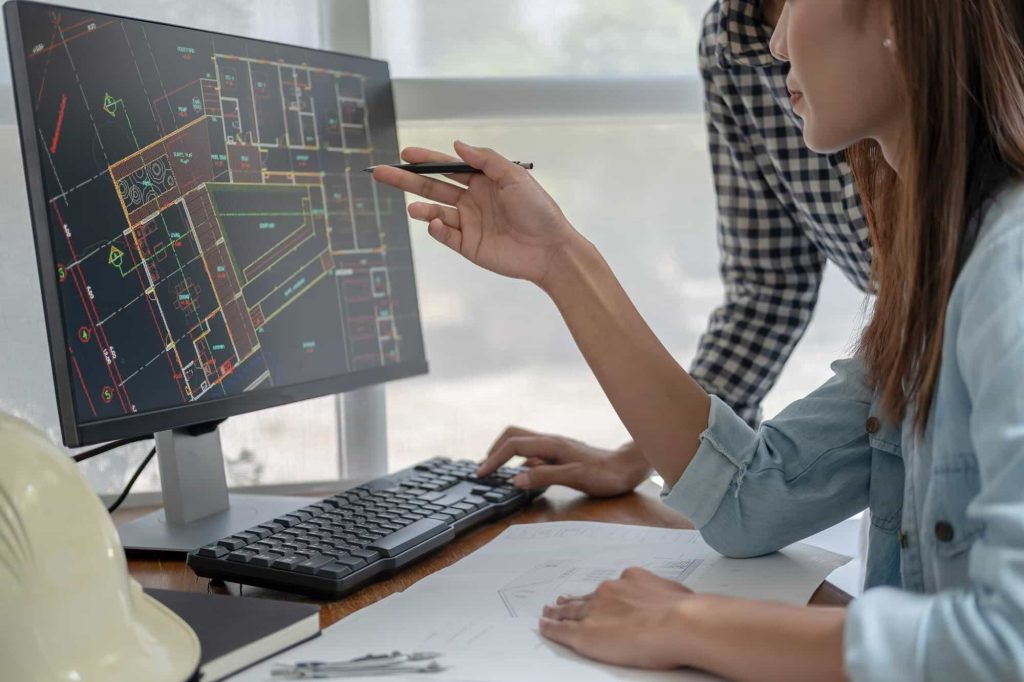
Analysis of digital drawings of as-built documentation by engineers.

Renovations and Retrofitting: As-Built Drawings are invaluable when planning renovations or retrofitting older buildings. Accurate documentation ensures that all existing conditions are understood, allowing contractors to design solutions that integrate seamlessly with the current structure.

Facility Management: Facility managers rely on As-Built documentation to keep buildings running smoothly. From HVAC repairs to emergency planning, these drawings provide the essential information needed for efficient operations.

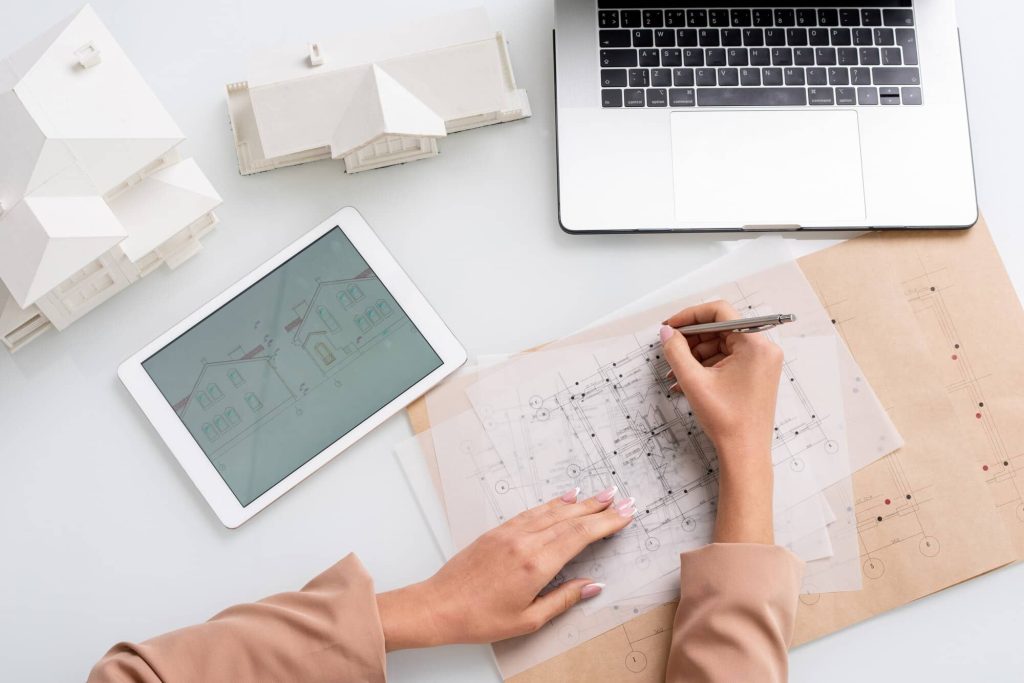
Analysis as-built documentation with construction plans.
Signing of as-built documentation by contractors during the meeting.

Legal and Compliance Needs: In disputes or inspections, As-Built Drawings serve as definitive proof of a project’s compliance with regulations and contractual obligations. They can be crucial in resolving claims or obtaining permits for future work.

Overcoming Challenges in As-Built Documentation

While As-Built Drawings offer numerous advantages, creating them can be challenging without the right tools or expertise.

Common Challenges:

  • Time constraints in documenting fast-moving projects
  • Inaccurate measurements from manual methods
  • Difficulty capturing complex or inaccessible structures

Solutions:

  • Automated Data Collection: Laser scanning drastically reduces the time required for measurements.
  • Expert Teams: Partnering with experienced providers like ScanM2 ensures accurate and reliable results.
  • Cloud-Based Collaboration: Storing As-Built data in digital formats makes it accessible to all stakeholders in real time.

The Long-Term Value of As-Built Drawings

  • Supporting Sustainable Construction: In an era of increasing focus on sustainability, As-Built Drawings help contractors optimize resource use and minimize waste. Accurate documentation enables smarter decision-making throughout the building lifecycle.
  • Enhancing Client Satisfaction: Clients appreciate the added transparency and reliability that As-Built documentation provides. By delivering detailed and professional As-Built Drawings, contractors demonstrate their commitment to quality and precision.
  • Preparing for Future Innovations: The construction industry is constantly evolving, with technologies like AI and IoT becoming more prevalent. Having detailed, digital As-Built records ensures contractors are ready to integrate these innovations seamlessly.

Recommendations for Implementing As-Built Drawings

To make the most of As-Built Drawings for contractors, consider the following strategies:

  • Adopt Advanced Tools: Invest in 3D scanning and BIM technologies to stay ahead of the competition.
  • Standardize Processes: Develop a consistent workflow for collecting and updating As-Built data.
  • Collaborate with Experts: Work with specialized providers like ScanM2 for high-quality results.
  • Educate Teams: Train staff on the importance and usage of As-Built documentation to maximize its value.

As-Built Drawings for contractors are much more than a project deliverable—they are an essential tool for ensuring accuracy, compliance, and collaboration. By embracing modern technologies like 3D scanning and BIM modeling, contractors can enhance their efficiency, reduce risks, and set themselves apart in a competitive industry.

Whether you’re planning a new build, managing a renovation, or maintaining a facility, investing in high-quality As-Built documentation is a decision that pays dividends. For precise, reliable, and innovative As-Built services, companies like ScanM2 are leading the way in helping contractors succeed.

Check our activity on:

How to Get Accurate As-Built Drawings for Renovation Projects 

Renovation projects often come with their fair share of challenges, especially when it comes to obtaining accurate as-built drawings. These drawings serve as the foundation for any renovation design, detailing the actual dimensions and structure of an existing building. However, outdated or inaccurate building plans can make this task much more difficult and time-consuming. Fortunately, modern technologies, such as laser 3D scanning and point clouds, offer efficient solutions to these issues, ensuring that renovation projects proceed with greater accuracy and efficiency. 

The Problem: Outdated Building Plans and Inaccurate As-Built Drawings

For many building renovation projects, the starting point is a set of as-built drawings. These drawings should accurately represent the existing state of the building, including dimensions, layout, and structural details. However, in many cases, these plans are outdated or incomplete. Over time, buildings undergo modifications, repairs, or additions that may not be reflected in the original plans. As a result, relying on these outdated documents can lead to significant discrepancies in the design process. 

The problem is further exacerbated when existing drawings don’t capture the full complexity of the structure. For example, details about internal plumbing, electrical systems, or hidden structural elements may be missing. These omissions can result in errors, delays, and increased costs during the renovation process. 

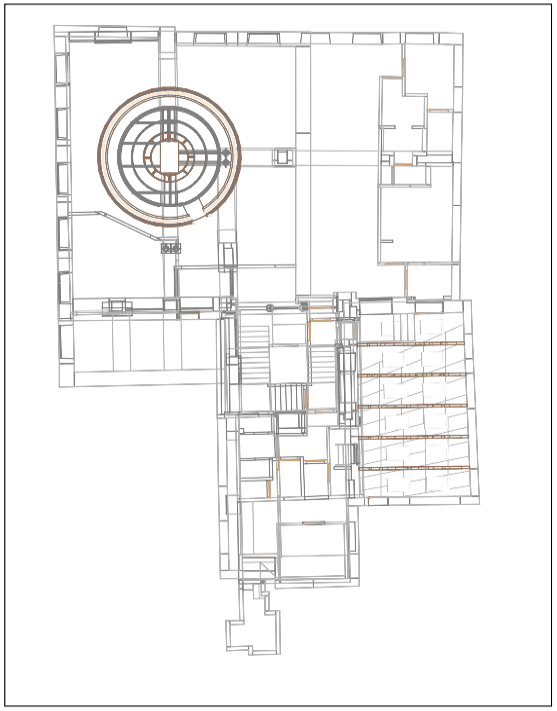
3D laser scanning of an 18th-century castle for renovation

The Solution: Using Point Clouds for Accurate As-Built Drawings

One of the most effective ways to overcome the challenge of outdated building plans is by using point cloud technology to create accurate as-built documentation. Point clouds are 3D representations of a physical space, capturing millions of data points that represent the exact location of surfaces, structures, and features in a building. These data points can be gathered through laser scanning, a process that uses highly accurate scanners to capture precise measurements of a building’s physical environment. 

With point cloud data, you can generate highly detailed and accurate as-built drawings that reflect the true condition of the building. This technology eliminates the reliance on outdated or incomplete plans, offering a fresh and precise foundation for your renovation project. Point clouds are capable of capturing every detail, from structural elements like walls and beams to intricate features like plumbing and electrical systems. This level of detail allows architects, engineers, and contractors to make informed decisions based on a fully accurate representation of the existing building. 

How ScanM2 Technologies Ensure High-Quality As-Built Drawings

At ScanM2, we utilize the latest 3D laser scanning technologies to create point clouds that serve as the basis for accurate as-built drawings. We use professional-grade scanners from leading manufacturers such as Faro, Leica, and Trimble. These scanners are renowned for their precision, ensuring that every data point captured reflects the true dimensions and layout of the building. 

Our scanning process involves using a combination of laser scanners and advanced software to gather data from multiple angles and generate a comprehensive point cloud of the building. The result is a highly detailed 3D model that can be used to create accurate as-built drawings. Our technology ensures that all aspects of the building, from structural features to hidden systems, are captured with exceptional accuracy. 

Additionally, our team of skilled professionals ensures that the point cloud data is processed correctly and transformed into detailed, actionable as-built documentation. The result is a set of drawings that can be trusted for design and planning purposes, reducing the risk of errors and delays during the renovation process. 

Time and Resource Savings with 3D Scanning

As-Built Drawings

One of the key benefits of using 3D laser scanning and point cloud data for creating as-built drawings is the significant time and resource savings it offers. Traditional methods of creating as-built drawings involve manual measurements, which are not only time-consuming but also prone to human error. With 3D scanning, the data is captured quickly and accurately, minimizing the need for extensive fieldwork and manual calculations. 

For example, laser scanners can capture millions of data points in a matter of hours, whereas traditional measurement techniques could take days or even weeks to achieve the same level of detail.

Furthermore, 3D scanning allows for faster design iterations, as architects and engineers can work with precise and up-to-date data without having to revisit the building for additional measurements. 

Using point cloud data also streamlines the renovation process by providing a clear and accurate representation of the building. This eliminates the need for constant back-and-forth between design teams and contractors, as everyone works from the same set of reliable data. By reducing the potential for errors and miscommunication, 3D scanning helps save both time and resources, ultimately making the renovation process more efficient. 

Structural Renovation Plans: A More Precise Approach

When it comes to structural renovations, having access to accurate as-built drawings is even more critical. Structural changes often require precise calculations and a deep understanding of the building’s existing condition. Without accurate data, structural engineers may face difficulties in assessing the feasibility of the proposed changes and ensuring the safety of the building. 

Point clouds provide the level of detail needed for precise structural renovation plans. With detailed 3D models of the building, engineers can assess the current structure, identify any potential issues, and design solutions that are both effective and safe. Whether it’s reinforcing load-bearing walls, modifying support beams, or adjusting foundation designs, accurate as-built documentation is essential for a successful structural renovation. 

Moreover, the ability to visualize the building in 3D allows for a better understanding of spatial relationships within the structure. This is particularly useful when planning renovations that involve complex changes to the building’s layout or internal systems. With 3D scanning, architects and engineers can collaborate more effectively, ensuring that the renovation plans are both feasible and precise. 

As-built drawings and models

The Future of Renovation with Accurate As-Built Drawings

In conclusion, outdated as-built drawings pose significant challenges to renovation projects, leading to errors, delays, and increased costs. However, the use of point cloud technology to create accurate as-built documentation offers a reliable solution to these issues. By leveraging 3D scanning, renovation teams can obtain highly detailed and accurate data that reflects the true condition of the building, ensuring that designs are based on up-to-date information. 

At ScanM2, we are committed to providing the highest quality 3D scanning services, using the latest laser scanning technology to create precise point clouds and as-built drawings. Our professional-grade equipment, combined with our expertise, ensures that every renovation project begins with accurate, reliable data. 

By incorporating 3D scanning into the renovation process, project teams can save time, reduce costs, and avoid the risks associated with outdated building plans. The result is a smoother, more efficient renovation process that leads to better outcomes for everyone involved. Whether you are working on a small renovation or a large-scale structural overhaul, accurate as-built drawings are essential for success.

Check our activity on:

Outsourcing As-Built Documentation: A Builder’s Ultimate Solution for Efficiency and Accuracy

In today’s competitive construction industry, as-built documentation is essential for achieving project accuracy, regulatory compliance, and overall success. These detailed records provide a clear representation of the completed structure, capturing all deviations and updates made during the construction process.

For builders, creating high-quality as-built documentation in-house can be overwhelming. Strict deadlines, resource constraints, and a lack of technical expertise frequently disrupt efficiency. Imagine a situation where incomplete or inaccurate documentation delays project completion or triggers costly legal disputes. This is why many builders turn to outsourcing as-built documentation to streamline their processes and focus on their core strengths.

Outsourcing allows construction professionals to leverage advanced tools, expert knowledge, and proven methodologies to save time, reduce costs, and ensure the highest accuracy for their projects.

What is As-Built Documentation?

As-built documentation is the comprehensive record of a construction project’s final state, reflecting every change made during the building process. Unlike the original design plans, as-built documents capture the reality of the completed structure.

Key Formats of As-Built Documentation

  • 2D Drawings: Traditional blueprints that detail modifications in dimensions and layouts.
  • 3D Models: Digital replicas created with BIM (Building Information Modeling) to improve visualization and streamline planning.
  • Point Clouds: High-precision 3D scans generated through laser scanning technology.

Who Uses As-Built Documentation?

  • Builders: To verify project compliance and manage post-construction tasks.
  • Architects: To plan renovations or expansions effectively.
  • Inspectors: To confirm that all elements meet safety and regulatory standards.

By outsourcing the production of as-built drawings, builders can ensure that every detail is accurately captured, avoiding errors and enhancing project efficiency.

Challenges Builders Face with As-Built Documentation

Creating as-built documentation in-house often presents significant hurdles:

  1. Time Constraints. Construction schedules are notoriously tight, leaving little room for updating and refining documentation. Delays in as-built drawings can disrupt timelines and increase costs.
  2. Limited Resources. Not every construction company has access to skilled professionals trained in using advanced tools like CAD or BIM software.
  3. High Costs. Investing in specialized equipment, such as 3D laser scanners, and training staff can place a financial burden on the business.
  4. Accuracy Risks. Inaccurate or incomplete documentation can lead to regulatory non-compliance, rework, or even legal disputes.

Real-Life Example

A contractor working on a multi-million-dollar commercial project attempted to produce as-built documentation internally but faced repeated delays due to a lack of trained personnel. The project ran over budget by 15%. Outsourcing could have mitigated these issues.

Benefits of Outsourcing As-Built Documentation

Outsourcing as-built documentation offers builders several critical advantages:

Cost Savings

  • Eliminate the need for expensive equipment purchases.
  • Reduce overhead by outsourcing on a project-by-project basis.

Time Efficiency

Professional teams can deliver high-quality documentation quickly, ensuring that projects stay on schedule.

Enhanced Accuracy

Experts use advanced tools like 3D laser scanning and BIM software to produce precise and reliable results.

Scalability

Outsourcing provides the adaptability to scale services according to the specific size and complexity of your projects.

Regulatory Compliance

Seasoned providers ensure that documentation adheres to local building codes and safety standards, minimizing potential legal liabilities.

These benefits make outsourcing a strategic choice for builders looking to optimize their operations and focus on construction delivery.

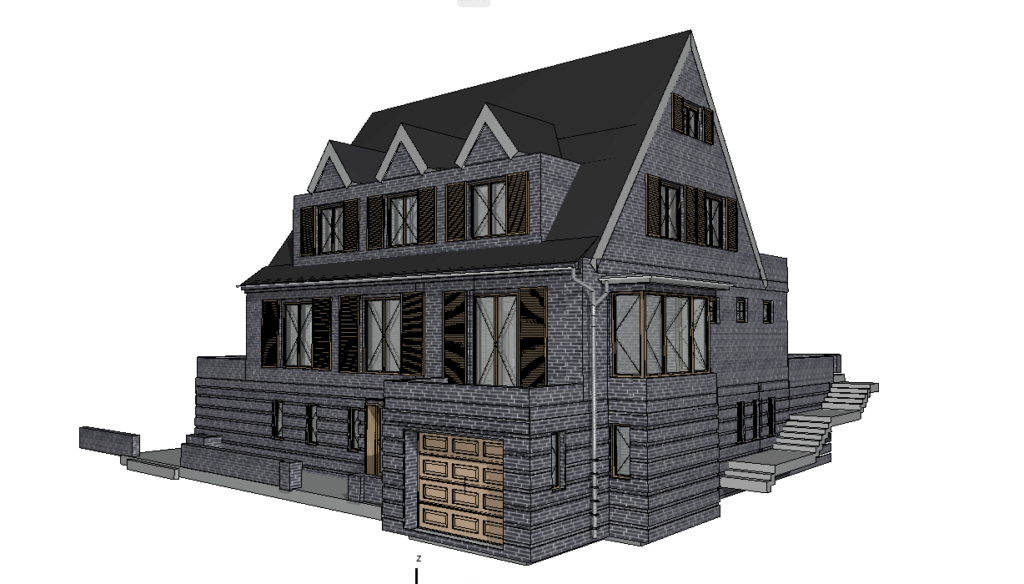
As-Built 3D Model

How to Choose the Right Outsourcing Partner

Choosing a dependable partner for as-built documentation is crucial to achieving both quality and efficiency. Here are key factors to consider:

  • Experience. Select a provider with demonstrated expertise and a successful history of delivering as-built documentation for similar projects.
  • Technology. Ensure the company uses state-of-the-art tools like laser scanners, point cloud processing, and BIM software.
  • Flexibility. The provider you select should customize their services to align with your specific project needs, whether for a small residential project or a large commercial endeavor.
  • Transparent Communication. Look for a team that keeps you informed throughout the documentation process.
  • Certifications. Select a partner with relevant certifications, such as ISO 9001, to ensure compliance with the highest quality standards.

Pro Tip:

Request references and detailed proposals from potential providers to compare their approach and pricing.

Confidentiality and Client Trust

At ScanM2, we deeply value our clients’ trust and prioritize confidentiality in all our projects. Due to non-disclosure agreements (NDAs) with our clients, we are unable to disclose specific project details. However, this commitment to confidentiality underscores our professionalism and dedication to safeguarding your sensitive data.

Real-Life Examples of Successful Outsourcing

Case Study 1: Commercial Building

A construction company working on a high-rise office building outsourced their as-built documentation to meet a tight deadline. The provider used 3D laser scanning, reducing project timelines by 20% and ensuring compliance with local building codes.

Case Study 2: Residential Development

A residential builder outsourced as-built documentation for a housing project. By delegating the task, they saved 30% in costs and redirected resources toward new business development.

These cases highlight how outsourcing enhances project efficiency and reduces operational challenges.

Why Choose ScanM2 for As-Built Documentation?

At ScanM2, we specialize in providing high-quality as-built documentation services tailored to builders’ needs. Our team leverages cutting-edge technology, deep expertise, and a dedication to excellence to achieve unmatched results.

Why Builders Trust ScanM2

  • Cost-Effective Solutions: High-quality services tailored to your budget.
  • Cutting-Edge Technology: We use 3D laser scanners and BIM software for precise documentation.
  • Fast Turnaround Times: We deliver accurate documentation within your project timelines.
  • Nationwide Coverage: We provide services across the US, delivering seamless support wherever you need it.

Conclusion

Outsourcing as-built documentation is not just a cost-saving measure; it’s a strategic decision to ensure accuracy, compliance, and efficiency in construction. By working with professional providers like ScanM2, builders can overcome the challenges of in-house production and focus on delivering high-quality results.

Ready to optimize your workflow? Reach out to ScanM2 today and experience the difference professional as-built documentation can make.

Check our activity on:

How Scan to BIM Outsourcing Cuts Costs by 20% for Architects and Designers

Scan to BIM outsourcing is revolutionizing the way architecture, engineering, and construction firms handle laser scanning and 3D modeling. Companies like ScanM2 offer an efficient alternative to in-house teams, saving time, reducing costs, and ensuring accurate results. Whether you’re planning renovations, designing new spaces, or managing existing facilities, outsourcing Scan to BIM services provides unparalleled advantages.

Imagine completing your project with 20% less cost and 30% faster without compromising on quality. With Scan to BIM outsourcing, this is not just possible—it’s guaranteed.

What Is Scan to BIM and Why Are Measurements Important?

Scan-to-BIM involves transforming precise laser scan data into detailed Building Information Models (BIM). These models create digital replicas of physical structures, providing a vital resource for architects, engineers, and designers. The process begins with field measurements—highly precise laser scans that capture spatial data and dimensions of a site.

Accurate field measurements are essential to ensure the BIM model represents real-world conditions precisely. This precision minimizes errors during design and construction, prevents costly rework, and eliminates delays caused by incomplete data. A reliable scanning process is the foundation of any successful BIM project, which is why outsourcing to experts like ScanM2 makes a tangible difference.

The Hidden Costs of In-House Scanning

Many firms opt for in-house Scan to BIM services, assuming it offers greater control and lower costs. However, this approach often reveals hidden challenges:

  • High Overhead Costs: Hiring, training, and retaining skilled scanning professionals can strain budgets.
  • Insufficient Expertise: Internal teams might not have the necessary skills to produce precise scans and detailed models.
  • Delays and Errors: Missed details or inefficiencies can lead to repeated site visits and higher project costs.
  • Equipment Expenses: Purchasing and maintaining laser scanners and software involves significant upfront and ongoing investments.

Why Outsourcing Scan to BIM Is a Better Solution

Outsourcing Scan to BIM services to specialized providers like ScanM2 eliminates these challenges. With a dedicated team of experts and access to cutting-edge technology, ScanM2 ensures projects are completed faster, more accurately, and at a lower cost than in-house teams.

Key Benefits of Outsourcing

  • Cost Savings: Pay only for services as needed, without bearing the fixed costs of full-time staff.
  • Guaranteed Accuracy: Providers take responsibility for delivering precise results, often including free revisions.
  • Faster Turnaround: Experts complete projects efficiently, saving valuable time for clients.
  • Scalability: Outsourcing allows firms to take on more projects without expanding their teams.

Cost Comparison: In-House vs. Outsourcing

To understand the financial impact, let’s analyze a real-world example: measuring and modeling an 80-square-meter apartment in New York City. The following table compares the time and costs of using an in-house team versus outsourcing to ScanM2.

A Closer Look at Costs

In-house teams typically consist of salaried employees. Assuming an average monthly salary of $6,500, the daily rate for an in-house scanner specialist is $309. Projects of this scale usually take 2 days for field measurements and 3 days for documentation, totaling $1,547. If a revisit is required due to missed details, the additional day raises the cost to $1,856.

ScanM2, on the other hand, completes the same project in 1 day of field measurements and 3 days of documentation for a total cost of $1,300. Any required revisits are included in the initial fee, providing both cost and risk mitigation.

AspectIn-House ScanningOutsourced to ScanM2
Field Measurement Time2 days1 day
3D and 2D Documentation Time3 days3 days
Employee Daily Rate$309/dayN/A
Total Project Cost$1,547$1,300
Risk of Revisit (if needed)Additional $309Covered by ScanM2
Final Cost$1,856$1,300

Why Measurements Are Key

Field measurements serve as the foundation for any Scan to BIM project. Their importance lies in:

  • Accuracy: High-precision scans reduce errors and ensure the BIM model mirrors real-world conditions.
  • Efficiency: Comprehensive measurements prevent the need for repeated site visits and redesigns.
  • Efficient Cost Management: High-quality scans streamline workflows, reducing time and expenses across the entire project lifecycle.

Outsourcing these critical tasks to experienced providers ensures that no detail is overlooked, guaranteeing high-quality results from the start.

Scan to BIM outsourcing saves costs and improves project efficiency.

Additional Advantages of Outsourcing

1. Elimination of Equipment Costs

Purchasing advanced laser scanners and maintaining software licenses can cost tens of thousands of dollars annually. Outsourcing eliminates this expense.

2. Reduced Risks

In-house teams bear the burden of errors and delays, while outsourcing partners like ScanM2 include free revisions in their pricing.

3. Focus on Core Activities

Outsourcing allows architecture and design firms to concentrate on their primary tasks—creative design and project management—without being bogged down by technical scanning requirements.

Why ScanM2 Is Your Best Partner

At ScanM2, we combine expertise, precision, and customer-centric services to deliver unmatched value. Our process ensures every project is handled efficiently and professionally, with guaranteed accuracy. What Sets Us Apart:

  • Cutting-Edge Equipment: We leverage advanced laser scanning technology to deliver unparalleled precision.
  • Experienced Professionals: Our team specializes in Scan to BIM services, ensuring consistent, high-quality results.
  • Client-Centric Approach: From free revisions to transparent pricing, we prioritize client satisfaction.

FAQs

How does outsourcing Scan to BIM save costs?

Outsourcing converts fixed costs like salaries and equipment into variable expenses, saving money while reducing risk.

What makes ScanM2 different from other providers?

ScanM2 offers guaranteed accuracy, competitive pricing, and includes free revisits if needed.

How does outsourcing benefit small firms?

It allows firms to access expert services without the financial burden of maintaining in-house teams.

Which Industries Gain the Most from Scan-to-BIM Solutions?

Architecture, construction, facility management, and historical preservation projects all benefit significantly.

Are outsourced services scalable?

Yes, outsourcing adapts to your needs, supporting projects of any size or complexity.

Is outsourcing suitable for complex projects?

Absolutely. Companies like ScanM2 handle intricate projects with precision and efficiency.

Why It’s Time to Outsource Your Scan to BIM Projects

Outsourcing Scan to BIM services to experts like ScanM2 is a smart decision for architecture and design firms. From substantial cost savings and faster delivery to reduced risks and superior accuracy, outsourcing offers clear advantages over maintaining in-house teams.

Ready to take your project to the next level? Get in touch with ScanM2 today and see how our expertise can transform your vision.

Services

Check our activity on:

Struggling with Too Many Projects and Not Enough Staff? Discover How Scan to BIM Outsourcing Can Transform Your Architecture Firm!

In the dynamic world of architecture and design, many firms struggle to meet client demands due to limited staffing resources. Declining profitable projects due to a shortage of engineers, designers, or architects isn’t just frustrating—it’s a lost chance to expand your business.

If this sounds familiar, there’s a transformative solution you should consider: outsourcing measurement services using Scan to BIM technology. By partnering with experts, firms across the USA are optimizing their resources, increasing project throughput, and improving profitability without the need for additional in-house staff.

This article will delve into how Scan to BIM outsourcing can help you overcome staffing constraints, streamline workflows, and stay ahead in the market.

What Is Scan to BIM, and Why Is It a Game-Changer?

Scan to BIM (Building Information Modeling) is a process where laser-scanned data from a physical structure is converted into an accurate 3D digital model. These models are essential for architects, designers, and engineers working on renovations, retrofits, or new construction projects.

By outsourcing these services, architecture firms can obtain precise models without dedicating internal resources to the time-consuming and technical process of laser scanning and model creation. This allows them to concentrate on their core strengths: creating and executing outstanding projects.

The Staffing Challenge in Architecture Firms

Many architecture and design firms across the USA face a persistent issue: balancing the growing demand for services with the available workforce. Limited staff leads to several problems:

  • Lost Revenue Opportunities: Turning down projects due to capacity issues directly impacts profitability.
  • Team Burnout: Pushing your current staff too hard can result in lower efficiency and increased employee turnover.
  • Reputational Damage: Missing deadlines or declining contracts can tarnish your firm’s image in a competitive market.

While hiring new employees might seem like the logical solution, it often comes with high costs, lengthy training periods, and the risk of misalignment with your company’s culture and goals.

Why Outsourcing Scan-to-BIM Is the Ideal Choice

Outsourcing Scan to BIM services offers a practical and cost-effective alternative to expanding your in-house team. Here’s how it can benefit your firm:

Increased Project Capacity

By offloading measurement and modeling tasks to an external provider, your team can focus on core design and engineering work, allowing you to take on more projects without stretching your resources thin.

Cost Savings

By outsourcing, you can avoid costly investments in equipment, software licenses, and specialized staff training. You only pay for the services you need, which is far more economical than maintaining a dedicated in-house team for the same tasks.

Access to Expertise

Scan to BIM providers specialize in this niche area, ensuring highly accurate models with faster turnaround times. Their specialized skills can elevate the quality of your projects.

Reduced Time to Completion

With dedicated professionals handling laser scanning and model creation, projects can be completed in significantly less time, helping you meet tight deadlines.

Scalability

Outsourcing offers the adaptability to scale your operations as required, eliminating the need for long-term investments in staff or equipment.

Comparing In-House Resources vs. Scan to BIM Outsourcing

ParameterIn-House ResourcesScan to BIM Outsourcing
Cost of StaffingHighLow
Speed of DeliveryModerateHigh
Training RequirementsExtensiveNone
Measurement AccuracyDependent on team experienceHigh (using advanced equipment)
ScalabilityLimitedFlexible
Comparing In-House Resources vs. Scan to BIM Outsourcing

This comparison highlights how outsourcing Scan to BIM services is a highly efficient and cost-effective alternative to expanding your in-house team, particularly for firms looking to scale operations quickly and efficiently.

How Scan to BIM Works: A Step-by-Step Process

Scan to BIM outsourcing typically involves the following steps:

  1. Laser Scanning of the Site. The outsourcing provider uses high-precision laser scanners to capture the physical structure’s geometry and create a point cloud.
  2. Data Processing. The point cloud data is refined by eliminating noise and enhancing precision, resulting in a clean and reliable dataset for modeling.
  3. BIM Model Creation. A detailed 3D model is developed based on the processed data, incorporating architectural, structural, and engineering elements as required.

This approach guarantees a high-quality, project-specific BIM model that is ready for immediate use.

Who Can Benefit from Scan to BIM Outsourcing?

Scan to BIM services are especially valuable for:

  • Architectural Firms: Handling renovation or retrofit projects requiring detailed as-built models.
  • Design Studios: Creating accurate 3D visualizations for design presentations.
  • Construction Companies: Ensuring accurate site measurements for smooth execution.
  • Real Estate Developers: Planning large-scale projects with precise data.

Whether you’re managing complex renovations or designing a new building, outsourcing can save time, reduce costs, and improve project outcomes.

FAQs About Scan to BIM Outsourcing

What is included in Scan to BIM services?

Scan to BIM typically involves site scanning, data processing, and the creation of a detailed 3D model ready for architectural or construction use.

How does outsourcing compare to hiring in-house staff?

Outsourcing is more cost-effective, faster, and eliminates the need for extensive training and equipment purchases.

Are outsourced BIM models compatible with my software?

Yes, most providers deliver models in formats compatible with leading software like Autodesk Revit and AutoCAD.

How can I find a reliable Scan to BIM provider in the USA?

Choose companies with a track record of success, positive client feedback, and industry-specific expertise.

Which Projects Gain the Most from Scan-to-BIM Solutions?

Projects involving renovations, restorations, or large-scale developments are ideal candidates for Scan to BIM services.

Is Scan-to-BIM a Budget-Friendly Option for Small Firms?

Definitely. It allows small firms to handle larger projects without the necessity of increasing their team size.

How to Get Started with Scan to BIM Outsourcing

Ready to optimize your workflow and expand your business? Here’s how to get started:

  • Evaluate Your Needs: Identify projects that could benefit from Scan to BIM services.
  • Evaluate Providers: Select a trustworthy outsourcing partner with a strong history of success.
  • Request a Quote: Share project details and request a customized proposal.
  • Integrate Services: Work closely with the provider to ensure seamless collaboration and delivery.

Conclusion

Scan to BIM outsourcing services offer a strategic way for architecture and design firms in the USA to overcome staffing limitations, reduce costs, and increase project capacity. By leveraging this innovative approach, you can unlock new opportunities, enhance client satisfaction, and maintain a competitive edge in the industry.

Don’t let staffing challenges hold you back—explore the potential of Scan to BIM outsourcing today.

Check our activity on:

What Does As-Built Mean in Construction? A Comprehensive Guide to Its Meaning and Importance

When it comes to construction projects, plans rarely stay static. Changes are inevitable, whether they stem from on-site challenges, client requests, or unforeseen conditions. So how do builders keep track of these changes to ensure the final structure reflects reality? The answer lies in as-built documentation—a crucial element in the construction process that bridges the gap between initial designs and the completed project. 

Let’s dive into what as-built means, why it’s essential, and how modern technology has revolutionized its creation.

Understanding As-Built in Construction

In simple terms, as-built documentation represents the true state of a structure at the end of its construction. Unlike original design plans, which are aspirational, as-built plans capture the reality of the finished product. They document every modification, adjustment, and deviation that occurred during the building process. 

For example, imagine a project where the planned location of plumbing had to be shifted to avoid an unexpected underground obstruction. While the initial blueprints might show the original placement, the as-built plans will reflect the new, accurate position. 

This documentation isn’t just a formality; it’s the foundation for understanding a structure’s actual layout, making it invaluable for future renovations, maintenance, and expansions. 

Why As-Built Plans Are Crucial

As-built documentation is vital to the success and longevity of construction projects. Here’s why: 

  • Accountability: Contractors use as-built plans to provide clients with a transparent record of changes and work completed.
  • Legal Protection: These plans act as a safeguard in disputes, offering clear evidence of any deviations from the original design.
  • Regulatory Compliance: As-built documentation ensures that the completed structure meets local building codes and regulations.
  • Future Use: Architects, engineers, and facility managers rely on accurate as-built plans to plan renovations, upgrades, and maintenance.
Laser scanning technology for Scan to BIM Houston, creating accurate 3D models of buildings and industrial sites.

The Evolution of As-Built Creation

The process of creating as-built documentation has come a long way. Traditionally, it involved manual measurements and handwritten notes on physical blueprints—a time-consuming and error-prone approach. Even the most diligent efforts could leave room for inaccuracies, leading to potential challenges down the line. 

Today, advanced technology has transformed this process. Tools like 3D laser scanners can capture every detail of a building with remarkable precision, creating digital models that are both accurate and comprehensive. These models can be further developed into CAD or BIM formats, providing an unparalleled level of detail and usability. 

This modern approach doesn’t just save time—it ensures that the final as-built documentation is reliable, reducing the margin for error and making it easier to integrate with future projects. 

The Benefits of Accurate As-Built Plans

The advantages of high-quality as-built documentation extend to all stakeholders in the construction process: 

  • Error Reduction: As-builts minimize risks associated with inaccurate or incomplete documentation, avoiding costly mistakes in future projects.
  • Improved Maintenance: Facility managers can quickly locate utilities, structural elements, and systems, streamlining repairs and inspections.
  • Seamless Renovations: Architects and engineers can design renovations or expansions with confidence, knowing they have precise information about the existing structure.
  • Cost Efficiency: Detailed as-built documentation saves time and money by reducing rework, streamlining approvals, and improving project planning.
  • Improved Collaboration: As-builts act as a common reference for all project stakeholders, promoting better communication and coordination.

With these benefits, it’s clear that investing in accurate as-built documentation is a smart decision for any construction project.

Real-World Applications of As-Builts

The practical uses of as-built documentation are vast. In commercial construction, they’re essential for managing complex mechanical, electrical, and plumbing systems. In historic preservation, they help architects maintain the integrity of older buildings while modernizing them for contemporary use. 

Consider, for instance, the restoration of a historic theater. The original blueprints might not account for changes made over decades of use, but detailed as-built plans can provide a clear picture of the current structure. This guarantees that the restoration preserves the building’s history while complying with contemporary safety standards. 

How Technology is Driving Accuracy in As-Built Documentation

A major breakthrough in as-built creation is the adoption of 3D laser scanning technology. This technology gathers millions of data points to generate an accurate digital model of a structure. The resulting point cloud can then be converted into detailed models or drawings that reflect every aspect of the building. 

In contrast to traditional methods, 3D laser scanning is quicker, more precise, and requires less manual effort. It also offers a more detailed dataset, which is invaluable for complex projects. 

At SCANM2, we specialize in leveraging these modern tools to deliver high-quality as-built documentation tailored to our clients’ needs. Whether you’re managing a small renovation or a large industrial project, our solutions ensure that you have the information you need, when you need it.

As-built documentation

Final Thoughts

As-built documentation is the unsung hero of the construction process, providing a bridge between design and reality. It’s a tool that ensures accuracy, supports accountability, and paves the way for smooth future projects. 

In a world where precision matters, investing in reliable as-built documentation isn’t just a best practice—it’s a necessity. 

Want to learn more about how advanced technologies like 3D laser scanning can streamline your project? Visit scanm2.com to learn more about our services and discover how we can support your success.

Check our activity on:

Civil Engineering Meets BIM: What You Need to Know to Get Started

In the fast-moving field of civil engineering, where precision and efficiency are crucial for success, embracing new technologies is no longer a choice—it’s a necessity. One of the most groundbreaking innovations transforming this field is the combination of Building Information Modeling (BIM) and 3D laser scanning. These tools not only improve the accuracy of project data but also save time, reduce costs, and enhance collaboration across teams. 

But what does that mean for professionals in civil and structural engineering? Let’s dive into the basics of BIM, how 3D scanning fits into the picture, and why companies like ScanM2 are leading the way in bringing these technologies to life. 

The Role of 3D Scanning in Civil Engineering

How Does 3D Scanning Work?

Imagine being able to capture the exact dimensions of a building or construction site down to the smallest detail without even lifting a measuring tape. That’s the magic of 3D laser scanning. Using cutting-edge equipment like Faro, Leica, and Trimble scanners, engineers can create a point cloud—a dense digital map of millions of data points representing the scanned space. 

This data is then converted into precise 3D models that engineers can adjust and analyze. Whether it’s a bridge, road, or complex building structure, these models provide a precise foundation for planning, design, and execution. 

Why is 3D Scanning Better Than Traditional Methods?

If you’ve ever been frustrated by the inefficiency of manual measurements or the guesswork involved in outdated surveying techniques, you’ll understand why 3D scanning is such a game-changer: 

  • Speed: What once took days can now be done in hours.
  • Accuracy: Laser scanning eliminates human error, providing millimeter-perfect results.
  • Visualization: 3D models allow teams to “see” the project in ways that paper plans simply can’t match.

This level of precision not only improves decision-making but also reduces the risk of costly errors later in the project. 

What is BIM and Why Does It Matter?

BIM in Civil Engineering

At its essence, Building Information Modeling (BIM) involves creating a unified, shared digital representation of a project. It’s like having a virtual blueprint that all stakeholders—engineers, designers, contractors—can access and update in real time. 

In civil engineering, BIM is particularly valuable because infrastructure projects often involve complex systems that need to work together seamlessly. By using BIM, teams can: 

  • Collaborate more effectively, reducing misunderstandings and rework.
  • Streamline workflows, making the design and construction process smoother.
  • Plan for the entire lifecycle of a structure, from construction to maintenance.

How 3D Scanning Enhances BIM

Here’s where the magic happens: 3D scanning ensures that the data feeding into a BIM model is as accurate as possible. Without precise measurements, even the best BIM tools can fall short. By integrating 3D scanning into BIM workflows, engineers can: 

  • Start projects with a solid foundation of accurate data.
  • Detect potential issues early, before they escalate into costly problems.
  • Create designs that are grounded in reality, not just theory.
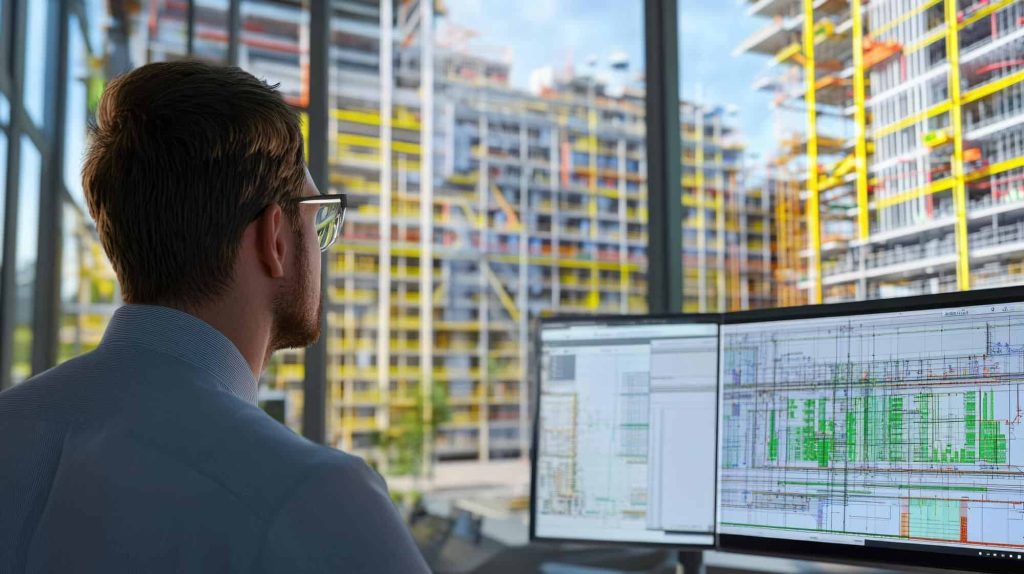
Engineer using BIM tools with a construction site in the background, highlighting streamlined project management.

Saving Time and Resources with Modern Technology

Civil engineering is no stranger to challenges—tight schedules, budget constraints, and 

unexpected issues can derail even the best-laid plans. But this is where BIM and 3D scanning shine, offering practical solutions to common problems. 

Time Savings

Think about all the time wasted on repeated site visits or correcting errors from inaccurate measurements. With laser scanning, you can capture all the data you need in one go, drastically reducing the time spent in the field. 

Resource Optimization

By starting with precise data, teams can avoid the pitfalls of rework and miscalculations. Materials are sourced more efficiently, labor is managed more effectively, and projects remain on schedule. 

Real-World Impact

For example, clients working with ScanM2 have reported project timelines shrinking by up to 30%. With tools like Faro and Trimble, they’ve been able to deliver results faster, all while maintaining impeccable accuracy. This kind of efficiency isn’t just good for the bottom line—it’s a game-changer for everyone involved. 

Why Choose ScanM2?

There are plenty of companies offering 3D scanning and BIM services, so what makes ScanM2 stand out? It all comes down to expertise and technology. 

  • Top-Tier Equipment: ScanM2 uses only the best tools in the industry, including Faro, Leica, and Trimble scanners. This guarantees that every project is supported by the most accurate and dependable data available.
  • Proven Expertise: From large-scale infrastructure projects to smaller, specialized tasks, ScanM2 has the expertise and experience to tackle any challenge. Their team understands the unique needs of civil engineers and works tirelessly to provide solutions that fit. 
  • Client Success Stories: From bridges to commercial developments, ScanM2 has consistently delivered results that exceed expectations. Their attention to detail and commitment to quality have made them a trusted partner for engineers across the United States. 

Shaping the Future of Civil Engineering

The combination of 3D scanning and BIM is more than just a technological advancement—it’s a revolution in how civil engineering projects are planned, designed, and executed. By integrating precise laser scans with collaborative digital models, professionals can achieve outcomes that were once thought impossible.

If you’re prepared to elevate your projects, it’s time to discover how ScanM2 can assist you.With their expertise and state-of-the-art technology, they’re transforming ideas into reality with efficiency, accuracy, and innovation.

Check our activity on:

Why Designers Need BIM Services in 2025

Picture this: you’re designing a sleek new office or revamping a historic building, and you’re handed a stack of outdated blueprints. Now imagine the stress of coordinating multiple teams without a single, up-to-date model of the project. It’s enough to make anyone lose sleep. That’s why BIM services—Building Information Modeling—are no longer optional. They’re a necessity. 

By 2025, BIM design will dominate the industry, helping architects, interior designers, and engineers transform their workflows. It’s more than just a trend—it’s a smarter way to design. BIM creates a digital 3D model of a building, complete with details about materials, systems, costs, and schedules. It’s like having a project assistant that anticipates issues before they arise. 

When paired with advanced tools like ScanM2’s precise 3D laser scanning, BIM technology becomes an unbeatable combination, delivering accurate designs, smoother collaborations, and fewer delays. Let’s explore why this matters and what it means for the future. 

What Is BIM Design, and Why Does It Matter?

Think of BIM design as the Swiss Army knife of construction and design. It’s not just a 3D model—it’s a living, evolving digital replica of your project. Unlike flat, traditional blueprints, a BIM model is dynamic, packed with data, and accessible to everyone involved in the project. Here’s why this matters: 

  • Complete Visualization: With BIM, you’re not just designing—you’re experiencing the project in a realistic, 3D environment.
  • Team Collaboration: Architects, contractors, and other stakeholders collaborate on a unified, real-time model, minimizing miscommunication and errors significantly.
  • Proactive Problem-Solving: Simulate all design elements to detect and resolve potential challenges well before construction begins.

For architects, designers, and engineers, BIM technology isn’t just about creating beautiful spaces—it’s about creating functional, efficient, and sustainable designs. 

Why Designers Need BIM Services

Who Benefits from BIM Modeling?

The beauty of BIM modeling is its flexibility—it offers value to everyone involved in a project: 

For Architects

Architects frequently balance delicately between imaginative design and functional requirements. BIM tools like Revit and ArchiCAD let them explore bold ideas while staying within structural and budgetary constraints. Plus, with BIM’s ability to simulate designs in 3D, architects can present clients with visuals that are easy to understand, helping bridge the gap between concept and reality. 

For Interior Designers

Interior designers thrive on imagining how spaces will feel and function. BIM makes that process seamless by allowing them to test materials, layouts, and lighting in a virtual environment. Want to know if a specific chandelier will interfere with air circulation? BIM can tell you. Tools like Navisworks also let designers collaborate with engineers to avoid conflicts between design elements and mechanical systems. 

For Engineers

Precision is critical for engineers, and BIM technology delivers. Whether you’re working on HVAC systems, electrical layouts, or structural supports, BIM ensures every component fits seamlessly. Clash detection features, like those in Navisworks, highlight potential conflicts—such as a pipe running into a support beam—so they’re resolved early, saving time and money. 

BIM isn’t just a tool—it’s a shared language for the entire team, ensuring everyone works toward the same vision.

How ScanM2’s Technology Enhances BIM

At ScanM2, we take BIM modeling to the next level with our professional-grade 3D laser scanning services. With cutting-edge scanners such as Faro, Leica, and Trimble, we meticulously document every site detail with millimeter precision. This data is then transformed into an ultra-precise digital “point cloud” that feeds directly into BIM software like Revit or ArchiCAD. 

Why This Matters:

  • Unmatched Accuracy: Our scans capture details that traditional methods might miss, ensuring your BIM model starts on a solid foundation.
  • Speed and Efficiency: 3D scanning eliminates the need for manual measurements, accelerating the design process and reducing the risk of errors.
  • Tailored Solutions: Whether it’s a sprawling industrial facility or a single apartment, our technology adapts to projects of all shapes and sizes.

Real-World Application:

Our team recently completed a renovation project for a historic theater. Using 3D laser scanning, we created a detailed BIM model that preserved the theater’s intricate architectural features while integrating modern systems. The result? A seamless blend of old and new, completed ahead of schedule and within budget. 

BIM Modeling for villa renovation.

Tools That Elevate BIM: Revit, ArchiCAD, and Navisworks

Let’s talk about the real heroes behind BIM design—the tools. While BIM as a concept is powerful, software like Revit, ArchiCAD, and Navisworks bring that power to life. Here’s how each tool shines: 

Revit: The Workhorse of BIM

Revit is one of the most versatile tools for BIM modeling. It’s perfect for creating detailed 3D designs, from initial concepts to construction-ready blueprints. 

  • Parametric Modeling: Revit allows you to link different elements of the model. Change a window size, and Revit automatically updates the walls around it.
  • Built for Collaboration: Multiple team members can work on the same Revit model simultaneously, ensuring everyone is always on the same page.
  • Adaptable for All Phases: From rough drafts to detailed construction documents, Revit supports every stage of the design process.

ArchiCAD: User-Friendly and Visual

For architects and designers who value aesthetics, ArchiCAD is a go-to tool. The user-friendly interface and powerful rendering features simplify the creation of breathtaking visualizations. 

  • Real-Time Visualization: ArchiCAD lets you see how your project will look under different conditions, making it easier to refine designs.
  • Seamless Integration: It supports collaboration with other software, ensuring that your model is compatible with larger BIM workflows.

Navisworks: The Problem Solver

Navisworks is all about coordination and problem-solving. It takes BIM models from various disciplines—architectural, structural, mechanical—and combines them into a single, unified design. 

  • Clash Detection: Navisworks identifies potential conflicts between systems, like a pipe clashing with a structural beam, so they’re resolved before construction.
  • Construction Simulation: You can create detailed schedules and visualize the construction process, ensuring the project stays on track.
  • Collaboration Hub: By integrating models from different teams, Navisworks creates a central source of truth, reducing errors and miscommunication.

These tools not only simplify BIM design but also enhance its intelligence, efficiency, and collaborative potential. 

Why 2025 Will Be the Year of BIM

The design and construction industry is evolving rapidly, and BIM services are at the forefront of this transformation. By 2025, BIM will be indispensable for every project, no matter the size or scope. 

Why Now?

  • Efficiency Is Everything: With tighter budgets and timelines, BIM helps teams deliver high-quality work faster and with fewer errors.
  • Sustainability Is a Priority: As the U.S. focuses more on energy efficiency and green building practices, BIM makes it easier to analyze and implement sustainable designs.
  • Digital Transformation Is Here: From smart cities to AI-driven design tools, the future of architecture is digital—and BIM is leading the way.

The Competitive Edge

Projects that don’t adopt BIM will fall behind. Clients are demanding better collaboration, more transparency, and smarter designs, all of which BIM delivers in spades. Companies like ScanM2, with their 3D scanning expertise, are making it easier than ever to embrace this technology. 

Wrapping It All Up

Whether you’re an architect, interior designer, or engineer, BIM services are your ticket to smarter, more efficient design. By 2025, the benefits of BIM—better collaboration, improved precision, and enhanced sustainability—will make it the go-to solution for any project. And when you pair BIM with ScanM2’s precise 3D laser scanning, you get results that are not just good but exceptional. 

Are you ready to make the leap into the future of design? The tools are here, the technology is ready, and 2025 is just around the corner. Let’s build smarter together.

Services

Check our activity on: