Restoring Buildings After Natural Disasters Using 3D Laser Scanning

Natural disasters like earthquakes, floods, and hurricanes can lead to extensive damage to buildings and infrastructure. In the aftermath of such events, restoring damaged structures is a complex and urgent task. Traditional assessment and restoration methods can be time-consuming and less accurate, which is why modern technologies like 3D laser scanning are becoming essential tools for disaster recovery. At ScanM2, we specialize in laser 3D scanning, modeling, and creating precise as-built documentation to help clients quickly and effectively restore buildings after natural disasters.

How 3D Laser Scanning Assists in Building Restoration

3D laser scanning is a non-intrusive technology that collects precise and comprehensive data on a building’s existing condition. It works by using laser beams to measure distances and generate a comprehensive 3D model of the structure, including hard-to-reach areas. The scanning process rapidly gathers millions of data points, forming a detailed “point cloud” that accurately depicts the building’s geometry.

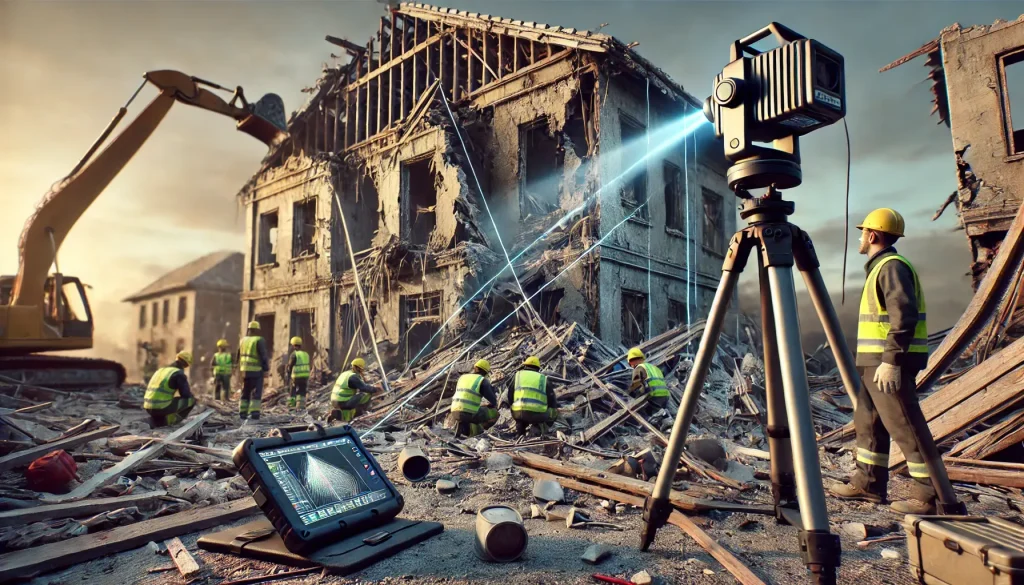
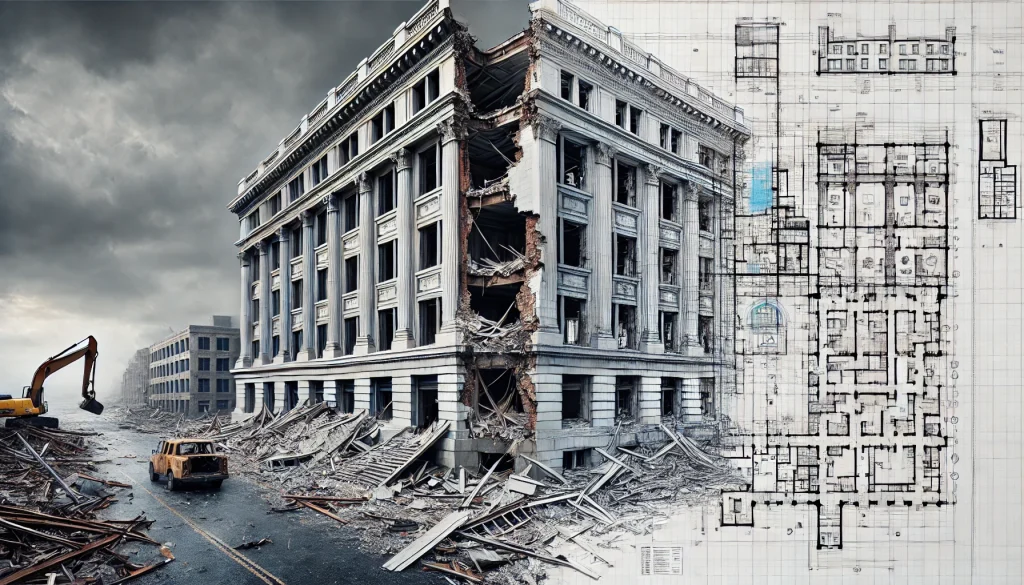
3D laser scanning being used to assess structural damage in a building after a natural disaster, providing accurate data for restoration and reconstruction planning.

This technology is ideal for post-disaster restoration because it provides a highly accurate representation of the building’s current state, which can be used to assess structural damage, plan repairs, and even monitor the progress of reconstruction work. Here’s how ScanM2’s laser scanning services can help in the restoration process:

  • Damage Analysis: We perform a comprehensive scan of the damaged building to identify structural issues, deformations, and other hazards. This data enables engineers and architects to precisely evaluate the damage and strategize the required repairs.
  • Building Inspection: With detailed scans, we can conduct thorough inspections of buildings that have been impacted by natural disasters, such as earthquakes or floods. This inspection data can be used to make informed decisions about the building’s structural integrity and the steps required for safe restoration.
  • Documentation for Insurance Claims: Accurate documentation is critical when filing insurance claims for disaster recovery. Our 3D scanning services provide detailed visual records and precise measurements that can serve as evidence of the damage, facilitating smoother and faster claims processing.
  • Planning Reconstruction: The data captured through 3D laser scanning can be used to create as-built drawings, BIM (Building Information Modeling) models, and 3D models that help restoration professionals plan reconstruction with a high level of precision.

Formats and Programs for Deliverables

At ScanM2, we provide clients with comprehensive documentation in various formats suitable for different stages of the restoration process. The formats include:

  • Point Clouds: Delivered in popular formats such as .e57, .las, and .pts for easy integration into various CAD and BIM software.
  • 2D Drawings: As-built drawings can be provided in formats like .dwg or .dxf, which are compatible with most CAD programs.
  • BIM Models: We create detailed BIM models using software such as Revit, allowing for efficient planning, visualization, and management of the restoration project.
  • 3D Models: Clients can receive 3D models in formats like .obj or .fbx, which can be used for simulations, virtual inspections, and further analysis.

Our team can also work with specialized software such as AutoCAD, Revit, Navisworks, and Rhino, ensuring seamless collaboration and compatibility with the client’s preferred tools.

Why 3D Laser Scanning is Cost-Effective and Beneficial

Compared to traditional inspection and restoration methods, laser 3D scanning offers significant advantages that can save both time and money:

  1. Speed: The scanning process is much faster than manual measurements, allowing restoration to begin sooner and minimizing downtime.
  2. Accuracy: The high level of precision provided by laser scanning ensures that no detail is overlooked, which reduces the likelihood of errors during reconstruction.
  3. Safety: Because laser scanning is non-contact, it allows for the safe inspection of dangerous or unstable areas without putting personnel at risk.
  4. Comprehensive Data: 3D scanning captures data from all angles, including hard-to-reach areas that would be difficult to measure manually.
  5. Cost-Effectiveness: Even with its sophisticated technology, 3D laser scanning remains a budget-friendly solution. It reduces the need for multiple site visits, minimizes manual labor, and helps avoid costly mistakes by providing accurate and reliable data.

Advantages Over Traditional Methods

Conventional inspection techniques typically depend on manual measurements and visual checks, making them time-consuming and susceptible to human error. In contrast, 3D laser scanning delivers a more comprehensive assessment with the following benefits:

  • Reduced Project Time: By quickly capturing detailed data, laser scanning significantly shortens the assessment phase, allowing restoration teams to start work sooner.
  • Enhanced Collaboration: The digital nature of 3D scanning data makes it easy to share information with all stakeholders, including architects, engineers, and insurance adjusters, ensuring that everyone has access to the most up-to-date information.
  • Improved Project Management: 3D models and BIM data can be used to monitor the progress of restoration work, ensuring that the project stays on track and within budget.
  • Minimized Material Waste: Accurate data helps in precise planning, which can reduce material waste and unnecessary expenses during reconstruction.
3D laser scanning being used to assess structural damage in a building after a natural disaster, providing accurate data for restoration and reconstruction planning

Partner with ScanM2 for Effective Disaster Restoration

At ScanM2, we understand the urgency and complexity involved in restoring buildings after natural disasters. Our expertise in laser 3D scanning, combined with our commitment to quality, makes us the ideal partner for clients looking to restore structures quickly and efficiently. By using cutting-edge technology and delivering accurate documentation in various formats, we help our clients navigate the restoration process with confidence.

Contact us today to learn how our 3D laser scanning services can support your disaster restoration project and help you restore buildings safely, accurately, and cost-effectively.

FAQ

What is 3D laser scanning, and how does it work?

3D laser scanning utilizes laser beams to obtain precise measurements of a building’s structural details. It generates a “point cloud,” a set of data points that depict the building’s geometric shape. The data can subsequently be utilized to create precise 3D models and as-built drawings.

How can 3D laser scanning help in the restoration of a building after a natural disaster?

After a disaster, 3D laser scanning helps assess the extent of the damage, provides precise documentation for insurance claims, and creates accurate models for planning repairs and reconstruction. It guarantees that every detail is recorded, streamlining the restoration process and enhancing its reliability.

Is 3D laser scanning expensive?

Despite its advanced capabilities, 3D laser scanning is a cost-effective solution. It can save money in the long run by reducing the need for multiple site visits, minimizing errors in reconstruction, and providing accurate data that helps streamline the restoration process.

In what formats can I receive the scanned data and documentation?

At ScanM2, we provide deliverables in a range of formats, including point clouds (.e57, .las, .pts), 2D drawings (.dwg, .dxf), BIM models (compatible with Revit), and 3D models (.obj, .fbx). We can seamlessly incorporate the data into software such as AutoCAD, Revit, and Navisworks.

How accurate is 3D laser scanning compared to traditional methods?

3D laser scanning delivers a significantly greater level of accuracy compared to traditional techniques. It captures data with millimeter precision, ensuring no details are missed, which is critical when restoring a building’s structural integrity.

How long does the scanning process take?

The scanning process is typically quick, with most projects taking anywhere from a few hours to a couple of days, depending on the size and complexity of the structure. This speed allows restoration efforts to begin sooner.

Can 3D laser scanning be used for all types of buildings?

Yes, 3D laser scanning can be used for a wide range of buildings, including residential houses, commercial properties, industrial facilities, and historical structures. It is especially useful for complex or hard-to-reach areas.

Check our activity on:

How 3D Scanning Saved Lascaux Cave’s Prehistoric Art for Future Generations

In the age of cutting-edge technology, our ability to explore and preserve history has reached remarkable new heights. One of the greatest examples of this is the preservation of the Lascaux Cave, often called the “Sistine Chapel of Prehistory.” With its breathtaking cave paintings dating back more than 17,000 years, Lascaux is a treasure trove of prehistoric art. Regrettably, the original cave has been off-limits to the public for years in order to protect its fragile murals from damage. However, thanks to advancements in 3D laser scanning and virtual reality (VR), the beauty of Lascaux can now be shared with the world, offering both a remarkable way to preserve cultural heritage and a deeply immersive experience of the ancient world.

The Role of 3D Scanning in Preserving Cultural Heritage

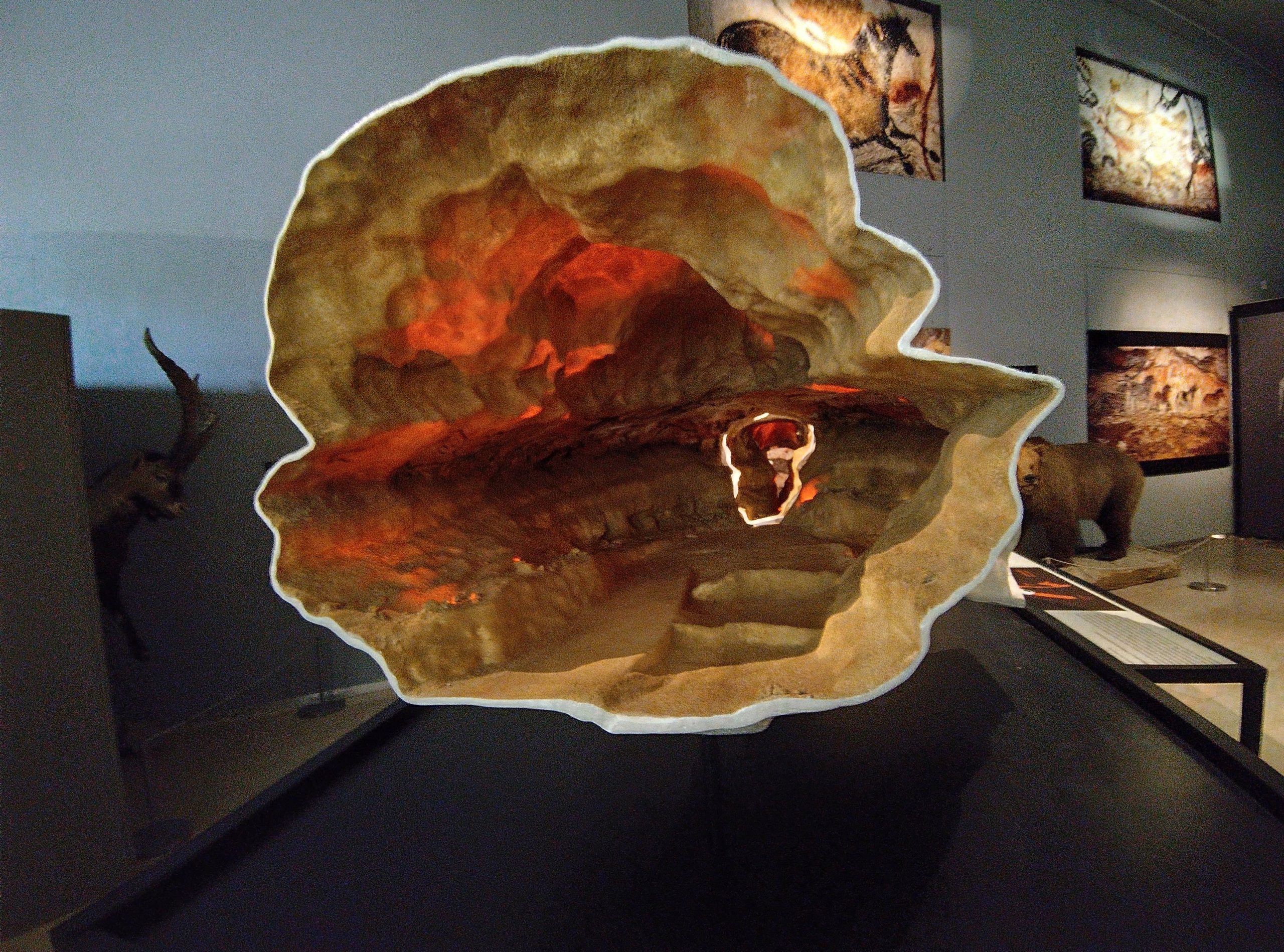
3D laser scanning process preserving the intricate prehistoric art of Lascaux Cave for future virtual reality exploration.

Laser 3D scanning has emerged as one of the most sophisticated methods of capturing detailed information about historical and cultural sites. When it comes to a masterpiece like the Lascaux Cave, which contains one of the most important collections of prehistoric art, the stakes are incredibly high. Traditional preservation methods often involve a trade-off between access and protection, but 3D scanning offers an innovative solution that allows for both.

Laser 3D scanning utilizes laser beams to gather exact measurements of physical environments and structures. For the Lascaux Cave, this technology was used to create an accurate digital replica down to the smallest detail, including the uneven surface of the cave walls and the intricate brushstrokes of prehistoric artists. This digital “cloud of points” forms the basis for a complete 3D model, which preserves the cave in its current state, protecting it from further degradation while allowing for its replication in various forms.

A Digital Replica of Lascaux: Preservation Through Precision

The Lascaux Cave’s fragile condition required a high level of precision, and 3D scanning provided a solution that other methods simply could not match. The point cloud generated from the scans was used to create a 1:1 digital replica of the cave, capturing every nuance of its structure and surface.

The ability to generate this type of high-resolution 3D model allowed the creation of a physical replica of the cave on a scale of 1:10. This miniature yet detailed reproduction is part of a broader effort to preserve the cave’s artistic and cultural heritage for future generations. More importantly, the digital model offers possibilities far beyond a physical reproduction—enabling the development of interactive VR experiences that bring Lascaux to life for people who might never have the opportunity to visit.

Exploring Lascaux Through Virtual Reality: A Journey into Prehistory

An especially exciting element of this project is the creation of an interactive VR tour of Lascaux. Through VR headsets and cutting-edge software, users can virtually step into the cave and explore its galleries, including areas that are too narrow or remote to access physically. Visitors can move through the deepest chambers, such as the Chamber of Felines, a passage so narrow it can only be reached on all fours. Now, anyone can experience the awe of standing inside this ancient cave, marveling at its stunning prehistoric paintings and engravings.

The VR experience goes beyond just seeing the cave. It provides users with the opportunity to engage directly with the artwork. Through VR technology, participants can learn about the techniques used by the cave’s original artists—brush painting, blowing pigments through stencils, or engraving with stone tools. They can see how these methods were employed to create the dynamic and detailed animal figures that make the Lascaux Cave so famous. This interactive component adds a level of engagement that brings the art to life in ways that a traditional museum exhibit could never achieve.

Making the Inaccessible Accessible: The Power of Virtual Tours

For most people, the opportunity to visit a site as fragile and historically significant as the Lascaux Cave is unlikely. The cave’s fragile ecosystem means that only a select few scientists are allowed access to its chambers. However, with 3D scanning and VR, this remarkable piece of human history is now accessible to everyone. By donning a VR headset, users can immerse themselves in the world of the ancient cave dwellers and explore one of the greatest archaeological finds of the 20th century.

In addition to personal VR experiences, the virtual model of Lascaux can be displayed in museums around the world, where visitors can navigate through the cave via interactive displays. This makes it possible for millions of people to appreciate the significance of the Lascaux Cave without the risks associated with physical tourism to the site.

Immersive 12-Minute VR Adventure: A Modern Journey into the Past

One of the crowning achievements of the Lascaux VR project is a 12-minute interactive adventure that offers a guided tour of the cave, complete with autonomous headsets that respond to voice commands and lighting cues. As users journey through the cave, an imaginary Sapiens from the distant past narrates their experience, drawing them deeper into the world of prehistoric humanity. This exploration of the ancient world goes beyond passive observation; it’s an immersive interaction with history that enriches our comprehension of prehistoric life.

3D laser scanning process preserving the intricate prehistoric art of Lascaux Cave for future virtual reality exploration.

By interacting with Lascaux’s paintings and engravings in a way that feels natural and intuitive, modern-day explorers can appreciate the cultural importance of these artworks and gain a new perspective on the development of early human civilization.

Preserving History for Future Generations

One of the greatest legacies of 3D scanning and virtual reality technology is the ability to preserve cultural heritage sites for future generations. As the original Lascaux Cave continues to degrade due to environmental conditions, its 3D model ensures that future archaeologists, historians, and the general public will still be able to experience its majesty.

These technologies not only serve as digital archives of important cultural sites but also as tools for education, research, and public engagement. Schools, museums, and cultural institutions around the world can incorporate these VR experiences into their curriculums, allowing students to explore the ancient world in ways that were previously unimaginable. By making these historical sites accessible, we ensure that they are preserved for future generations, even if the original sites themselves may one day be lost to time.

How Laser 3D Scanning Transforms Historical Preservation

The process of 3D laser scanning has revolutionized how we approach historical preservation. By collecting millions of data points, these scans deliver a degree of precision and detail that conventional methods are unable to match. For the Lascaux Cave, this means that the structure, surface, and artworks of the cave are preserved down to the smallest detail, ensuring that this cultural masterpiece remains intact for study and enjoyment.

Additionally, the uses of 3D scanning go beyond the mere physical preservation of the site. By creating digital models, researchers can perform detailed analyses of the cave’s structure and art, gaining insights into the techniques and tools used by prehistoric people. This data can be distributed worldwide, fostering a greater understanding of humanity’s history.

The Future of Cultural Heritage Preservation: 3D Scanning and Beyond

The success of the Lascaux Cave preservation project is a testament to the power of modern technology in preserving our shared cultural heritage. 3D scanning and virtual reality have opened up new possibilities for exploration, education, and conservation that were previously out of reach. With the ongoing advancement of these technologies, we can anticipate even more groundbreaking methods for preserving and experiencing cultural sites globally.

In a world where so many historical sites are under threat from environmental changes, urbanization, and even war, these digital preservation methods offer a way to safeguard our cultural history. They ensure that the knowledge and beauty of the past are not lost, but rather passed on to future generations in ways that are as immersive as they are educational.

FAQs

How does 3D laser scanning help preserve historical sites?

3D laser scanning captures precise measurements of historical sites, creating detailed digital replicas that preserve the site’s current state for future generations.

What role does virtual reality play in historical preservation?

Virtual reality allows users to experience and interact with digital models of historical sites, making them accessible to people who cannot visit the physical location.

Can virtual reality recreate the experience of visiting the Lascaux Cave?

Yes, VR technology can recreate the Lascaux Cave in stunning detail, allowing users to explore the cave and its art in ways that closely mimic the real-life experience.

How accurate are 3D scans in preserving the details of historical artifacts?

3D scans are incredibly accurate, capturing even the smallest details of a site or object, including textures and minute structural features.

What are the advantages of using 3D scanning over traditional preservation methods?

3D scanning provides a non-intrusive method for preserving sites, capturing accurate data without the need for physical contact with the object. It also allows for digital archiving and global access.

Can 3D scanning and VR be used for other archaeological sites?

Yes, these technologies are already being applied to other cultural heritage sites around the world, from ancient ruins to historical buildings and monuments.

Check our activity on:

5 Ways 3D Laser Scanning Can Benefit Your Business

In today’s competitive industries like architecture, construction, and design, embracing modern technology is crucial to staying ahead. One such technology, 3D laser scanning, offers exceptional value by capturing highly detailed 3D models of buildings, environments, or structures. But how can this technology truly benefit your business? Whether you’re an architect, a designer, or a facility owner, understanding how 3D scanning services work—and how they can optimize your processes—will help you unlock new opportunities for efficiency, cost savings, and accuracy.

Why Your Business Needs 3D Laser Scanning Services

Before diving into specific use cases, it’s important to understand the core advantages of 3D laser scanning services. These services are ideal for industries that require detailed, accurate documentation of real-world objects or spaces, including architecture, design, and building inspection. Whether you’re working on a large-scale renovation or a new design project, 3D scanning provides invaluable insights that traditional methods can’t match. Let’s explore five ways it can benefit your business, using real-world examples.

1. Precision and Accuracy: A Game-Changer for Architecture, Construction, and Design

Case Example: Renovation of a Historical Building in Boston

In 2023, an architecture firm in Boston was tasked with renovating a century-old historical building. The building had outdated blueprints, and many structural modifications had been made over the years. Relying on manual measurements could have led to inaccuracies and delays. The firm chose to use 3D laser scanning services from ScanM2.

Our team visited the site with a Leica 3D scanner, which captured millions of data points in under a day. The resulting 3D model allowed the architects to see the building’s exact dimensions, down to the millimeter, including irregularities like sagging floors or uneven walls. This level of precision was critical, as it enabled the architects to create highly accurate CAD drawings for their renovation plans.

By using 3D laser scanning, the firm avoided costly mistakes that might have occurred if they had relied on outdated blueprints or manual measurements. Moreover, the firm saved weeks of time, which would otherwise have been spent verifying measurements.

Key Benefits:

  • Accurate 3D models and point clouds
  • High-resolution as-built documentation
  • Seamless integration with CAD software
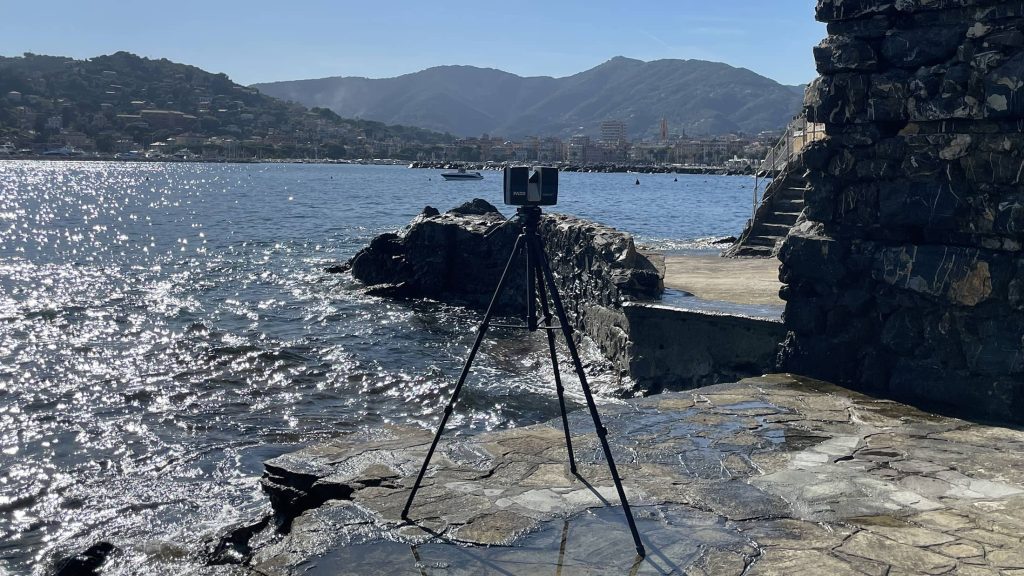
Precyzyjne skanowanie laserowe 3D Corniche Seaside Park dla projektowania krajobrazu

2. Cost Efficiency: 3D Laser Scanning Services Save You Money

Case Example: Architectural Firm Avoids Equipment Purchase for Large-Scale Project in New York

An architectural firm in New York was preparing for a large-scale commercial development project. The firm considered purchasing its own FARO scanner to handle the scanning needs internally, but after evaluating the costs—including equipment purchase, maintenance, and training—they realized that hiring a 3D scanning service would be far more cost-effective.

Instead of buying their own scanner, they partnered with ScanM2. Our team scanned the entire 12,000-square-foot construction site and delivered highly accurate as-built documentation within days. By outsourcing, the firm saved over $60,000 in equipment and labor costs.

They also avoided the learning curve associated with using a new scanner, allowing their architects to focus on design work while we handled the technical aspects of the scan. The firm’s decision to outsource not only saved them money but also ensured they received top-tier results from experts experienced in 3D laser scanning.

Key Benefits:

  • No capital expenditure on scanners
  • Skilled professionals performing the work
  • Ready-to-use 3D models and documentation

Faster Turnaround Time in Design and Construction with 3D Laser Scanning

Case Example: Rapid Survey of a Manufacturing Facility in Texas

A manufacturing plant in Texas needed to expand its facilities. However, the design team faced a tight deadline and couldn’t afford the lengthy manual surveying process traditionally used for building construction projects. They hired ScanM2 for a quick and accurate survey of their existing plant layout.

Using our FARO scanner, we completed a full scan of the facility in less than 48 hours. The resulting as-built drawings were processed in just two days, providing the design team with accurate data to begin the expansion project immediately. By cutting the usual survey time from weeks to days, the company completed their expansion three weeks ahead of schedule.

The quick turnaround made it possible for the plant to remain fully operational throughout the project, minimizing downtime and accelerating the overall construction timeline.

Key Benefits:

  • Faster data collection
  • Quicker analysis and design phases
  • Fewer project delays

Improved Collaboration in Architecture, Design, and Construction with 3D Laser Scanning

Case Example: Collaboration Between Architects and Engineers in a Stadium Renovation Project

A multidisciplinary team was working on the renovation of a large sports stadium in California. The project involved multiple stakeholders, including architects, structural engineers, and interior designers. With so many moving parts, communication breakdowns were a real concern.

The team used 3D laser scanning services to scan the entire stadium, from the seating areas to the support structures. The resulting 3D model was shared among all stakeholders through cloud-based software. Every team had access to the same precise measurements and could make informed decisions without relying on outdated drawings or assumptions.

This led to seamless collaboration between the design and engineering teams, as they could easily reference the as-built documentation and resolve any spatial conflicts before they occurred. The project was completed under budget, thanks in part to the efficient communication enabled by 3D laser scanning.

Key Benefits:

  • Improved communication between teams
  • Consistent reference points throughout the project
  • Shared access to accurate data in real-time

Enhanced Safety and Risk Management in Building Construction Through 3D Laser Scanning

Case Example: Identifying Structural Issues in a Factory Demolition in Chicago

Before demolishing an old factory in Chicago, a construction company needed to assess the building’s structural integrity. Manual inspections were dangerous due to the factory’s unstable structure. Instead, the company opted for 3D laser scanning to safely gather the necessary data without exposing workers to unnecessary risks.

Our Leica 3D scanner captured the factory’s entire structure from a safe distance, allowing the construction team to generate accurate as-built drawings. These scans revealed weak points in the structure, enabling the team to plan the demolition more safely and strategically.

Using 3D scanning services significantly reduced the risk of accidents during demolition. It also allowed the team to comply with industry regulations and ensure the safety of both workers and the surrounding environment.

Key Benefits:

  • Safer inspection processes
  • Risk mitigation in hazardous areas
  • Compliance with industry safety standards
corporate-university-scanm2

The 3D Laser Scanning Process: What You Can Expect from Our Services

Step 1: Site Visit and 3D Laser Scan

Our team will visit your site with a high-quality laser scanner (such as a Leica 3D scanner or FARO scanner). For instance, in the case of the factory demolition in Chicago, the scanner captured millions of data points within just a few hours, creating a “point cloud” of the entire structure. This data is collected quickly and with minimal disruption to your operations.

Step 2: Data Processing and 3D Model Creation

Once the scanning is complete, the data is processed to create a precise 3D model. For the Boston historical building renovation, we used advanced software like Autodesk ReCap and Cyclone to ensure every detail was captured accurately. The model can be exported into formats such as DWG, RVT, or IFC for easy integration into your CAD software.

Step 3: Delivery of Results in CAD Drawings or As-Built Documentation

We provide you with a full set of digital documents, including as-built documentation and detailed CAD drawings. For the Texas manufacturing facility, these were delivered in DWG format, ready to be used in further design and construction efforts. We can adapt to your preferred file formats to ensure smooth project execution.

Why Choose ScanM2 for 3D Laser Scanning Services?

At ScanM2, we pride ourselves on offering one of the most competitive prices on the market without compromising on quality. Our 3D laser scanning services are designed to be affordable for small and large businesses alike, offering the same level of precision and service you’d expect from in-house solutions—without the associated costs.

With a commitment to accuracy, efficiency, and customer satisfaction, we ensure that every project is completed on time and within budget, allowing you to focus on what matters most: growing your business.

FAQs

What is 3D laser scanning, and how does it benefit my business?

3D laser scanning captures detailed measurements of buildings or spaces, creating accurate 3D models for design, construction, or inspection purposes. This results in better accuracy and cost savings.

How can 3D scanning services save my architecture firm money?

By outsourcing scanning services, you avoid purchasing expensive equipment and hiring additional staff. Our team handles everything from scanning to documentation.

Is 3D laser scanning suitable for building inspections?

Yes, 3D laser scanning is ideal for building inspections as it reduces the need for manual measurements and provides highly accurate data to identify structural issues.

What software do you use for 3D scanning and model processing?

We use industry-standard tools such as Autodesk Revit, AutoCAD, Autodesk Recap, and Cyclone to process scans and generate models.

How quickly can I get the 3D models or as-built documentation?

Typically, scanning takes a few hours, and results, including 3D models and as-built documentation, are delivered within a few days.

What formats do you provide for CAD drawings and documentation?

We offer a variety of formats, including DWG, RVT, and IFC, to ensure compatibility with your preferred software.

Conclusion

3D laser scanning services offer unparalleled precision, cost savings, and efficiency for businesses in architecture, construction, design, and beyond. Whether you’re looking to streamline your project timelines, improve safety on-site, or enhance collaboration between teams, 3D scanning services from ScanM2 are the smart choice. With affordable pricing and top-tier technology like the Leica 3D scanner or FARO scanner, you’ll benefit from accurate models, faster project completion, and reduced risk—allowing you to focus on delivering the best results for your clients.

Check our activity on:

InterGeo 2024 in Stuttgart: Insights from ScanM2’s Leadership

InterGeo has always been a premier event for exchanging cutting-edge ideas and technologies in the fields of geodesy, cartography, and data processing. This year, the conference took place in Stuttgart, attracting thousands of professionals and industry experts.

Our leader, Yauheni Ramanchuk, actively participated in the event and has prepared a detailed overview of the key trends and innovations showcased at InterGeo 2024. On this page, you can explore his insights and discover the technologies and solutions that are shaping the future of our industry.

Dear colleagues,

I am pleased to share my impressions and the outcomes of participating in one of the key events in our industry — InterGeo 2024, which took place in Stuttgart. This event once again confirmed its status as the leading platform for exchanging cutting-edge ideas, new solutions, and technologies in the field of geodesy, cartography, and data processing.

The exhibition featured a huge number of participants and visitors, underscoring the ongoing interest in new technologies and market trends. Among the showcased solutions, those that once seemed futuristic, but have now become part of everyday practice, stood out the most: Scan2BIM, Scan2CAD, mobile LiDAR systems, and more. These technologies play a crucial role in transforming measurement work, taking the industry to a new level of precision and efficiency.

Professionals networking and exchanging ideas at InterGeo 2024 in Stuttgart

Key Trends of InterGeo 2024:

Machine learning and point cloud processing

One of the most notable trends was the use of machine learning algorithms to automate and improve the accuracy of point cloud data processing, obtained from LiDAR and photogrammetric systems. These technologies significantly speed up the process of converting data into CAD and BIM models.

Technology integration

A critical topic was the integration of LiDAR systems with photogrammetry and GPS positioning into single devices. This approach greatly increases the accuracy of data, which is especially important for complex measurement tasks.

New software products

Advanced viewers and solutions were presented, enabling the integration of point clouds with CAD programs and allowing users to edit the data. This represents a step forward in the unification of various data types and enhances user convenience.

Increased data processing efficiency

Systems for processing data from satellites and mobile scanning platforms demonstrated impressive results, allowing more efficient use of the collected data for creating highly accurate terrain models.

Main Goals and Objectives

  1. Attracting youth to the industry. One of the key objectives of the event was to involve young specialists and students in our rapidly developing industry. This is vital for the future of the field, as young minds bring fresh ideas and innovations.
  2. Improving efficiency and sustainability. The issues of resource conservation and the efficient use of building materials were central to the discussions. The technologies showcased at InterGeo 2024 aim to improve environmental sustainability and optimize processes in construction and related fields.
  3. Accelerating data processing. Increasing the speed and accuracy of data processing is one of the most important challenges being addressed by new software products and solutions. This allows for a significant reduction in the time between data acquisition and practical application.

Conclusion

InterGeo 2024 left a very strong impression. The solutions and technologies presented demonstrated that our industry continues to evolve rapidly, and reality has already exceeded many expectations. The event attracted a huge number of participants, providing the opportunity to exchange experiences, gain inspiration from new ideas, and define the vectors for further development.

We are on the verge of significant changes, and it is important that we are already beginning to apply the technologies of the future to reach new heights in geodesy and surveying.

Sincerely, Yauheni Ramanchuk
Head of ScanM2

Check our activity on:

Revolutionizing Landscape Architecture with 3D Laser Scanning

Our company, ScanM2, provide high-resolution, accurate digital models that are crucial for landscape architects, designers, and engineers working on complex projects. Our services extend beyond traditional surveying techniques. Using advanced 3D laser scanners like Faro, Leica, and Trimble, we offer unrivaled accuracy at a competitive price. Whether it’s a building, infrastructure, or an intricate landscape design, we ensure that your project has a solid digital foundation.

The Power of 3D Laser Scanning in Landscape Architecture

The process of landscape architecture demands exactitude. Every tree, building, slope, and feature must be perfectly measured and documented. Traditionally, manual methods of surveying were prone to error and consumed valuable time. However, 3D laser scanning revolutionizes this process, allowing landscape architects to capture data with millimeter precision.

Our 3D landscape scanning services can provide detailed scans of large areas or focused scans of specific sites, delivering point cloud data that can be seamlessly integrated into your Building Information Modelling (BIM) workflows. This technology is not only significantly faster but also far more accurate than traditional manual methods. With us, the margin for error is practically non-existent.

The Benefits of 3D Laser Scanning for Landscape Architecture Firms

  • Accuracy: Our 3D landscape design models offer unmatched accuracy. Whether you’re planning urban parks, commercial properties, or residential landscapes, precise measurements are crucial to avoid costly mistakes during construction.
  • Speed: 3D laser scanning is far faster than traditional surveying methods. Instead of days or weeks, projects can be scanned and digitized in mere hours, allowing landscape architecture companies to work on tighter deadlines without sacrificing quality.
  • Integration with BIM: Our scans can easily be integrated into Scan to BIM workflows, providing a seamless transition from the real-world environment to the virtual model. This guarantees that any modifications or design iterations are grounded in the most precise data available.
  • Cost-Effective: Contrary to common belief, our 3D scanning services are affordable. We use professional-grade scanners, which provide more accurate results than handheld scanners, and offer a pricing structure that is competitive and transparent. For clients with ongoing projects, we also offer a bonus program with exclusive discounts for repeat business.

How 3D Scanning Helps Landscape Architecture Companies Deliver Quality

Landscape architecture firms must work in harmony with existing structures, natural elements, and engineering constraints. Any small error in measurements can result in delays, budget overruns, or poor design outcomes. Our 3D laser surveys capture every detail of your project site, ensuring that the landscape architects and designers can trust the accuracy of their data.

Precyzyjne skanowanie laserowe 3D Corniche Seaside Park dla projektowania krajobrazu

By employing 3D landscape scanning, designers can visualize not just how a site looks, but how it interacts with its surroundings—elevation changes, vegetation, infrastructure, and more. This enables more informed decision-making during the design phase, ultimately leading to higher-quality project outcomes.

Why Choose ScanM2 for Your Landscape Architecture Project?

At ScanM2, we’re not just another scanning company. We are proud to offer customized services that are specifically designed to address the unique requirements of landscape architecture firms. From small residential projects to large-scale urban landscapes, we provide data that can guide every phase of design and construction. Here’s why we’re the right choice for your next project:

  • High-Precision Scanning: With equipment from Faro, Leica, and Trimble, we offer 3D surveys that capture every detail, from the smallest architectural feature to vast landscapes.
  • Affordability: Unlike competitors who rely on handheld scanners, our professional-grade equipment allows us to offer a cost-effective service with superior accuracy. We make 3D scanning accessible for firms of all sizes.
  • Versatility: Our scans are not limited to landscapes alone. We also specialize in scanning buildings, infrastructure, and mechanical systems, allowing you to capture a complete picture of your project environment.
  • Bonus Programs for Repeat Clients: We value long-term relationships. That’s why we offer exclusive bonuses and discounts for returning clients.

Use Cases for 3D Laser Scanning in Landscape Architecture

  1. As-Built Documentation: Capturing existing conditions is a critical part of any landscape architecture project. Our as-built scans provide a precise digital representation of the site as it exists, ensuring that your designs align with reality.
  2. Historical Preservation: When working on historic sites or sensitive environments, accuracy is paramount. Our laser surveys can capture every detail of a site without invasive techniques, preserving its integrity while providing the data you need.
  3. Site Planning and Analysis: Understanding the terrain is essential for effective design. With 3D laser scanning, you can obtain accurate topographical data, ensuring that your designs work with, rather than against, the natural landscape.
  4. Urban Development: For landscape architecture companies involved in urban planning, we offer the ability to scan entire city blocks, capturing every building and open space. This data enables precise, comprehensive planning that fully considers the existing infrastructure.

The Future of Landscape Architecture with 3D Laser Scanning

As the demand for more sustainable, accurate, and efficient designs grows, the role of 3D laser scanning in landscape architecture will only increase. Firms that embrace this technology are better positioned to deliver superior projects faster, under budget, and with fewer errors. From urban parks to rural estates, our 3D models and 2D drawings give designers the insights they need to make informed decisions.

Our expertise in scanning to BIM also ensures that your digital assets are ready for future use, allowing for easier updates, modifications, or even expansions of your designs over time. At ScanM2, we are dedicated to pushing the boundaries of what’s possible with 3D laser scanning technology, constantly enhancing its capabilities to better serve our clients.

Contact Us Today

Ready to transform your next landscape architecture project? Our team is ready to deliver the data you need for accurate, efficient, and cutting-edge designs. Fill out the form below to get started with our 3D laser scanning services and see how we can help you elevate your work.

FAQs

How does 3D laser scanning benefit landscape architecture firms?

3D laser scanning offers precise, accurate data that is crucial for creating detailed landscape designs. It speeds up the data collection process, reduces errors, and integrates easily into BIM workflows, allowing for better design outcomes.

What is the difference between 3D laser scanning and traditional surveying methods?

Traditional surveying methods depend on manual measurements, which are often time-consuming and susceptible to errors and inaccuracies. In contrast, 3D laser scanning collects millions of data points in seconds, providing a significantly more detailed and accurate representation of the site.

Is 3D laser scanning expensive?

Not at ScanM2. We offer highly competitive pricing, often more affordable than companies using handheld scanners. Additionally, our bonus program for returning clients makes our services increasingly cost-effective over time.

What kind of equipment do you use for 3D scanning?

We use professional-grade scanners from Faro, Leica, and Trimble. These devices ensure the highest level of accuracy and detail in our scans.

Can 3D scans be integrated into BIM?

Yes, our scans are fully compatible with Building Information Modeling (BIM) workflows, ensuring seamless integration into your projects. This allows landscape architects to seamlessly incorporate real-world data into their designs.

Do you offer services for urban landscape projects?

Absolutely. Our 3D laser scanning services are ideal for large-scale urban projects, providing the precision and detail necessary for successful urban planning and development. We have the capability to scan entire city blocks, delivering comprehensive data for urban planning and development initiatives.

Check our activity on:

Unlock the Full Potential of BIM Architecture with 3D Laser Scanning

Building Information Modeling (BIM) has emerged as a fundamental element in contemporary architecture and construction, providing intricate digital representations of buildings and infrastructure. Our company, ScanM2, specializes in 3D laser scanning for BIM architecture, providing services that include the scanning of buildings, engineering systems, landscapes, and electrical networks. By using state-of-the-art equipment like Faro, Leica, and Trimble scanners, we deliver high-precision scans that are essential for architectural firms, designers, and engineers. In addition, our services are competitively priced, making them accessible to businesses of all sizes.

If you’re looking for a reliable and affordable way to integrate BIM into your projects, our 3D laser scanning services are the solution you need. From detailed 3D models to accurate as-built drawings, we offer end-to-end support that ensures you receive the most accurate data possible.

Why BIM Architecture Needs 3D Laser Scanning

The integration of BIM with 3D laser scanning is a game-changer for architectural projects. As architecture shifts towards more precise and data-driven processes, BIM and architecture are becoming inseparable. Utilizing 3D BIM objects allows architects to visualize projects with exceptional precision and detail. Whether you need Revit structural models or 2D drawings derived from laser scans, we provide solutions that enhance every stage of the design process.

Architectural firms can no longer afford to rely solely on traditional measurement methods. Our 3D laser scanning provides precise point cloud data that can be easily transformed into detailed 3D models for use in BIM Revit architecture. This makes it easier to assess building conditions, verify construction accuracy, and plan future developments.

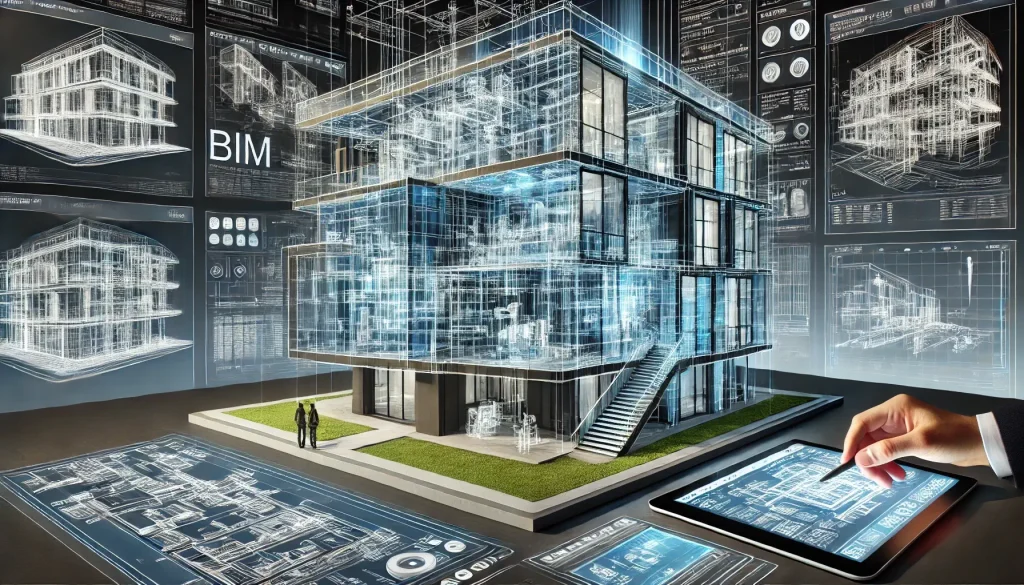
3D laser scanning services for BIM architecture applications.

How ScanM2’s 3D Laser Scanning Supports Architectural Design

At ScanM2, we understand the importance of accurate data in architectural design. Our laser surveys create comprehensive 3D models that allow architects and designers to work more efficiently and accurately. By leveraging scan to BIM technology, we ensure that every detail, from structural elements to electrical systems, is captured and rendered with precision.

Our services are invaluable for architectural and design firms because they provide a reliable foundation for all phases of a project. With our 3D scanning services, you can visualize complex structures, identify potential issues early on, and make more informed design decisions.

Benefits of Our 3D Laser Scanning for BIM Architecture

Choosing ScanM2 for your BIM architecture needs offers several distinct advantages:

  1. Cost-Effectiveness: We offer affordable pricing that beats competitors using manual scanning methods. Despite the lower cost, we maintain the highest levels of accuracy and detail.
  2. High Precision: Our scans provide unparalleled accuracy, essential for detailed BIM models and 3D BIM objects.
  3. Fast Turnaround: With our advanced scanning equipment, we deliver data faster than traditional methods, ensuring that your project stays on schedule.
  4. Comprehensive Service: From point cloud data to as-built documentation, we handle every aspect of the scan to BIM process.
  5. Scalable Solutions: Whether you’re working on a single building or a large-scale infrastructure project, our services can be tailored to meet your specific needs.

Scan to BIM: What Makes It Essential for Architectural Firms

Our Scan to BIM services seamlessly integrate real-world structures with digital models, enabling architects to develop precise and functional designs with greater ease. With BIM architecture, you gain more than just a digital blueprint—you gain a dynamic model that allows for in-depth analysis, collaboration, and simulation.

The 3D laser scanning process captures every nuance of a structure, from load-bearing walls to intricate piping systems. This data is then transformed into BIM models that provide a complete overview of the building’s architecture and engineering.

The Importance of Revit Structural Models in BIM

Revit structural models are a crucial part of the BIM architecture process. These models offer comprehensive representations of a building’s structural elements, ensuring that every detail of the design is thoroughly considered. At ScanM2, we use 3D laser scanning to create highly accurate Revit models that can be easily integrated into your BIM workflows. Whether you’re undertaking a new construction project or upgrading an existing building, our Revit structural services provide you with the highest level of precise data available.

Debunking the Myth: 3D Laser Scanning Is Not Expensive

Although many companies believe that 3D laser scanning is prohibitively costly, ScanM2 offers affordable solutions that defy this misconception. Thanks to our investment in high-quality scanners like Faro, Leica, and Trimble, we can offer highly detailed scans at a lower cost than competitors using less advanced, manual equipment. The scan to BIM process is also faster and more efficient, further reducing overall project costs. Moreover, we offer a loyalty program with discounts for repeat clients, ensuring that our services remain affordable even for long-term projects.

How 3D Laser Scanning Improves Construction Accuracy

Accuracy is paramount in construction, and BIM architecture relies on it to prevent costly mistakes. 3D laser surveys provide the most accurate measurements possible, ensuring that the as-built models reflect reality down to the millimeter. These scans can be used for everything from verifying initial design plans to monitoring construction progress, helping to identify any deviations early in the process. At ScanM2, we provide laser surveys that create detailed 3D models, allowing construction teams to work with confidence, knowing that they are building according to precise specifications.

Applications of 3D Laser Scanning for Electrical and Engineering Systems

In addition to architectural applications, our 3D scanning services are essential for mapping out engineering systems, electrical networks, and other critical infrastructure. With scan to BIM, you get a comprehensive overview of these systems, making it easier to manage installations, repairs, and upgrades. Our 3D laser scanning captures even the most complex systems, providing clear and actionable data for engineers and electricians.

Why Choose ScanM2 for Your BIM Architecture Needs

At ScanM2, we pride ourselves on delivering top-quality 3D laser scanning services at competitive prices. Whether you’re an architect, designer, or engineer, we offer solutions that will enhance your ability to plan, design, and execute projects with accuracy and efficiency. Our commitment to customer satisfaction and our expertise in BIM architecture make us the ideal partner for your next project.

Take the Next Step: Contact Us Today

Ready to take your BIM architecture projects to the next level with high-precision 3D laser scanning? Please complete the form below to request a complimentary consultation or to explore more about our services. Let ScanM2 help you create the most accurate and reliable 3D BIM models for your upcoming projects.

FAQs

What is BIM architecture and why is it important?

BIM architecture is a methodology that encompasses the creation of comprehensive digital models for buildings and infrastructure. It helps architects and engineers make more informed design decisions, reduce errors, and improve project efficiency.

How does 3D laser scanning work?

3D laser scanning uses advanced equipment to capture detailed data about a structure’s physical dimensions. This information is subsequently utilized to develop accurate digital models that can be integrated into BIM systems.

What are the advantages of using 3D laser scanning in construction?

3D laser scanning provides accurate measurements, helps identify design flaws early, and improves overall project efficiency. It also ensures that construction teams are working with precise data, reducing the risk of costly errors.

Is 3D laser scanning expensive?

Not with ScanM2. We offer affordable 3D laser scanning services without compromising on accuracy. Our state-of-the-art scanners enable us to operate with greater efficiency, allowing us to transfer the resulting cost savings directly to our clients.

What types of projects can benefit from scan to BIM services?

Scan to BIM is useful for a wide range of projects, including building renovations, new constructions, and infrastructure upgrades. It provides detailed models that are essential for architectural and engineering planning.

How can I get started with ScanM2's services?

Simply fill out the form on our website to request a consultation. Our experts will support you every step of the way and help identify the most effective scanning solution for your project.

Services

Check our activity on:

Why You Don’t Need Expensive LiDAR Technology for High-Precision Laser 3D Scanning

Laser 3D scanning has revolutionized industries like construction, architecture, and engineering. As businesses explore this powerful technology, many are led to believe that LiDAR technology is the gold standard for 3D scanning. However, when it comes to precision, versatility, and cost efficiency, LiDAR often falls short of the expectations set by stationary laser scanners from brands like Faro, Leica, and Trimble. Companies like ScanM2 have embraced these more advanced laser technologies, demonstrating why you don’t need LiDAR technology to achieve the best results in 3D laser scanning.

What is LiDAR Technology?

LiDAR (Light Detection and Ranging) technology works by emitting laser pulses to map out distances and create 3D models of environments. While LiDAR has been heralded for its ability to capture large-scale topographical data, it is primarily designed for aerial applications, such as mapping landscapes or surveying large areas. This very capability, though impressive, limits its effectiveness in detailed, high-precision scanning needed for architecture, construction, and engineering projects.

How Stationary Laser 3D Scanners Surpass LiDAR

One of the most significant limitations of LiDAR scanners is their lower precision when compared to stationary laser scanners like those made by Faro, Leica, and Trimble. LiDAR scanners typically offer accuracy within a range of a few centimeters, which may suffice for topographic mapping but falls short for projects requiring finer details. For instance, when scanning buildings or mechanical systems, even a millimeter difference can have a substantial impact on the project’s outcome.

In contrast, the laser scanners used by ScanM2 deliver precision down to 1-5 millimeters, ensuring that even the smallest details are captured accurately. This level of precision is crucial when creating as-built models, 2D documentation, or point clouds for projects where precision defines success. LiDAR technology, while useful in certain contexts, simply cannot compete with the accuracy and detail provided by these stationary scanners.

Why Every Millimeter Matters in 3D Scanning

Precision is not a luxury in 3D scanning; it’s a necessity. Whether you’re renovating a small apartment or designing an industrial complex, even the tiniest details can significantly impact the project’s success. Stationary 3D scanners from Faro, Leica, and Trimble allow professionals to capture an incredible level of detail—down to fractions of a millimeter. This makes them perfect for both large-scale developments and intricate restoration projects, where precision and detail are essential.

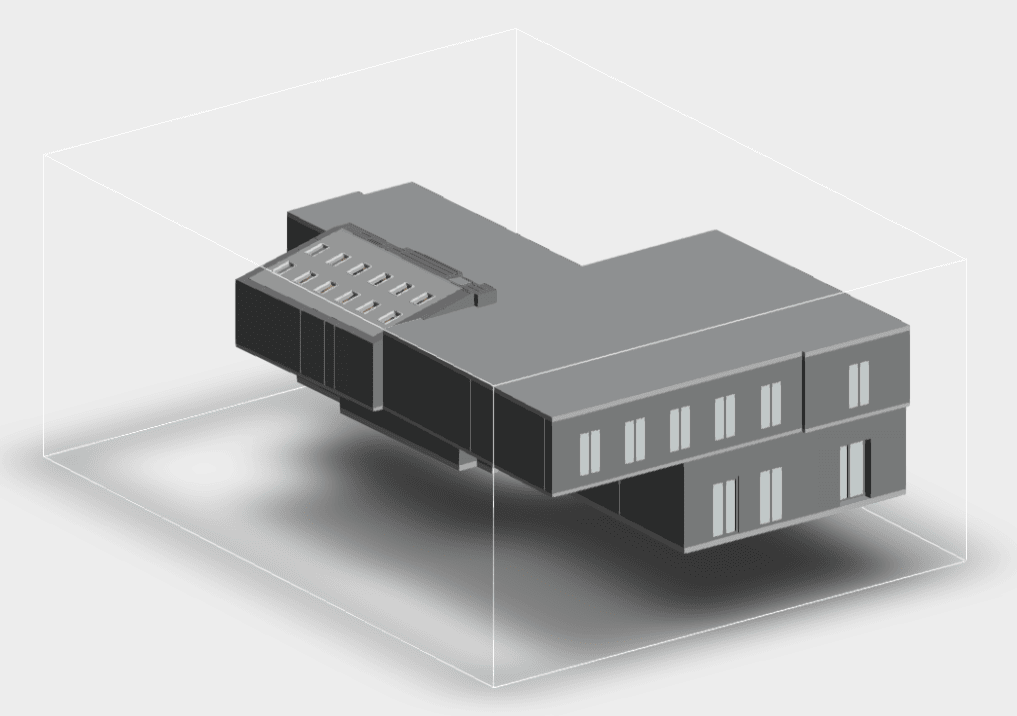
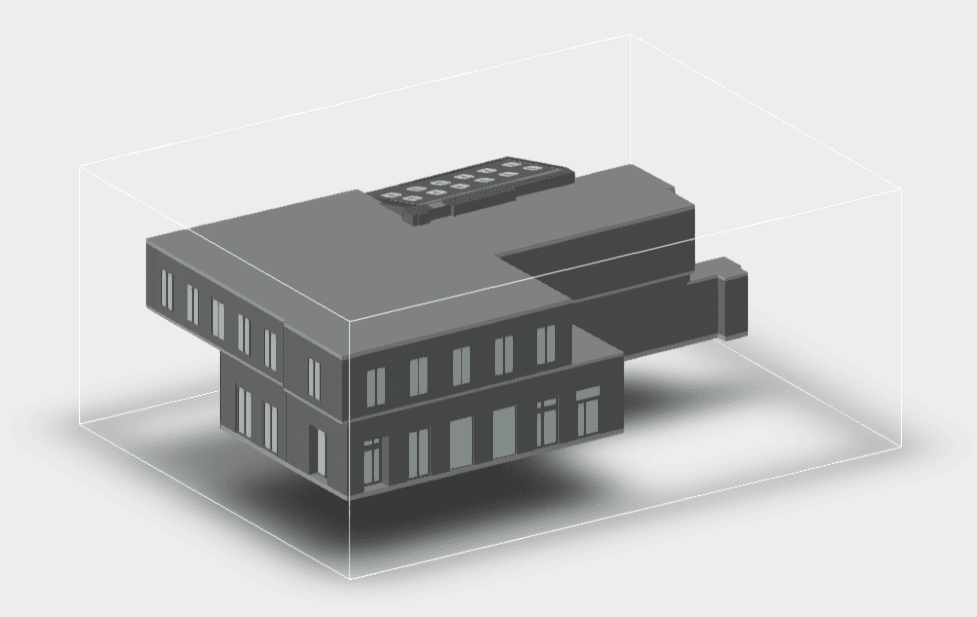
3D Modeling as a result 3D Laser Scanning

LiDAR scanners, on the other hand, often struggle to deliver this same degree of resolution. While they excel in capturing large areas, their lower resolution makes them unsuitable for tasks where high-fidelity data is required. Choosing a stationary laser scanner over LiDAR technology ensures that every project, no matter how small, benefits from unmatched detail.

Cost Efficiency: High-End Equipment Without the High Price

In addition to providing superior precision, stationary laser scanners are also more cost-effective compared to LiDAR technology. The common misconception that LiDAR scanners are the best option leads some to pay a premium for 3D scanning services. However, ScanM2 proves that you don’t need to spend a fortune to get high-end scans.

Our company offers competitive pricing for both large-scale and small-scale projects, thanks to the efficiency and accuracy of the Faro, Leica, and Trimble scanners we use. While other companies charge exorbitant fees for scans with less advanced equipment, ScanM2 provides better results at a fraction of the price.

Point Cloud Modeling as result 3D Laser Scanning

Maximizing Value for Design and Architecture Firms

For architectural firms and designers, the ability to obtain accurate scans quickly and affordably is a game-changer. ScanM2’s services allow firms to outsource their 3D scanning needs, saving money on hiring full-time staff and investing in expensive equipment. Additionally, the point cloud data and as-built models we provide can easily integrate into BIM software, streamlining the process for both designers and engineers.

Applications of 3D Laser Scanning for Various Projects

3D laser scanning offers versatility, making it suitable for an extensive variety of projects. Whether you’re scanning an entire factory or just a single room, Faro, Leica, and Trimble scanners can adapt to any setting.

Scanning for Large Industrial Sites

One of the key advantages of stationary laser scanners is their ability to handle vast industrial spaces with ease. These devices capture millions of points per second, allowing for the creation of detailed models of large areas, such as factories, warehouses, or manufacturing plants. This high level of detail allows for more precise planning, construction, and ongoing maintenance of industrial facilities.

Residential Projects: From Apartments to Full Redesigns

At the same time, 3D scanning services can be just as beneficial for smaller projects like residential properties. Faro and Trimble scanners are nimble enough to scan a single room or an entire apartment complex, providing detailed data that architects and interior designers can use to create accurate blueprints or redesign layouts.

In contrast, LiDAR technology, with its focus on large-scale outdoor environments, is ill-suited for these more intimate, precise indoor applications.

Preserving Historical Monuments: High-Precision Scanning for Restorations

One area where 3D laser scanning truly excels is in preserving historical sites. The high level of detail provided by stationary scanners allows for the careful documentation of ancient architecture, sculptures, and monuments, ensuring that restorations remain faithful to the original design. ScanM2’s scanning services offer the precision necessary for these delicate restoration efforts, which often demand an extraordinary attention to detail.

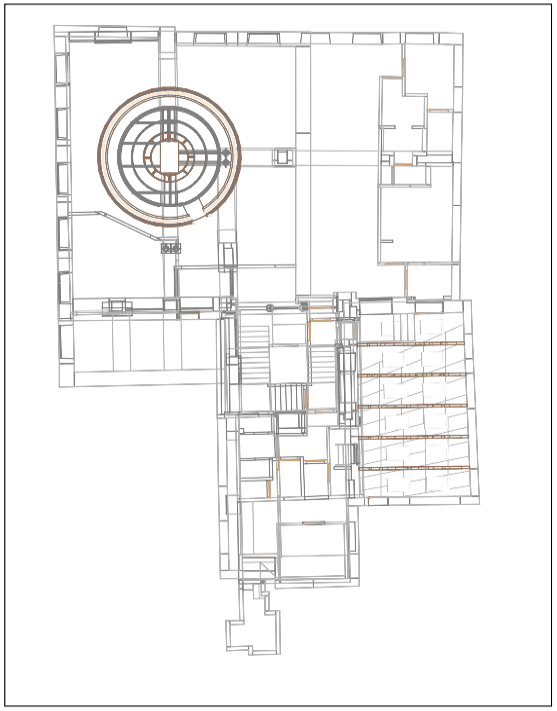
Download DWG Examples

How 3D Scanning Enhances As-Built Services

As-built services play a vital role in any construction project, ensuring that the final build accurately reflects the original design. With the help of 3D scanning, architects and engineers can accurately capture the existing state of a building or infrastructure, providing a solid foundation for any future modifications or renovations.

Built Information Modeling (BIM) and the Role of 3D Scanning

A key reason companies depend on 3D laser scanning is to enhance and streamline their BIM workflows. Built Information Modeling requires accurate point cloud data to create realistic models of structures, which is only possible with high-precision scanning. ScanM2’s scanners provide the level of detail necessary to produce BIM models that reflect the true state of a building, ensuring that every aspect of the project, from planning to execution, aligns perfectly.

From Scans to 2D Documentation: The Power of Accurate Point Clouds

Once a structure is scanned, the data can be transformed into 2D documentation, such as floor plans and elevation drawings. This is invaluable for architects, engineers, and designers who need accurate measurements to plan renovations or new builds. The point clouds generated by ScanM2’s scanners are highly detailed, ensuring that the resulting documentation is as accurate as possible.

Why Choose ScanM2’s 3D Scanning Services?

When considering 3D scanning services, the choice of equipment and expertise matters. ScanM2 is proud to use the most advanced stationary laser scanners available, offering superior precision, flexibility, and cost-efficiency compared to LiDAR technology. Whether you’re working on a large-scale industrial project or a small residential redesign, our team has the expertise to meet your needs—at a price that won’t break your budget.

FAQs

What is 3D laser scanning?

3D laser scanning utilizes laser beams to capture accurate measurements of a space or object, generating a highly detailed 3D model.

How does 3D scanning differ from LiDAR technology?

While both technologies use lasers, 3D laser scanning offers higher precision and is better suited for projects requiring detailed, close-range scans, unlike LiDAR, which is best for large-scale outdoor mapping.

Why is the level of detail important in 3D scanning?

Precision is essential in projects like construction and design, where even small inaccuracies can lead to costly mistakes.

Can 3D scanning be used for small-scale projects?

Yes, 3D laser scanning is versatile enough to be used for both large and small projects, from scanning entire factories to individual apartments.

How accurate is 3D laser scanning?

With equipment like Faro, Leica, and Trimble scanners, the accuracy ranges from 1 to 5 millimeters, providing an unparalleled level of detail.

How does 3D scanning benefit as-built services?

3D scanning provides accurate data that helps architects and engineers verify that a building matches the design, ensuring smooth project completion.

Conclusion

While LiDAR technology may be suitable for large-scale outdoor mapping, it falls short in the precision and versatility needed for most construction, design, and engineering projects. ScanM2’s 3D scanning services leverage the best stationary laser scanners to provide the highest level of detail at a competitive price. From large industrial sites to small residential projects, we offer the accuracy and cost-efficiency that LiDAR simply can’t match.

Check our activity on:

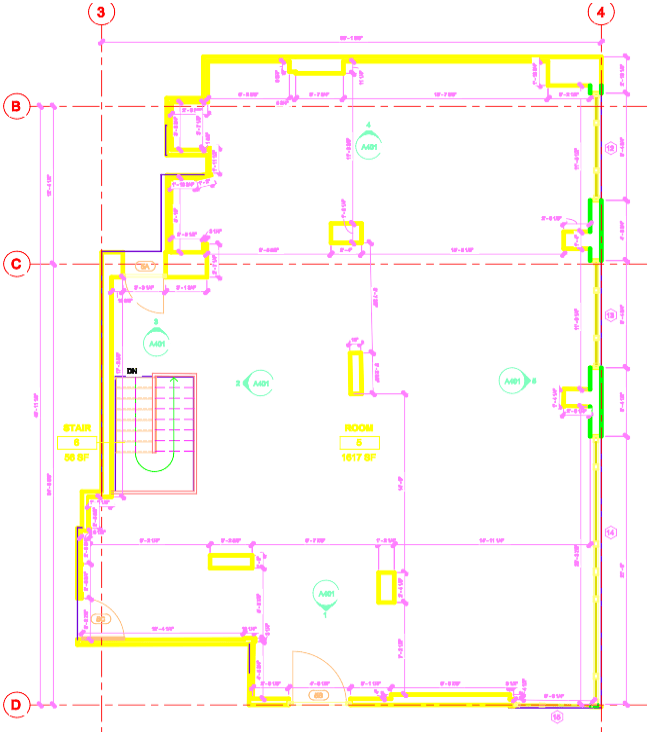
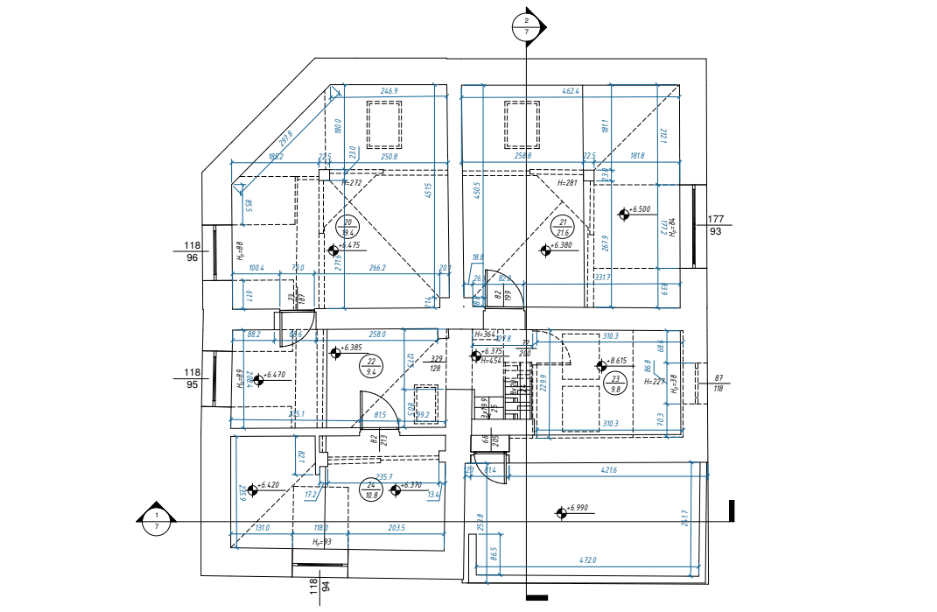
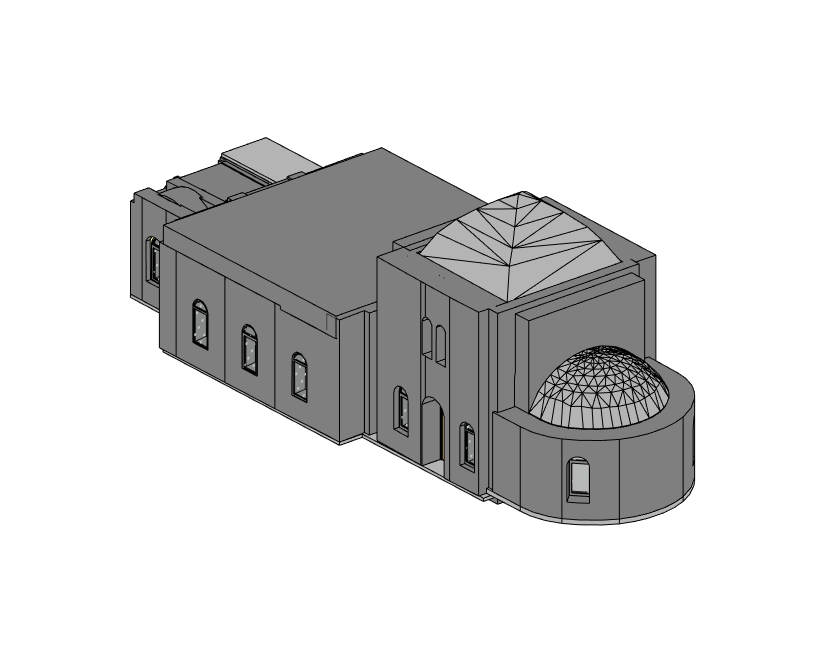
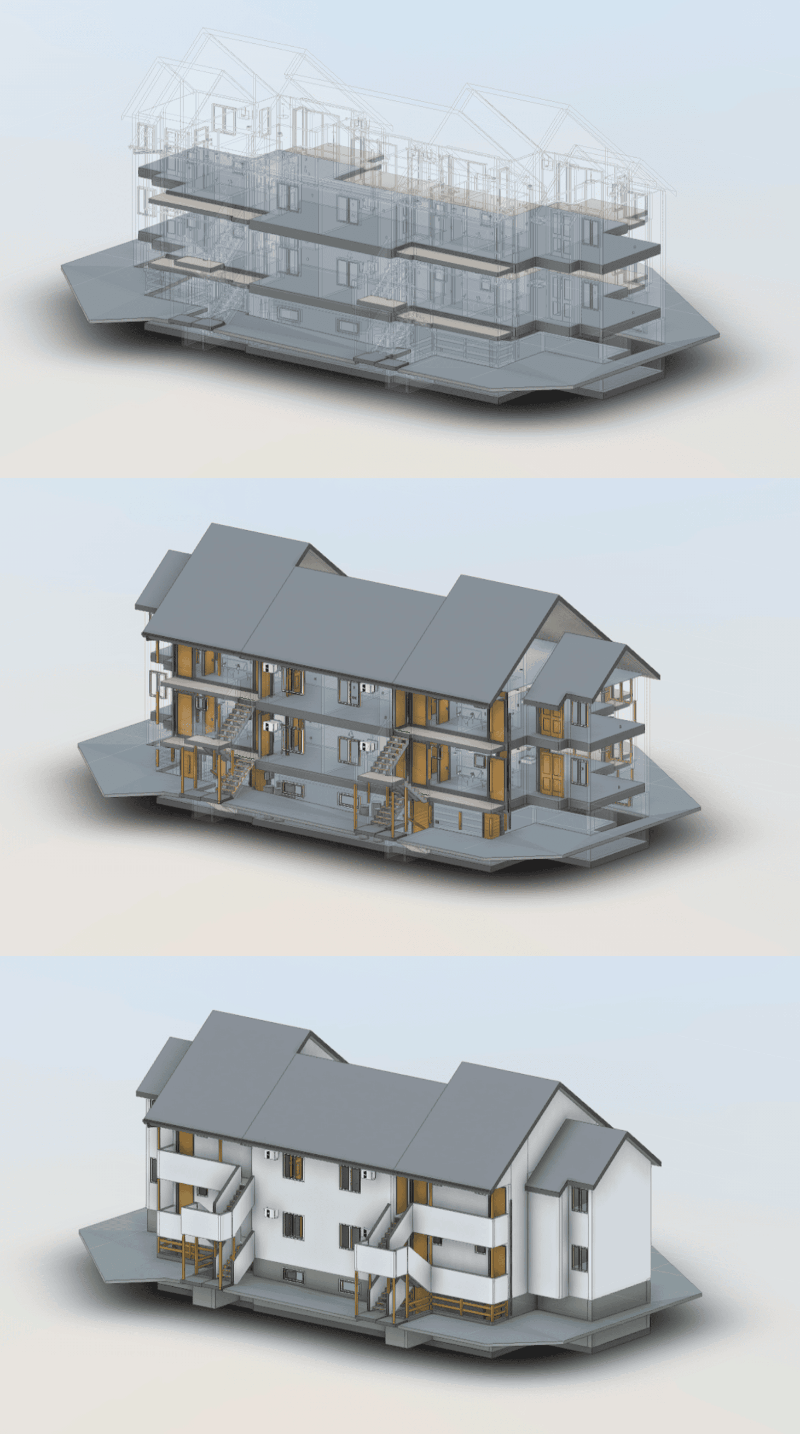
What Are As-Built Drawings: Full Guide 2024

As-built drawings are essential part of any construction project. These drawings document the actual state of a building after construction, showing every modification and adjustment made from the original design plans. They capture the final layout, dimensions, and specifications, serving as a precise record of the completed construction.

Unlike the initial design plans that represent the envisioned project, as-built drawings reflect reality—the exact configuration of the structure, including any deviations that occurred during the build process. This creates an invaluable resource for contractors, architects, engineers, and building owners, offering a transparent account of what has been built and how it deviates from the original blueprint.

What are As-Built Drawings and why they are crucial for construction projects?

Purpose of As-Built Drawings

As-built drawings have multiple applications. They not only represent the final configuration of the building but also act as a historical record for future use. Below are some primary functions of as-built drawings in a construction project:

1. Permanent Record:

As-built drawings offer a lasting record of the construction process. These documents are often archived and referred to long after the project is complete, providing critical information for building maintenance, renovation, and expansion.

2. Facility Management:

In facility management, having accurate as-built drawings means easier maintenance, more effective repairs, and fewer surprises during renovations or modifications. When buildings or systems need repair, the details outlined in as-built drawings guide facility managers in troubleshooting and correcting issues.

3. Legal Documentation:

In certain jurisdictions, possessing as-built drawings is mandatory. They provide proof of compliance with building codes and regulations, helping resolve any disputes that might arise during or after construction.

Characteristics of As-Built Drawings

As-built drawings are distinguished by several key characteristics that ensure they are accurate and reliable resources:

Accuracy

These drawings reflect precise measurements and configurations of the completed structure. The exact dimensions of walls, rooms, and other elements are accurately documented, ensuring that future projects are based on correct data.

Detail

As-built drawings capture intricate details, such as the placement of utility lines (plumbing, electrical, HVAC), and any changes made to materials or layouts during construction. These details are critical for any future maintenance or construction activities.

Documentation

Acting as a transparent record, as-built drawings document all construction changes, including the smallest deviations from the original design. Whether the change is a material substitution or a minor shift in the layout, these documents offer a clear, written account.

Download DWG Examples

The Importance of As-Built Drawings

As-built drawings are essential for several reasons, benefiting contractors, architects, engineers, and building owners alike.

1. Efficient Facility Management

One of the primary advantages of as-built drawings is the role they play in ongoing facility management. They provide an accurate snapshot of a building’s infrastructure and systems, including electrical wiring, plumbing, and HVAC components. Facility managers use these records to perform repairs, renovations, and routine maintenance with minimal disruption.

2. Enhancing Safety

Safety is paramount when conducting maintenance or any future construction on an existing building. As-built drawings offer vital information about the building’s structural elements, utilities, and other key systems. By knowing exactly where electrical wiring, plumbing, and load-bearing walls are located, contractors can perform work without endangering workers or damaging critical systems.

3. Streamlining Future Renovations

When buildings need to be renovated or expanded, as-built drawings serve as the ultimate reference point. These documents ensure that architects and engineers are not working blindly, saving both time and resources. Additionally, these drawings allow for a more streamlined design process for future projects.

4. Ensuring Legal Compliance

In some regions, local building codes require as-built drawings as a legal document, validating that the construction complies with local regulations. They are useful in resolving any disputes over design changes, material substitutions, or construction methods, offering a written account of the actual work performed.

5. Smoother Project Handover

For contractors, as-built drawings ensure a more seamless transition to the building owner or facility manager. The clear documentation of modifications ensures that the new building’s operational team is well-informed about every change and feature included in the structure.

Who is Responsible for Creating As-Built Drawings?

The responsibility for creating as-built drawings can vary among individuals or firms, depending on the project’s scope and contractual agreements.

Contractors

Typically, contractors are responsible for marking up the original design drawings as construction progresses. These drawings capture the real-time changes, such as adjustments in materials, relocations of systems, and any discrepancies between the initial design and what is constructed.

Architects or Engineers

On larger or more complex projects, architects or engineers may be required to create the final set of as-built drawings. They typically take the contractor’s notes, verify them on-site, and finalize the as-built documentation to ensure accuracy.

Specialized Firms

In some cases, specialized firms that focus solely on creating as-built drawings may be contracted. These firms often utilize advanced tools like laser scanning to provide high-accuracy measurements and details of the final construction. This ensures an unmatched level of precision in the documentation.

Best Practices for Creating As-Built Drawings

Producing reliable and accurate as-built drawings requires meticulous attention to detail and compliance with best practices. Here are several key steps to ensure your as-built documentation is both accurate and useful:

Collect Data Continuously

Start collecting data from day one of the construction project. By keeping track of deviations and modifications throughout each phase of the project, you can avoid missing important details that might otherwise be overlooked later.

Embrace Technology

Laser scanning technologies like 3D LiDAR have revolutionized the accuracy and speed with which as-built documentation can be created. With tools like Matterport Pro 3D cameras, you can capture precise scans quickly and at a fraction of the cost of traditional survey methods.

Mark Up Original Drawings

Throughout the construction process, it is important to mark up the original design drawings in real time. These red-line drawings indicate every deviation and help track the evolution of the project as it moves from design to completion.

Use Clear Annotations

Annotations should be clear and as detailed as possible. Include timestamps and contextual information whenever changes are made. This helps create a complete picture of how the final construction differs from the original plans.

Standardize Formats

Consistency is key. Using a standardized format for all as-built documentation ensures clarity and uniformity, which makes it easier for future teams to understand the records.

Provide Accessibility for Stakeholders

Ensure that all stakeholders have easy access to as-built documentation. This can be achieved through a user-friendly digital platform that allows for 3D scans, detailed annotations, and supplementary photographs.

Leveraging 3D Scanning Technology in As-Built Documentation

Laser scanning and 3D technology play an increasingly important role in as-built documentation. These advanced tools allow for rapid, accurate data collection, making the process of creating as-built drawings more efficient.

Advantages of 3D Scanning

3D scanning technologies, such as LiDAR, allow construction teams to capture a comprehensive view of the building. The resulting scans offer detailed measurements and can even be transformed into virtual walkthroughs for future reference. This minimizes errors and ensures that the final documentation is as precise as possible.

Real-World Application

Many construction firms have already begun utilizing 3D scanning to save time and resources. By integrating Matterport Pro 3D cameras, firms like David Kuoppamaki’s construction team managed to reduce as-built drawing time by 50%, a remarkable improvement in efficiency.

Conclusion

As-built drawings are not just documents; they are critical resources that serve as the foundation for efficient facility management, future renovations, legal compliance, and safety. By adhering to the best practices outlined above, and by leveraging the latest technology such as laser scanning, you can ensure that the as-built drawings you produce will provide lasting value.

As construction technologies advance, the significance of accurate and reliable as-built documentation will continue to increase. Whether you’re a contractor, engineer, or building owner, investing the time and effort into producing high-quality as-built drawings is essential to the long-term success of any construction project.

FAQs

What is the difference between as-built drawings and design drawings?

Design drawings represent the intended layout of a project, while as-built drawings reflect the final construction, including all modifications and deviations.

Are As-Built Drawings a Legal Requirement?

In some areas, yes. As-built drawings can be crucial for code compliance and legal documentation.

Who is responsible for creating as-built drawings?

Typically, contractors or architects are responsible for creating as-built drawings, though specialized firms may also be hired.

What role does 3D scanning play in as-built documentation?

3D scanning provides precise measurements and virtual tours, greatly decreasing the time and costs linked to traditional surveying methods.

Why are as-built drawings important for facility management?

As-built drawings provide facility managers with critical information about the building’s systems, enabling more efficient maintenance and repairs.

How can technology improve the process of creating as-built drawings?

Technologies like laser scanning and 3D imaging enhance the data collection process, making it faster and more accurate.

Check our activity on:

How BIM is Transforming the Oil and Gas Industry

The oil and gas industry is known for its complexity, with vast infrastructure, strict safety protocols, and high operational costs. This is where Building Information Modeling (BIM) becomes crucial. As oil and gas facilities expand and evolve, BIM provides a digital solution to streamline everything from initial design to ongoing maintenance. In a world where precision, efficiency, and safety are non-negotiable, BIM in the oil and gas industry is revolutionizing how projects are managed, reducing both costs and risks.

BIM in Oil and Gas Industry: A Game-Changer for Efficiency and Safety

In industries like oil and gas, where infrastructure is not only massive but also extremely technical, managing the lifecycle of assets can be overwhelming. BIM, a 3D model-based technology, enables better collaboration and decision-making across all stages of a project. Through BIM oil and gas systems, complex projects are planned, designed, constructed, and managed with a level of detail and accuracy that was previously unattainable.

Unlike traditional 2D plans, BIM in oil and gas creates a comprehensive virtual model that integrates not only the physical design but also crucial data such as material specifications, costs, schedules, and more. By providing real-time insights, BIM allows engineers, architects, and managers to work cohesively, ensuring that all systems—mechanical, electrical, and structural—function harmoniously. This seamless integration is particularly vital in oil and gas, where errors can lead to costly delays or safety hazards.

The Role of BIM in Oil and Gas Facility Lifecycle Management

Managing oil and gas facilities, which can include everything from offshore platforms to refineries and pipeline networks, requires immense precision. BIM models offer real-time data that help streamline every phase of a project’s lifecycle:

  • Planning and Design: BIM aids in creating highly detailed plans for oil and gas infrastructure. Engineers can visualize every pipe, valve, and structural component, ensuring that all elements are designed to meet safety regulations and operational needs. The integration of 3D laser scanning helps capture accurate existing conditions, leading to better-informed designs.
  • Construction: During the construction phase, BIM minimizes clashes between different systems—mechanical, electrical, and plumbing—by offering detailed, integrated models. This leads to fewer on-site modifications and smoother workflows.
  • Operation and Maintenance: One of the biggest advantages of BIM in the oil and gas industry is its use in managing operations and maintenance. With up-to-date as-built models, operators can easily identify the location of components, reducing downtime for repairs and improving overall efficiency.
  • Decommissioning: Even when it comes to decommissioning oil and gas facilities, BIM proves invaluable. With detailed historical records and as-built documentation, the process becomes safer and more cost-effective.

We can scan and create a BIM model anywhere in the world. Let’s Get in touch!

BIM Oil and Gas: Key Technologies and Processes

The integration of BIM in oil and gas facilities involves a combination of cutting-edge technologies and processes that significantly improve accuracy and efficiency.

3D Laser Scanning and As-Built Models

3D laser scanning has become a cornerstone of modern BIM projects, especially in the oil and gas industry. This technology captures the current state of a facility with incredible precision, creating a point cloud that forms the basis for an as-built model. This model is then used to develop the BIM design, ensuring that every component of the facility is accurately represented.

The resulting as-built documentation is crucial not only for construction purposes but also for future inspections, repairs, and expansions. In industries like oil and gas, where safety and regulatory compliance are paramount, having accurate as-built models is a non-negotiable aspect of facility management.

Clash Detection and Risk Mitigation

One of the most critical features of BIM is its ability to detect clashes before construction even begins. In a BIM oil and gas model, engineers can visualize potential conflicts between systems—whether it’s between a pipeline and an electrical conduit or structural beams. By addressing these issues early, BIM helps avoid expensive rework and reduces the risk of safety incidents, which is particularly important in high-risk environments like oil and gas facilities.

As-Built Documentation and CAD Integration

Upon project completion, BIM delivers comprehensive as-built documentation that reflects the facility’s actual state. This documentation often includes detailed CAD drawings, 3D models, and survey data, which operators can use for asset management and future maintenance. With this information in hand, oil and gas companies can significantly improve the efficiency of their operations.

Applications of BIM in Oil and Gas Projects

BIM technology finds application in several critical areas within the oil and gas industry:

  • Refinery Design and Maintenance: Refineries are complex structures with intricate piping and machinery. BIM helps operators create a virtual model that ensures all components fit together without conflict. This model can then be updated as changes occur, ensuring that as-built models are always current.
  • Offshore Platforms: Offshore oil rigs are some of the most challenging environments for construction and maintenance. BIM improves efficiency by providing a detailed model that can be used for planning everything from daily operations to emergency evacuations.
  • Pipeline Networks: Managing the installation and maintenance of extensive pipeline networks is simplified through BIM models that provide real-time data on the location, material, and condition of pipes, helping to optimize operations and prevent leaks or failures.

The Future of BIM in the Oil and Gas Industry

The growing adoption of BIM in oil and gas signals a shift toward smarter, more integrated infrastructure management. As the industry continues to face challenges like volatile prices and stricter environmental regulations, BIM will play an increasingly important role in helping companies navigate these obstacles. By providing better planning tools, improved safety protocols, and more efficient maintenance solutions, BIM oil and gas projects will set the standard for how infrastructure is designed, built, and managed in the future.

Furthermore, as digital twins—a key feature of BIM—become more sophisticated, oil and gas companies will be able to simulate every aspect of their operations in real-time, leading to better decision-making and more proactive maintenance strategies. This technology will not only improve profitability but also contribute to the sustainability of oil and gas operations by reducing waste and lowering the carbon footprint of new projects.

Conclusion

The implementation of BIM in the oil and gas industry is transforming how companies plan, design, and manage their infrastructure. By offering a comprehensive digital model that integrates every aspect of a facility’s lifecycle, BIM improves safety, reduces costs, and enhances operational efficiency. With the ability to capture accurate data through 3D laser scanning, create precise as-built models, and facilitate better decision-making, BIM oil and gas solutions are essential for the future success of the industry.

FAQs About BIM in Oil and Gas

What is BIM in the oil and gas industry?

Building Information Modeling (BIM) is a digital process that creates detailed models to manage the design, construction, and operation of complex oil and gas infrastructures.

Why is BIM important for the oil and gas sector?

BIM improves efficiency, reduces costs, enhances safety, and provides a comprehensive model for managing every aspect of an oil or gas facility’s lifecycle.

How does BIM differ from traditional CAD drawings?

While CAD drawings focus on two-dimensional designs, BIM incorporates 3D modeling and integrates information about materials, schedules, and costs, providing a more comprehensive view of the project.

What role does 3D laser scanning play in BIM for oil and gas?

3D laser scanning captures the existing conditions of a facility with precision, which is then used to create an accurate as-built model. This model forms the basis for the BIM design process.

What are the main software programs used for BIM in oil and gas?

Key programs include Autodesk Revit, Navisworks, and Bentley Systems, which allow for detailed modeling, clash detection, and as-built documentation.

How can BIM reduce costs in oil and gas projects?

By detecting clashes early, providing accurate data, and improving project coordination, BIM reduces the need for costly rework and optimizes resource management.

Services

Check our activity on:

The Importance of As Built Drawings for Architects

In modern architecture, accuracy and precision are non-negotiable. In the realm of building construction or renovation, as-built drawings are a critical resource that architects depend on. These drawings offer an exact representation of the final structure, capturing every detail of changes made during construction. Architects increasingly lean on cutting-edge technologies like 3D laser scanning and as built documentation to ensure their projects align perfectly with design intent and regulatory standards.

As-Built architectural drawings are not just a technical necessity; they are fundamental in optimizing workflows, reducing project risks, and ensuring compliance with industry standards. In this article, we will explore why as built drawings are so crucial for architects, the role of modern technologies like 3D laser scanning, and how investing in precise as built documentation can enhance project outcomes.

What Are As Built Drawings?

As-built drawings, often referred to as as-built architectural plans, are comprehensive documents that capture the actual condition of a building once construction is finalized. These drawings capture any variations between the original design and the finished structure, showcasing changes made due to unforeseen circumstances, on-site adjustments, or client requests.

For architects, as built documentation serves as an indispensable reference point, offering a reliable basis for future renovations, maintenance, or property management. They help architects understand how structural elements, utilities, and systems actually align, ensuring there is no confusion or guesswork when moving forward with any modifications or new projects.

Why As Built Drawings Are Critical for Architects

As-built drawings hold undeniable importance in the architectural industry. These documents provide architects with:

  • Accurate records of the current state of a building
  • Guidance for renovations or expansions
  • Legal and regulatory compliance
  • Minimized risks in future construction projects
  • Improved collaboration between contractors, engineers, and clients

By using as built surveys and CAD drawings, architects can ensure their plans reflect the exact conditions on the ground, preventing costly mistakes down the line. Moreover, with detailed as built documentation, architects gain peace of mind knowing that future work can be based on solid, verified data.

The Role of 3D Laser Scanning in Creating As Built Drawings

One of the most transformative advancements in architectural documentation is the introduction of 3D laser scanning. Traditional methods of building inspections and surveys could take days or even weeks, often leading to incomplete or inaccurate results. However, 3D laser scanning has revolutionized the field by offering:

  • Precision: Laser scanning captures data with millimeter accuracy, ensuring every aspect of a building is documented.
  • Speed: The process is fast, with entire buildings being scanned in a matter of hours.
  • Comprehensive data: Scanners can capture millions of data points, allowing for highly detailed and precise CAD drawings.

For architects, 3D laser scanning offers unmatched accuracy when creating as built architectural drawings, ensuring that every angle, surface, and structural element is represented exactly as it is. This technology reduces the margin of error in planning and design, making it a valuable tool in modern architectural workflows.

Call to Get Quote

Benefits of Using As Built Documentation in Architectural Projects

Architects face a range of challenges in construction projects, from ensuring structural integrity to meeting strict regulatory requirements. Accurate and current as-built drawings can mean the difference between a seamless project and an expensive delay. Here are the key benefits of using as built documentation in architectural work:

3D laser scanning process for creating as built drawings for architectural projects

1. Improved Project Planning

By having as built surveys readily available, architects can more effectively plan future projects. Whether it’s a small renovation or a large-scale expansion, knowing the exact layout and structure of a building can significantly streamline the design process. This level of accuracy ensures that any new elements will integrate seamlessly with the existing structure.

2. Enhanced Communication and Collaboration

Architectural projects involve multiple stakeholders, including engineers, contractors, and clients. As built architectural drawings provide a common language for everyone involved, ensuring that all parties have access to the same accurate information. This fosters clearer communication, reduces misunderstandings, and facilitates collaboration throughout the project.

3D laser scanning process for creating as built drawings for architectural projects

3. Ensuring Legal Compliance

Navigating building codes and regulations can be challenging, and failure to comply may result in serious legal and financial consequences. As built documentation helps architects ensure that their designs comply with local building codes, safety standards, and other regulatory requirements. These drawings serve as a legally compliant reference, ensuring that the completed structure adheres to all necessary guidelines.

How Building Inspection and As Built Surveys Work Together

Before architects can create accurate as built drawings, an in-depth building inspection is necessary. This process entails reviewing the existing structure to detect any discrepancies from the original design. Paired with a 3D laser scanning survey, this ensures that architects have a comprehensive and precise view of the current state of the building.

The inspection evaluates multiple components of the building, such as structural integrity, electrical systems, plumbing, and HVAC systems. Once this information is collected, it can be incorporated into as built CAD drawings, offering architects a fully updated view of the building.

CAD Drawings: The Backbone of Architectural Design

In the world of architecture, CAD drawings are the standard for designing, modifying, and visualizing structures. When it comes to as built architectural drawings, CAD technology plays a vital role in translating the data from 3D laser scanning and building inspections into detailed, accurate digital models.

For architects, these CAD drawings provide several key benefits:

  • Visualizing complex structures: CAD models allow architects to see the entire building in 3D, making it easier to visualize how new elements will fit with the existing structure.
  • Precision and accuracy: CAD software offers unparalleled precision, ensuring that every detail is correctly represented in the final drawings.
  • Ease of modification: As projects evolve, architects can easily update CAD models to reflect new designs or changes to the building.

Encouraging Architects to Embrace As Built Drawings and 3D Laser Scanning

For architects who haven’t yet fully embraced as built documentation and 3D laser scanning, the advantages are clear. By adopting these technologies, architects can offer clients more accurate designs, reduce the risk of costly errors, and ensure that their projects meet the highest standards of quality and compliance.

Incorporating as built architectural drawings into the design process provides a competitive edge in an industry where precision, communication, and efficiency are paramount. Whether you’re working on a small residential project or a large commercial development, investing in accurate as built drawings will pay off in both the short and long term.

FAQs

How do as built drawings benefit architects?

As built drawings provide architects with precise records of a building’s actual condition, allowing for better planning and minimizing the risk of errors during renovations or expansions.

What role does 3D laser scanning play in creating as built documentation?

3D laser scanning offers unparalleled accuracy and speed in capturing a building’s details, which are then used to create highly detailed and precise as built drawings.

Are as built drawings legally required?

In many cases, as built drawings are required for compliance with local building codes and regulations. They verify that the completed structure aligns with the approved plans and complies with all safety regulations.

How often should as built drawings be updated?

As built drawings should be updated after any major construction or renovation to ensure they reflect the current state of the building.

What is the difference between as built drawings and CAD drawings?

As built drawings reflect the final state of a building, while CAD drawings are digital representations used for designing and modifying structures. As built drawings are often created using CAD software.

How do as built surveys improve communication in construction projects?

As built surveys ensure that all stakeholders have access to the same accurate and detailed information about a building, improving communication and reducing the risk of misunderstandings.

Ready to make your architectural projects more accurate and efficient? Don’t miss the opportunity to elevate your projects with reliable and precise as built documentation. Reach out now!

Check our activity on: