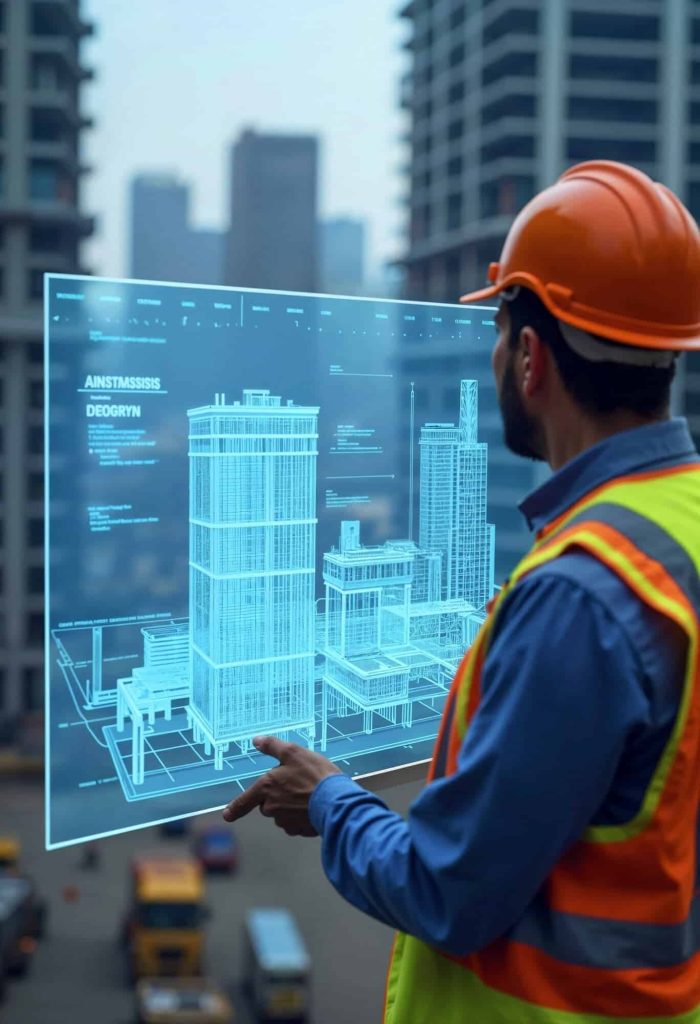
LiDAR in Civil Engineering: Applications and Advantages 

In the evolving world of civil engineering, precision and efficiency are paramount. Introducing LiDAR (Light Detection and Ranging), an innovative technology that has revolutionized the way engineers and construction specialists tackle their projects. From topographic mapping to 3D laser scanning, LiDAR offers a suite of tools that enhance accuracy, reduce costs, and streamline workflows. This blog will delve into the applications and advantages of LiDAR in civil engineering, shedding light on why it has become a cornerstone of modern construction and design. 

What is LiDAR Technology? 

LiDAR operates by emitting laser pulses to accurately calculate the distance between the sensor and various objects on the ground. LiDAR generates highly detailed 3D representations of the environment by emitting thousands of laser pulses each second. These models, often referred to as point clouds, offer unparalleled accuracy and can capture intricate details of terrain, structures, and vegetation. 

LiDAR sensors are typically mounted on drones, airplanes, or ground-based systems, making it a versatile tool for a variety of applications. With its ability to gather data in real time, LiDAR has revolutionized how civil engineers approach their projects, enabling data-driven decision-making at every stage of development. 

Key Applications of LiDAR in Civil Engineering

Topographic Mapping

LiDAR plays a crucial role in topographic mapping, a core application in civil engineering. Unlike traditional surveying techniques, which can be time-intensive and may fall short in accuracy for large-scale endeavors, LiDAR offers a faster and more precise alternative. LiDAR, however, generates highly accurate topographic maps in a fraction of the time. 

  • Site Analysis: Engineers use LiDAR-generated maps to analyze terrain before construction begins, identifying potential challenges like uneven ground or flood-prone areas. 
  • Urban Planning: LiDAR supports the design of infrastructure projects like roads, bridges, and buildings by delivering precise and detailed elevation data. 
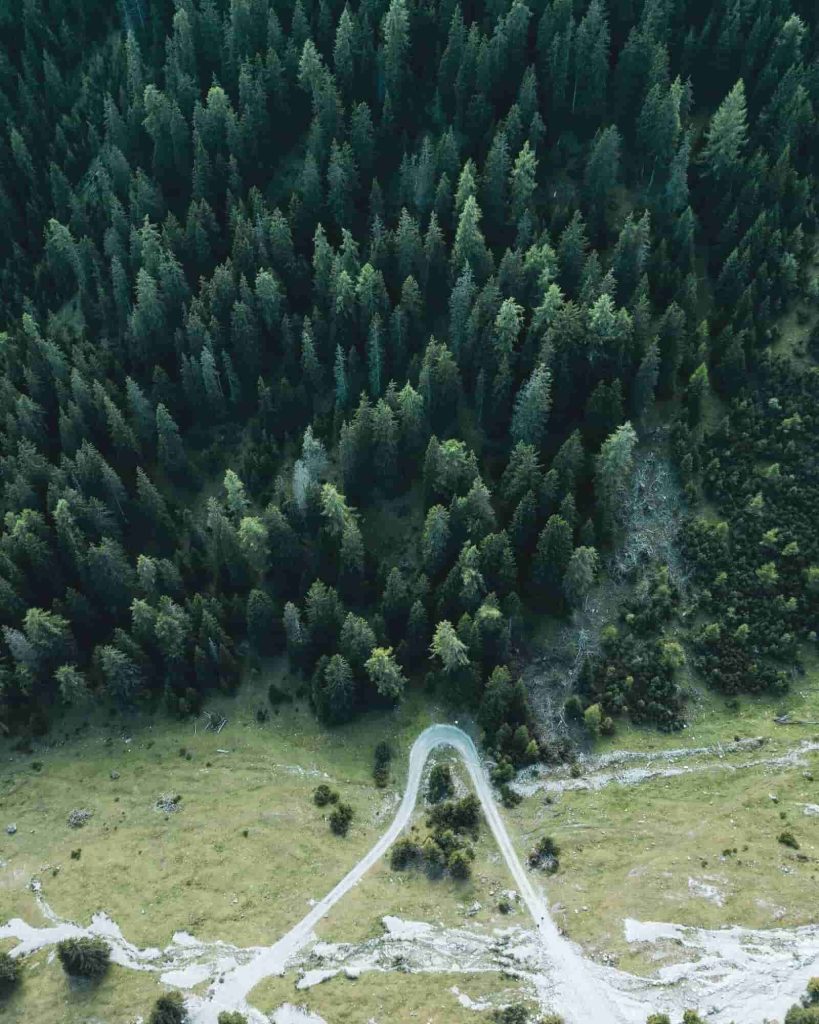
Aerial view of a winding road, ideal for LiDAR mapping and civil engineering.

LiDAR in Construction 

LiDAR plays a critical role in modern construction workflows, from initial site surveys to project completion. 

  • Volume Calculations: LiDAR helps measure the volume of excavated or filled materials, ensuring precise resource management. 
  • Structural Monitoring: During construction, LiDAR can monitor the progress and alignment of structures, minimizing the risk of errors and rework. 
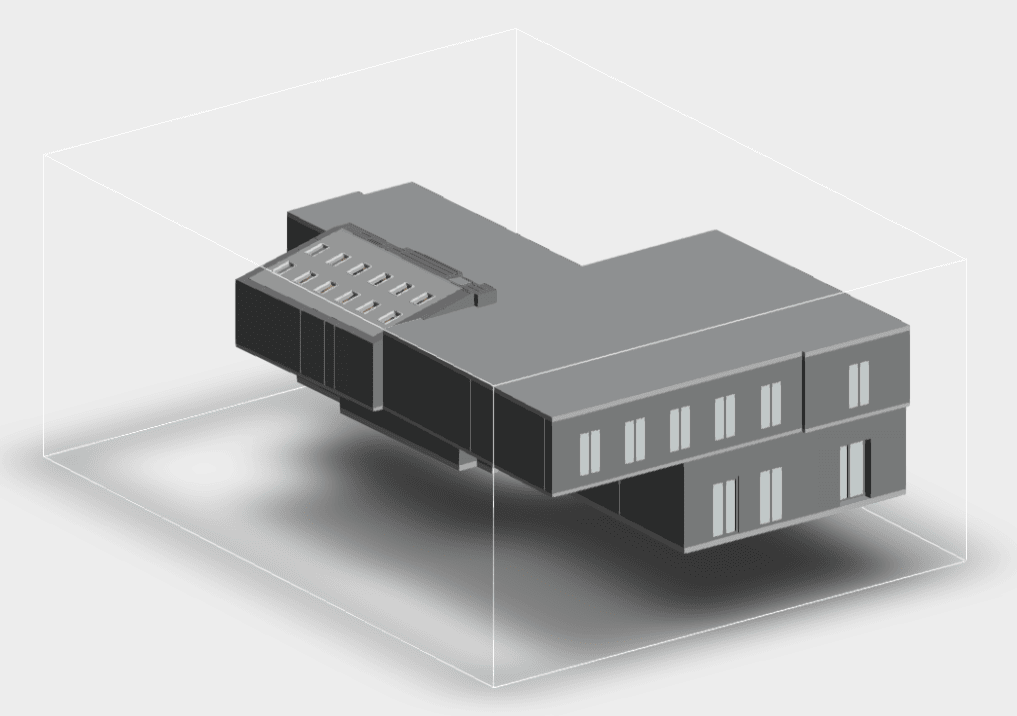
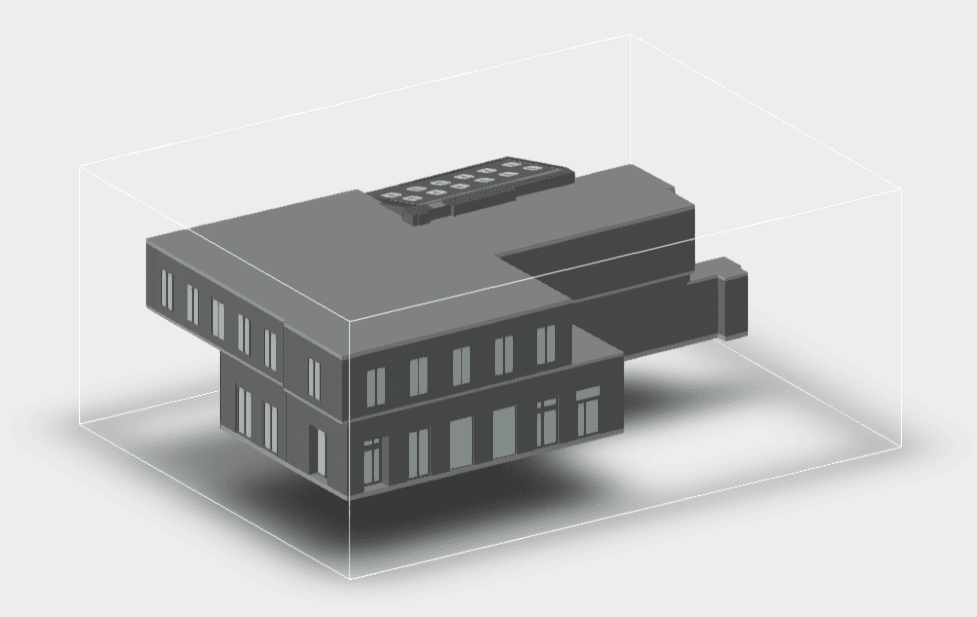
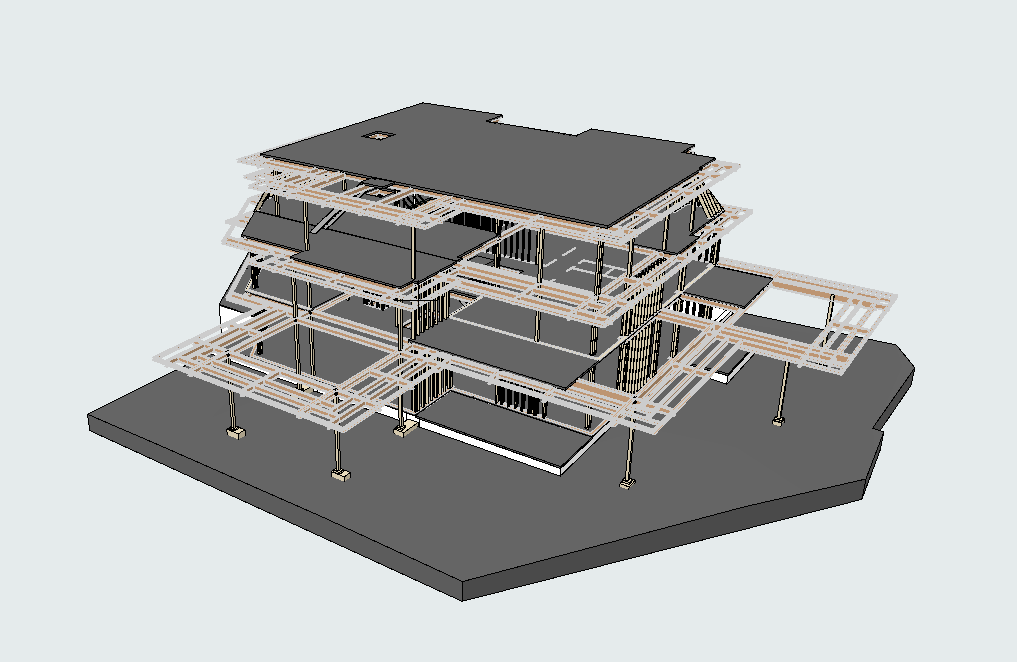
  • 3D Modeling: LiDAR data is often integrated into Building Information Modeling (BIM) systems, providing accurate 3D representations of the construction site. 

Flood Risk Assessment 

LiDAR’s ability to capture high-resolution elevation data makes it invaluable for flood risk assessments. 

  • Watershed Analysis: Using topographic data from LiDAR, engineers can assess water flow patterns and pinpoint regions vulnerable to flooding.
  • Drainage Design: LiDAR data enables the creation of effective drainage systems, minimizing the potential for water-related damage to infrastructure. 

Highway and Road Design 

LiDAR has transformed highway and road design by providing engineers with detailed data about existing roadways and their surroundings. 

  • Alignment and Grading: Engineers use LiDAR to design road alignments and grading plans that meet safety and regulatory standards. 
  • Obstacle Detection: LiDAR helps identify potential obstacles, ensuring smoother construction processes. 

Environmental Impact Assessments 

Environmental sustainability is a critical aspect of civil engineering. LiDAR supports this by offering detailed data that helps minimize environmental disruption. 

  • Vegetation Mapping: LiDAR can distinguish between different types of vegetation, aiding in conservation efforts. 
  • Wildlife Habitats: Engineers use LiDAR to map and protect wildlife habitats during construction. 

Advantages of LiDAR in Civil Engineering 

  • Accuracy and Precision: LiDAR provides centimeter-level accuracy, which is essential for civil engineering projects. LiDAR’s capability to capture intricate details ensures that designs are grounded in accurate data, significantly minimizing the margin of error. 
  • Time Efficiency: Traditional surveying methods can take weeks, if not months, to complete. LiDAR drastically reduces this timeframe, enabling faster project initiation and completion. 
  • Cost-Effectiveness: While the initial investment in LiDAR technology may seem high, its ability to minimize errors, reduce rework, and optimize resource usage leads to significant cost savings over time. 
  • Versatility: From aerial surveys to ground-based scans, LiDAR adapts to various project needs. Its applications span urban planning, environmental assessments, and infrastructure design. 
  • Data Integration: LiDAR data integrates seamlessly with modern design tools like BIM and CAD, enabling engineers to create comprehensive 3D models and simulations. 

The Future of LiDAR in Civil Engineering

As LiDAR technology advances, its potential applications within civil engineering are anticipated to grow even further. Improvements in sensor technology, data processing capabilities, and machine learning integration will make LiDAR more powerful and accessible than ever before. 

A growing trend is the integration of LiDAR with artificial intelligence (AI), enabling advanced predictive modeling capabilities. By analyzing LiDAR data, AI can identify patterns and provide insights that help engineers make proactive decisions. Moreover, the increasing use of drones equipped with LiDAR sensors is revolutionizing large-scale projects by providing cost-effective and highly efficient solutions. 

Conclusion

LiDAR technology has established itself as an essential tool in civil engineering, delivering unmatched accuracy, efficiency, and adaptability. From topographic mapping to environmental assessments, its applications are reshaping the industry and setting new standards for precision and sustainability. As the technology continues to advance, LiDAR’s role in civil engineering will only grow, driving innovation and excellence in construction and design. 

For professionals looking to elevate their projects, integrating LiDAR into their workflows is no longer a luxury but a necessity. ScanM2.com offers cutting-edge LiDAR solutions tailored to the needs of civil engineers, ensuring that every project is built on a foundation of accuracy and reliability.

Check our activity on:

Drone-Based As-Built Surveys for Large Commercial Properties 

Imagine standing in the middle of a sprawling commercial complex—a place so vast that traditional surveyors would need days or even weeks to gather all the necessary data. Now, picture a drone soaring overhead, capturing every detail in mere hours. This is the power of drone-based as-built surveys. They are not just a technological innovation; they are a revolution in how we approach property documentation, construction, and management. 

But why are drones creating such a buzz in the world of surveying? And what does this mean for large commercial properties? In this article, we will explore how drone-based surveys are reshaping the industry, delivering accuracy, efficiency, and stunning visuals that were unimaginable just a decade ago. 

The Growing Role of Drones in As-Built Surveys

Once considered futuristic gadgets, drones have rapidly evolved into essential tools across various industries, from agriculture to filmmaking. Yet, their impact has been most transformative in the field of as-built surveys. These flying marvels combine state-of-the-art sensors, cameras, and software to provide a bird’s-eye view of properties, creating detailed 3D models and maps. 

For large commercial properties like shopping centers, office parks, and industrial facilities, the ability to gather comprehensive data quickly and accurately is a game-changer. But it’s not just about speed—it’s about creating a level of detail and accuracy that surpasses traditional methods. 

Did You Know? The use of drones in construction and surveying has grown by over 200% in the last five years, with companies reporting significant cost and time savings. 

What Makes Drone-Based As-Built Surveys Special? 

Let’s break down why drone technology is becoming the go-to solution for large-scale surveys: 

Seeing the Big Picture and the Fine Details

Traditional surveys often require piecing together fragmented data collected from different parts of a property. Drones eliminate this issue by capturing the entire site in a single, seamless operation. High-resolution imagery and 3D point clouds provide both macro and micro perspectives, ensuring nothing is overlooked. 

Imagine trying to measure a sprawling commercial warehouse manually. The task would involve countless hours, numerous measurements, and potential errors. With a drone, you get a detailed scan of the entire structure in minutes, with millimeter-level accuracy.

Efficiency Without Compromising Precision

In industries like construction and real estate, time is a critical factor. Drone surveys allow for the coverage of vast areas in significantly less time compared to traditional methods. For example, a large office complex that might take weeks to survey manually can be scanned in just a few hours. 

Reaching the Unreachable 

Some parts of commercial properties, such as rooftops, towers, or hazardous areas, are difficult and dangerous to access. Drones excel in these scenarios, effortlessly flying to heights and tight spaces where human surveyors cannot go. 

Analyzing commercial property data on a tablet for drone-based as-built surveys.

A Deeper Dive: How Drone Surveys Work 

The process of conducting a drone-based as-built survey is a fascinating blend of technology and strategy: 

  1. Initial Planning
    Every survey starts with a detailed plan. Flight paths are designed to maximize coverage and minimize overlaps, ensuring that no part of the property is missed. Advanced software predicts the optimal routes for data collection. 
  2. The Flight
    Equipped with cameras, LiDAR sensors, or thermal imaging tools, drones take to the skies. They capture a wealth of data, from high-definition images to 3D scans, often in a matter of minutes. 
  3. Data Processing
    Once the flight is complete, the real magic begins. Cutting-edge software processes raw data into practical insights, producing precise 3D models, comprehensive maps, and accurate measurements. This step is crucial for generating the as-built documentation that architects, engineers, and property managers rely on. 
  4. Deliverables
    The processed data is delivered in formats tailored to the project’s needs. This could include digital floor plans, 3D renderings, or even virtual walkthroughs of the property. 

Real-World Applications of Drone-Based Surveys 

Construction Progress Tracking 

Imagine being able to monitor the progress of a large commercial construction project from your office. Drones make this possible by providing regular, real-time updates through aerial imagery and 3D scans. These insights help project managers spot potential issues early and keep timelines on track. 

Renovation and Retrofitting 

Renovating a commercial property often requires understanding its current state down to the smallest detail. Drone surveys provide architects and engineers with a complete, accurate picture of existing structures, enabling precise planning for renovations or retrofits. 

Maintenance and Inspection 

Regular maintenance of large properties can be daunting. Drones streamline this process by conducting thorough inspections of roofs, facades, and other inaccessible areas. With thermal imaging, they can even uncover hidden problems such as water leaks or insulation deficiencies. 

Marketing and Real Estate 

Aerial images and 3D models created by drones are powerful tools for marketing large commercial properties. Potential buyers and tenants can virtually tour the property, obtaining a detailed understanding of its layout and features without needing to visit in person. 

The Benefits: More Than Just Convenience 

  • Unmatched Accuracy: With drones, you’re not just getting speed; you’re getting precision. Advanced sensors and photogrammetry ensure every measurement is accurate to the millimeter. 
  • Cost Efficiency: Drone-based surveys minimize the need for extensive labor and equipment, making them a more cost-effective option compared to traditional methods. They also help avoid costly mistakes by providing reliable data from the start. 
  • Enhanced Collaboration: The detailed outputs of drone surveys—such as 3D models and point clouds—are invaluable for fostering collaboration among stakeholders. These deliverables serve as a shared foundation for decision-making, whether you are an architect, engineer, or property owner. 
  • Eco-Friendly Operations: Traditional surveying often involves significant machinery and manpower, both of which have environmental impacts. Drones offer a greener alternative by reducing the need for on-site vehicles and equipment. 

The Future of Drone Surveys in Commercial Properties

The future of drone-based surveys is brimming with potential, as upcoming advancements promise to elevate their capabilities to new heights. 

  • AI Integration for Smarter Surveys
    Artificial intelligence is set to revolutionize drone operations by enabling autonomous flight planning, real-time obstacle detection, and intelligent data analysis. This means drones will not only collect data but also process and interpret it, delivering actionable insights faster than ever before. 
  • Enhanced LiDAR and Imaging Technologies
    As LiDAR sensors and imaging tools become more advanced, drones will be able to capture even more precise data. This includes ultra-detailed 3D scans, thermal imaging with higher resolutions, and better performance in challenging weather conditions. 
  • Real-Time Data Sharing
    Imagine a construction site where drone data is streamed in real-time to project managers, engineers, and architects. This level of connectivity will enable immediate decision-making, minimizing delays and improving collaboration across teams. 
  • Integration with Digital Twins
    Digital twins—virtual replicas of physical properties—are becoming a vital part of property management. Drone surveys will play a key role in maintaining and updating these digital twins, ensuring they remain accurate and useful for predictive maintenance, energy optimization, and long-term planning. 
  • Increased Accessibility
    As drone technology becomes more affordable, smaller businesses and projects will gain access to its benefits. This democratization of drone surveys will further expand their adoption across industries. 

The potential for drones in commercial property management and construction is limitless. As these technologies continue to advance, they will revolutionize efficiency, precision, and sustainability within the built environment. 

Architects reviewing as-built plans for commercial property development.

Conclusion

Drone-based as-built surveys are no longer just a technological innovation; they have become an essential tool for modern commercial property management.By delivering unparalleled accuracy, speed, and cost savings, they are reshaping the industry and setting new standards for what’s possible. 

At ScanM2, we take pride in leading the way with cutting-edge solutions. Our drone-based surveying services combine cutting-edge technology with expert insights, ensuring that you receive the most accurate and comprehensive documentation possible. Whether you’re embarking on a new construction project, overseeing an existing property, or planning renovations, our team is ready to assist you. 

Don’t get left behind. Embrace the power of drones and discover how they can revolutionize your next project. With companies like ScanM2 leading the charge, the future of commercial property surveys has never looked brighter.

Check our activity on:

As-Built Services for Retail Spaces: A Game-Changer in Modern Construction

Picture this: You’re planning a brand-new retail store or revamping an existing one. Everything depends on precision — from the layout of shelves to the exact placement of electrical outlets. But what happens if your documentation isn’t up to date? Small errors can spiral into costly mistakes, wasting time and resources. That’s where As-Built services step in to save the day.

As-Built documentation is the unsung hero of retail projects. It’s not just a technical tool; it’s the foundation of every successful construction, renovation, or expansion effort. But what exactly makes it so valuable? Let’s dive into the transformative power of As-Built services and why they’re essential for retail spaces.

The Heart of As-Built Services: What Do They Offer?

When we talk about As-Built services, we’re talking about creating a clear and accurate picture of a space as it exists today. Forget outdated blueprints or vague sketches. As-Built documentation captures the exact details of a retail space, including every nook, corner, and modification made over time.

Imagine walking into a store and knowing every wall’s dimensions, the precise placement of utilities, and the detailed layout of fixtures. That’s the power of As-Built services. These documents ensure that what’s on paper matches what’s on the ground, enabling seamless planning and execution.

Why Retail Spaces Need As-Built Documentation

Retail is a fast-moving industry, and spaces often need to adapt quickly to new trends and demands. Accurate As-Built documentation ensures you’re not operating in the dark. Here’s why it’s a game-changer:

Bringing Ideas to Life

You have a vision for your store — perhaps it’s a sleek modern design with open spaces and innovative lighting. But turning that vision into reality requires precise planning. With As-Built drawings, you get an exact roadmap, ensuring that every design element fits perfectly.

Saving Time and Money

Mistakes in construction are costly, both in terms of time and resources. Imagine realizing midway through a project that a wall’s placement doesn’t align with your shelving plan. As-Built documentation eliminates these surprises, helping you stay on schedule and within budget.

Meeting Regulations Without Hassle

From fire safety codes to accessibility standards, retail spaces must comply with various regulations. Accurate As-Built documentation makes it easier to navigate these requirements, ensuring a smoother approval process for permits and inspections.

A Day in the Life of an As-Built Plan

Let’s take a real-world scenario. Picture a retail chain planning to renovate multiple locations. Each store has unique layouts, and the design team needs to understand the exact dimensions and features of each space. How do they ensure consistency and accuracy across the board?

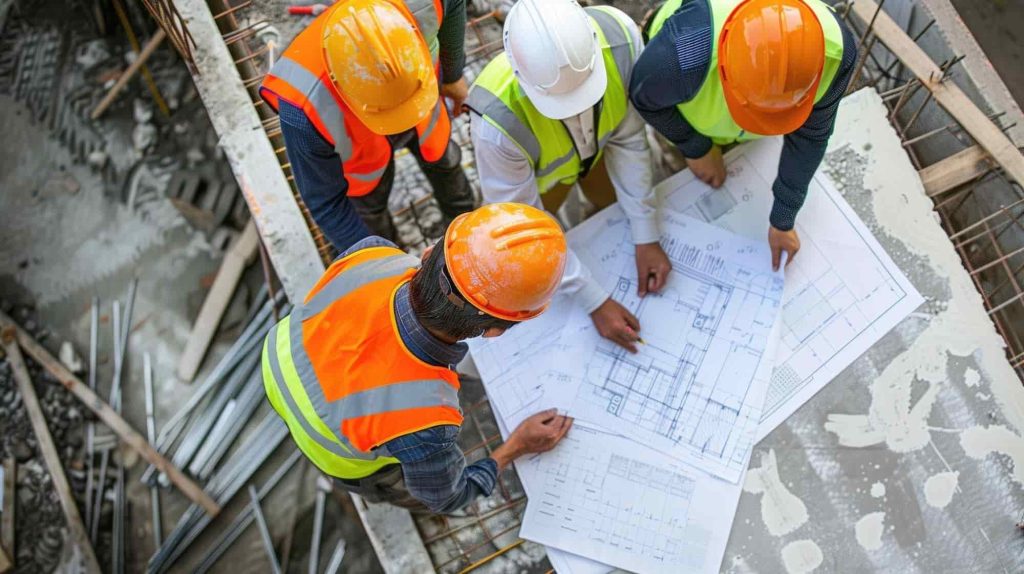
Professionals reviewing As-Built drawings for retail space planning and construction.

Enter As-Built documentation. With detailed drawings and data, the design team can:

  • Plan renovations tailored to each store’s specific layout.
  • Optimize space for product displays and customer flow.
  • Collaborate seamlessly with contractors and engineers.

This isn’t just about avoiding mistakes; it’s about creating a better shopping experience for customers and maximizing the store’s potential.

Laser Scanning: The Cutting-Edge Tool Behind As-Built Services

Creating accurate As-Built documentation requires advanced tools, and laser scanning is leading the charge. This technology captures every detail of a retail space with pinpoint accuracy, creating 3D models and point clouds that bring the space to life digitally.

Why Laser Scanning Matters

Think of laser scanning as the ultimate measuring tape, but one that captures millions of data points in seconds. Here’s how it transforms the As-Built process:

  • Unrivaled Precision: Every detail, from the height of a ceiling to the angle of a staircase, is recorded with millimeter accuracy.
  • Speed: A process that once took days can now be completed in hours, saving valuable time.
  • 3D Visualization: With 3D models, you can virtually walk through the space, making it easier to plan and visualize changes.
  • Integration with Modern Tools: The data integrates seamlessly with CAD and BIM software, streamlining the design process.

A Vision of the Future

Imagine walking into a store planning meeting, not with a stack of paper drawings, but with a detailed 3D model you can explore on your tablet or VR headset. Laser scanning makes this a reality, bridging the gap between the physical and digital worlds.

Transforming Retail Spaces: From Vision to Reality

Every retail project starts with a vision. Maybe it’s a trendy boutique with an industrial vibe or a spacious supermarket optimized for convenience. Whatever the goal, As-Built documentation turns that vision into reality by providing the solid foundation you need to build upon.

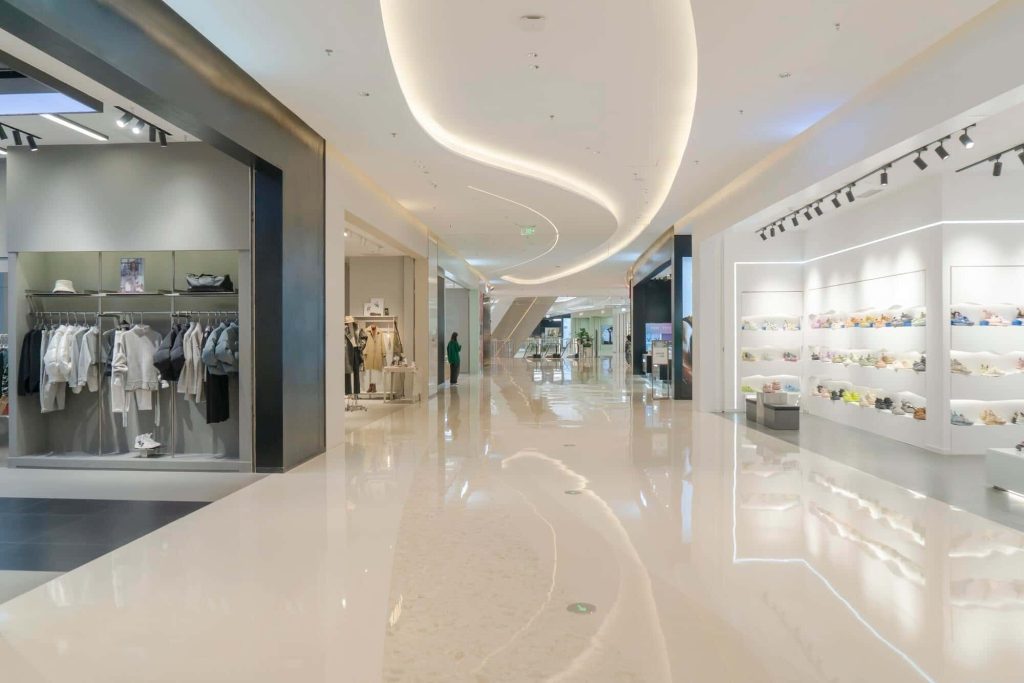
Modern retail interior highlighting As-Built services for precise store planning and design.

For example, consider the importance of customer flow in retail. The way shoppers move through a space can impact sales and satisfaction. With accurate As-Built plans, you can design layouts that guide customers naturally, highlighting key products and creating an enjoyable shopping experience.

Elevating Customer Experiences

Beyond construction and renovation, As-Built services contribute to the overall success of a retail space by enhancing the customer experience. Here’s how:

  • Optimized Layouts: Ensure aisles, displays, and checkout areas are strategically placed for maximum convenience.
  • Enhanced Ambiance: Use precise measurements to incorporate lighting and decor that elevate the store’s atmosphere.
  • Adaptability: Stay ahead of trends by using accurate documentation to implement quick updates and seasonal changes.

The Long-Term Value of As-Built Documentation

Investing in high-quality As-Built services isn’t just about the immediate project. It’s a long-term asset that continues to deliver value:

  • Future Renovations: When it’s time to update your store again, you’ll have a reliable starting point.
  • Maintenance and Repairs: Technicians can use the documentation to locate utilities and troubleshoot issues quickly.
  • Expansions: If your business grows, As-Built plans ensure that new additions integrate seamlessly with existing structures.

Closing Thoughts: The Foundation of Retail Success

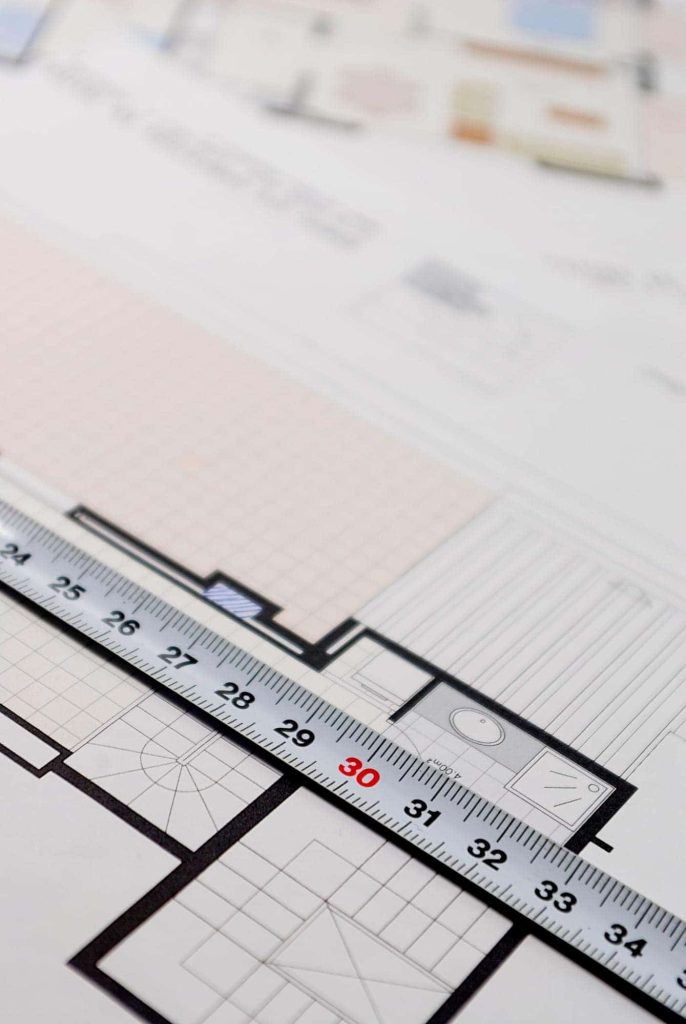
Detailed As-Built floor plan used for precise retail space documentation and planning.

As-Built services for retail spaces aren’t just a technical necessity; they’re the cornerstone of successful projects. By providing unparalleled accuracy, efficiency, and adaptability, these services empower retailers to create spaces that inspire, engage, and deliver results.

In the ever-changing world of retail, where every detail matters, As-Built documentation is your secret weapon. It’s not just about building stores — it’s about building experiences that keep customers coming back. So the next time you embark on a retail project, start with As-Built services and set yourself up for success from the ground up.

Check our activity on:

How to Complete Architectural and Design Projects Faster with Accurate Building Documentation 

In the fast-paced world of architectural design, delays can derail projects and increase costs. A major factor contributing to these delays is the presence of incomplete or inaccurate building documentation. Manual measurements, prone to errors and time-consuming processes, often fail to meet the demands of modern architecture. Innovative solutions such as 3D laser scanning are transforming how architects and designers tackle their projects.

This blog will explore how accurate building documentation, enabled by advanced 3D scanning, can accelerate architectural and design projects. Whether you’re an architect, designer, or contractor, understanding the advantages of these cutting-edge tools can transform the way you plan and execute your projects. 

The Challenge: Manual Measurements Slow Down Projects 

Traditional methods of gathering building data, such as manual tape measurements and hand-drawn sketches, are no longer sufficient for today’s architectural needs. These outdated practices introduce several challenges: 

Manual measurements on a floor plan highlighting challenges in architectural documentation.
  • Time-Consuming Processes: Manually measuring buildings can take days or even weeks, especially for large or complex structures. 
  • High Error Rates: Human error in measurements or data transcription can lead to inaccurate documentation, causing costly design revisions. 
  • Limited Details: Traditional methods often fail to capture the intricate details of buildings, leaving gaps in documentation. 

For architects and designers, these challenges lead to extended timelines, frustrated clients, and increased project costs. So, how can the industry overcome these obstacles? The answer lies in automation and precision. 

The Solution: Automating Building Documentation with 3D Laser Scanning 

3D laser scanning offers a groundbreaking solution to the inefficiencies of manual measurements. By automating the data collection process, architects and designers can access highly accurate, detailed building documentation in a fraction of the time. 

What Is 3D Laser Scanning?

3D laser scanning is a cutting-edge, non-intrusive technology that employs lasers to accurately measure and document the dimensions of a building or structure. The captured data generates a “point cloud,” which is a detailed digital model representing the geometry of the building. The point cloud serves as a foundation for creating precise 3D models, detailed As-Built drawings, and comprehensive architectural documentation. 

Key Benefits of 3D Laser Scanning for Architects and Designers 

Speed 

  • Scanning large buildings can take just a few hours. 
  • Real-time data processing reduces the time required to produce As-Built drawings and other documentation. 

Accuracy 

  • Laser scanning provides measurements with millimeter-level precision, eliminating errors. 
  • Detailed point clouds capture even the most complex architectural elements.

Comprehensive Data 

  • From structural details to intricate design features, 3D scanning ensures nothing is overlooked. 
  • Provides a complete record of the building, which can be revisited anytime. 

Cost Efficiency 

  • Minimizes the necessity for multiple site visits. 
  • Minimizes design changes caused by inaccurate measurements. 
Team discussing 3D scanning for architectural documentation.

Why Choose 3D Scanning for Your Next Project? 

The advantages of 3D laser scanning go beyond speed and accuracy. This technology enables architects and designers to tackle challenges with confidence, offering long-term value and adaptability. 

  • Improved Collaboration
    Digital models created from 3D scans can be shared easily among team members, contractors, and stakeholders. This seamless exchange of accurate data fosters better communication and reduces misunderstandings during the design and construction phases. 
  • Future-Proof Documentation 
    With detailed and precise building documentation, your project remains adaptable for decades. Whether for future renovations, expansions, or compliance updates, having a reliable data source eliminates guesswork and simplifies decision-making. 
  • Enhanced Creativity and Innovation 
    By removing the burden of manual measurements and inaccuracies, architects can focus more on creativity. Accurate data empowers professionals to push boundaries and experiment with innovative designs that integrate seamlessly into existing structures. 
  • Sustainability Benefits
    Precise documentation promotes sustainability by minimizing material waste and enhancing energy efficiency. Laser scanning ensures precise measurements for retrofitting and energy-efficient upgrades, contributing to greener construction projects. 

Applications of Accurate Building Documentation in Architectural Projects

Accurate building documentation powered by 3D laser scanning can benefit various stages of architectural and design projects. Here’s how: 

Design and Planning 

Architect reviewing detailed 3D building documentation on a computer.

Architects can rely on precise 3D models and As-Built drawings generated from laser scans to develop highly detailed designs. These models ensure that every element fits perfectly into the overall structure, reducing design conflicts and speeding up the planning phase.

Additionally, having an accurate digital representation allows teams to simulate various design scenarios, making it easier to choose the best options for functionality and aesthetics. 

Renovation and Restoration 

Renovation and restoration projects often deal with aging or damaged structures where traditional measurement methods fall short. Laser scanning captures every aspect of the building’s current condition, including structural inconsistencies, warped surfaces, or material degradation. This level of detail ensures that new designs integrate seamlessly with existing features while addressing any underlying issues. 

BIM Integration 

Building Information Modeling (BIM) has become an essential tool in modern architecture, and 3D laser scanning provides the foundational data needed for successful BIM integration.

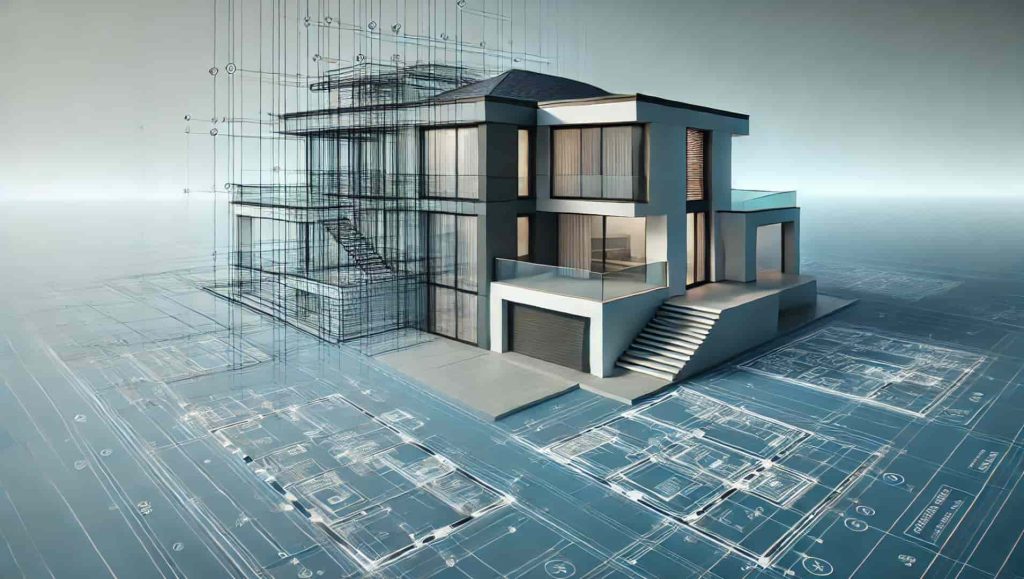
3D house model with architectural blueprints for building documentation.

High-resolution point clouds can be converted into detailed BIM models, enabling accurate clash detection, resource planning, and improved coordination among project stakeholders. This results in reduced delays and smoother project execution. 

Compliance and Documentation 

Accurate building documentation ensures that all project components meet regulatory requirements and building codes. Laser scanning provides a comprehensive record of the building’s dimensions, materials, and structural elements, making it easier to secure permits and pass inspections. This comprehensive data becomes an essential resource for meeting future compliance requirements. 

Construction Monitoring

Team using building documentation for construction monitoring.

During construction, laser scanning can track progress and verify that the work adheres to the design specifications. By comparing real-world conditions to digital plans, architects and contractors can quickly identify deviations and resolve issues before they escalate, saving both time and resources. 

Facility Management 

Once a project is completed, accurate building documentation continues to provide value for facility management. Detailed 3D models and As-Built drawings help managers oversee maintenance, plan upgrades, and optimize space utilization. This forward-thinking approach lowers operational expenses and increases the building’s longevity. 

Conclusion 

In the world of architectural and design projects, time and precision are of the essence. Traditional manual measurements are no longer sufficient to meet the demands of contemporary construction and renovation projects. With 3D laser scanning, architects and designers can overcome these challenges, completing projects faster and with greater accuracy. 

Architect reviewing detailed plans for accurate building documentation.

By integrating this technology into your workflow, you’re not just solving current problems but setting up your projects for long-term success. Detailed documentation ensures seamless future modifications, while faster project completion boosts client satisfaction and competitive advantage. Additionally, the ability to integrate 3D scans with BIM and other digital tools positions your firm at the forefront of architectural innovation. 

At scanm2.com, we offer specialized 3D laser scanning services designed to meet the unique requirements of your project. From As-Built drawings to comprehensive building documentation, we deliver the precision and efficiency your projects demand.

Ready to elevate your architectural designs? Reach out to us today to discover more and embrace the future of precise architectural documentation.

Check our activity on:

LiDAR Scanning in BIM Modeling: Transforming Modern Architecture and Construction 

As technology continues to revolutionize architecture and construction, LiDAR scanning is emerging as a game-changer in Building Information Modeling (BIM). By merging the accuracy of laser scanning with the capabilities of digital modeling, this cutting-edge method is transforming the processes of designing, constructing, and maintaining buildings. Thanks to advancements in LiDAR technology, professionals can now reach unprecedented levels of precision and efficiency in their work. In this blog, we’ll explore the fascinating intersection of LiDAR scanning and BIM modeling, its benefits, and its real-world applications, showcasing why this combination is vital for the future of construction and design. 

What Is LiDAR Scanning and BIM Modeling? 

LiDAR scanning (Light Detection and Ranging) uses laser technology to measure distances with pinpoint accuracy. LiDAR generates detailed 3D models of objects and environments by sending out laser beams and analyzing the signals that bounce back. This method is ideal for accurately capturing complex details of buildings, landscapes, and urban settings. Building Information Modeling (BIM) is a digital approach that produces detailed 3D representations of a building’s physical structure and functional attributes. BIM serves as a centralized hub for data, enabling architects, engineers, and construction professionals to collaborate efficiently throughout a project’s lifecycle. 

Architects reviewing a BIM model with LiDAR scanning integration for accurate planning.

When LiDAR scanning is integrated into BIM workflows, it creates unparalleled opportunities for precision, efficiency, and innovation in construction and design. This combination allows professionals to connect physical structures with digital models, fostering smarter and more sustainable construction methods. 

Why LiDAR Scanning Is Essential for BIM Integration 

LiDAR scanning provides the foundation for accurate BIM models by capturing real-world data with unmatched precision. This ensures that every measurement, angle, and feature of a structure is accurately reflected in the digital model. Let’s dive deeper into the key reasons why LiDAR is essential for BIM: 

  • Accuracy Beyond Traditional Methods: LiDAR scans capture details with millimeter-level precision, offering a level of accuracy that traditional surveying methods cannot match. Such accuracy is especially crucial for intricate designs and complex structures, where even small mistakes can cause major problems during the construction process. 
  • Time Efficiency: Large-scale scans can be completed in hours, significantly reducing the time required for data collection. This efficiency allows project teams to move forward quickly, minimizing delays and ensuring that tight project deadlines are met without compromising on quality. 
  • Comprehensive Data Collection: LiDAR captures a vast amount of information in a single scan, including complex geometries, surface textures, and hard-to-reach areas. This comprehensive dataset forms the backbone of detailed and reliable BIM models, eliminating the need for multiple site visits. 
  • Improved Collaboration: With accurate data integrated into BIM, project teams can collaborate more effectively. The shared access to precise and up-to-date information helps reduce miscommunications, streamlines workflows, and ensures that all stakeholders are on the same page. 
  • Enhanced Design Optimization: LiDAR-based BIM models allow for advanced design analysis and optimization. Detecting potential conflicts and inefficiencies early in the design stage allows professionals to make well-informed decisions, resulting in cost reductions and better project outcomes. 

Applications of LiDAR Scanning in BIM 

LiDAR technology is being used across a wide range of projects to enhance BIM workflows. Below are some of the key applications: 

  • Renovation Projects
    LiDAR and BIM are ideal for restoring aging or historic buildings. By capturing detailed scans of existing structures, teams can create accurate models that respect the building’s original design while enabling modern upgrades. These models help preserve architectural heritage while facilitating compliance with modern building codes and sustainability goals. 
  • Urban Planning
    LiDAR-based BIM models are increasingly used for urban planning, allowing city planners to create smart city initiatives, improve infrastructure, and optimize land use. These models provide critical insights for managing urban growth, improving transportation systems, and ensuring environmental sustainability. 
  • Construction Planning
    Incorporating LiDAR scans into BIM ensures precise construction planning, minimizing risks and maximizing efficiency during the building process. This is especially important for large-scale projects where precision and effective coordination are vital for success. 
  • Smart Building Design
    LiDAR scanning plays a crucial role in the development of smart buildings by providing accurate 3D data for system integration, such as IoT sensors, energy optimization tools, and automated building management systems. These advancements improve occupant comfort while lowering operational expenses. 
  • Historic Preservation
    For architects working on historic preservation, LiDAR and BIM provide a way to document and protect cultural heritage while allowing for future restoration. The detailed 3D models ensure that restoration efforts are carried out with precision and respect for the building’s original features. 
3D visualization of an urban planning model created using LiDAR scanning and BIM technology for smart city development.

LiDAR and BIM: Shaping the Future of Architecture 

As industries continue to embrace digital transformation, the integration of LiDAR scanning with BIM is becoming increasingly vital. Here’s how this integration is driving the future forward: 

  • Digital Twins: LiDAR and BIM enable the creation of digital twins, which are virtual replicas of physical assets. These twins are invaluable for monitoring and maintaining building performance, as they provide real-time data for predictive maintenance and operational efficiency. 
  • Reality Capture: LiDAR enhances reality capture, ensuring that BIM models are based on real-world conditions rather than theoretical designs. This capability is particularly valuable for renovation and retrofit projects where accurate as-built data is critical. 
  • Smart Cities: By combining LiDAR and BIM, cities can develop smarter, more efficient urban environments that improve quality of life for residents. These technologies enable better resource management, sustainable urban growth, and more effective disaster planning and recovery. 
  • Environmental Sustainability: LiDAR-powered BIM workflows advance sustainability by optimizing resource utilization and cutting down on waste. Precise data empowers teams to make well-informed choices that adhere to environmental standards and objectives. 

Real-World Examples of LiDAR in BIM Workflows 

While specific project details may vary, the following examples illustrate how LiDAR and BIM are being used in real-world scenarios: 

  • Modernizing Commercial Spaces
    LiDAR scans of retail and office buildings provide accurate data for remodeling and modernization. These scans help designers create layouts that maximize functionality and align with modern aesthetic trends. 
  • Infrastructure Upgrades
    Bridges, highways, and railways benefit from LiDAR-based BIM workflows for maintenance and expansion projects. The detailed models allow engineers to assess structural integrity, plan upgrades, and ensure long-term safety. 
  • Residential Developments
    LiDAR helps optimize residential building designs by accurately capturing site conditions. This ensures that homes are built to exact specifications, minimizing construction delays and costs. 
  • Historic Building Preservation
    Architects and conservationists use LiDAR and BIM to document historic landmarks with unparalleled detail. These models serve as a blueprint for restoration efforts, ensuring that every element of the building is preserved for future generations. 
  • Disaster Recovery
    LiDAR-based BIM workflows are invaluable for assessing damage and planning reconstruction after natural disasters. These technologies provide the data needed to rebuild efficiently and resiliently. 

Conclusion 

LiDAR scanning and BIM modeling are at the forefront of innovation in architecture, construction, and urban planning. By combining the precision of laser scanning with the versatility of BIM, professionals can achieve unprecedented levels of accuracy, efficiency, and collaboration. Whether you’re planning a new construction project, renovating a historic building, or designing a smart city, LiDAR and BIM are the tools you need to succeed. ScanM2.com offers advanced LiDAR scanning services tailored for BIM integration. Contact us today to learn how we can support your next project with cutting-edge technology and expertise.

Services

Check our activity on:

How Architects Benefit from 3D Laser Scanning 

In recent years, 3D laser scanning has become an indispensable tool in the architectural industry. From optimizing renovation processes to improving design accuracy, this advanced technology has transformed how architects tackle their projects. For architects looking to deliver projects with higher accuracy, efficiency, and cost-effectiveness, 3D laser scanning offers numerous advantages that can elevate the design and construction process. 

This article will explore how 3D laser scanning in architecture benefits professionals by eliminating guesswork, improving design accuracy, and transforming workflows. 

Eliminating Guesswork in Renovation Projects 

Renovating existing structures is often fraught with challenges. Architects must grapple with outdated blueprints, missing information, or inconsistencies between documentation and the actual building. This is where 3D laser scanning services step in to revolutionize the process. 

Accurate Building Documentation

Architects collaborating on building plans using precise 3D laser scanning data.

A key advantage of 3D laser scanning lies in its capability to obtain highly accurate and detailed measurements of a building or structure. High-definition lasers map out every corner, curve, and surface of a building, creating a digital point cloud that architects can use as a foundation for their designs.

This removes the reliance on manual measurements and drastically minimizes the potential for errors. 

For example, imagine working on a historic building where blueprints are either missing or unreliable. 3D laser scanning can provide a digital replica of the structure, ensuring that every intricate detail is accounted for before renovations begin. 

Time Savings

Traditional methods of measuring and assessing a building can take weeks or even months. 3D laser scanning accelerates this process significantly, enabling architects to concentrate on design work instead of resolving issues. This level of efficiency is especially crucial for projects with strict deadlines. 

Enhanced Collaboration

Team meeting with 3D scanning data.

The digital models generated from laser scans can be shared with stakeholders, including contractors and clients. This guarantees that all project stakeholders are aligned, minimizing misunderstandings and preventing miscommunications throughout the renovation process. 

By removing uncertainty, architects can tackle renovations with assurance, equipped with the most precise and current data about the structure they are working on. 

Leveraging Scans to Improve Design Accuracy  

Accuracy is the foundation of any successful architectural design. Whether designing a new structure or adapting an existing one, architects must rely on accurate data to ensure their vision aligns with reality. 3D scanning technology provides an unparalleled level of detail that enhances the design process. 

  • Seamless Integration with Design Software
    One of the standout features of 3D laser scanning is its compatibility with popular architectural design tools, such as AutoCAD, Revit, and BIM platforms. The point cloud data generated by scans can be easily imported into these programs, allowing architects to create detailed 3D models or technical drawings with unmatched accuracy. 
  • Identifying Design Challenges Early
    During the planning phase, 3D scans can reveal potential design conflicts or structural issues that might otherwise go unnoticed. For instance, when integrating modern systems like HVAC or electrical wiring into an existing building, scans can identify tight spaces or obstacles that could complicate installation.
  • Optimizing Space Utilization
    For architects working on projects where space efficiency is critical, such as urban developments or commercial interiors, 3D laser scanning provides insights that help maximize the potential of every square foot. Architects can visualize how different design elements fit together and make adjustments before construction begins, avoiding costly rework.
  • Supporting Sustainability Goals
    Sustainability has become an increasingly important focus in architecture, and 3D laser scanning is instrumental in supporting these objectives. By delivering precise data, architects can reduce material waste and create energy-efficient designs that comply with environmental regulations. 

Broader Benefits of 3D Scanning Technology 

Beyond renovation projects and design precision, 3D scanning technology offers a host of other benefits that make it a must-have tool for architects. 

  • Enhanced Client Collaboration
    Clients often struggle to visualize designs from traditional blueprints. With 3D scanning, architects can create immersive visualizations or walkthroughs that help clients understand the project in detail. This fosters better-informed decisions and increases client satisfaction. 
  • Optimized Construction Workflows
    Accurate laser scans reduce the likelihood of errors during construction, ensuring that every element of the design is executed as planned. Contractors can rely on precise data to guide their work, resulting in fewer delays and lower costs. 
  • Preserving Architectural Heritage
    For projects involving historic buildings, 3D laser scanning is invaluable. It allows architects to document and preserve the original structure digitally while planning sensitive renovations that respect the building’s heritage. 
  • Future-Proofing Designs
    The digital models created through laser scanning can be stored for future use, providing a reliable reference for maintenance, renovations, or expansions. This guarantees that architects and building owners retain access to precise data, even years into the future. 
Urban landscape showcasing 3D scanning applications in city planning and development.

Real-World Applications of 3D Laser Scanning 

To illustrate the transformative power of 3D laser scanning, consider the following examples: 

  • Urban Redevelopment: Architects working on large-scale urban projects use laser scanning to map out existing buildings, streetscapes, and infrastructure. This data forms the foundation for designing modern spaces that seamlessly integrate with the existing environment. 
  • Healthcare Facilities: Renovating hospitals or clinics requires precise planning to accommodate specialized equipment and adhere to strict regulations. 3D scans ensure that these requirements are met without compromising efficiency or safety. 
  • Commercial Interiors: Retail spaces and office buildings often require customized layouts to meet tenant needs. Laser scanning provides the accurate measurements necessary for creating tailored designs that maximize functionality and aesthetics. 

Conclusion 

The benefits of 3D laser scanning in architecture are undeniable. By eliminating guesswork, enhancing design precision, and streamlining workflows, this technology empowers architects to take their projects to the next level. Whether tackling complex renovations or creating innovative new designs, architects can rely on 3D scanning technology to deliver outstanding results. For professionals in the U.S. looking to stay ahead in the competitive architectural field, partnering with a company like scanm2.com can make all the difference. With expert laser scanning services, architects can achieve greater efficiency, accuracy, and client satisfaction in every project. Embrace the future of architecture with 3D laser scanning and unlock new possibilities for design and construction success.

Check our activity on:

Integrating LiDAR with CAD and BIM Software: Transforming Modern Design and Construction 

In today’s ever-evolving world of architecture, engineering, and construction (AEC), the integration of advanced technologies like LiDAR with CAD and BIM software is revolutionizing how projects are planned, executed, and maintained. LiDAR (Light Detection and Ranging) offers precise, high-resolution data, and when combined with CAD (Computer-Aided Design) and BIM (Building Information Modeling), it becomes a powerhouse for innovation in design and construction. 
What is LiDAR Technology? 

LiDAR is a type of remote sensing that works by emitting laser pulses and measuring the time it takes for them to hit an object and return, providing precise distance measurements. This method generates highly accurate 3D representations of physical environments. LiDAR systems typically include a laser, a GPS receiver, and an inertial measurement unit (IMU) to ensure precise data collection. This process generates a detailed “point cloud,” made up of millions of individual data points that collectively depict the scanned object or area with high precision. 

Team collaborating on a 3D building model with BIM integration.
This technology finds applications across a wide range of industries, including environmental monitoring, autonomous vehicles, construction, and urban planning. In the AEC sector, LiDAR stands out for its ability to quickly and accurately capture as-built conditions of buildings and infrastructure.

By integrating this data into CAD and BIM workflows, professionals can achieve unprecedented levels of precision and efficiency. 

How CAD Software Works with LiDAR Data 

CAD software has long been a cornerstone of architectural and engineering design. With the integration of LiDAR data, CAD tools can now incorporate highly detailed 3D models of real-world environments. 

Point Cloud to CAD Workflow: 

  • Data Collection: A 3D laser scanner captures the physical environment, generating point cloud data.
  • Data Processing: Point clouds undergo refinement to eliminate noise and enhance the quality of the dataset. 
  • CAD Integration: The refined data is imported into CAD software for further manipulation and design. 

This workflow enables architects and engineers to overlay new designs onto existing structures with pinpoint accuracy. For example, laser scanning for construction projects allows teams to visualize how a new addition will fit into an existing building. 

The Role of BIM in LiDAR Integration

Building Information Modeling (BIM) serves as a digital framework that represents both the physical and functional aspects of a building. The integration of LiDAR with BIM software elevates project planning and execution to an entirely new level.

Benefits of LiDAR for BIM Applications: 

  • Accuracy: LiDAR mapping for building design ensures that BIM models are based on precise measurements. 
  • Efficiency: Transforming LiDAR data into BIM models minimizes the need for manual data input and optimizes workflows. 
  • Collaboration: Integrating BIM enhances coordination among stakeholders by offering a unified and reliable source for project data. 

For example, by utilizing architectural design tools enhanced with LiDAR, project managers can detect potential problems early in the design process, thereby saving both time and resources. 

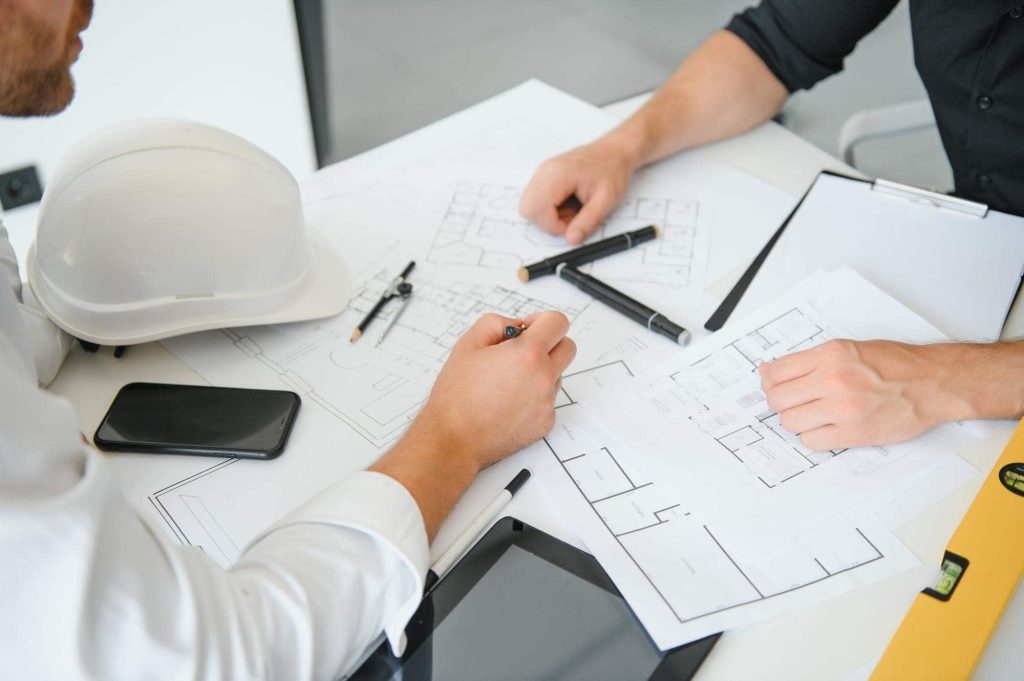
Architect reviewing blueprints, showcasing LiDAR integration with CAD and BIM for accurate design.

Practical Applications of LiDAR with CAD and BIM 

The synergy of LiDAR, CAD, and BIM has practical applications across a variety of projects: 

  • Renovation and Restoration
    LiDAR-driven construction analysis helps create as-built models of existing structures, making it easier to plan renovations. This is especially important for historical structures, where accuracy and minimizing disruptions are essential.
  • Urban Planning
    LiDAR mapping allows for accurate 3D representations of urban environments, aiding in city planning and infrastructure development. Planners can evaluate how new projects will affect existing environments through improved visualization techniques. 
  • Facility Management
    BIM models enriched with LiDAR data provide valuable insights for maintaining and managing buildings over their lifecycle. For example, detailed point cloud data can help identify structural issues or areas requiring maintenance. 
  • Industrial Projects
    In factories and plants, LiDAR data is used to create detailed 3D models of machinery and layouts, ensuring optimal space utilization and improved safety protocols.
  • New Construction
    From conceptual design to final execution, 3D laser scanning to CAD tools ensures that new projects align perfectly with their surroundings. This helps minimize errors and enhances the overall efficiency of the project. 

By leveraging these practical applications, AEC professionals can significantly enhance project outcomes. 

LiDAR and BIM Coordination for Complex Projects 

Large-scale construction projects often involve multiple teams, stakeholders, and intricate details. The coordination of LiDAR and BIM simplifies communication and ensures that all stakeholders rely on a consistent data set. This is particularly useful for: 

  • Infrastructure Projects
    Bridges, tunnels, and roadways benefit from LiDAR’s ability to capture vast areas with high accuracy. By integrating this data into BIM models, engineers can simulate stress tests, analyze load distribution, and plan maintenance schedules effectively. 
  • Energy Sector
    Accurate modeling is essential for power plants, oil refineries, and renewable energy projects to maintain optimal operational efficiency. LiDAR-enhanced BIM models provide critical insights into structural and spatial dynamics. 
  • Construction Logistics
    For projects involving phased construction, LiDAR and BIM coordination ensure that each phase aligns with the overall plan. This reduces delays and minimizes costly errors. 
  • Disaster Recovery
    After natural disasters or accidents, LiDAR data can be used to assess damage and develop accurate restoration plans. Integrating this data into BIM enables teams to efficiently prioritize repairs and allocate resources effectively. 

Such applications demonstrate the transformative potential of combining LiDAR with BIM for managing complex projects. 

Conclusion

The integration of LiDAR with CAD and BIM software goes beyond being a technological innovation; it is a transformative shift for the architecture, engineering, and construction industries. By combining the precision of LiDAR technology with the robust capabilities of CAD and BIM, professionals can achieve unparalleled accuracy, efficiency, and collaboration. 
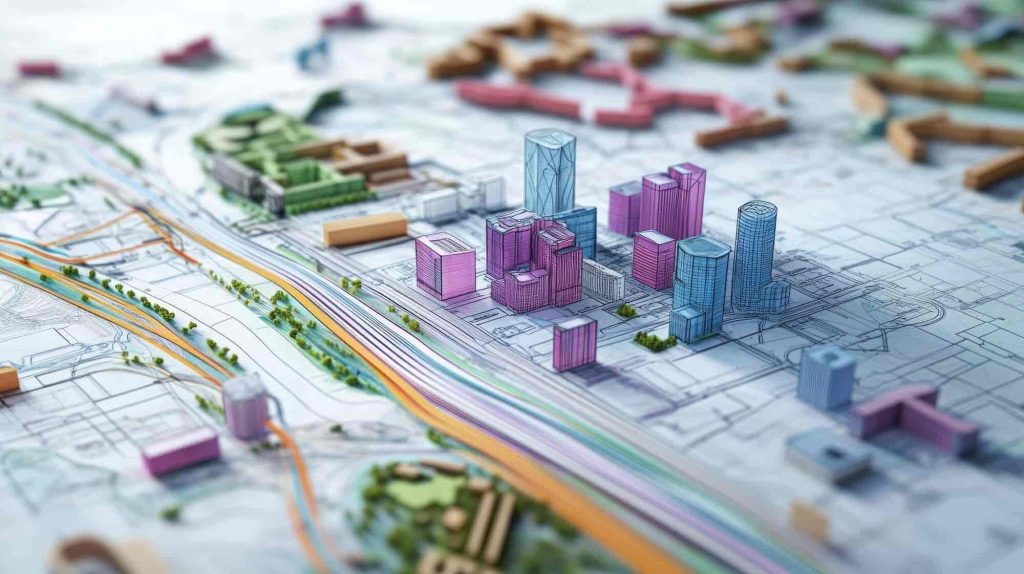
Engineers on-site discussing plans with LiDAR integration.
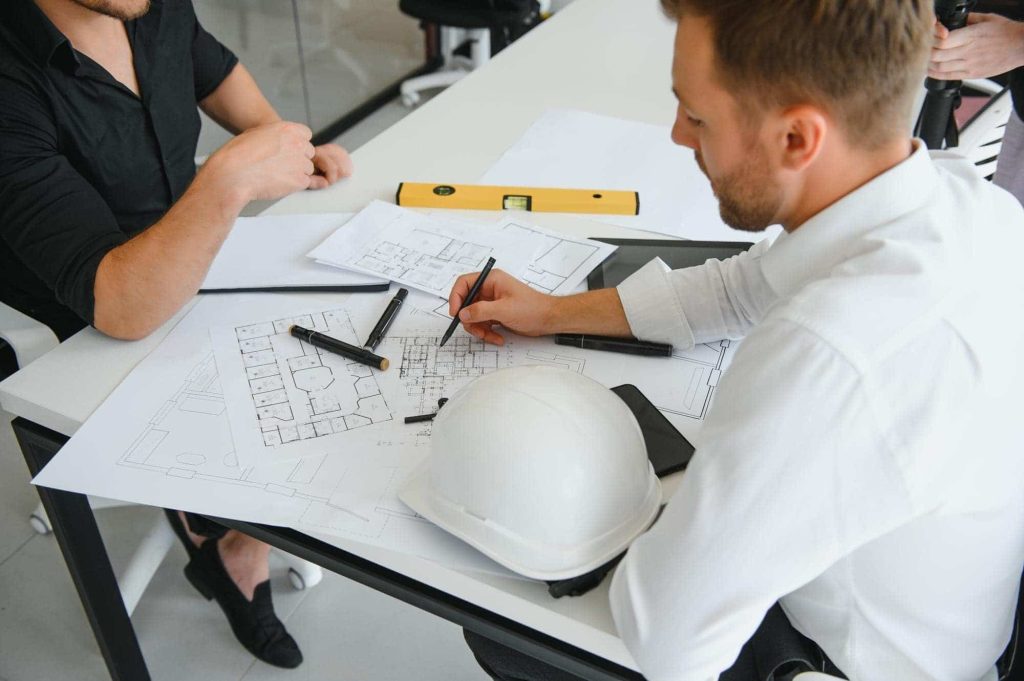
Embracing these technologies accelerates decision-making, minimizes errors, and enhances overall project results. Whether it’s for renovating historical landmarks, planning urban developments, or executing large-scale infrastructure projects, LiDAR integration is paving the way for smarter, more sustainable practices. 

As the AEC industry continues to evolve, embracing innovations like LiDAR will be essential for staying ahead. The future holds even more advanced integration possibilities, such as AI-driven automation and tools for real-time collaboration. By harnessing these innovations, professionals can address today\u2019s challenges while laying the groundwork for future projects.

Services

Check our activity on:

Laser 3D Scanning vs. Traditional Measuring Tools 

When it comes to accurate measurements in construction, architecture, or industrial projects, precision is paramount. For decades, traditional measuring tools such as tape measures and laser rangefinders have been the go-to options for professionals. The advent of laser 3D scanning technology has transformed the industry, delivering a degree of precision and efficiency that traditional tools are unable to achieve. 

How Laser Scanning Outperforms Tape Measures and Laser Rangefinders 

Traditional tools like tape measures and laser rangefinders have been reliable staples in the construction and engineering industries for years. Although these tools fulfill their intended function, they have built-in limitations that can impede both accuracy and efficiency in contemporary projects. 

Comprehensive Coverage 

Tape measures and laser rangefinders can only measure single dimensions or distances at a time. This requires multiple measurements and significant manual calculations to create a complete picture. In comparison, laser 3D scanning collects millions of data points within seconds, creating an exceptionally detailed and precise 3D model of the measured object or area. 

Imagine attempting to map the intricate details of a historical building using traditional tools. The process would be painstakingly slow and prone to errors. Laser scanning technology, however, creates a full digital replica of the structure in minutes, ensuring no detail is overlooked. 

Speed and Efficiency 

A major benefit of laser 3D scanning lies in its remarkable speed. Traditional tools demand manual labor and often require multiple professionals to achieve precise measurements. In contrast, laser scanning significantly shortens the time required for data collection. For example, a large construction site that might take days to measure using conventional methods can be scanned in just a few hours with laser technology. 
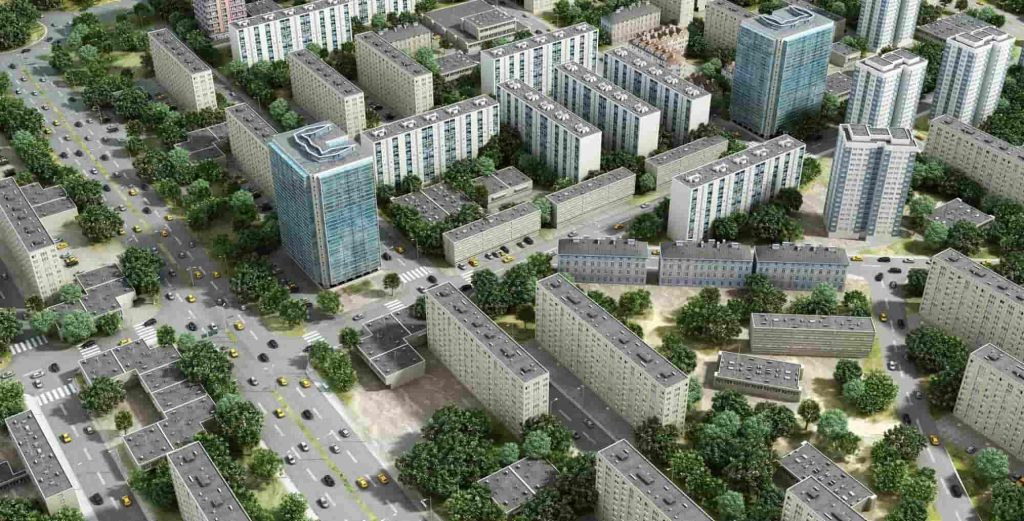

This level of efficiency directly leads to cost savings for businesses, helping projects remain on schedule and within their budget constraints. 

Enhanced Safety 

Measuring large or hard-to-reach areas can be hazardous when using traditional tools. Professionals might need to climb ladders, traverse uneven terrain, or work at significant heights to capture measurements. Laser 3D scanners eliminate these risks by allowing operators to gather data from a safe distance, even in challenging environments. 

The Accuracy Gap Between Traditional and Advanced Methods 

In any project, accuracy is the cornerstone of success. Whether you are constructing a new building or renovating an existing one, even minor measurement errors can result in expensive mistakes and project delays. 

Unmatched Precision 
Traditional tools are susceptible to human error. A slight misalignment of a tape measure or an incorrect angle with a laser rangefinder can lead to inaccurate data. Laser 3D scanning, however, delivers precision down to the millimeter. Such a high degree of accuracy guarantees consistent and dependable measurements, minimizing the chances of rework. 
For instance, when creating blueprints for a factory upgrade, using laser scanning ensures that every machine’s position is mapped precisely, avoiding clashes during installation and optimizing the use of available space. 

Worker examining a 3D building model, showcasing laser scanning for precise project planning.

Data Integration 
Another advantage of laser scanning is its ability to integrate seamlessly with advanced design and modeling software such as BIM (Building Information Modeling) and CAD (Computer-Aided Design). Traditional measurements often need to be manually entered into these systems, which increases the chances of errors. Laser scanners provide point cloud data that can be directly imported, streamlining the workflow and improving overall project accuracy. 

Repeatability 
In projects that require multiple phases or ongoing monitoring, consistency is critical.

Laser scanners ensure that repeated measurements are identical, eliminating discrepancies that often arise with traditional tools.

Versatility Across Applications 
Laser scanning isn’t just for large-scale projects. It can be applied to everything from interior design and residential construction to large-scale infrastructure projects. This versatility makes it an essential tool for professionals in a wide range of industries, such as healthcare, education, and manufacturing. 

Why Choose Laser 3D Scanning for Construction Projects? 

The advantages of laser 3D scanning extend beyond speed and accuracy. This technology is shaping the future of construction by enabling professionals to: 

  • Visualize projects in 3D for better planning and decision-making: With a highly detailed 3D model, architects and engineers can foresee challenges before they arise, improving overall project outcomes. 
  • Detect potential issues early: Structural inconsistencies, misalignments, or spatial conflicts can be identified in the planning stages, reducing costly errors during construction. 
  • Reduce waste and material costs: Accurate measurements allow for precise material estimates, minimizing surplus and ensuring resources are used efficiently. 
  • Enhance collaboration: Sharing 3D models with stakeholders, including contractors and clients, fosters better communication and understanding of the project’s scope. 
  • Monitor progress in real time: Laser scanning can be used throughout the construction process to compare current conditions with design plans, ensuring that the project stays on track. 

Additionally, laser 3D scanning is invaluable for renovations and restorations. Whether it’s preserving historical landmarks or modernizing an industrial facility, the technology provides an accurate and detailed baseline for planning and execution. 

Conclusion: The Future of Measurement is Here 

While traditional measuring tools have served their purpose for decades, the advent of laser 3D scanning technology marks a turning point for industries that rely on precise measurements. By offering unparalleled accuracy, speed, and safety, laser scanning is setting new standards for efficiency and reliability. 

In addition to its immediate advantages, laser scanning is driving the development of more innovative practices. With the integration of technologies like AI and machine learning into laser scanning systems, the range of potential applications is growing rapidly. From creating digital twins of buildings to enhancing sustainability through precise resource management, the possibilities are endless. 

Professionals looking to stay competitive should consider investing in laser 3D scanning technology to future-proof their projects. The blend of affordability, precision, and efficiency establishes it as a crucial tool for contemporary construction and design. 

For more information about how laser 3D scanning can transform your next project, visit scanm2.com. Our team excels in providing state-of-the-art scanning solutions customized to fit your unique requirements.

Check our activity on:

How to Avoid Costly Errors in Structural Renovations with 3D Laser Scanning 

Updating or refurbishing a structure—be it residential, commercial, or industrial—brings along a unique array of challenges. From outdated architectural plans to hidden structural issues, unforeseen problems can cause delays, cost overruns, and even safety risks. Fortunately, advancements in technology, such as 3D laser scanning, are revolutionizing the way structural renovations are planned and executed. 3D laser scanning delivers precise and comprehensive data, reducing the risk of expensive renovation mistakes and paving the way for successful project execution. 

The Hidden Costs of Renovation Errors 

Structural renovations often seem straightforward at the start, but hidden pitfalls can quickly escalate costs and derail timelines. A major obstacle often lies in relying on outdated or incomplete information about the building. Plans drawn decades ago may not accurately reflect the current state of a structure, leading to issues like: 

  • Safety Risks from Miscalculated Loads: Renovations frequently involve changes to load-bearing structures. Using incorrect or outdated data can result in errors that compromise the building’s safety, such as overloading beams or failing to account for material degradation over time. 
  • Unexpected Structural Weaknesses: Hidden damages, like cracks in foundations or corrosion in steel reinforcements, are often uncovered during renovations. Without a clear understanding of these issues early on, they can delay progress and inflate budgets. 
  • Material and Labor Wastage: Small measurement inaccuracies can cascade into larger problems. For instance, custom materials ordered based on incorrect dimensions might need to be redone, and teams may have to spend additional hours fixing unforeseen issues. 

These problems not only increase costs but also create frustration for everyone involved. A lack of accurate data is often the root cause of these setbacks, highlighting the need for precise, reliable tools in renovation planning. 

Engineer evaluating a construction site for renovation accuracy.

How 3D Laser Scanning Prevents Errors 

3D laser scanning offers a powerful solution for addressing these renovation challenges. By capturing millions of data points in a matter of minutes, this technology creates highly accurate 3D models of structures. These models provide insights into the building’s condition, enabling precise planning and reducing the risk of errors. 

  • Accurate Renovation Planning
    3D laser scanning generates detailed and precise point clouds, which are then used to create BIM (Building Information Modeling) models. These models allow architects and engineers to analyze every aspect of the structure—from load-bearing elements to minor details—ensuring that renovation plans are based on accurate data. 
  • Identifying Hidden Issues
    Laser scanning captures every detail of a building, revealing cracks, deformations, or other structural weaknesses that may not be visible to the naked eye. Identifying these problems early enables proactive solutions, preventing expensive construction delays.
  • Enhanced Collaboration
    BIM models created from 3D laser scanning data enable seamless collaboration among stakeholders. Designers, contractors, and project managers can work from the same accurate model, reducing miscommunication and ensuring that every aspect of the renovation aligns with the original plan. 

Practical Uses of 3D Laser Scanning in Renovations 

The advantages of 3D laser scanning go far beyond merely detecting and avoiding mistakes. Here are some practical applications where this technology truly shines: 

  • Structural Integrity Analysis: Engineers can use detailed 3D models to simulate how the building’s structural elements will perform under different conditions. This ensures that every renovation complies with safety regulations and is built to stand the test of time.
  • Renovations of Historical Buildings: Preserving the architectural integrity of historical sites while modernizing their infrastructure requires precision. Laser scanning creates highly detailed records of intricate details, ensuring that no aspect of the original design is lost.
  • Industrial Renovation Projects: In factories or warehouses, adding or upgrading equipment often requires precise measurements to maximize efficiency and avoid disruption. 3D laser scanning ensures the layout is optimized before any changes are made.
  • Commercial and Residential Upgrades: Whether it’s expanding a retail space or adding a new wing to a home, laser scanning helps prevent issues like incorrect dimensions or misaligned structures, saving time and money.

Why Accurate Data Matters in Renovation Projects 

Accuracy is the foundation of any successful renovation. Here’s why: 

  • Prioritizing Safety: Renovations frequently deal with essential structural components such as beams, columns, and foundations. Mistakes in these critical areas can lead to devastating outcomes. Accurate data ensures every modification is safe and sound. 
  • Cost Efficiency: Reworking mistakes caused by inaccurate measurements can quickly inflate budgets. With 3D laser scanning, precise measurements eliminate the need for costly do-overs, reducing waste in both materials and labor. 
  • Long-Term Value: Renovations are an investment in the future of a building. By using detailed, accurate models, owners and architects can ensure their projects remain relevant and compliant with evolving regulations and standards. 

Steps to Incorporate 3D Laser Scanning into Your Renovation Project 

Engage Professional Scanning Services
Select a reliable provider with proven expertise in laser scanning for renovation projects. Such professionals possess the skills and advanced tools required to provide top-tier results. 

Perform a Thorough Scan
A full 3D laser scan captures the entire structure, leaving no detail overlooked. This process provides a complete and accurate foundation for renovation planning. 

Create and Share BIM Models
Point cloud data is transformed into BIM models, which can be easily shared among all stakeholders. This ensures everyone involved—from engineers to contractors—is working from the same detailed plan. 

Use the Data for Proactive Planning
With accurate models in hand, project managers can identify potential challenges and test solutions before construction begins, reducing the likelihood of delays or unexpected costs. 

Collaboration on renovation plans using 3D laser scanning data.

The Future of Renovation Planning 

The construction and renovation industries are evolving rapidly, with technology playing a central role. 3D laser scanning is not just a trend; it’s a transformative tool that sets the standard for accuracy and efficiency in renovation projects. As buildings age and regulations become more stringent, the need for precise, reliable data will only grow. 

Imagine a future where every renovation project starts with a complete digital twin of the building. Architects and engineers can evaluate designs in a virtual setting, replicate real-world scenarios, and detect potential problems before they occur. Such advanced planning guarantees that renovations are finished on schedule, stay within budget, and meet the highest quality standards. 

By adopting 3D laser scanning now, you’re not only solving today’s problems but also preparing for a smarter, more efficient future in construction and design.

Check our activity on:

How Laser Scanning Is Revolutionizing Roof Inspections: A Comprehensive Guide

Roof inspections are a critical part of maintaining the structural integrity and safety of any building. They ensure that potential issues are identified early, preventing costly damage and extending the roof’s lifespan. With the introduction of laser scanning technology, inspections have become more accurate and efficient, offering a revolutionary approach that fits seamlessly into modern building maintenance practices. Traditionally, these inspections have been time-consuming, labor-intensive, and sometimes hazardous. However, with the advent of 3D laser scanning, the process has been transformed, offering faster, safer, and more accurate results. This comprehensive guide explores how laser scanning is revolutionizing roof inspections, highlighting its benefits and applications in the U.S. roofing industry.

The Challenges of Traditional Roof Inspections

Historically, roof inspections required physical access to the roof, often involving ladders, scaffolding, or even cranes. These methods posed significant safety risks to inspectors and were subject to weather-related delays. Additionally, traditional inspections could miss critical details, leading to costly repairs or premature roof replacements.

Challenges of traditional methods include:

  • Safety risks: Inspectors working at heights face the risk of falls and injuries.
  • Limited accuracy: Visual inspections can overlook hidden damage or structural weaknesses.
  • Time-consuming processes: Inspections often require extended periods for setup and manual evaluation.
  • Increased costs: The need for specialized equipment and labor can inflate expenses.

What Is 3D Laser Scanning?

3D laser scanning is an advanced technology designed to capture highly accurate measurements and create precise 3D models of physical spaces. Utilizing LiDAR (Light Detection and Ranging) systems, laser scanners emit beams of light that measure distances to surrounding surfaces. These measurements are compiled into a “point cloud,” a dense collection of data points representing the scanned environment in remarkable detail.

3D laser scanner inspecting urban buildings.

Common tools used in 3D laser scanning include:

  • Terrestrial Laser Scanners: Ground-based scanners ideal for large roofs or complex structures.
  • Drone-Mounted LiDAR Systems: Drones equipped with laser scanners are perfect for inspecting hard-to-reach areas and large commercial buildings.
  • Handheld Scanners: Lightweight devices used for small-scale, detailed inspections.

The output from these tools is then processed using specialized software, such as Autodesk ReCap or Bentley Pointools, to generate 3D models, making it easier to analyze and document roof conditions effectively.

How Laser Scanning Enhances Roof Inspections

3D laser scanning addresses the limitations of traditional roof inspections by offering a non-invasive, efficient, and highly accurate alternative. Here’s how:

  • Comprehensive Roof Surveys
    Laser scanning enables detailed roof surveys, capturing every feature and flaw. This level of detail allows for better decision-making and more accurate maintenance planning.
  • Improved Damage Detection
    Roof damage assessment is more precise with 3D laser scanning. Issues such as cracks, leaks, and structural weaknesses can be identified quickly, even in hard-to-reach areas.
  • Safer Inspections
    By reducing the need for inspectors to climb onto roofs, laser scanning minimizes the risk of accidents and injuries.
  • Faster Turnaround Times
    Data collection and processing are faster than traditional methods, enabling quicker reporting and decision-making.
  • Integration with Drone Technology
    Drone-based laser scanning combines aerial capabilities with LiDAR technology, making it ideal for inspecting large or complex roofs. This approach further enhances safety and efficiency.

Applications of Laser Scanning in Roof Inspections

Laser scanning is versatile and can be applied to various aspects of roof inspections:

  • Roof Maintenance: A commercial building in Arizona underwent regular roof inspections using laser scanning, which identified small leaks that could have caused extensive damage if left untreated. This proactive approach saved the owner thousands of dollars in potential repairs.
  • Storm Damage Assessment: After a severe hurricane in Louisiana, a multi-story apartment complex utilized drone-based laser scanning to evaluate storm damage. The technology quickly identified compromised areas, streamlining insurance claims and repair planning.
  • New Construction Quality Assurance: A roofing contractor in Texas used laser scanning during a new warehouse project to ensure the roof’s alignment matched the architectural design. The precision of the scans helped avoid costly rework.
  • Historical Building Preservation: In Boston, a 19th-century church with intricate roofing details was scanned to assess structural integrity without causing any damage to its fragile components. The scans provided invaluable data for restoration.
  • Industrial and Commercial Roofing: A logistics center in California relied on laser scanning to inspect its expansive roof. The data revealed areas of sagging that were not visible during traditional inspections, enabling targeted reinforcements without interrupting daily operations.
Modern roof inspected for damage and maintenance using 3D laser scanning technology.

The Future of Roofing Inspections with 3D Technology

The future of roofing inspections lies in the continued evolution of 3D laser scanning and its integration with complementary technologies. Emerging trends include the use of Artificial Intelligence (AI) to analyze scan data, identifying patterns and potential issues with minimal human intervention. Predictive maintenance tools powered by AI could forecast roof degradation, allowing property owners to plan repairs well in advance.

Additionally, cloud-based data sharing is poised to make collaboration between contractors, insurance companies, and property managers seamless. By enabling instant access to detailed roof models and inspection reports, stakeholders can make faster, more informed decisions.

Another key innovation is the growing role of drone technology. Advances in drone-mounted LiDAR systems are making it possible to inspect even the most challenging roof structures with ease, reducing time and labor costs further. Coupled with virtual reality (VR) and augmented reality (AR), these technologies will allow inspectors and clients to visualize roof conditions in real time, enhancing communication and transparency.

As regulations and safety standards evolve, laser scanning will also play a pivotal role in compliance. The ability to create precise digital records of roof inspections ensures adherence to building codes and industry guidelines, reducing liability and improving accountability.

These advancements are not just enhancing efficiency but also transforming how the roofing industry operates, setting a new standard for precision, safety, and innovation.

Inspector reviewing roof plans for maintenance and 3D laser scanning assessment.

Conclusion

Laser scanning is revolutionizing the way roof inspections are conducted, offering unmatched precision, safety, and efficiency. This technology is not just a tool for today but a cornerstone for the future of building maintenance and inspection. From preventing minor issues from escalating into costly repairs to enabling precise documentation for insurance and compliance, laser scanning is setting a new benchmark for the roofing industry.

Its applications extend across residential, commercial, and industrial sectors, making it a versatile solution for property owners, contractors, and insurance providers. By adopting 3D laser scanning, stakeholders can ensure that their roofs are not only maintained efficiently but also prepared to meet the challenges of tomorrow.

As technology continues to advance, the integration of laser scanning with AI, drones, and cloud computing will only enhance its value, ensuring faster, safer, and more accurate inspections. At scanm2.com, we are committed to staying at the forefront of this transformation, providing cutting-edge solutions that redefine industry standards. If you’re ready to embrace the future of roof inspections, contact us today and discover the difference that innovative technology can make for your property.

Check our activity on: