

Point Cloud Processing for Open-pit quarries
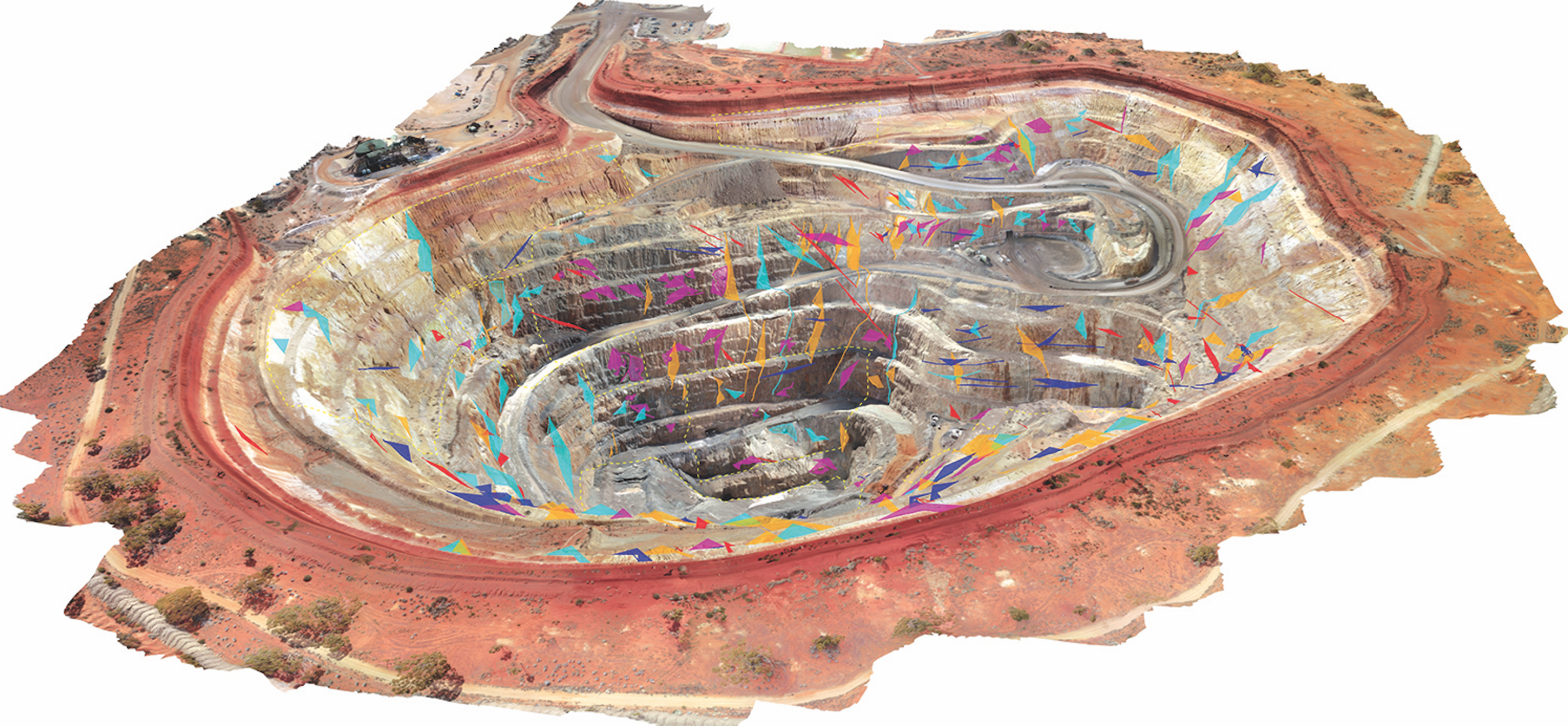
Open-pit quarries generate large scan datasets that must be cleaned, structured, and prepared before they can be used for engineering work. Raw point clouds on their own are not enough for plant upgrades, terrain analysis, infrastructure planning, or documentation updates. Point cloud processing for quarries turns captured scan data into a usable dataset for design, coordination, and operational planning.
For quarry operators, engineering teams, and contractors, this means working with structured spatial data instead of unfiltered raw scans. In active quarry environments, where terrain changes, haul roads are adjusted, and plant areas are modified over time, processed point cloud data provides a more reliable basis for technical decisions.
Contact Us Now for a Free Consultation!
Point Cloud Processing Services for Quarry Plants and Infrastructure
Our point cloud processing services for open-pit quarries are focused on preparing scan data for real project use. This includes registration, cleaning, segmentation, classification, and optimization of large quarry datasets for engineering, planning, and infrastructure review.
This service is typically used for:
- quarry plant modernization
- terrain and slope analysis
- conveyor and transfer structure review
- haul road profiling
- stockpile and surface measurement
- documentation of existing site conditions
- preparation for design, Scan to BIM and BIM Modeling workflows
What Processed Quarry Point Cloud Data Can Include
Processed datasets may include the following quarry elements:
- benches and pit slopes
- haul roads and access routes
- stockpiles and excavation zones
- crushers and screening areas
- conveyors and transfer points
- support steel and structural elements
- drainage systems and berms
- utility corridors and service areas
Depending on project scope, the output may focus on terrain geometry, plant systems, or a combination of both.
Why Point Cloud Processing Is Used in Quarry Projects
In quarry environments, scan data usually covers large areas with changing terrain, multiple elevations, and mixed natural and industrial elements. Without processing, these datasets are difficult to use for engineering review or design development.
Point cloud processing is used when teams need to:
- clean large raw scan datasets
- isolate quarry plant zones from terrain areas
- prepare data for design and coordination
- verify infrastructure before upgrades
- support volume calculation and surface analysis
- reduce time spent navigating unstructured point clouds
For active quarry operations, this helps convert raw field data into a practical engineering resource.
Point Cloud Processing for Terrain, Haul Roads, and Bench Geometry
In open-pit quarries, terrain is one of the most important parts of the dataset. Bench edges, slope angles, haul road gradients, and excavation profiles must be preserved accurately during processing.
Processed terrain data is commonly used for:
- bench geometry review
- slope and stability analysis
- haul road profiling
- stockpile measurement
- surface comparison over time
- planning of excavation and site changes
This is especially important where over-smoothed or poorly filtered data can reduce the value of the final terrain model.
Point Cloud Processing for Quarry Plants, Conveyors, and Infrastructure
Quarry datasets also include plant systems and infrastructure that need a different processing approach from terrain data. Conveyors, transfer stations, crushers, support structures, and drainage systems must be separated and prepared for engineering use.
This is commonly applied to:
- conveyor alignment review
- crusher area documentation
- transfer structure analysis
- support steel verification
- utility and drainage coordination
- preparation of plant zones for modeling or drawing production
Where required, processed datasets can later support As-Built Drawings or selectedReverse Engineering tasks.
What Makes Quarry Point Cloud Processing Different
Open-pit quarry projects differ from enclosed industrial environments because the data is larger, more variable, and affected by operating conditions on site.
Typical challenges include:
- changing topography and excavation stages
- long scan ranges across uneven terrain
- dust and moving equipment in active work zones
- mixed terrain and industrial geometry within one dataset
- large file sizes requiring segmentation and indexing
- the need to preserve critical terrain features while removing noise
Because of this, quarry point cloud processing must stay focused on usable outputs, not just raw data cleanup.
Problems Point Cloud Processing Solves in Open-Pit Quarries
Processed point cloud data helps solve common project issues such as:
- difficult-to-use raw scan files
- excessive noise and overlapping points
- unclear separation between terrain and plant areas
- slow engineering review of unstructured datasets
- poor visibility of conveyor, steel, or utility geometry
- lack of a clean base for modeling and documentation
For quarry operators and engineering teams, this reduces preparation time before design, planning, and site modification work begins.
Table: Typical Deliverables for Quarry Point Cloud Processing
| Deliverable | Practical Use |
| Registered point cloud | Base dataset for engineering review |
| Cleaned point cloud | Easier navigation and geometry interpretation |
| Segmented terrain and plant zones | Separate work areas for project teams |
| Digital terrain model | Slope analysis, planning, and measurement |
| Clipped plant datasets | Focused review of conveyors, crushers, and structures |
| Optimized files for BIM or CAD teams | Faster downstream modeling and drafting workflows |
Examples of Point Cloud Processing Applications
Point Cloud Processing Gallery


Point Cloud Processing for Quarry Modernization and Planning
For modernization and planning projects, processed scan data provides a more practical engineering base than raw field capture alone. Instead of working with oversized and noisy datasets, teams receive a structured point cloud that supports terrain review, plant coordination, and infrastructure planning.
This is especially useful before:
- extending conveyors
- upgrading crushers or support structures
- changing haul roads and access routes
- updating site documentation
- preparing data for Scan to BIM and BIM Modeling
- reviewing quarry conditions before phased reconstruction
Point cloud processing for open-pit quarries helps convert raw scan data into structured, usable information for terrain analysis, quarry plant review, and infrastructure planning. For benches, haul roads, stockpiles, conveyors, crushers, and support structures, processed data provides a cleaner basis for engineering work in active quarry environments.
FAQ
What is point cloud processing for quarries?
It is the transformation of raw scan data into structured, usable datasets for terrain modeling, infrastructure analysis, and engineering workflows in an open pit quarry.
How is quarry point cloud processing different from building projects?
Quarry datasets involve large-scale terrain, dynamic surfaces, and mixed natural-industrial environments, requiring specialized handling and classification.
Can processed data be used for volume calculations?
Yes. Point cloud datasets enable accurate stockpile and excavation volume calculations, essential for operational planning.
What outputs are typically delivered?
Deliverables include classified point clouds, terrain models, 3D meshes, and CAD/BIM-ready data for quarry plant and infrastructure analysis.
Do you support integration with BIM systems?
Yes. Processed datasets are structured for seamless integration with BIM workflows, enabling modeling, coordination, and lifecycle management.

