
Revit Plumbing Design Services
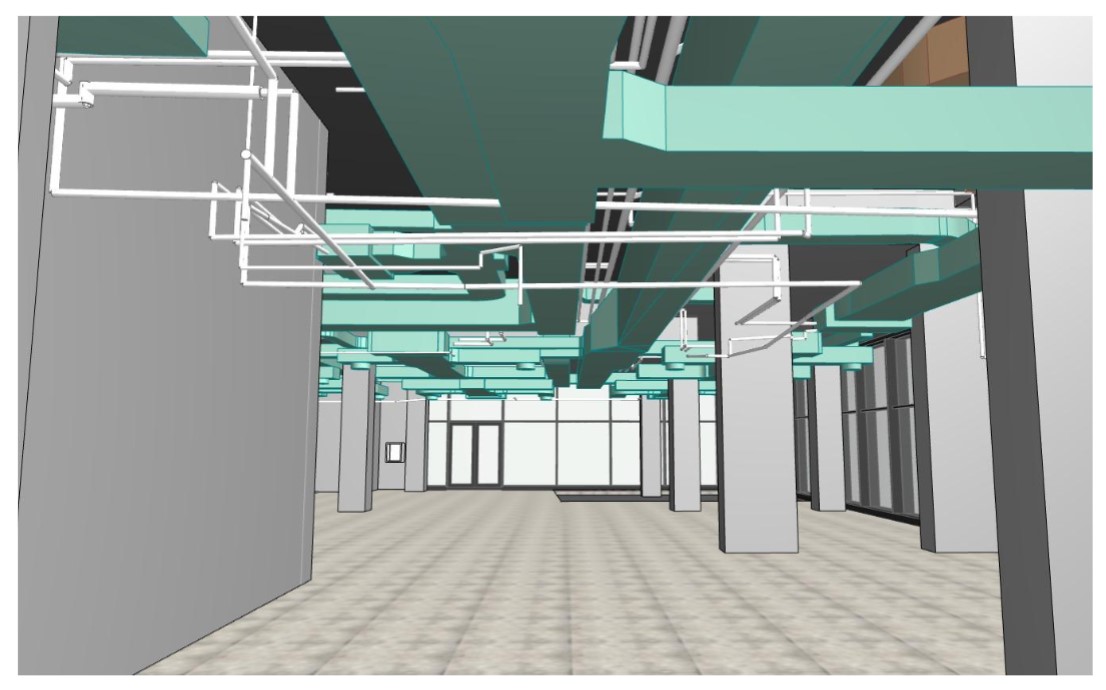
Accurate plumbing design requires more than drawing pipe routes. In modern BIM workflows, plumbing systems must be coordinated with architecture, structure, and other MEP disciplines before construction begins. Revit plumbing design services help create structured, coordinated digital models of water supply, drainage, sanitary, and related plumbing systems for design development, clash detection, documentation, and project delivery.
Contact Us Now for a Free Consultation!
At ScanM2, Revit-based plumbing modeling is approached as part of a practical building workflow. The goal is not to create a model for presentation alone, but to develop a usable engineering environment that supports coordination, technical decision-making, and reliable documentation.
What Revit Plumbing Includes
Revit plumbing typically covers the modeling and coordination of building water and drainage systems within a BIM environment. Depending on project scope, this may include:
- domestic cold and hot water systems
- sanitary drainage and waste piping
- vent piping systems
- plumbing fixtures and equipment connections
- risers and distribution layouts
- pipe routing in relation to architectural and structural geometry
- coordination with HVAC, electrical, and other MEP disciplines
The exact model content depends on the design stage, project complexity, and required deliverables. Some projects need a coordination-ready model, while others require a more developed plumbing model for documentation and construction support.
When Plumbing Design in Revit Is Needed
Plumbing design in Revit is especially valuable when projects require coordination between multiple engineering disciplines and accurate system integration within the building. It is commonly used in:
- new construction projects
- commercial and residential developments
- hotels, healthcare, and public buildings
- industrial and technical facilities
- renovation and retrofit projects
- existing buildings requiring MEP upgrades
- BIM-based documentation workflows
It becomes particularly important when plumbing systems must fit into restricted ceiling zones, plant areas, shafts, service voids, or technically dense building environments. In such cases, 2D design is often not enough to control space, routing, and intersystem conflicts.
Benefits of Revit MEP Plumbing Modeling
Using Revit MEP plumbing workflows brings practical advantages across design and construction phases.
First, it improves coordination. Plumbing systems can be developed in relation to real building geometry and checked against structure, HVAC, and electrical systems before site work begins.
Second, it reduces clashes and rework. Pipe routes, risers, fixture locations, and service zones can be coordinated earlier, which lowers the risk of costly changes during installation.
Third, it supports clearer documentation. Plans, sections, riser diagrams, and system-based views can be extracted from a coordinated Revit environment.
Fourth, it improves visibility for engineering teams, contractors, and project managers. Instead of reviewing disconnected 2D drawings, teams work with a structured digital model that shows how systems interact within the building.
Typical Applications of Revit Plumbing Design
| Project situation | Why Revit plumbing design is used | Typical result |
|---|---|---|
| New building design | Plumbing systems must be integrated into a BIM workflow | Coordinated plumbing model in Revit |
| MEP coordination | Pipes must be routed around HVAC, structure, and electrical systems | Reduced clashes and improved coordination |
| Existing building upgrades | New plumbing systems must fit actual building conditions | Better design control in retrofit environments |
| Technical documentation | The project requires clear drawings and system views | Revit-based plumbing documentation |
| Complex building services zones | Space is limited and engineering systems overlap | More efficient routing and system planning |
Revit Plumbing for Coordination and Building Systems
One of the main reasons teams use Revit plumbing design is coordination. Plumbing systems do not exist in isolation. They must work within architectural layouts, structural constraints, ceiling spaces, shafts, technical rooms, and shared MEP zones.
When plumbing modeling is developed in Revit, designers can assess how systems interact with other trades much earlier in the project. This is especially important in technically dense projects where routing conflicts may affect installation, access, and long-term serviceability.
In projects that also involve broader model development, this workflow may connect with Revit BIM Modeling Services and other discipline-specific BIM processes.
Revit Plumbing for Existing Buildings
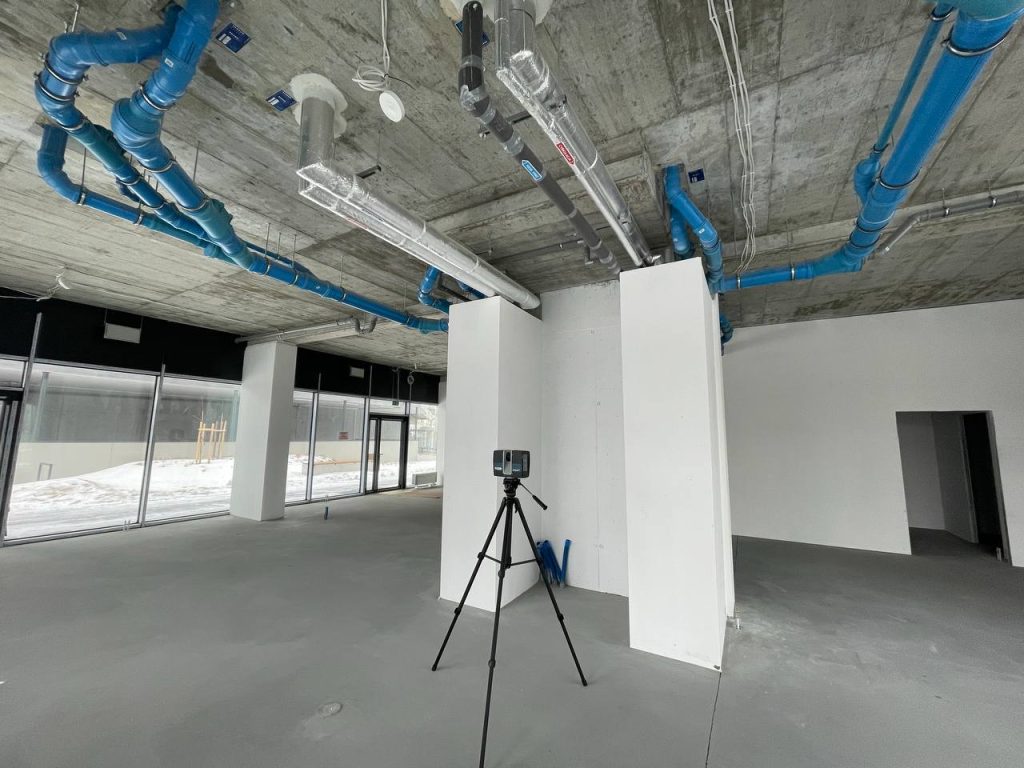
Plumbing modeling in Revit is also highly relevant in existing building projects. In renovation, modernization, and retrofit work, legacy drawings often do not reflect the current state of the building. Existing pipe routes, ceiling conditions, service spaces, and installation constraints may differ significantly from archived documents.
In these situations, accurate plumbing design depends on reliable base information. Where measured site conditions are required, the workflow may connect with Scan to Revit or point cloud-based BIM development. This allows plumbing systems to be modeled in relation to actual building geometry rather than assumptions.
For refurbishment and building upgrades, this greatly improves design reliability and coordination quality.
What Revit Plumbing Deliverables May Include
Depending on scope, Revit plumbing services may produce a range of digital and documentation outputs, such as:
- coordinated plumbing models in Revit
- pipe layouts and routing systems
- fixture and equipment connection modeling
- riser development
- clash-reviewed engineering coordination models
- plans, sections, and documentation views
- model-based support for design review and construction planning
Where the project also requires documentation extracted from the model, the workflow may continue into Revit Drawing Services.
Why Revit Plumbing Design Matters
A well-developed plumbing model improves more than just drawing quality. It helps organize system logic, spatial relationships, and coordination across the full project environment. In complex buildings, this can reduce uncertainty, support faster design decisions, and create a stronger basis for installation and documentation.
For projects where engineering systems must be coordinated precisely, Revit plumbing design services provide a more reliable and scalable workflow than isolated 2D drafting alone.
Related Revit and BIM Services
Revit plumbing design often forms part of a wider BIM and engineering workflow. Depending on the project, it may connect with:
- Revit BIM Modeling Services
- Scan to Revit
- Revit Drawing Services
- MEP coordination modeling
- existing building BIM development
This makes Revit plumbing not just a discipline-specific task, but part of a broader digital process that supports design, coordination, and project delivery.

