

3D Laser Scanning of a Premium Wine Room in Dubai
Project Snapshot
Service: 3D laser scanning of a premium wine room
Location: Dubai
Area: approximately 2 m²
Accuracy: ±2–3 mm
Deliverables: Point cloud, 2D documentation, DWG/PDF/RVT
Project Overview
ScanM2 carried out a high-precision 3D laser scanning survey of a premium wine room in Dubai with a total area of approximately 2 m². Although the space was compact, the project required an exceptionally high level of accuracy because the scan data was used as the basis for the fabrication of custom wall panels with a total value of nearly $100,000. Even minimal deviations could have led to critical production errors.
The main objective was to capture the real geometry of the room with maximum possible precision and prepare reliable production-ready documentation for the seamless integration of high-end custom-made elements.
Client Goal
The client needed an accurate digital representation of the wine room to support the fabrication of premium custom wall panels. The priority was not the size of the space, but the tolerance requirements. Because the finish elements were expensive and highly customized, the project required dependable geometric data that could be trusted for manufacturing.
Project Challenges
One of the key challenges was demonstrating to the client that point cloud data provides higher accuracy and reliability compared to traditional laser measurements. The client initially relied on laser distance meters and questioned the precision of scanning data, so an important part of the process was validating that the point cloud reflected the real geometry without distortion and with greater consistency.
Another challenge was the strict tolerance requirement despite the very small size of the space. Because the production elements were high-value and custom-made, even a compact 2 m² room required an extremely careful and precise survey workflow. The project also involved multiple iterations and internal checks to align expectations and ensure full confidence in the final data.
Scope of Work
Our team performed terrestrial 3D laser scanning of the entire wine room, processed a high-density point cloud, verified the captured geometry, and prepared precise 2D documentation for production use. The final deliverables were exported in the formats required for the client’s workflow, including DWG, PDF, and RVT.
Methodology
The project began with high-resolution terrestrial laser scanning of the space. After capture, the point cloud was registered and aligned, then cross-checked against reference measurements to verify the geometry. Based on this validated dataset, we prepared precise 2D documentation suitable for fabrication purposes.
The workflow also included multiple stages of internal quality control and coordination with the client to confirm the reliability of the data. This approach helped not only to achieve the required technical precision, but also to build confidence in the scanning methodology after the client’s initial concerns.
Results


The final point cloud was validated as a reliable and consistent source of geometry, proving to be more dependable than manual laser measurements for this type of project. Based on the scan data, precise 2D drawings were prepared and used directly for the fabrication of custom wall panels. The result was production-ready documentation that supported the accurate manufacturing of high-value interior elements.
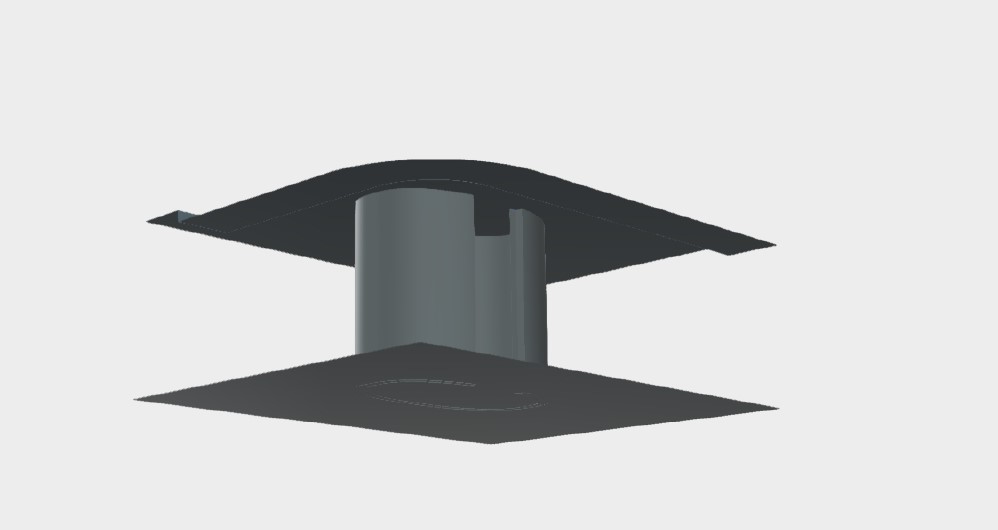
The project was completed within an optimized timeframe despite the complexity of validation and coordination. The file also includes model visuals on pages 3–4, showing the geometric output that supported production decisions.
Deliverables
- High-density point cloud of the wine room
- Verified geometric data for fabrication
- Precise 2D documentation
- Exported files in DWG, PDF, and RVT formats
- Production-ready measurement base for custom wall panels
Project Value
This project shows that even a very small interior space can require an advanced scanning workflow when downstream fabrication costs are high and tolerances are strict. In this case, the value of 3D laser scanning was not only in accurate measurements, but in providing a dependable basis for manufacturing and reducing the risk of costly production mistakes.

