

Accurate As-Built Data in Construction: Why It Matters
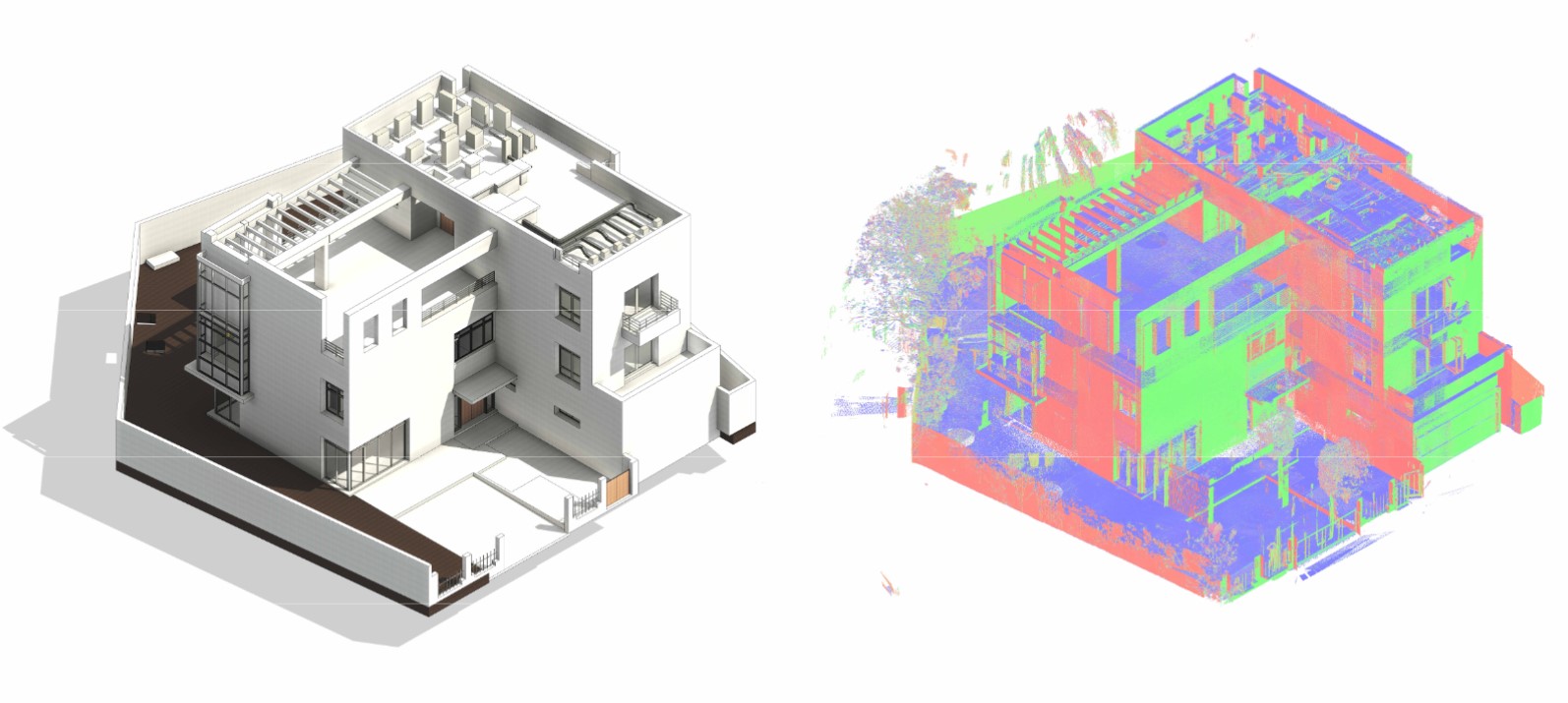

Accurate as-built data plays a critical role in modern construction projects, influencing everything from project handover to long-term facility management. Accuracy determines whether project teams can rely on documentation to make informed technical and operational decisions.
Understanding the importance of as-built data and why as-built drawings matter is essential—especially in an industry where even minor discrepancies can lead to delays, safety risks, and costly rework.
The Importance of Accurate As-Built Data in Construction Projects
The importance of as-built data lies in its function as the final, authoritative record of what was actually built—not what was initially designed. Construction projects often undergo changes in the field, making original design drawings insufficient for future use.
As-built information for construction projects ensures that owners, contractors, and engineers have access to reliable data that reflects real-world conditions. Without accurate as-built data, project stakeholders face increased risks during renovations, expansions, and maintenance.
Why As-Built Drawings Accuracy Is Critical
As-built drawings accuracy directly affects project reliability and operational safety. When drawings fail to reflect actual site conditions, teams may rely on incorrect assumptions, leading to errors during future construction activities.
Common issues include:
- Inaccurate as-built drawings that omit field modifications
- Discrepancies between design and construction due to undocumented changes
- Field changes not documented during fast-paced project phases
These problems often stem from poor coordination or time constraints, yet their long-term impact can be significant.
Reliable As-Built Documentation vs. Outdated Construction Drawings
Reliable as-built documentation differs fundamentally from outdated construction drawings. While design drawings represent intent, construction as-built records reflect execution.
Relying on outdated or incomplete drawings may result in:
- Safety hazards during renovations
- Delays caused by incorrect assumptions
- Increased costs due to rework
Maintaining up-to-date and accurate construction as-built records ensures continuity and minimizes uncertainty across the project lifecycle.
The Risks of Missing or Inaccurate As-Built Documentation
Missing as-built documentation is one of the most common yet underestimated challenges in construction. When records are incomplete or inaccurate, teams experience a lack of reliable site data, which can compromise decision-making.
Key risks include:
- Unexpected clashes with existing systems
- Structural conflicts during renovations
- Legal and compliance issues
Technical Risks Associated with Inaccurate As-Built Data
The table below summarizes the most common technical risks associated with inaccurate or missing as-built documentation in construction projects.
| As-Built Documentation Issue | Technical Description | Engineering & Project Impact |
| Inaccurate as-built drawings | Recorded dimensions, system layouts, or elevations do not match actual site conditions | Design conflicts, system clashes, and increased rework during future construction |
| Outdated construction drawings | Construction-phase changes are not reflected in final documentation | Incorrect assumptions during renovation, leading to delays and cost overruns |
| Missing as-built documentation | Partial or absent records of installed elements, utilities, or structural components | Lack of reliable site data, increased uncertainty, and higher project risk |
| Discrepancies between design and construction | Deviations between approved design intent and executed construction | Structural conflicts, compliance issues, and compromised system performance |
| Field changes not documented | On-site modifications made without formal updates to drawings | Reduced accuracy of construction as-built records and unreliable future planning |
| Unverified construction as-built records | As-built data not validated against physical site conditions | Low confidence in documentation and engineering decision-making errors |
In many cases, inaccurate as-built drawings only become apparent when it is already too late—during demolition or retrofit phases.
As-Built Data for Renovation and Future Construction Projects
Accurate as-built data for renovation projects is essential, especially when working with existing structures. Renovation teams depend on precise measurements and verified layouts to avoid damaging hidden utilities or structural elements.
When as-built information for construction projects is properly maintained, it supports:
- Faster renovation planning
- Reduced risk of unforeseen conditions
- Better cost control
This is particularly important for older buildings, where original documentation may no longer reflect current conditions.

Ensuring Accurate and Reliable As-Built Documentation
To avoid issues related to inaccurate as-built drawings and outdated construction drawings, construction teams should prioritize accuracy throughout the project lifecycle.
Best practices include:
- Regular site verification and updates
- Clear documentation of all field changes
- Digital tools for real-time data capture
- Accountability for maintaining accurate as-built drawings
By doing so, teams create dependable construction as-built records that remain valuable long after project completion.
The Strategic Role of Accurate As-Built Data
Professional as-built documentation often requires on-site verification and precise data capture. In complex or renovation projects, laser scanning and reality capture technologies are commonly used to validate dimensions, system layouts, and structural conditions before final documentation is issued.
Understanding why as-built drawings are important comes down to risk reduction, efficiency, and long-term value. Accurate as-built data transforms documentation from a formality into a strategic asset.
In an industry where discrepancies between design and construction are inevitable, investing in reliable as-built documentation is not optional—it is essential for successful project delivery and sustainable asset management.
FAQ- Accurate As-Built Data in Construction
What is accurate as-built data in construction?
Accurate as-built data refers to verified records that show the exact conditions of a completed construction project, including dimensions, materials, and system locations.
Why is as-built data important for construction projects?
The importance of as-built data lies in its role as a reliable reference for future renovations, maintenance, and expansions.
What problems are caused by inaccurate or missing as-built documentation?
They can lead to discrepancies between design and construction, unexpected site conflicts, safety issues, and costly rework.
How can construction teams ensure reliable as-built documentation?
By documenting field changes in real time, verifying drawings against actual site conditions, and maintaining accurate construction as-built records.
- Safety hazards during renovations
- Delays caused by incorrect assumptions
- Increased costs due to rework

