

BIM Modeling for Metallurgical Facilities
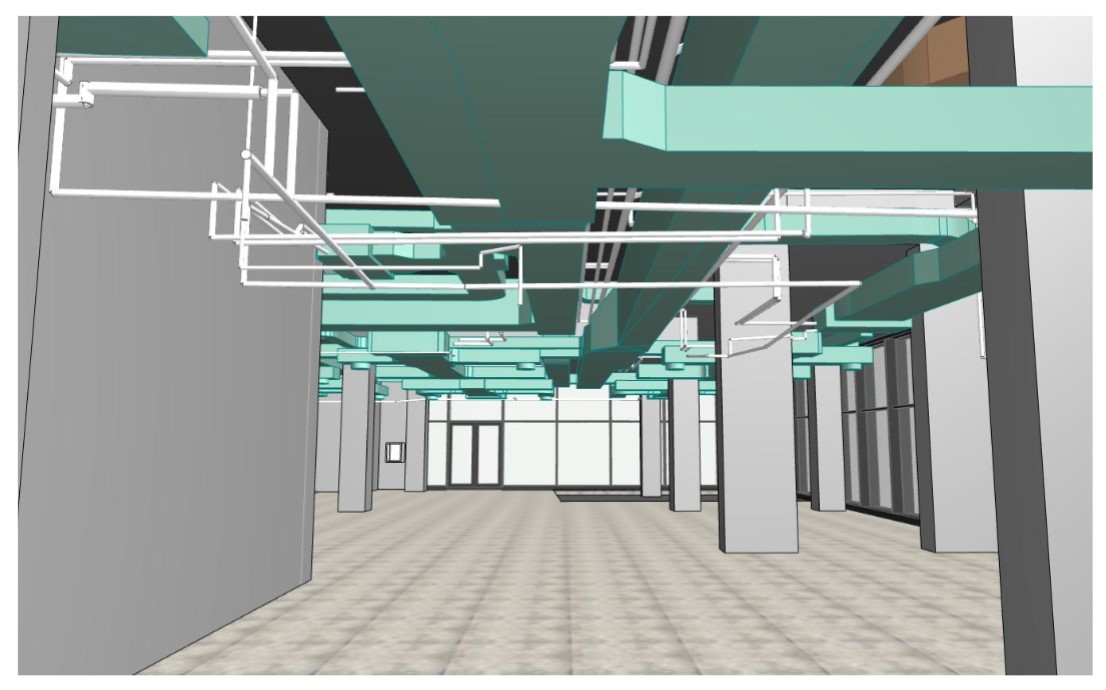
Steel production plants operate with large-scale structural systems, heavy industrial equipment, and extensive process pipelines. BIM modeling steel plant projects create coordinated digital representations of these facilities, enabling engineers to integrate structural frameworks, metallurgical equipment, and utility systems into a single engineering model.
Digital plant models are particularly valuable in environments where infrastructure has evolved through multiple modernization stages. By combining engineering data with spatial information captured through 3D Laser Scanning, engineers can reconstruct accurate facility layouts and organize complex production systems into a structured digital environment.
This modeling approach supports engineering teams responsible for plant modernization, equipment replacement, and infrastructure upgrades across steel production facilities.
Contact Us Now for a Free Consultation!
Structural and Infrastructure Complexity of Steel Plants
Metallurgical facilities are characterized by large steel frameworks, multi-level production areas, and extensive utility systems supporting continuous industrial processes.
Typical elements requiring detailed digital modeling include:
- blast furnace structures and auxiliary systems
- steelmaking workshops and casting units
- raw material conveyors and charging systems
- industrial ventilation and gas handling networks
- cooling water pipelines and pumping stations
- crane systems and maintenance platforms
Accurate steel plant infrastructure modeling helps engineers analyze spatial relationships between these systems and identify potential conflicts before equipment installation or structural modifications.
Digital Representation of Metallurgical Equipment
Steel production involves large process units such as blast furnaces, ladle systems, rolling equipment, and casting machines. These components must be integrated with building structures, service pipelines, and maintenance access areas.
Digital engineering models allow specialists to represent:
- furnace shells and support structures
- steel casting machines and rolling lines
- material handling systems and conveyor galleries
- gas pipelines and ventilation systems
- access platforms, stairways, and maintenance zones
When facilities lack reliable engineering documentation, scan datasets are converted into structured models through point cloud processing, allowing engineers to reconstruct plant infrastructure with high geometric accuracy.
Modeling Workflow for Existing Metallurgical Plants
Many steel plants were constructed decades ago and have undergone numerous upgrades without complete documentation updates. Creating reliable digital models therefore often begins with site surveys and spatial data acquisition.
A typical workflow includes:
- Laser scanning of production areas and equipment
- Processing of point cloud data and spatial verification
- Development of coordinated engineering models
- Integration of structural and mechanical systems
- Generation of updated technical documentation
Through scan to bim, point cloud data is converted into detailed engineering models representing the current configuration of the plant. These models become the basis for modernization planning and infrastructure coordination.
Applications of BIM in Steel Production Facilities
Digital models support a wide range of engineering activities within metallurgical plants.
Plant modernization and equipment installation
Engineers can evaluate available space and verify clearances for new equipment before installation.
Clash detection for industrial systems
Structural frames, pipelines, and technological equipment can be coordinated within a single model to identify potential conflicts.
Industrial facility digital twin development
BIM models can serve as the foundation for digital twins representing the current condition of steel production facilities.
Maintenance planning and shutdown preparation
Digital plant models help plan equipment replacement and maintenance access without disrupting production processes.
Infrastructure upgrades
Utilities, ventilation systems, and gas pipelines can be redesigned using coordinated digital models.
These applications are particularly relevant for projects involving bim modeling metallurgical plant infrastructure during reconstruction or expansion phases.

Blast Furnace Modeling and Heavy Industrial Structures
Blast furnace complexes are among the most structurally complex components of steel production plants. These facilities include high steel towers, hot blast systems, gas pipelines, and multiple maintenance platforms.
Blast furnace BIM modeling allows engineers to analyze:
- furnace support frames and structural platforms
- hot blast stoves and air supply systems
- gas distribution pipelines
- conveyor charging systems
- maintenance ladders and access structures
Digital models make it possible to evaluate structural modifications and equipment upgrades before work begins in operating production environments.
Engineering Documentation and As-Built Plant Models
Updated documentation is essential for safe plant operation and modernization planning. BIM models provide a reliable source for generating technical documentation reflecting the current configuration of metallurgical facilities.
Using coordinated models, engineers can produce as-built drawings for metallurgical plants that represent actual structural layouts, equipment positions, and infrastructure systems. These drawings help engineering teams maintain accurate records of plant modifications and support future upgrade projects.

