

Point Cloud Processing for Metallurgical Facilities
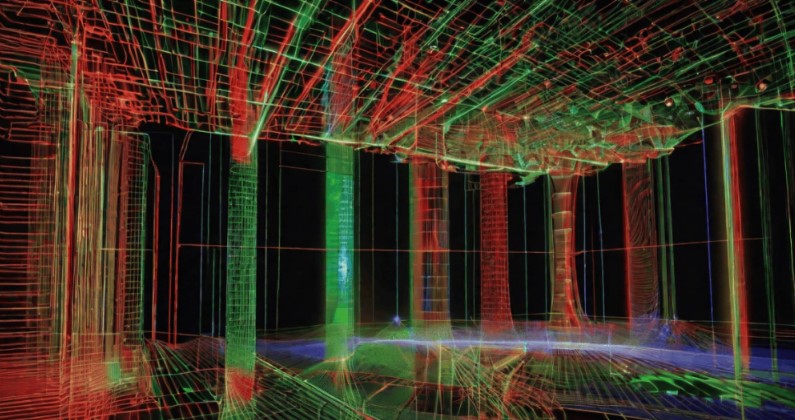
Modern steel plants contain dense networks of furnaces, rolling lines, gas ducts, conveyors, cooling systems, and heavy mechanical equipment operating under high temperatures and strict safety requirements. Accurate spatial documentation of these facilities is essential for plant modernization, shutdown planning, and equipment replacement projects.
Point cloud processing steel plant environments requires specialized workflows capable of handling large-scale laser scan datasets collected from blast furnace zones, steel casting bays, and rolling mill halls. Our engineers convert raw laser scanning datasets into structured digital representations suitable for engineering analysis, retrofit design, and facility documentation.
Contact Us Now for a Free Consultation!
Using advanced point cloud processing services industrial plants rely on, we structure spatial data into clean, classified models representing equipment geometry, structural frameworks, and plant infrastructure systems.
The resulting datasets allow engineering teams to work with precise digital replicas of operating metallurgical facilities while minimizing the need for repeated field measurements.
Characteristics of Laser Scan Data in Steel Plants
Metallurgical production environments differ significantly from other industrial facilities due to high-temperature equipment, dense pipe routing, and massive steel handling systems. Laser scanning campaigns in steel mills typically generate datasets containing hundreds of millions of points per production zone.
Several physical elements strongly influence how point clouds must be processed.
Blast Furnace Structures
Blast furnace complexes include towering steel structures, charging platforms, gas ducts, and cast house equipment. These installations often exceed 80 meters in height and contain complex support frameworks. Point cloud datasets captured around blast furnaces must be processed to isolate structural frames, furnace shells, and auxiliary platforms.
Continuous Casting Lines
Continuous casting machines include long sequences of mold segments, rollers, secondary cooling pipes, and hydraulic systems. Accurate spatial modeling of these systems is critical for alignment control and equipment maintenance planning.
Overhead Crane Systems
Steel plants rely heavily on bridge cranes used for transporting ladles, slabs, and billets. Laser scans must capture crane rails, runway beams, and clearance zones with high precision to ensure safe operational envelopes are maintained during upgrades.
Because of these unique elements, industrial point cloud steel plant datasets require targeted classification strategies rather than generalized industrial modeling approaches.
Workflow for Processing Metallurgical Point Cloud Datasets
Processing scan data from a steel plant involves several specialized steps designed to convert raw spatial measurements into engineering-ready datasets.
1. Scan Registration and Coordinate Alignment
Laser scans collected across production halls, furnace towers, and rolling mill structures must be aligned within a unified coordinate system. Due to the large footprint of steel plants, this step often involves combining hundreds of scan stations.
Precise registration ensures spatial consistency between:
- Furnace structures
- Conveyor galleries
- Pipe bridges
- Structural frames
- Equipment foundations
This alignment stage forms the spatial backbone of the plant’s digital environment.
2. Noise Filtering and Industrial Artifact Removal
Steel production environments introduce several types of noise into scan datasets:
- Heat distortion around furnace zones
- Reflective surfaces on polished steel equipment
- Motion artifacts from operating machinery
- Dust and particulate interference
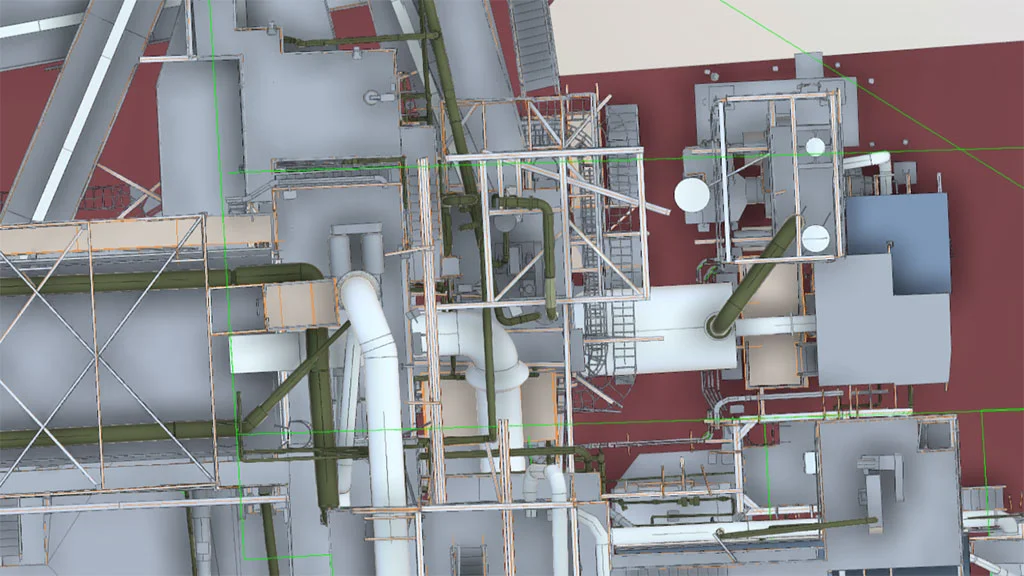
Filtering algorithms remove these distortions while preserving accurate geometry of structural steel, process equipment, and pipe networks.
3. Point Classification
After cleaning the dataset, engineers classify point clusters based on physical components within the plant. In metallurgical facilities typical classification groups include:
- Structural steel frameworks
- Furnace shells and refractory structures
- Conveyor systems
- Pipe networks and gas ducts
- Cable trays and electrical supports
- Crane rails and lifting infrastructure
Classification allows efficient extraction of equipment geometry for modeling.
4. Industrial Equipment Segmentation
Unlike standard factory environments, steel plants contain extremely large mechanical assemblies such as:
- Rolling mill stands
- Ladle transfer cars
- Slab conveyors
- Continuous casting machines
Segmentation separates these systems into manageable components that can later be modeled individually.
5. Engineering Model Generation
Once classified, point clusters are converted into structured geometric models. These models may represent:
- Structural steel frames
- Equipment envelopes
- Pipe routing systems
- Maintenance platforms
- Process equipment foundations
The resulting models form the basis for a steel plant point cloud modeling workflow that engineers can use for retrofit design or facility documentation.
Data Processing Challenges Specific to Steel Production
Metallurgical facilities introduce several data processing challenges rarely encountered in other industries.
Thermal Distortion Zones
Areas around blast furnaces, reheating furnaces, and hot rolling lines can introduce distortions in laser scans due to heat gradients in the air. Processing pipelines must correct for these distortions during point alignment.
Dense Pipe Networks
Steel plants contain extensive gas and cooling water systems. Blast furnace gas pipelines, oxygen supply lines, and water cooling circuits form complex routing networks often layered across multiple elevations.
Accurate classification and segmentation of these pipelines is essential for spatial planning and clash detection.
Conveyor Infrastructure
Material handling is one of the dominant spatial features in steel mills. Conveyors transport raw materials, sinter, coke, pellets, slabs, and billets across large distances.
Laser scanning datasets must isolate conveyor belts, support frames, transfer towers, and maintenance walkways for accurate infrastructure mapping.
Heavy Structural Frames
Rolling mills and furnace towers are supported by large steel frameworks composed of beams, columns, and cross-bracing. Processing workflows must identify structural members clearly to enable structural modeling.
These factors require point cloud processing pipelines tailored specifically to metallurgical environments.
Digital Modeling Applications in Steel Plants
Processed point cloud datasets support a wide range of engineering and operational activities within metallurgical facilities.
Plant Modernization Projects
Steel plants undergo frequent equipment upgrades such as furnace relining, rolling mill replacement, or conveyor system expansion.
Point cloud datasets provide accurate spatial references for design teams planning modernization projects.
Equipment Retrofit Engineering
When new machinery must be installed within existing production lines, spatial accuracy becomes critical. Processed point clouds allow engineers to verify clearances around:
- Rolling mill stands
- Cooling beds
- Transfer tables
- Pipe bridges
This reduces the risk of installation conflicts.
Shutdown Planning
Major steel plants schedule periodic shutdowns for maintenance. During these short time windows engineers must perform complex upgrades quickly.
Accurate digital models derived from laser scanning allow detailed pre-shutdown planning and component prefabrication.
Infrastructure Documentation
Many older steel plants lack updated engineering drawings. Point cloud datasets provide a reliable spatial reference for documenting:
- structural frameworks
- pipe routing networks
- equipment foundations
- crane systems
This documentation is essential for future engineering work.
Typical Outputs of Industrial Point Cloud Modeling
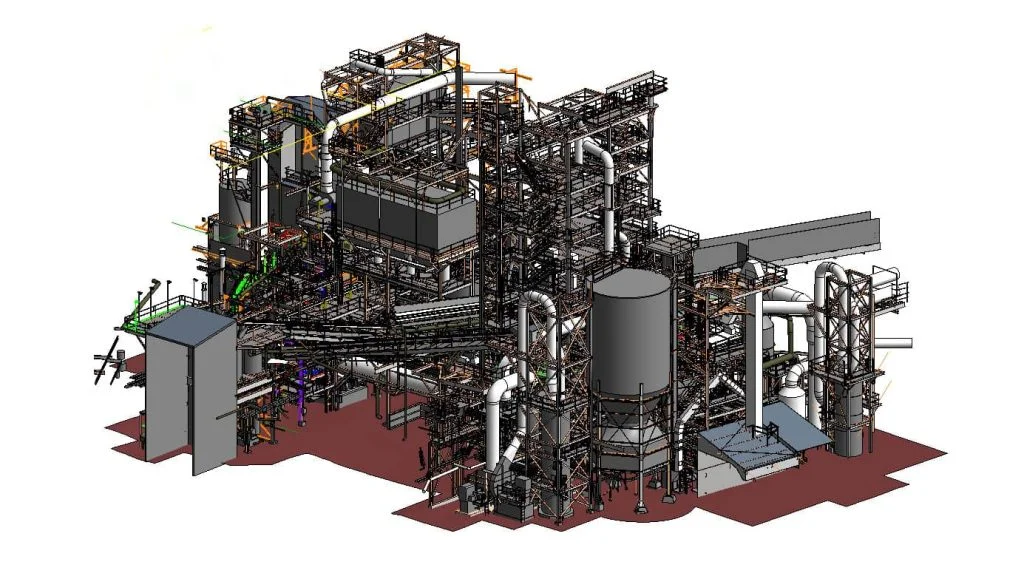
The deliverables from point cloud processing projects vary depending on engineering requirements. However, most metallurgical facilities require several standard output formats.
| Output Type | Description | Application |
| Registered Point Cloud Dataset | Unified spatial dataset combining all scan positions | Engineering analysis and visualization |
| Segmented Equipment Clusters | Classified point groups representing machinery and infrastructure | Equipment modeling |
| Structural Steel Geometry | Extracted beam and column frameworks | Structural engineering |
| Pipe Network Geometry | Digitized piping routes and pipe racks | Process engineering |
| Conveyor System Models | Geometry of belts, transfer towers, and supports | Material handling analysis |
| Crane Rail Alignment Models | Accurate geometry of crane rails and runway beams | Maintenance and safety planning |
These outputs form the basis for advanced digital plant engineering workflows.
Integration With Engineering and Modeling Services
Point cloud processing rarely functions as a standalone task. Instead, it forms part of a broader digital engineering workflow for metallurgical facilities.
Processed scan data is frequently integrated with several complementary services.
Laser scanning datasets originate from field surveys performed using 3D Laser Scanning technologies that capture high-density spatial measurements of furnaces, rolling mills, and plant infrastructure.
Once processed, these datasets can be converted into detailed engineering models through Scan to BIM workflows. These models allow multidisciplinary coordination between structural, mechanical, and process engineers.
In large plant upgrade programs, processed point clouds often serve as the spatial foundation for comprehensive BIM Modeling of production facilities.
Role of Point Cloud Data in Digital Steel Plant Environments
The steel industry is increasingly adopting digital plant environments to support engineering decisions and long-term asset management.
Processed scan datasets contribute to the creation of a steel mill digital environment, where plant infrastructure and equipment are represented as accurate spatial models.
Within these digital environments engineers can:
- simulate installation of new machinery
- analyze equipment accessibility
- verify maintenance clearances
- evaluate structural modifications
Spatial models derived from point cloud data allow metallurgical plants to manage large industrial assets with greater precision and reduced engineering uncertainty.

