

Reverse Engineering for Metallurgical Equipment
Steel production facilities rely on heavy mechanical systems that often operate for several decades. Many blast furnace units, rolling mill stands, and continuous casting machines were installed long before modern digital engineering tools became standard. As a result, technical documentation may be incomplete or no longer reflect the actual condition of equipment.
Reverse engineering steel plant equipment is used to reconstruct accurate digital models of existing machinery directly from physical components. This process enables engineers to restore missing design data, analyze equipment geometry, and produce replacement parts when original drawings are unavailable.
Contact Us Now for a Free Consultation!
Typical reverse engineering tasks in metallurgical plants involve equipment such as blast furnace tuyere assemblies, rolling mill housings, and continuous casting segments, where precise alignment and geometry are critical for stable operation.
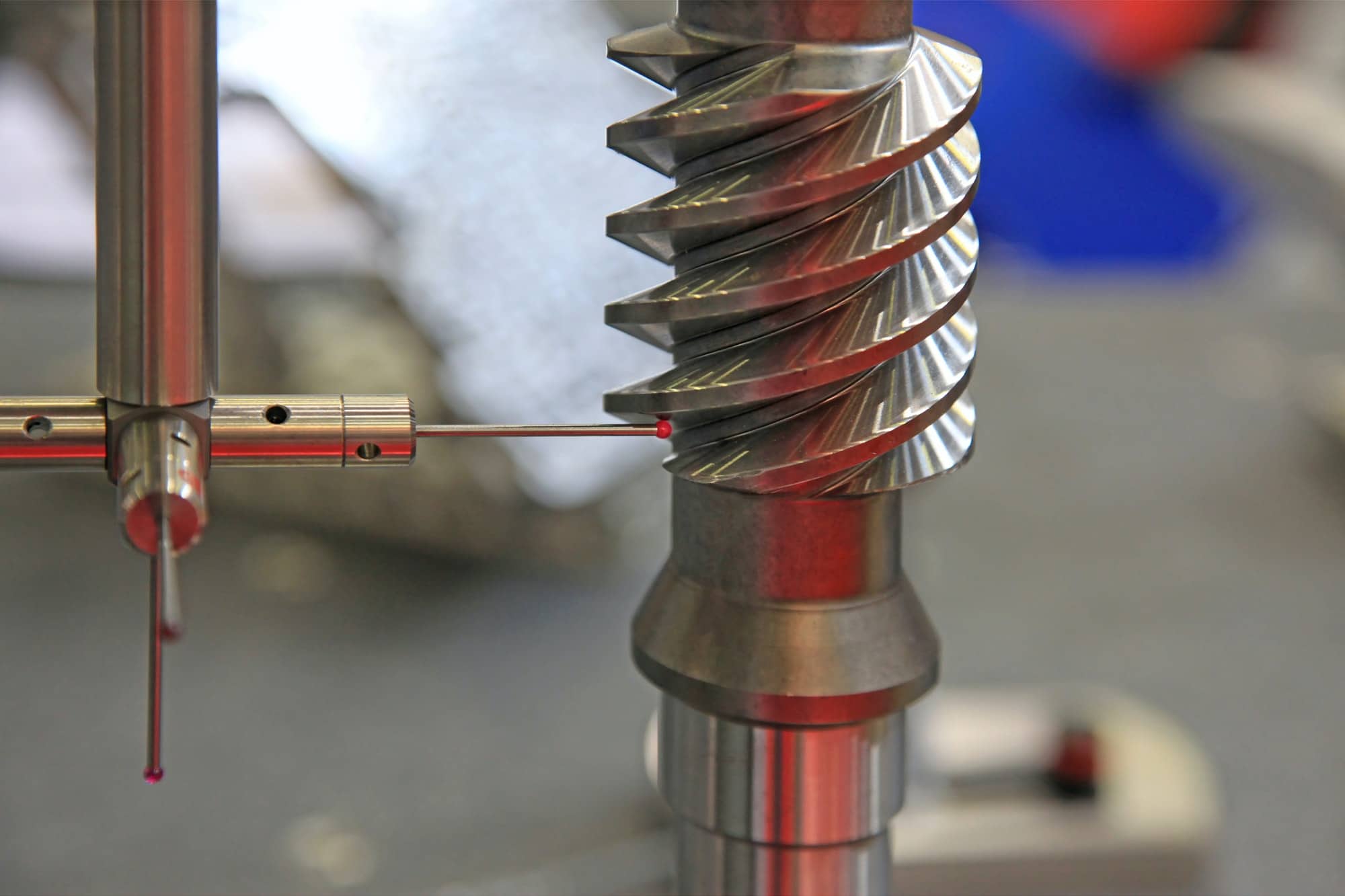
Measurement data is collected using 3D Laser Scanning and industrial metrology tools. The resulting point cloud data forms the basis for digital reconstruction of machinery geometry and structural interfaces.
Key Engineering Challenges
Metallurgical machinery presents specific reconstruction challenges that differ from standard industrial equipment.
Thermal exposure
Equipment located near blast furnaces and hot metal transport systems undergoes repeated thermal expansion cycles. Reverse engineering must capture geometry that reflects real operational conditions.
Large cast structures
Rolling mill stands and furnace shells often consist of massive cast steel components with complex internal geometries. Reconstruction requires precise surface capture to reproduce structural load paths.
Operational wear
Continuous contact with molten metal, slag, and abrasive materials leads to erosion and deformation of mechanical surfaces. During industrial machinery reverse engineering services, engineers must distinguish original design geometry from wear patterns.
Geometry Capture and Digital Reconstruction
The reconstruction workflow begins with dimensional capture of equipment assemblies.
Laser scanning generates dense point cloud datasets representing the geometry of large structures such as furnace shells, mill stands, and transport systems. These datasets are processed to extract reference surfaces and component boundaries.
Critical mechanical elements—such as bearing seats, shaft interfaces, and roller assemblies—are measured with higher precision instruments when necessary.
After data acquisition, engineers perform industrial equipment geometry reconstruction by converting measurement data into parametric CAD models. These models represent both individual components and full equipment assemblies.
The resulting models may be integrated with BIM Modeling environments to coordinate machinery with surrounding plant structures and maintenance access zones.
Applications of Reverse Engineering in Steel Production
Reverse engineering is applied in metallurgical facilities for several practical engineering purposes.
Replacement part manufacturing
When original spare parts are no longer available, reconstructed models allow engineers to fabricate replacements that match existing assemblies.
Equipment modernization
Older machinery can be digitally analyzed and redesigned to accommodate automation systems, improved cooling technologies, or updated drive mechanisms.
Failure analysis
Digital models help engineers investigate deformation, alignment issues, or structural fatigue within critical equipment.
Plant documentation recovery
Many facilities lack updated drawings reflecting decades of modifications. Reverse engineering provides the data needed to produce updated technical documentation.
In large modernization programs, reconstructed models may also be integrated into digital plant environments using as-built drawings workflows, ensuring accurate coordination between equipment and facility structures.
Engineering Outcomes and Technical Documentation
The final deliverables of metallurgical reverse engineering projects typically include several types of technical data.
Parametric 3D equipment models
Detailed digital representations suitable for CAD platforms and engineering simulations.
Manufacturing-ready component drawings
Dimensioned drawings used for producing replacement parts or structural components.
Assembly documentation
Detailed breakdowns of equipment assemblies including interfaces between mechanical systems.
Plant coordination models
Digital models used to coordinate equipment placement within the broader plant infrastructure.
These outputs support long-term asset management and enable engineers to maintain or upgrade steel production equipment without relying on outdated or incomplete documentation.
In environments where operational continuity is critical, accurate digital reconstruction of equipment significantly reduces engineering uncertainty during maintenance and modernization.

