

BIM Modeling for Ore processing plants
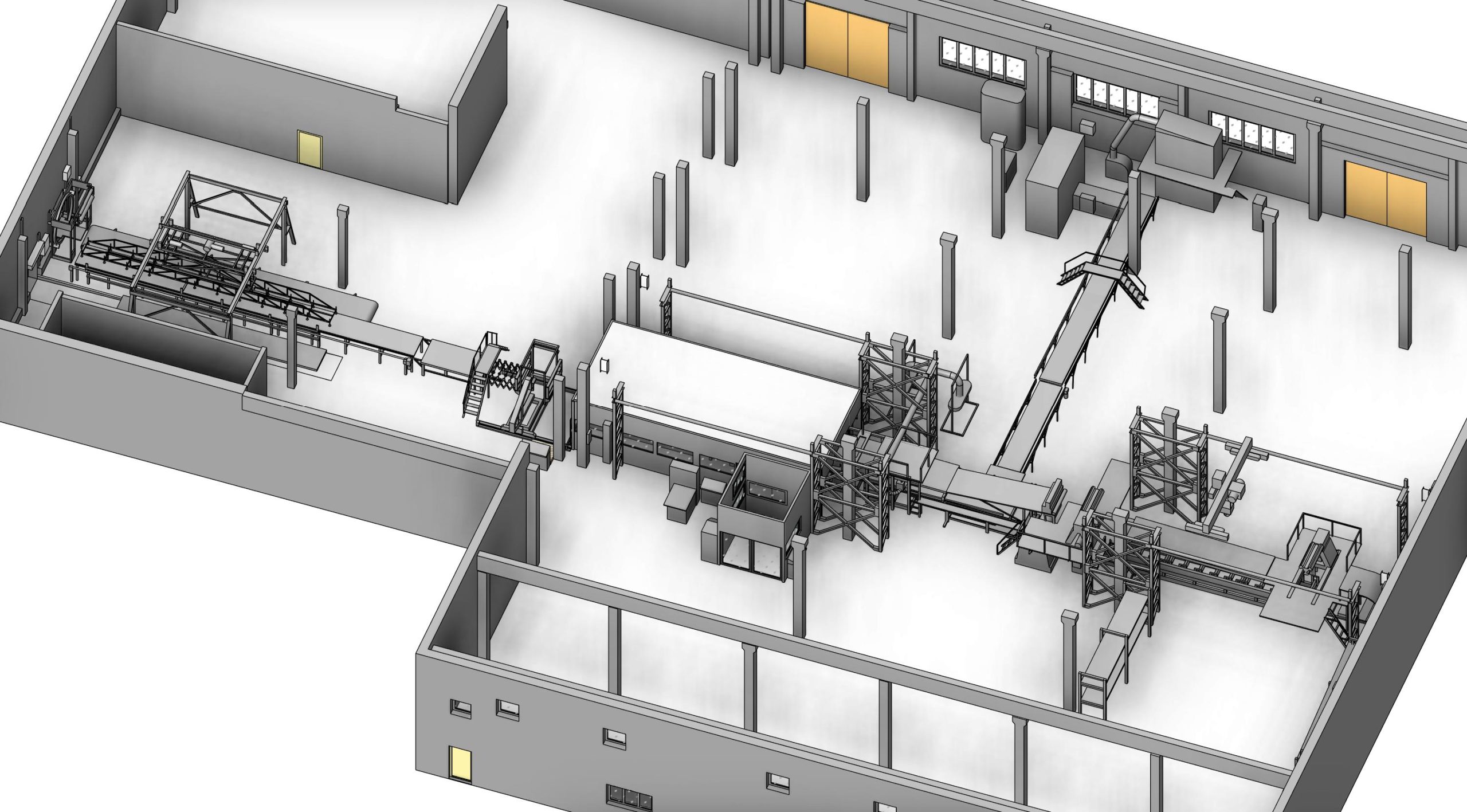
Ore processing plants require accurate digital models for engineering coordination, modernization, and reconstruction. These facilities combine conveyors, transfer points, grinding mill areas, flotation sections, chutes, hoppers, structural steel, platforms, and process piping within one operating production environment. In such conditions, BIM modeling for ore processing plants helps organize the existing facility into a structured model that can be used for design development, equipment integration, and plant upgrades.
Contact Us Now for a Free Consultation!
Unlike general industrial buildings, ore processing facilities have process-driven layouts where equipment, supporting steel, maintenance access, and material flow systems are closely connected. A well-developed BIM model makes these relationships visible before site work begins and supports coordination across multiple disciplines.
BIM Modeling Services for Ore Processing Plants
Our BIM modeling services for ore processing plants are focused on creating reliable digital models for brownfield reconstruction, equipment replacement, line extensions, and plant modernization. Depending on the project scope, the model can be developed from survey data, design documentation, existing drawings, or information produced through 3D Laser Scanning and Scan to BIM workflows.
For facilities with incomplete documentation, BIM becomes a practical engineering base for reviewing actual plant geometry, planning modifications, and coordinating structural, mechanical, and process-related changes.
Engineering Challenges in Ore Processing Plant BIM Modeling
Ore processing plants create several technical challenges that make accurate BIM development essential.
- legacy drawings often do not match the current plant layout
- steel, conveyors, piping, and access systems are tightly packed in limited space
- equipment replacement must be coordinated with existing supports and surrounding systems
- crusher and mill areas usually contain multiple elevations and irregular interfaces
- flotation and material handling zones require clear coordination of process routes and maintenance access
- shutdown works leave little room for on-site dimensional errors
These issues make ore processing plant BIM modeling especially important for teams working on upgrades, retrofit packages, and reconstruction planning.

What Is Included in an Ore Processing Plant BIM Model
A BIM model for an ore processing plant can include:
- structural steel frames
- platforms, ladders, and stairs
- conveyor galleries and transfer points
- chutes and hoppers
- grinding mill area geometry
- flotation systems
- process equipment zones
- industrial piping
- maintenance and service access areas
- slab and foundation geometry where required
Depending on the task, the result may be an existing conditions BIM model, an engineering-ready BIM model, or a coordinated plant model prepared for multidisciplinary design review.
For projects that also require measured outputs for engineering teams, the BIM model can be supplemented with As-Built Drawings prepared from the same information base.
BIM Modeling for Crusher Plant, Grinding Mill Area, and Flotation Systems
BIM Modeling for Crusher Plant
BIM modeling for crusher plant areas is used to coordinate support steel, access platforms, adjacent equipment zones, and feed or discharge interfaces. It helps teams review clearances and prepare modifications before fabrication or installation.
BIM Model of Grinding Mill Area
A BIM model of grinding mill area supports work around mill foundations, service platforms, surrounding piping, and structural interfaces. In these zones, accurate geometry is essential for reconstruction planning and safe equipment integration.
BIM Modeling for Flotation Systems
BIM modeling for flotation systems is useful when process equipment, walkways, piping, and maintenance zones need to be reviewed together in one coordinated environment. This improves planning accuracy before plant reconfiguration or modernization.
BIM Modeling for Conveyor Systems
BIM modeling for conveyor systems helps coordinate galleries, support frames, transfer towers, discharge points, and tie-ins to adjacent structures. It is especially useful when extending lines or replacing conveyor-related components in an existing plant.
BIM Modeling for Process Equipment, Industrial Piping, and Steel Structures
Ore processing plants depend on the interaction between equipment, piping, and structural support systems. For that reason, BIM modeling for process equipment, BIM modeling for industrial piping, and BIM modeling for steel structures in ore processing plants are often developed as part of one coordinated scope rather than isolated disciplines.
This helps project teams:
- verify equipment fit within the existing layout
- review pipe routing and tie-in areas
- coordinate support steel and access structures
- reduce clashes between process and structural elements
- prepare upgrade packages with fewer on-site adjustments
Where scan-derived datasets need preparation before modeling, this work can also be supported through Point Cloud Processing.
Problems BIM Modeling Solves in Ore Processing Plants
BIM modeling helps solve practical project issues that commonly appear in ore processing facilities:
- lack of reliable existing-condition information
- coordination conflicts between steel, piping, and equipment
- inaccurate placement of new or replacement components
- poor visibility of access and maintenance constraints
- higher rework risk during shutdown works
- design decisions based on outdated plant drawings
For BIM modeling for existing ore processing plants, the main benefit is better control before work reaches the site. A properly coordinated BIM model for ore processing plant upgrade supports engineering review, procurement planning, and installation preparation with fewer unknowns.
Table: BIM Modeling Deliverables for Ore Processing Plants
| Deliverable | Use in Project |
|---|---|
| Existing conditions BIM model | Base for reconstruction and upgrade planning |
| Coordinated BIM model | Coordination between steel, piping, and equipment |
| Equipment layout BIM model | Fit, clearance, and installation review |
| Structural BIM model | Support frame and platform modification planning |
| Piping BIM model | Tie-in and routing coordination |
| Plans, sections, and views | Engineering review and internal project communication |
Examples of BIM Modeling Applications in Ore Processing Plants
BIM Modeling in Ore Processing Plants


BIM Modeling for Existing Ore Processing Plants and Brownfield Upgrades
BIM modeling for existing ore processing plants is especially valuable in brownfield conditions where drawings are incomplete and the facility has been modified over time. In such projects, the model provides a consistent engineering reference for structural changes, process equipment integration, line extensions, and phased upgrades.
This is why BIM modeling for plant modernization projects is widely used before major reconstruction or equipment replacement begins. For plant components that require geometry-based redevelopment or manufacturing-oriented outputs, selected scopes can also connect with Reverse Engineering.
BIM modeling for ore processing plants provides a structured digital basis for engineering coordination in crusher zones, mill areas, flotation sections, conveyor systems, and material handling interfaces. For reconstruction, retrofit, and plant upgrade projects, the model helps teams work with a clear representation of the facility before site execution starts.

