Space Optimization with BIM Models: A Smart Approach to Efficient Design 

Space is one of the most valuable resources in architectural and urban design. With the growing demand for efficient and functional spaces, architects and designers need innovative tools to make the most of every square foot. Building Information Modeling (BIM) has become a revolutionary tool in this field, providing a comprehensive method for optimizing space utilization. Utilizing BIM models, experts can develop more intelligent and efficient designs tailored to the demands of contemporary buildings. 

What Are BIM Models? 

Building Information Modeling (BIM) refers to a digital framework that represents both the physical and functional aspects of a building. These models offer a comprehensive, multi-dimensional perspective on all aspects of a building, ranging from its structural elements to its interior configurations. Unlike traditional methods, BIM integrates geometric, spatial, and performance data into a single cohesive platform. 

Key features of BIM models include: 

  • Cross-Disciplinary Collaboration: BIM enables architects, engineers, and contractors to collaborate in real-time, ensuring all parties have access to the most current data throughout the project. 
  • Lifecycle Management: BIM encompasses the entire lifespan of a building, from initial design and construction through to ongoing operation and maintenance. 
  • Data Integration: Beyond 3D modeling, BIM includes data on materials, energy consumption, and cost analysis, enabling comprehensive project planning. 

The Role of BIM in Space Optimization 

BIM models play a pivotal role in optimizing space usage. Whether designing a commercial office, a residential building, or an industrial facility, BIM technology enables designers to enhance functionality while reducing waste. Here’s how: 

  • Accurate Visualization: BIM provides a 3D view of the building, allowing designers to visualize spaces more effectively. This visualization includes not only the physical layout but also the flow of movement, lighting, and ventilation. Designers can identify potential inefficiencies, such as underutilized areas, and make informed decisions to enhance spatial organization. 
  • Enhanced Collaboration: BIM provides a unified platform that ensures architects, engineers, and contractors remain aligned throughout the project. This efficient communication reduces errors and promotes a cohesive approach to optimizing space. Stakeholders can simultaneously review and adjust designs to align with spatial goals. 
  • Comprehensive Analysis: BIM models integrate data on various environmental aspects, including lighting, acoustics, and energy performance. Designers can analyze how these factors interact with space, creating environments that balance functionality with comfort. For example, optimizing natural light can reduce energy costs while enhancing occupant well-being. 
  • Adaptable Space Planning: BIM enables swift adjustments, allowing designs to be easily modified to meet evolving needs. This is particularly useful in maximizing office layouts or repurposing existing buildings. Architects can test various scenarios to find the most efficient configurations for both current and future needs. 

Benefits of Using BIM for Space Optimization 

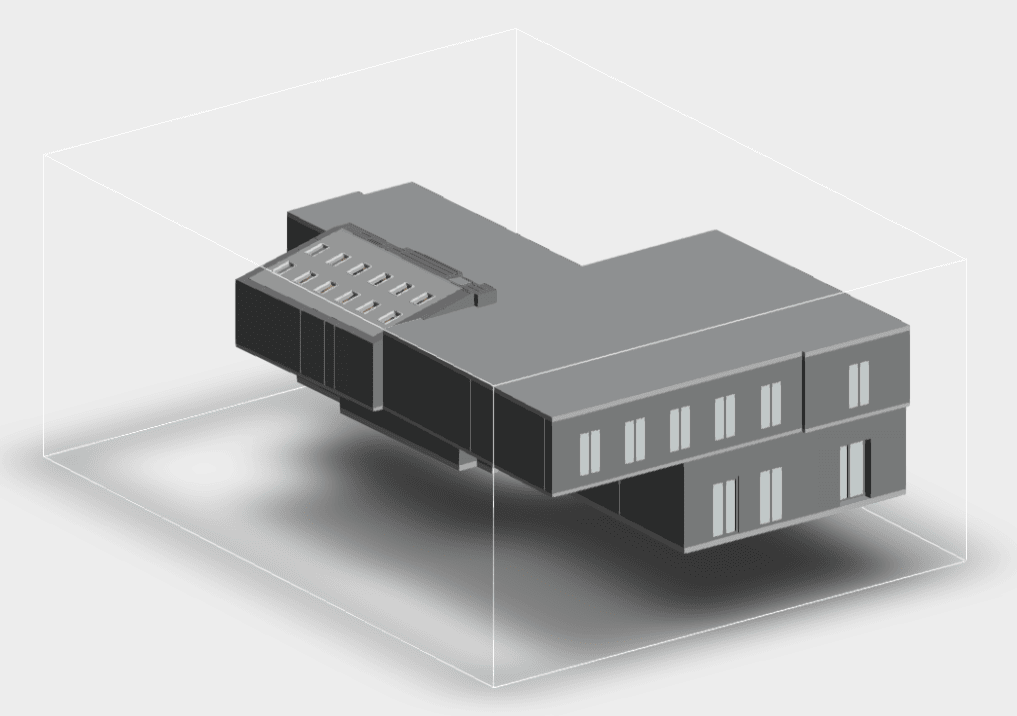
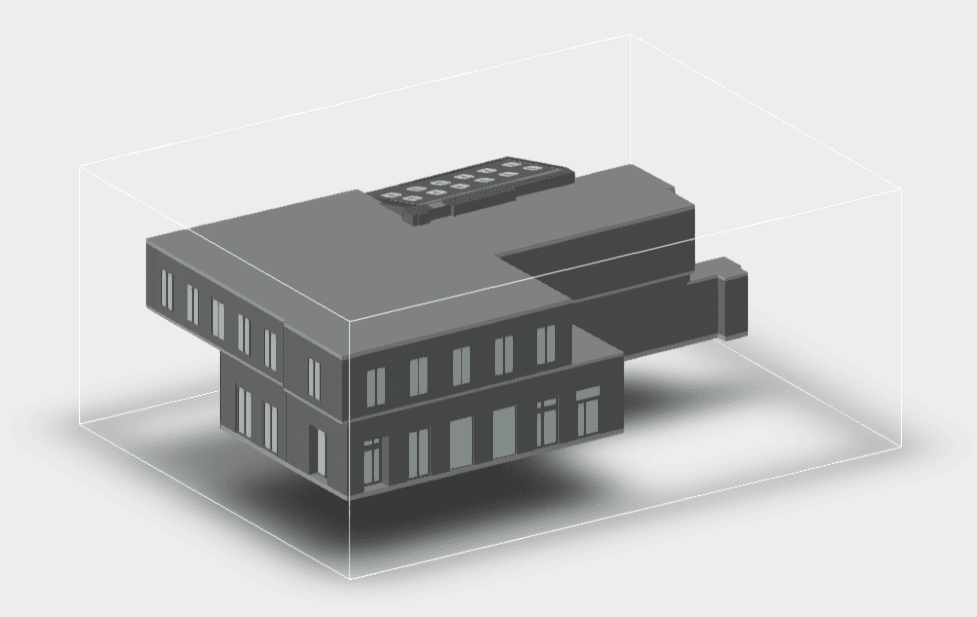
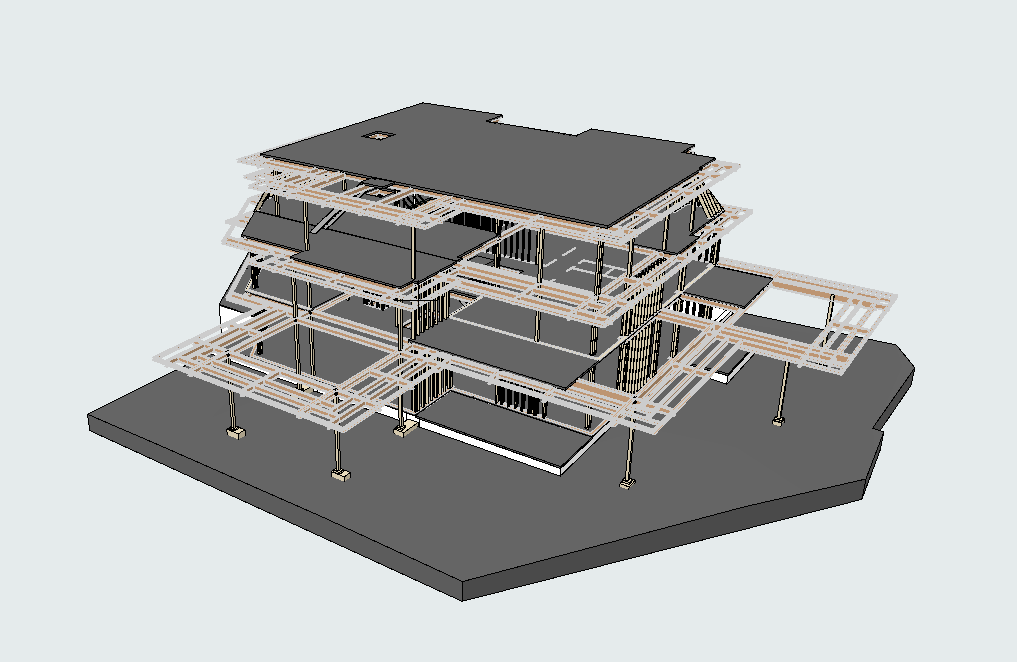
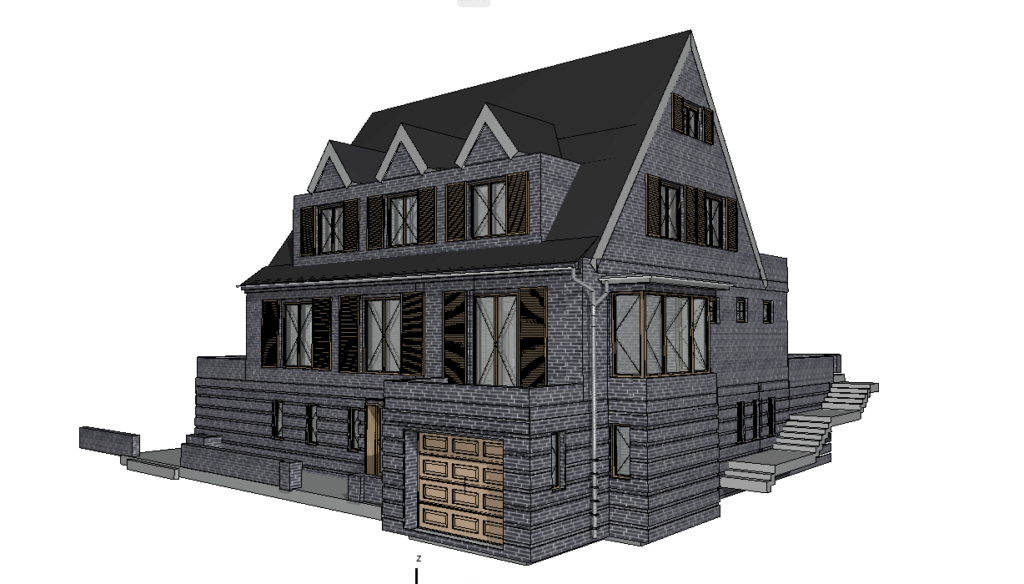
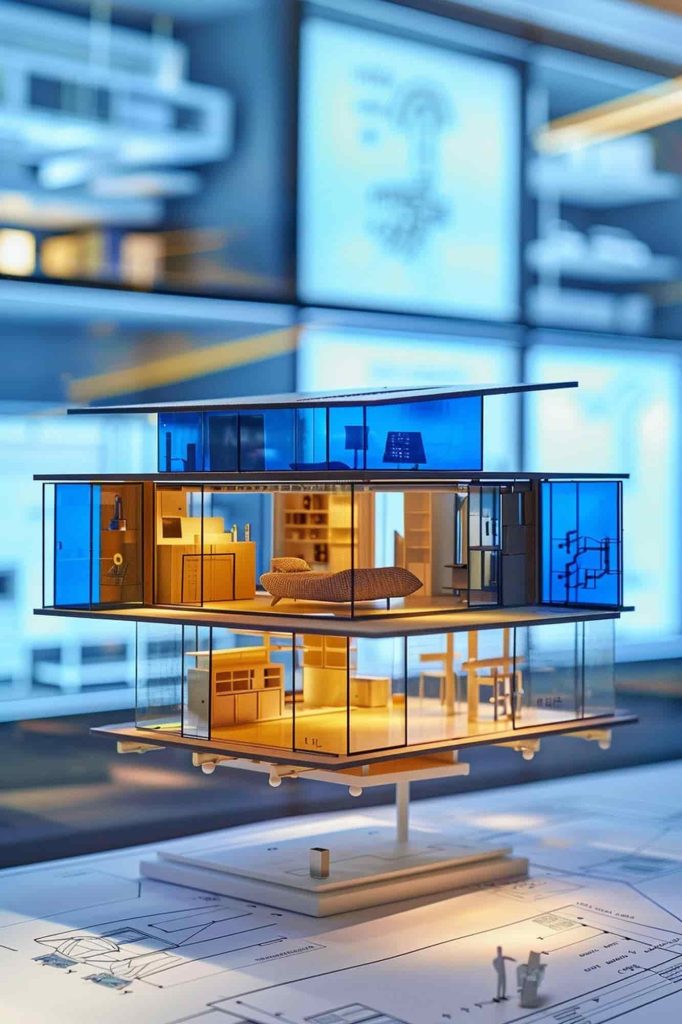
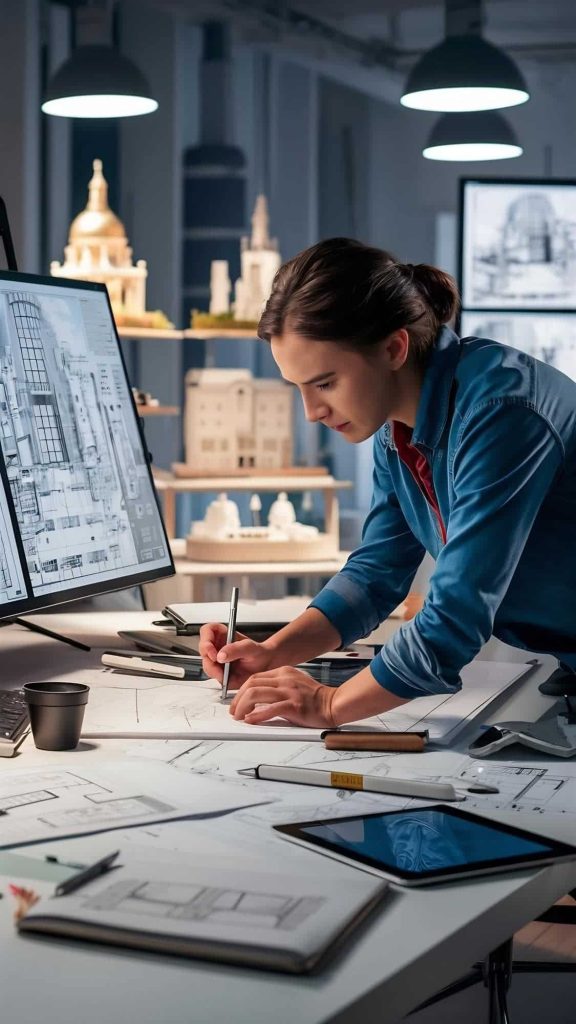
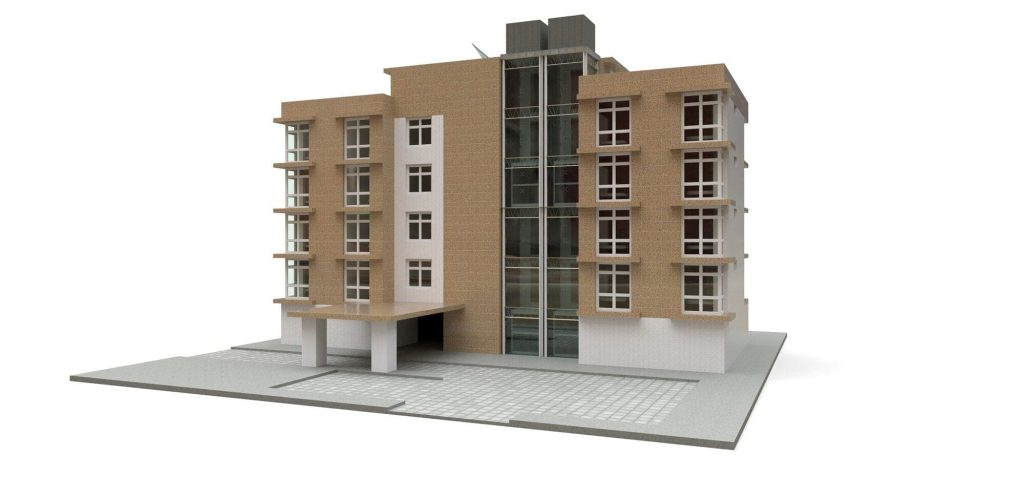
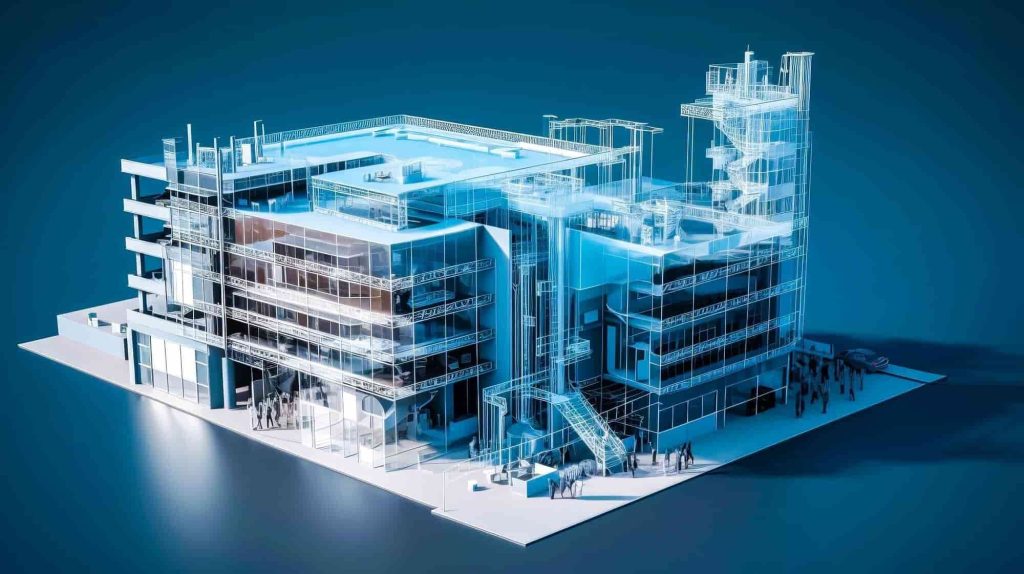
A detailed 3D BIM model showcasing modern space optimization for architectural design and smart building planning.
  • Maximized Space Utilization
    With BIM, designers can experiment with various layouts to find the most efficient use of space. For instance, office spaces can be designed to accommodate more workstations without compromising comfort or aesthetics. BIM’s capability to replicate real-world scenarios guarantees that every square foot is utilized effectively. 
  • Cost Savings
    Efficient space utilization reduces construction and operational costs. By pinpointing and removing redundant components, BIM enables clients to reduce costs while fulfilling their design objectives. Moreover, BIM’s precise cost analysis tools help avoid budget overruns by offering a detailed overview of material and labor costs. 
  • Enhanced Sustainability
    BIM supports eco-friendly design by integrating data on energy usage and environmental impact. This enables architects to design spaces that are not only efficient but also environmentally sustainable. For instance, by evaluating insulation and ventilation systems, designers can lower energy usage while enhancing thermal comfort. 
  • Future-Proofing Designs
    Structures created using BIM are better prepared to accommodate future requirements. Whether it’s expanding a facility or reconfiguring spaces, BIM models provide the flexibility needed to accommodate change. This adaptability makes BIM an essential tool for long-term planning and investment. 

Real-World Applications of BIM in Space Optimization 

  • Maximizing Office Layouts: In office design, every square foot matters. BIM technology enables architects to create layouts that maximize employee productivity while minimizing wasted space. By analyzing factors like traffic flow, workstation placement, and natural lighting, designers can craft environments that enhance collaboration and well-being. For example, open-plan designs can be balanced with private areas to suit diverse working styles. 
  • Optimizing Residential Spaces: From small apartments to sprawling homes, BIM models help homeowners and developers make the most of their spaces. By incorporating storage innovations, versatile furniture, and adaptable layouts, designers can craft homes that feel open and comfortable, even when space is limited. BIM also supports customizations to meet individual lifestyle needs. 
  • Streamlining Industrial Facilities: In industrial settings, efficient space planning is crucial for operational success. BIM technology helps optimize layouts for machinery, storage, and workflows, ensuring that facilities run smoothly and efficiently. By using BIM models to simulate operations, designers can pinpoint inefficiencies and make targeted improvements. 
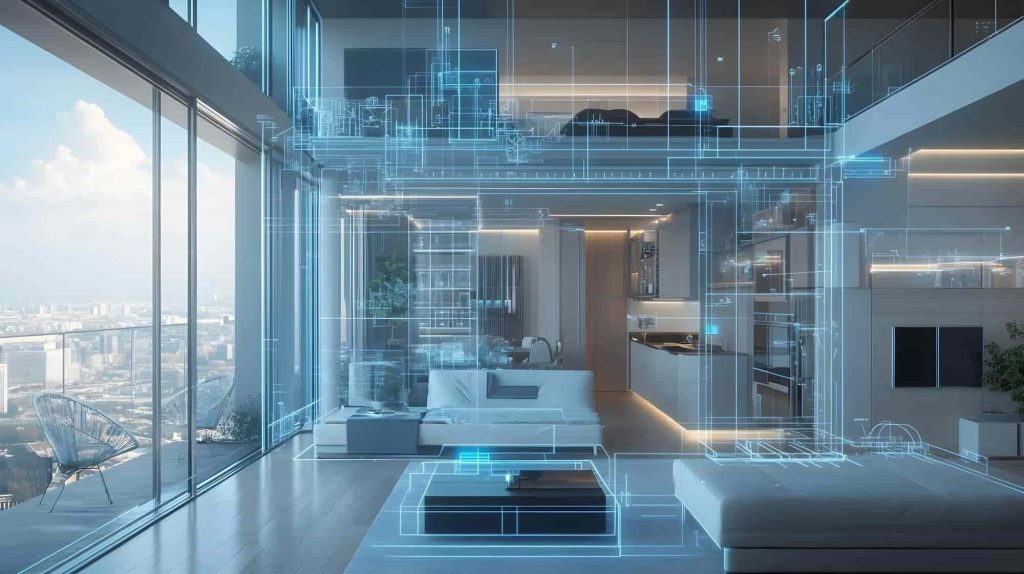
BIM digital overlay optimizing smart interior design.

How BIM Models Support Smart Building Design 

Smart buildings are the future of architecture, and BIM models are at the forefront of this innovation. By integrating data on IoT devices, energy systems, and building automation, BIM helps create intelligent spaces that adapt to user needs. 

Key features include: 

  • Energy Efficiency: BIM models analyze energy usage to design spaces that minimize consumption. For instance, systems can be optimized for peak performance during specific hours, reducing costs and environmental impact. 
  • Automated Systems: From lighting to HVAC, BIM integrates automated systems for enhanced functionality. These systems can react to real-time data, like modifying temperatures based on the number of occupants. 
  • User-Focused Design: Smart buildings emphasize occupant comfort by leveraging data-driven insights to craft ideal environments. This includes ergonomic layouts, intuitive navigation, and enhanced safety features. 

Why BIM Technology is Essential for Architects 

Architects face increasing pressure to deliver designs that are both innovative and practical. BIM technology addresses this challenge by offering tools that simplify complex processes. With BIM, architects can: 

  • Strengthen Collaboration
    Share comprehensive models with stakeholders to maintain alignment throughout the project. This minimizes delays and ensures that all stakeholders have a thorough understanding of the project. 
  • Reduce Errors
    Identify and resolve design issues before they become costly mistakes. BIM’s clash detection capabilities ensure seamless integration of structural, mechanical, and electrical components. 
  • Deliver Better Results
    Create spaces that are efficient, functional, and visually appealing. By utilizing data and advanced visualization, architects can surpass client expectations and create projects built to endure over time. 

Conclusion: Unlocking the Potential of BIM for Space Optimization 

BIM models have revolutionized the way architects and designers approach space optimization. By offering in-depth insights and fostering collaboration, BIM guarantees that each project reaches its maximum potential. From maximizing office layouts to supporting smart building design, the benefits of BIM are undeniable. 

As the demand for efficient and sustainable spaces continues to grow, embracing BIM technology is no longer optional—it’s essential. If you’re looking to optimize your building design, consider partnering with experts like ScanM2. With our expertise in laser 3D scanning and BIM modeling, we can help you turn your vision into reality.
Services

Check our activity on:

Using Laser Scans for Photorealistic 3D Rendering

What if you could bring your creative visions to life with a level of detail so precise, so realistic, that your audience feels as if they’re stepping into the scene? Laser scanning technology is making this possible, revolutionizing photorealistic 3D rendering for professionals across industries. Whether you’re an animator crafting immersive virtual worlds, or an architect showcasing your latest masterpiece, laser scanning offers the precision and efficiency to turn ideas into captivating realities. 
But what makes laser scanning so transformative? And how can it elevate your projects to new heights? Let’s dive into the incredible ways this technology is reshaping 3D rendering and why you should embrace it for your next project. 

What Is Laser Scanning and Why Is It a Game-Changer?

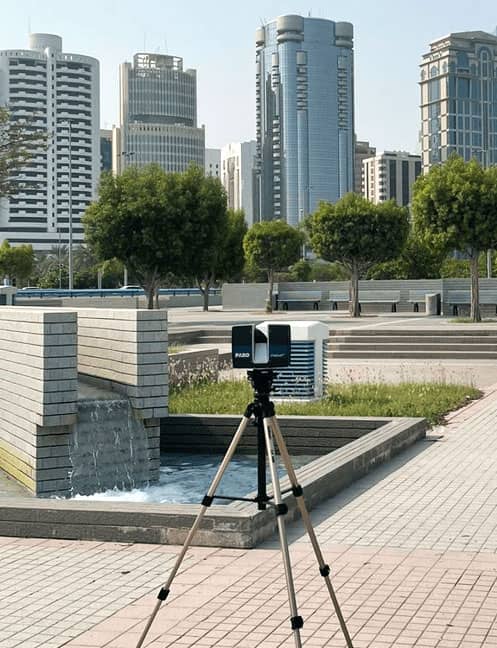
Laser scanning, often referred to as LiDAR (Light Detection and Ranging), serves as the cornerstone for creating some of the most lifelike 3D models in use today. It uses light pulses to measure distances and shapes with unparalleled accuracy. By scanning a physical space or object, it creates a dense “point cloud” of data that represents every surface, curve, and texture in stunning detail. 

Imagine capturing the essence of a grand cathedral or the rugged surface of an ancient statue—all with precision down to millimeters. This is what laser scanning delivers: a digital mirror of the real world, ready to be transformed into breathtaking visualizations. 

How Laser Scanning Works:

  • Data Capture: A laser scanner emits thousands of light pulses every second, bouncing off surfaces and returning precise measurements.
  • Point Cloud Generation: These measurements form a dense collection of data points that digitally represent the scanned environment.
  • Modeling and Rendering: The point cloud is processed to create accurate 3D models, ready for visualization or animation.

The Incredible Benefits of Laser Scanning for 3D Rendering

  • Unmatched Accuracy
    Accuracy is the cornerstone of photorealistic rendering. Laser scanning doesn’t just capture dimensions—it records the intricate details of surfaces, such as the roughness of a brick wall or the gleam of polished marble. This precision ensures that your 3D models are not only realistic but also immersive, leaving your audience in awe. 
  • Lightning-Fast Data Collection
    Gone are the days of spending weeks manually measuring spaces or recreating objects by hand. Laser scanning collects comprehensive data in hours, even for large or complex projects. This allows you to transition from initial concept to final creation more quickly than ever. 
  • Authentic Textures for Enhanced Realism
    Why settle for generic textures when you can replicate the exact look and feel of real-world surfaces? Laser scanning captures every nuance, allowing you to incorporate natural textures into your renderings. From the sheen of metal to the grain of wood, your visuals will exude authenticity. 
  • Seamless Integration into Your Workflow
    Whether you’re using Autodesk, Unreal Engine, or Blender, laser-scanned data integrates seamlessly with leading rendering tools. This compatibility eliminates tedious adjustments, letting you focus on your creative vision. 

Applications of Laser Scans in Photorealistic 3D Rendering

1. Real Estate and Architectural Presentations

Imagine inviting potential buyers to step into their dream home—virtually. With laser scanning, architects and real estate developers can create hyper-realistic visualizations that showcase every detail of a property, from the sunlight streaming through the windows to the texture of the flooring. 

Virtual tours become a storytelling tool, helping clients visualize not just a space, but the life they’ll live within it. For example, a luxury apartment complex can be previewed in various styles and finishes, helping clients personalize their future home. 

2. Museum and Heritage Virtual Tours

Virtual museum tour with 3D renderings from laser scanning.

What if you could visit the Parthenon or the Louvre from your living room? Laser scanning is making cultural treasures more accessible than ever. By digitally preserving artifacts and historical sites, museums can offer virtual tours that are as engaging as being there in person.

For instance, a laser-scanned replica of an ancient temple can transport viewers back in time, letting them explore every carved detail without leaving their homes. This is history recreated in a way that has never been seen before.

3. Creating Animations for Film and Gaming

Creating fantastical worlds or lifelike environments for movies and video games requires impeccable detail. Laser scanning provides animators with a rich foundation to build upon, ensuring every mountain peak, cityscape, or creature feels tangible. 

For example, a blockbuster movie set in a futuristic city can use laser-scanned environments to create a backdrop so vivid, viewers feel like they’re part of the story. The same goes for video games—players are fully immersed in worlds that feel alive. 

4. Industrial and Manufacturing Visualizations

Complex machinery and industrial sites are no match for laser scanning. By capturing every component in detail, engineers and manufacturers can create precise 3D models for training, simulations, and marketing. 

Consider a factory assembly line scanned and rendered in 3D—teams can use this model to test changes, troubleshoot issues, or even train new staff without disrupting operations. 

Why Choose Laser Scanning for Photorealistic 3D Rendering?

  • Cost-Effective Precision:
    While laser scanning might seem like a high-tech luxury, it’s actually a cost-saving solution. The initial cost of scanning quickly proves its value by minimizing the need for manual measurements, corrections, and revisions. For designers and animators, this means more time spent creating and less time fixing mistakes. 
  • Future-Ready Digital Assets:
    Laser-scanned models are more than just snapshots of the present—they’re tools for the future. The collected data can be revisited and utilized for modifications, extensions, or completely new projects. For architects, this means a scanned building can be modified years later without the need for new site visits. 
  • Immersive Storytelling:
    Audiences crave experiences that feel real, whether it’s a virtual walkthrough of a new home or an animated journey through a fantasy world. Laser scanning delivers the precision and detail essential for creating captivating and immersive stories. 
Photorealistic 3D rendering of a modern living room with laser scanning accuracy.

Conclusion: Unlock the Potential of Laser Scanning for Your 3D Rendering Projects 

By offering unparalleled accuracy and capturing even the finest details, it enables animators, architects, and designers to create visualizations that are both realistic and compelling. Whether it’s a lifelike animation, a virtual museum tour, or an architectural presentation, the possibilities with this technology are limitless. 

At SCANM2, we’re passionate about helping creative professionals harness the power of laser scanning. Our expertise guarantees that each scan provides the accuracy and quality required to transform your vision into reality. We collaborate closely with you to provide detailed data that seamlessly integrates into your workflow, making your projects smoother, faster, and more accurate.

Check our activity on:

3D Scanning and BIM Integration: Revolutionizing Smart Building Design 

The construction and architecture industries are constantly evolving, driven by the need for greater efficiency, sustainability, and technological integration. Among the most significant advancements reshaping these fields are 3D scanning and Building Information Modeling (BIM) integration. Together, these technologies have proven to be game-changers, offering architects, engineers, and developers new ways to design, manage, and optimize smart buildings. 

This article explores how 3D scanning and BIM integration are transforming smart building design, providing a detailed look at the benefits, applications, and future potential of these cutting-edge tools. 

Understanding 3D Scanning and BIM

3D scanning leverages laser technology to accurately measure and document the dimensions and intricate details of physical environments. By generating a digital point cloud, 3D scanning creates highly accurate representations of buildings, structures, or environments. This data is invaluable for projects that require precision, such as renovations, restorations, or the development of smart buildings. 

In contrast, BIM serves as a digital methodology designed to oversee and manage every stage of a building’s lifecycle. Unlike traditional 2D plans, BIM provides a 3D model enriched with data about every component of a structure. From materials and dimensions to energy performance and maintenance schedules, BIM offers a comprehensive view of a building’s functionality. 

When combined, 3D scanning and BIM integration form a powerful duo. The data captured by 3D scanners can be seamlessly integrated into BIM software, creating a foundation for accurate, efficient, and innovative building designs. 

Why 3D Scanning and BIM Integration Are Essential for Smart Buildings 

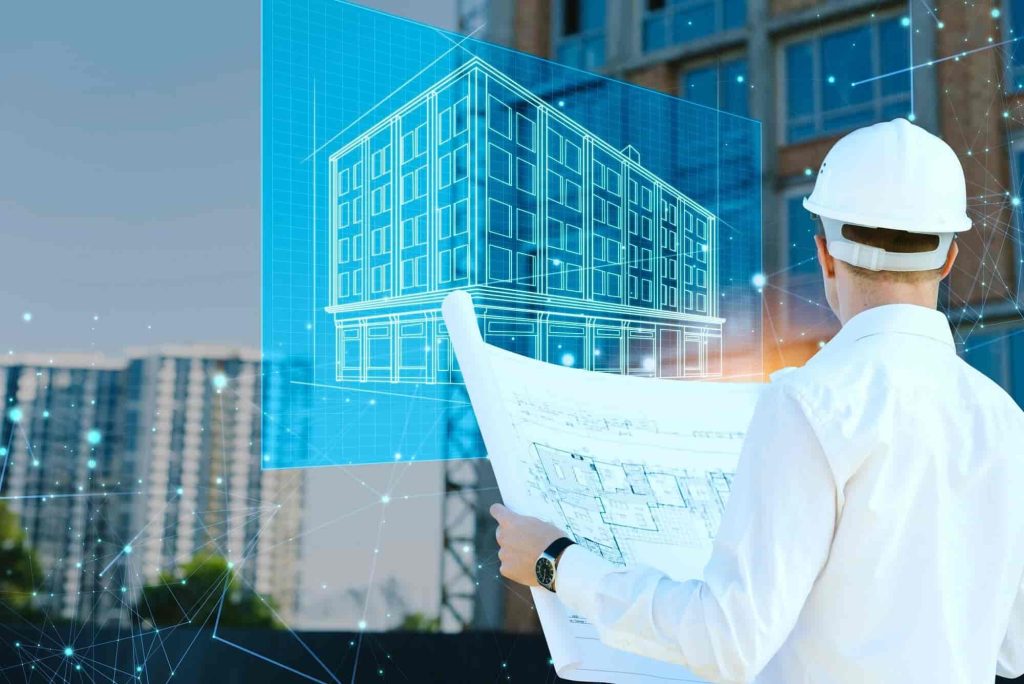
Smart building with IoT and BIM integration for automation and efficiency.

Smart buildings are designed to be more energy-efficient, adaptable, and connected than traditional structures. To achieve these goals, accurate and detailed data is crucial. This is where 3D scanning and BIM integration shine. By capturing real-world conditions and turning them into actionable digital models, these technologies enable the creation of intelligent systems that optimize building performance.

For instance, smart buildings frequently integrate sophisticated HVAC systems, automated lighting solutions, and advanced energy management technologies. To design and implement these systems effectively, designers need precise measurements of the building’s layout and structure. 3D scanning provides this data, while BIM ensures it can be used to simulate and plan the integration of these technologies. 

Real-World Applications of 3D Scanning and BIM in Smart Building Design 

The applications of 3D scanning and BIM integration are vast, but their impact is particularly evident in smart building projects. Consider the following scenarios: 

  • Renovating Existing Structures: In older buildings, understanding the existing conditions is critical for modernization. 3D scanning captures every detail of the current structure, providing a reliable basis for BIM models that guide renovation efforts. 
  • Optimizing Energy Efficiency: Smart buildings are designed to minimize energy consumption. BIM models, created using 3D scanning data, allow designers to simulate energy use and identify areas for improvement, such as better insulation or more efficient HVAC systems. 
  • Enhancing Collaboration: Modern construction projects involve multiple stakeholders, from architects to contractors. BIM delivers a centralized digital model, ensuring all stakeholders operate with consistent information, minimizing errors and enhancing collaboration. 

These examples illustrate how 3D scanning and BIM integration can simplify complex projects while delivering superior results. 

The Role of Technology in Smart Building Success 

Technology serves as the backbone of smart buildings, enabling the integration of systems that communicate and adapt to user needs. In the context of smart building design, 3D scanning and BIM play pivotal roles by offering the precision and data needed to bring complex designs to life. 

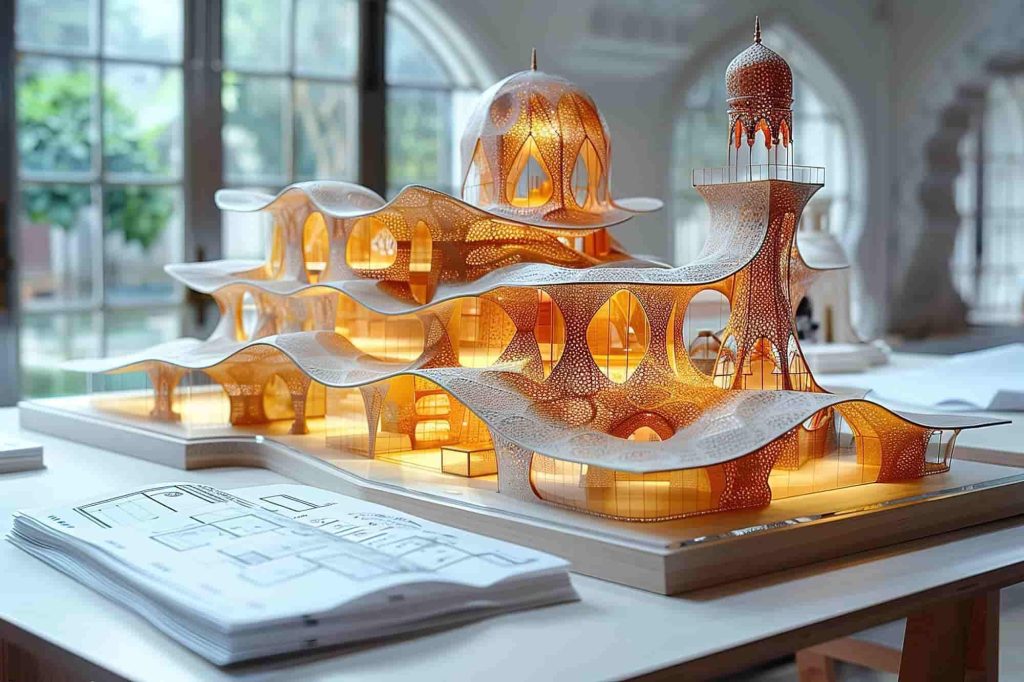
Futuristic smart building model with integrated BIM and IoT systems for automation and sustainability.

One of the most significant technological contributions is real-time data analysis. Smart buildings rely on data to function efficiently, from monitoring energy usage to controlling lighting systems. By using BIM, architects and engineers can simulate these functions during the design phase, ensuring that the building operates optimally once constructed.

Additionally, digital twins are becoming increasingly significant.

These virtual replicas of buildings are developed using BIM models. Paired with 3D scanning, digital twins allow real-time monitoring of a building’s systems, offering insights into maintenance needs and performance optimization. This technology not only improves building efficiency but also extends its lifespan by enabling predictive maintenance. 

Additionally, automation technologies such as AI-driven tools and IoT devices depend heavily on accurate modeling and precise placement. For example, integrating smart HVAC systems or automated security protocols requires a detailed understanding of the building’s layout, something only achievable with data collected through 3D scanning and processed through BIM. 

In essence, the role of technology in smart building success is to provide a seamless blend of functionality, sustainability, and user convenience, with 3D scanning and BIM serving as the foundational pillars. 

Overcoming Challenges with 3D Scanning and BIM 

While the integration of 3D scanning and BIM is transformative, it is not without its challenges. One major challenge is the substantial upfront cost associated with acquiring both the necessary hardware and software. High-quality 3D scanners and advanced BIM tools can be expensive, and their cost might deter smaller firms from adopting them. 

Another obstacle is the intricate process of integrating data seamlessly. Combining 3D scanning data with existing BIM models requires meticulous attention to detail to ensure accuracy. Inconsistencies between scanned data and modeled components can result in errors that may be expensive to correct. To address this, professionals need proper training and experience in using these tools. 

Collaboration between stakeholders can also be a challenge. Since BIM models serve as a centralized platform, all parties involved in the project must adopt compatible technologies and workflows. Misalignment in software or data formats can create roadblocks in an otherwise seamless process. 

Finally, data security is a growing concern. With smart buildings increasingly dependent on digital systems, safeguarding sensitive data against cyber threats is of paramount importance. BIM models often contain comprehensive details about a building’s design, making them attractive targets for cyberattacks. Implementing strong cybersecurity measures is vital to effectively addressing this challenge. 

Despite these challenges, the long-term advantages of combining 3D scanning and BIM significantly surpass the initial hurdles. With ongoing advancements in software, affordability, and training programs, these challenges are becoming increasingly manageable, paving the way for wider adoption in the construction industry. 

The Future of Smart Buildings

With the rising demand for smart buildings, the importance of 3D scanning and BIM integration is set to increase even further. Advancements in these technologies are expected to emphasize automation and the real-time processing of data. Imagine a future where drones equipped with 3D scanners can capture a building’s dimensions autonomously, or where BIM software can analyze data and suggest design improvements automatically. 

By adopting these innovations, architects and engineers can design buildings that are both highly efficient and better equipped to meet the needs of their occupants. The future of smart buildings is bright, and 3D scanning and BIM integration are lighting the way. 

Digital visualization of a smart home with BIM integration and IoT controls displayed on a tablet.

Conclusion 

The integration of 3D scanning and BIM represents a fundamental shift in how buildings are designed, constructed, and managed. These technologies allow architects and engineers to achieve unparalleled accuracy, foster collaboration, and create structures that are both innovative and sustainable. In the context of smart buildings, the value of this integration is even more pronounced, as it enables the seamless incorporation of cutting-edge systems and technologies. 

Additionally, the flexibility of 3D scanning and BIM guarantees that smart buildings are prepared to adapt to future advancements. As new technologies emerge, these tools provide a flexible foundation that allows for upgrades without significant disruptions. Such adaptability is essential in a rapidly evolving world where technological progress continues at an accelerating pace. 

For developers, embracing 3D scanning and BIM integration is more than an investment in technology—it’s a commitment to delivering smarter, more efficient, and more sustainable solutions. As industries increasingly prioritize innovation and environmental stewardship, these tools stand out as essential components of modern construction. 

In the end, the success of smart buildings hinges on the effective utilization of advanced technology. By integrating 3D scanning and BIM, the construction industry is paving the way for a future where buildings are not just structures but intelligent ecosystems designed to enhance the quality of life for their occupants. This transformative potential makes these tools indispensable for anyone looking to shape the built environment of tomorrow.

Services

Check our activity on:

How Structural Engineers Use 3D Scanning for Load Calculation 

In today’s rapidly evolving construction and engineering sectors, innovative technologies like 3D scanning and Building Information Modeling (BIM) are redefining the way professionals approach building inspections and structural analysis. These tools are not just enhancing accuracy but are also streamlining workflows, ensuring that projects meet both safety standards and client expectations. 

The Role of 3D Scanning in Building Inspections 

3D scanning has become a cornerstone technology in structural engineering and building inspections. Using laser scanning devices, professionals can capture precise, high-resolution data of a structure’s physical characteristics. This information is utilized to generate precise point clouds that form the basis for in-depth analysis. 

Key Benefits of 3D Scanning for Inspections 

  • Accurate Measurements: Laser scanning provides precise dimensions of a building, enabling engineers to assess structural integrity and stability. 
  • Time Efficiency: Traditional inspection methods can be time-consuming and error-prone. 3D scanning simplifies the process, allowing for quicker data acquisition. 
  • Comprehensive Documentation: The resulting point cloud data offers a complete digital record of the structure, aiding in both current and future inspections. 
  • Non-Intrusive Method: In contrast to traditional techniques, 3D scanning significantly reduces interruptions to building activities and occupants. 

With these advantages, 3D scanning is particularly valuable for aging buildings and structures requiring frequent assessments to ensure ongoing stability. 

Engineer reviewing 3D models and building plans for structural analysis.

BIM Integration: The Next Step in Structural Analysis 

Building Information Modeling (BIM) takes the data generated by 3D scanning and elevates it into actionable insights. BIM software creates 3D models that incorporate critical information, such as material properties, load distribution, and structural connections, offering engineers and architects a holistic view of a building. 

How BIM Enhances Building Inspections 

  • Streamlined Collaboration: BIM platforms enable seamless sharing of 3D models among stakeholders, ensuring everyone has access to the latest data. 
  • Enhanced Load Calculation: Engineers can simulate various load scenarios to assess the building’s response, aiding in structural load distribution analysis. 
  • Enhanced Decision-Making: Detailed 3D models enable teams to spot potential problems early, minimizing the likelihood of expensive repairs or project delays. 
  • Historical Data Integration: BIM allows for the integration of past inspection data, offering a comprehensive lifecycle view of the building. 

By merging 3D scanning with BIM, engineers gain a powerful toolkit to not only inspect but also future-proof buildings against potential structural challenges. 

Applications in Structural Engineering 

Engineer conducting a building inspection with structural analysis in progress.

Load Calculations and Structural Stability 
Accurate load calculations are essential for maintaining building stability. Using point cloud data from 3D scans, engineers can perform precise load assessments. These calculations help identify stress points, ensuring the structure can safely handle its intended load distribution. 

Retrofits and Renovations 
For older buildings, 3D scanning and BIM provide invaluable insights into structural conditions. This data supports retrofits and renovations by highlighting areas needing reinforcement and ensuring the compatibility of new materials with existing structures. 

Disaster Recovery and Risk Assessment 
After events like earthquakes or hurricanes, 3D scanning enables rapid assessment of structural damage. Combined with BIM, this information aids in devising effective recovery strategies and strengthening buildings against future risks. 

The Workflow: From 3D Scans to BIM Models 

The process of integrating 3D scanning with BIM involves several critical steps that ensure accurate and actionable results: 

Step 1: Initial Site Assessment and Scanning 

Before scanning begins, the site is evaluated to determine the most effective scanning strategy. Factors like the building’s size, complexity, and condition are considered. Advanced laser scanners are used to collect millions of data points, producing a highly accurate and detailed point cloud representation of the structure. This process is both rapid and non-invasive, allowing data collection without interrupting normal building operations. 

Step 2: Processing Point Cloud Data 

The raw point cloud data is transferred to specialized software for processing. During this phase, the data is cleaned to remove noise and irrelevant details, ensuring only the most accurate and essential information is retained. The refined point cloud is then organized into a coherent format, ready for integration into BIM platforms. 

Step 3: Creating the BIM Model 

The processed point cloud data is imported into BIM software, where it is used to generate a 3D model of the building. The model incorporates geometric details along with supplementary data, including material properties, structural load limits, and mechanical systems. Developing a BIM model converts raw data into a complete and detailed digital representation of the building. 

Step 4: Structural Analysis and Simulation 

Once the BIM model is complete, engineers perform in-depth analyses to assess the building’s structural integrity. Load simulations and stress tests are conducted to evaluate the building’s performance under various conditions. These analyses help identify potential weak points and inform decisions on necessary reinforcements or modifications. 

Step 5: Reporting and Collaboration 

The final BIM model and analysis results are shared with project stakeholders. This cooperative method guarantees that architects, engineers, and building owners receive consistent and dependable information. The BIM model acts as a key resource for continuous maintenance and future project planning. 

Future of Building Inspections: Why Invest in 3D Scanning and BIM? 

The integration of 3D scanning and BIM offers unparalleled opportunities to modernize building inspections and structural analysis. These technologies bring precision and efficiency to every stage of the inspection process, making them indispensable for the future of the industry. 

One of the most significant advantages is the ability to capture and store highly accurate digital representations of structures. These digital records reduce reliance on paper documentation and enable engineers to revisit detailed data long after the initial inspection. This long-term value is particularly useful for managing aging infrastructure, where consistent monitoring is critical. 

Moreover, 3D scanning and BIM integration contribute to substantial cost savings. Detecting potential structural issues early allows building owners to resolve them before they develop into significant repair needs. This forward-thinking strategy reduces downtime, keeping buildings operational and safe with minimal interference in daily activities. 

The sustainability benefits of digital inspections are also noteworthy. By reducing the need for physical resources and streamlining workflows, these technologies align with eco-friendly practices in the construction and engineering industries. Moreover, the predictive features of BIM simplify maintenance planning, helping to prolong building lifespans and minimize waste

Most importantly, the integration of 3D scanning and BIM equips stakeholders with reliable data to make well-informed decisions. This degree of clarity and assurance guarantees that projects adhere to the highest safety and efficiency standards, establishing a new industry benchmark. 

Conclusion: A New Era of Structural Analysis 

Building inspections and structural engineering are entering a transformative era, driven by the integration of 3D scanning and BIM technologies. These tools enable engineers and architects to approach challenges with unprecedented accuracy and confidence, ensuring that buildings meet the demands of modern safety and efficiency standards. 

3D architectural model for structural analysis and design.

Beyond their direct uses, 3D scanning and BIM open the door to more intelligent and sustainable approaches to building management. By offering detailed insights and predictive capabilities, these technologies support proactive decision-making, reducing costs and enhancing long-term structural stability.

For architects, engineers, and building owners, embracing these technologies represents a forward-looking investment in the future of the built environment. 

If you’re prepared to enhance your building inspections and structural analysis, scanm2.com offers professional solutions customized to meet your requirements. Allow us to guide you in confidently embracing the future of construction and engineering.

Check our activity on:

Building Inspections and BIM Integration for Enhanced Analysis

Thorough building inspections are essential for maintaining the safety, operational efficiency, and durability of structures. Over time, advancements in technology have transformed the methods used to carry out inspections. Today, the integration of Building Information Modeling (BIM) with cutting-edge tools like 3D scanning and LiDAR has revolutionized the process, offering unparalleled precision and efficiency. This article explores the transformative potential of BIM in building inspections, highlighting how it enhances structural analysis and data-driven decision-making for construction professionals. 

Expanding the Scope of Building Inspections

Traditional building inspections relied heavily on manual evaluations and visual assessments. Although suitable for their era, these approaches frequently allowed for errors and inefficiencies to persist. With the advent of BIM, inspections have become more data-driven and holistic. BIM facilitates the development of detailed digital models that act as a centralized hub for all building-related information. 

Architect drafting designs with BIM models.

Incorporating BIM into building inspections transforms how professionals approach every aspect of the process: 

  • Enhanced Visualization: BIM models provide a 3D representation of structures, allowing inspectors to identify issues that might otherwise remain hidden. 
  • Data Integration: All relevant information—from material specifications to structural dimensions—is stored in one accessible platform. 
  • Proactive Problem-Solving: Advanced analytics integrated with BIM facilitate early detection of potential issues, minimizing risks and costs. 

For construction firms, these capabilities are indispensable, especially as projects grow increasingly complex and regulations become more stringent. 

The Power of LiDAR and 3D Scanning in Inspections 

LiDAR (Light Detection and Ranging) and 3D scanning technologies are at the heart of modern building inspections. These tools generate highly accurate data, producing detailed point clouds that can be seamlessly integrated into BIM models. The integration of LiDAR, 3D scanning, and BIM introduces an unprecedented standard of accuracy and efficiency. 

How LiDAR and 3D Scanning Enhance Inspections: 

  • Comprehensive Data Capture: From small details to large-scale structural elements, every aspect of a building is documented accurately. 
  • Speed and Scalability: Large areas can be scanned in a fraction of the time required for manual inspections. 
  • Accessibility: Even challenging or hazardous locations can be assessed safely using remote scanning tools. 
  • Visualization: The resulting point cloud data allows inspectors to examine buildings from multiple perspectives, ensuring no detail is overlooked. 

These advantages are particularly impactful in the context of aging infrastructure or disaster-prone areas, where accurate data is crucial for effective decision-making. 

Advanced BIM Tools for Structural Analysis 

Structural analysis is a cornerstone of building inspections. This process evaluates a structure’s integrity, stability, and overall performance across different conditions. With BIM integration, this process becomes significantly more precise and efficient. By combining structural analysis software with BIM, professionals can simulate real-world scenarios and predict how a building will behave over time. 

Key Capabilities of BIM-Driven Structural Analysis: 

  • Stress Testing: Simulations identify stress points under different loads, enabling engineers to reinforce vulnerable areas. 
  • Material Assessment: BIM models incorporate material data, helping professionals evaluate the durability and performance of construction materials. 
  • Environmental Impact Analysis: Tools simulate environmental conditions such as wind, earthquakes, and temperature changes, ensuring buildings can withstand external forces. 

These capabilities are invaluable for both new constructions and renovations, especially in regions with stringent building codes or challenging environmental conditions. 

Why Accurate Data is Crucial for Building Inspections 

Architects reviewing 3D BIM models for building inspections and planning.

Accurate data forms the foundation of effective building inspections. Inaccuracies can lead to costly mistakes, safety hazards, and compliance issues. The integration of BIM with advanced scanning technologies addresses these challenges by delivering a new standard of precision. 

The Long-Term Value of Accurate Data: 

  • Error Reduction: By automating measurements and documentation, BIM eliminates human error. 
  • Data Retention: BIM models serve as living documents that evolve with the building, providing a continuous source of reliable information. 
  • Informed Decision-Making: Reliable data empowers project stakeholders to make confident and well-grounded decisions. 
  • Regulatory Compliance: BIM ensures that inspections adhere to local and national building standards, reducing the risk of legal complications. 

Moreover, the data captured during inspections can be repurposed for future needs, such as renovations, retrofits, or disaster recovery efforts. For example, a detailed BIM model created during an inspection can guide emergency repairs or long-term restoration projects. 

Creating a Culture of Precision 

The construction industry is increasingly recognizing the importance of accurate data in inspections. As more firms adopt BIM, they are setting a precedent for quality and reliability that will shape the future of the industry. In this context, BIM is not just a tool but a catalyst for innovation, driving better outcomes for all stakeholders involved. 

Practical Applications of BIM Integration

Preserving Historic Landmarks 
BIM and 3D scanning have revolutionized the preservation of historic buildings across the U.S. By creating digital twins of these structures, preservationists can ensure that restorations respect the original design while incorporating modern safety standards. Enhancing Commercial Real Estate 

For commercial property owners and managers, BIM simplifies routine inspections and maintenance. Detailed models streamline planning for repairs, renovations, and tenant improvements, ensuring minimal disruption to operations. 

Supporting Disaster Recovery 
In disaster-prone regions, such as coastal areas vulnerable to hurricanes, BIM-integrated inspections enable faster, more effective assessments of damaged buildings. This accelerates recovery efforts and ensures that rebuilding efforts meet current safety standards. 

Optimizing Pre-Construction Planning 
Before new construction begins, BIM integration allows teams to identify potential issues early. BIM delivers valuable insights into site conditions and structural issues, helping to minimize risks and maximize resource efficiency. 

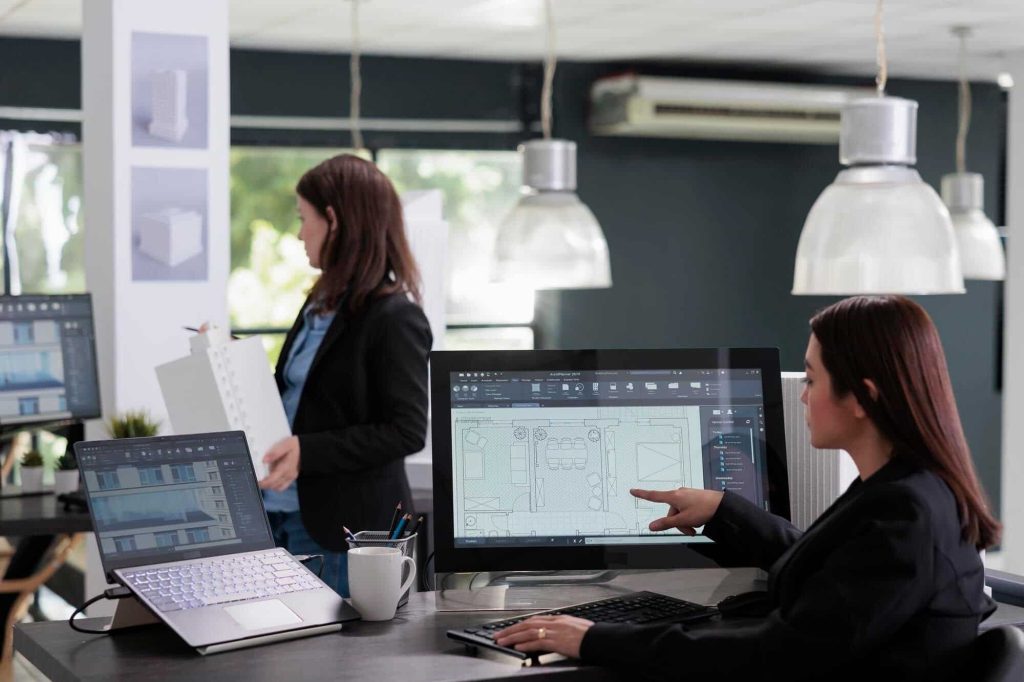
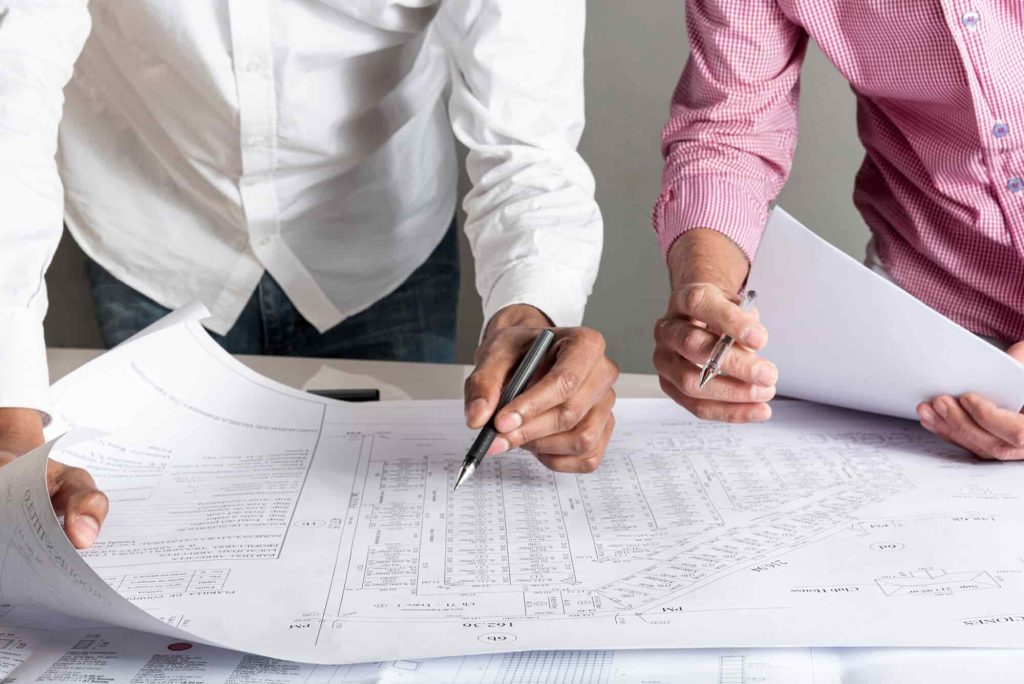
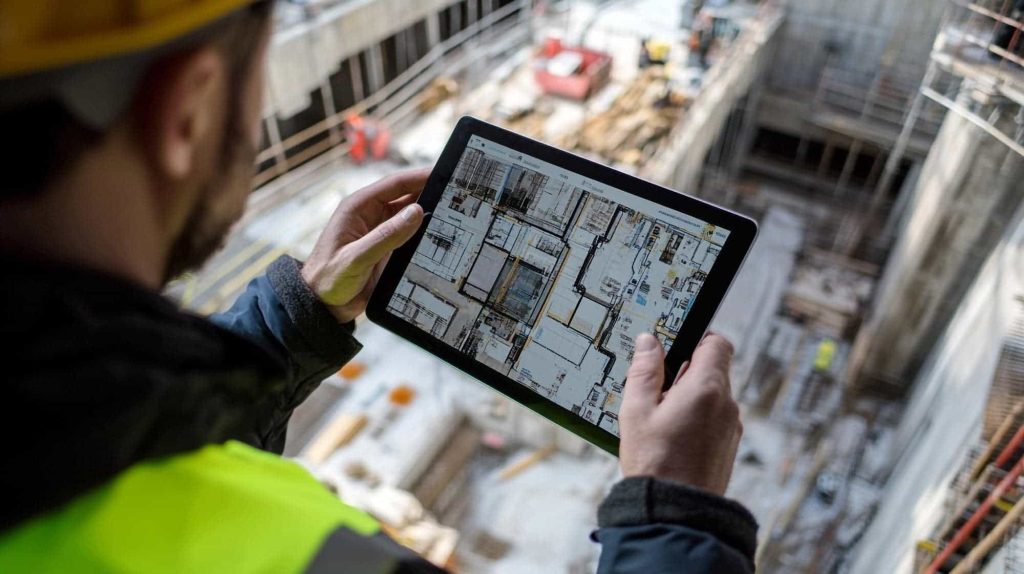
Engineers reviewing building blueprints with BIM tools for enhanced structural analysis and inspections.

Conclusion: A New Era for Building Inspections 

The integration of BIM with 3D scanning and LiDAR technologies marks a significant evolution in building inspections. By providing accurate, detailed, and actionable insights, these tools empower professionals to improve safety, reduce costs, and enhance collaboration. 

With the construction and engineering sectors increasingly adopting digital innovations, BIM-driven inspections are poised to become the industry norm. This transformation not only tackles present-day challenges but also paves the way for a more durable and sustainable future. By adopting these technologies now, professionals can secure their position as leaders in innovation for years to come.

Services

Check our activity on:

3D Models for Structural Damage Analysis in Building Inspections 

The way we inspect buildings has undergone a revolution in recent years. Traditional methods, while effective in their time, often fall short of delivering the accuracy and detail needed to fully understand structural damage. This gap has been filled by advanced technologies like 3D modeling and laser scanning, which are now at the forefront of structural damage analysis. These tools not only provide unparalleled insights but also make the inspection process more efficient and reliable. In this article, we dive into how these technologies work and why they’re becoming indispensable for building professionals. 

The Critical Importance of Structural Damage Analysis 

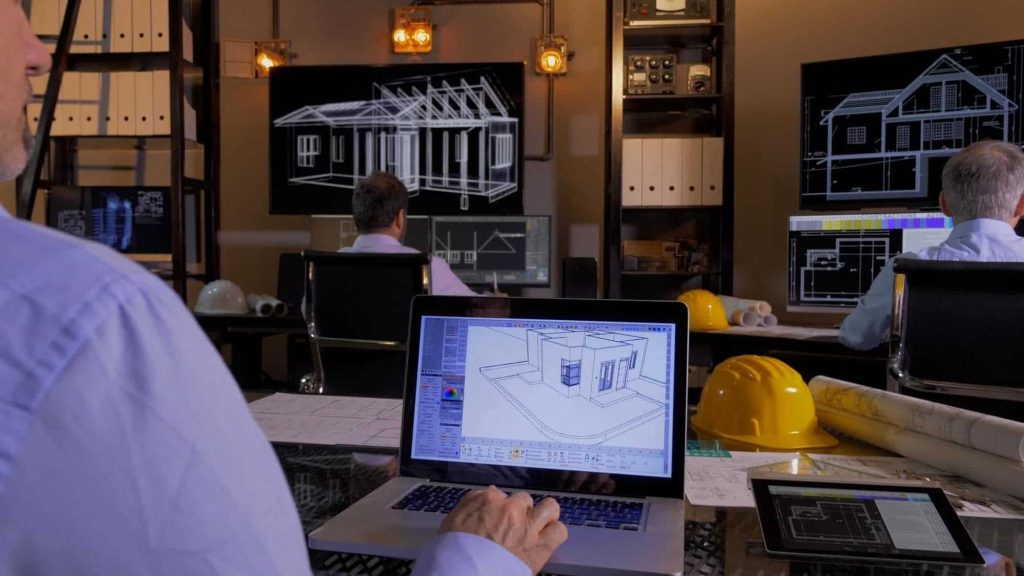
Engineers using 3D modeling software for structural analysis and building design in a modern workspace.

Every building has a story to tell, and structural damage is often a key chapter. Whether caused by natural disasters, aging, or design flaws, damage can compromise a building’s safety and functionality.

Timely identification and precise evaluation are essential for avoiding major failures and reducing the expenses associated with repairs. But conventional inspection techniques often struggle to uncover hidden issues or provide a comprehensive picture. 

This is where 3D models shine. They capture the intricate details of a structure, making it easier to identify weaknesses, track changes over time, and develop effective repair strategies. By combining cutting-edge laser scanning with expert analysis, these models offer a window into a building’s true condition. 

How 3D Models Enhance Building Inspections 

Imagine walking through a virtual replica of a building, where every beam, joint, and crack is rendered in stunning detail. That’s the power of 3D modeling. By transforming raw data into visually rich digital models, inspectors can dive deep into structural analysis without ever setting foot on-site. These models do more than just look impressive; they offer actionable insights that can make or break a project. 

For instance, consider the challenge of assessing damage to a complex structure like a high-rise building or an industrial facility. Traditional inspection methods might miss small but critical issues, such as hairline cracks or slight misalignments. A 3D model, however, provides a comprehensive view that includes even the smallest anomalies. This enables inspectors to not only locate the problem but also understand its potential impact on the overall structural integrity. 

Moreover, 3D models allow for simulations and stress tests to be performed digitally. Engineers can use the data to evaluate how different repair strategies might affect the building’s performance over time. Such predictive analysis plays a crucial role in guaranteeing safety and reliability over the long term. 

Why Accurate Reports Matter 

A detailed report isn’t just a formality—it’s the foundation for effective decision-making. Reports generated from 3D models offer unparalleled clarity and precision, setting a new standard in detail and accuracy. They’re not just about documenting damage; they’re about telling the story of the building in a way that’s actionable and meaningful. 

For instance, when assessing structural damage after a natural disaster, the details matter. An accurate report can specify the extent of damage, the materials affected, and the urgency of required repairs. This enables property owners, engineers, and contractors to prioritize tasks and efficiently distribute resources. 

In addition to clarity, these reports also offer quantifiable data. Measurements taken from 3D scans are precise, allowing for exact cost estimations and repair schedules. This is particularly useful in insurance claims or legal disputes, where evidence needs to be indisputable. A high-resolution 3D rendering included in the report can visually demonstrate the condition of the structure, making it easier to convey complex information to stakeholders. 

Another advantage is the speed at which these reports can be generated. With automated data analysis tools, the time between inspection and actionable insights is significantly reduced. This means less downtime for property owners and faster responses to urgent structural issues. 

Applications That Are Changing the Game

After Natural Disasters
Following disasters such as hurricanes or earthquakes, rapid response becomes critical. Rapid assessments are crucial for prioritizing repairs and ensuring public safety. 3D models created from laser scans can quickly reveal the extent of the damage, enabling informed decisions. 

Aging Structures 
Just as people experience wear and tear over time, buildings also exhibit signs of aging. 3D scanning provides a clear picture of how a structure is holding up over time. By comparing scans taken at different intervals, engineers can identify patterns of deterioration and predict future issues. 

Renovation and Retrofitting 
Before you can fix or upgrade a building, you need to know exactly what you’re working with. 3D models offer a precise map of the existing structure, ensuring renovations are planned and executed with confidence. This helps minimize the likelihood of unexpected and expensive issues in the future. 

Legal and Insurance Documentation 
When disputes arise over structural damage, having a 3D model can be a game-changer. It provides irrefutable evidence of a building’s condition, which can be critical for settling insurance claims or legal cases. 

The Future of Building Inspections 

3D model of a modern building showcasing structural details for damage analysis and inspection.

The integration of 3D modeling and laser scanning into building inspections is just the beginning. New advancements, such as artificial intelligence (AI) and machine learning, are poised to revolutionize the field of structural damage analysis.

These advancements could enable predictive analytics, automated damage detection, and real-time monitoring, making inspections even more precise and proactive. 

For example, imagine a system that not only identifies a crack in a beam but also predicts when it might fail based on historical data and environmental conditions. This level of foresight could revolutionize maintenance planning and significantly reduce risks. 

Conclusion 

The field of building inspections is undergoing significant change, with 3D models leading the way in this transformative process. By providing detailed, accurate, and actionable insights, they empower professionals to tackle structural challenges with confidence. 3D modeling and laser scanning significantly improve inspection accuracy while simplifying the process, resulting in time and resource savings. 

With ongoing technological advancements, the potential for structural damage analysis continues to grow. Incorporating AI and predictive analytics is expected to enhance the reliability and efficiency of inspections even further. Whether you’re a property owner, engineer, or contractor, leveraging these tools will be critical for navigating the complexities of modern construction and maintenance. 

3D models aren’t just tools; they’re partners in ensuring safety, sustainability, and success. Embracing these technologies not only ensures your projects are future-ready but also helps create a safer and more intelligent built environment.

Check our activity on:

Precision in Building Inspections with As-Built Drawings 

In the modern construction industry, precision is not just a preference—it’s a necessity. Whether you’re managing construction, designing buildings, or overseeing property, precise data plays a crucial role in ensuring the success of any project. As-built drawings stand out as one of the most dependable resources for ensuring accuracy during building inspections. These documents provide a comprehensive view of a building as it exists, helping teams avoid costly mistakes, improve safety, and streamline project workflows. 

What Are As-Built Drawings?

Professionals reviewing detailed as-built drawings for accurate building inspections and precision evaluations.

As-built drawings provide a detailed depiction of a building’s true condition post-construction, documenting all structural components, mechanical systems, and any changes made during the process. Unlike initial design plans, which reflect the intended design, as-built drawings document the real-world execution, including any deviations from the original plans. 

These drawings provide more than just technical data—they tell the story of a building’s evolution. For example, an as-built drawing might show how a structural change improved functionality or accommodated unforeseen challenges during construction. Such insights are invaluable for future projects, renovations, or inspections.

Why Precision Matters in Building Inspections? 

In building inspections, even minor inaccuracies can lead to significant consequences. Imagine a case where an overlooked structural discrepancy delays a project—this can escalate costs and compromise safety. Precision in inspections ensures such scenarios are avoided. 

Detailed building evaluations with as-built drawings reveal hidden risks, such as compromised load-bearing walls or faulty electrical systems. They also help maintain regulatory compliance by verifying that buildings adhere to all applicable local codes and standards. For construction teams, the cost savings from catching potential issues early cannot be overstated, and the enhanced safety outcomes benefit everyone involved. 

The Role of Laser Scanning in As-Built Precision

Laser scanning has transformed the creation and application of as-built drawings, setting new standards for accuracy and efficiency. This technology uses precise measurements to generate 3D models and point clouds, capturing every detail of a structure. Consider walking into a site where every corner, angle, and feature is recorded with millimeter accuracy—this is the power of laser scanning. 

Using laser scanning, teams can: 

  • Capture comprehensive data that includes hard-to-reach areas. 
  • Develop immersive 3D visualizations to enhance analytical depth. 
  • Drastically cut down the time required for traditional manual measurements. 

For instance, a large commercial building that once took weeks to document manually can now be scanned and modeled in days. The resulting data forms a strong foundation for precise as-built documentation, ensuring no detail is missed. 

Practical Applications of As-Built Drawings in Inspections 

As-built drawings are not just static documents—they are dynamic tools that find applications in numerous scenarios. Let’s explore a few: 

  • Structural Assessments: When inspecting a building’s integrity, as-built drawings highlight the exact locations of load-bearing walls, beams, and other critical elements. This data ensures repairs are planned with precision. 
  • Renovation Planning: Renovations often encounter unexpected challenges due to outdated or incomplete data. Accurate as-built documentation ensures that all existing conditions are accounted for, saving time and resources. 
  • HVAC and Electrical Inspections: Knowing the precise layout of mechanical and electrical systems makes maintenance and upgrades more efficient. Inspectors can quickly identify problem areas without unnecessary guesswork. 
  • Disaster Recovery: After events like fires or natural disasters, as-built drawings provide clear evidence of a building’s pre-damage state. This is crucial for insurance claims and rebuilding efforts. 

Tools for Creating Accurate As-Built Drawings 

Creating high-quality as-built drawings requires advanced tools and methods. 

  • Laser Scanners: These devices capture data with unparalleled accuracy, recording millions of points per second. Whether it’s a high-rise building or a historical monument, laser scanners adapt to diverse scenarios. 
  • BIM Software: Building Information Modeling (BIM) transforms raw scan data into detailed 3D models and interactive visualizations. BIM not only enhances the accuracy of as-built drawings but also facilitates collaboration among project teams. 
  • Point Cloud Processing: After scanning, point cloud data can be converted into CAD files for deeper analysis and documentation. 
  • Drone Technology: In cases where traditional scanning is challenging, drones equipped with cameras and sensors provide aerial data, adding another layer of precision to documentation. 

The Benefits of As-Built Drawings for Construction Accuracy 

Integrating as-built drawings into your workflow leads to: 

  • Stronger Collaboration: Shared access to precise data minimizes miscommunication.
  • Significant Time Savings: Automated tools speed up inspections and planning. 
  • Sustainability Goals: By reducing material waste through accurate planning, as-built drawings support environmentally friendly construction practices. 

Real-World Examples of As-Built Precision in Inspections 

Imagine a historic renovation project where every intricate architectural feature must be preserved. Using laser scanning, the team created as-built drawings that detailed each element with precision. This guaranteed that the project preserved its original design intent while seamlessly incorporating contemporary safety standards. 

Another example involves a large commercial development. Initial design plans differed from actual construction, causing potential conflicts. Early detection of these discrepancies through as-built documentation prevented delays and saved significant costs. 

Future Trends in As-Built Documentation 

The future of as-built precision is closely tied to technology. Here are key developments to watch: 

Engineer reviewing as-built plans with a 3D building model.
  • AI Integration: Artificial intelligence will analyze vast datasets from as-built scans, identifying anomalies and optimizing inspections. 
  • Cloud-Based Collaboration: Teams across locations can seamlessly share and update as-built drawings, streamlining workflows. 
  • Augmented Reality (AR): Imagine viewing a site through AR glasses, with as-built data overlaid on the physical space—this is becoming a reality. 

Choosing the Right Partner for As-Built Services 

Achieving precision in building inspections requires the right expertise. At scanm2.com, we specialize in providing precise as-built documentation using state-of-the-art laser scanning and 3D modeling technologies. With our experienced team and cutting-edge tools, you can trust us to provide data you can rely on for every phase of your project. From inspections to renovations, we ensure precision, efficiency, and safety. 

Precision goes beyond being a technical necessity; it serves as the cornerstone for success in both construction and maintenance projects. By integrating as-built drawings and the latest technological advancements, you can tackle challenges with confidence and clarity. Partner with scanm2.com to experience the transformative power of accurate documentation. Reach out to us today and take your next project to the next level of excellence.

Check our activity on:

3D Models in Structural Assessments: A Modern Approach to Building Inspections 

Imagine a world where building inspections are not just about ticking boxes but about diving deep into the very essence of a structure. With modern technology, this vision is no longer a distant dream. Today, 3D models and laser scanning are reshaping how we approach structural assessments, offering insights that were once thought impossible. In this article, we’ll explore how these tools are changing the game, ensuring buildings stand strong for years to come. 

The Evolution of Building Inspections 

Think back to traditional building inspections—inspectors with clipboards, measuring tapes, and hours spent manually noting down observations. Although these methods served as a foundation for maintaining safety, they had their drawbacks. Errors caused by human oversight, limited time, and insufficient visual detail frequently led to gaps in accuracy. 

Now, imagine replacing all that with a digital twin of a building—an exact 3D replica that reveals every crack, misalignment, or potential issue. This demonstrates the transformative impact of 3D modeling in structural evaluations. It’s more than a technological advancement; it’s a complete transformation in how we perceive and care for our built environments. 

Why 3D Models Matter 

3D model of a modern building created using laser scanning technology, showcasing precision and detail for structural assessments.

The introduction of 3D models has brought a new level of precision and clarity to structural assessments. These models are more than just advanced blueprints; they provide a dynamic and immersive view of a structure’s health and integrity.

Let’s dive deeper into their significance: 

  • Unmatched Detail: 3D models capture every inch of a structure with incredible precision. From the smallest cracks in the foundation to intricate architectural details, nothing is left unseen. Such precision is crucial for making well-informed decisions regarding maintenance and repairs. 
  • Improved Visualization: In contrast to traditional 2D drawings, 3D models provide an immersive and interactive view of a building. This makes it easier for stakeholders—from engineers to clients—to understand a project’s scope and challenges. 
  • Proactive Maintenance: Through the analysis of 3D models, specialists can detect potential problems early, preventing them from escalating. This forward-thinking approach conserves time and resources while prioritizing safety. 
  • Integration with Advanced Tools: 3D models seamlessly integrate with Building Information Modeling (BIM) systems, enabling a more comprehensive approach to construction and renovation projects. 

For industries like construction, real estate, and architecture, 3D models have become indispensable, bridging the gap between visual appeal and technical accuracy. 

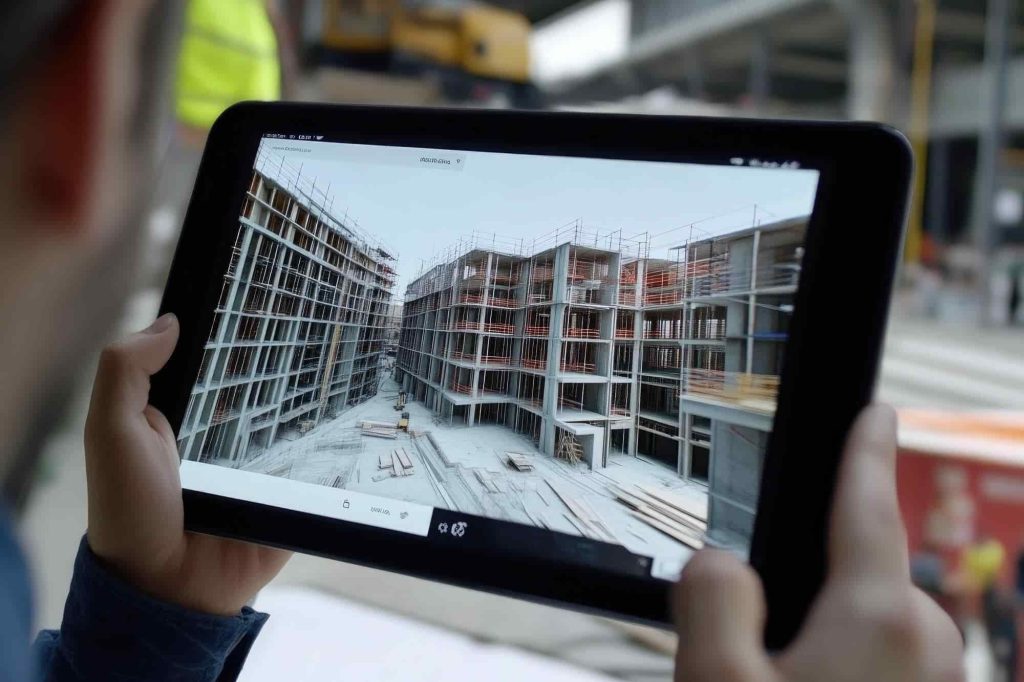
Tablet showing a 3D model of a construction site using laser scanning technology.

How Laser Scanning Brings Structures to Life 

At the heart of 3D modeling lies laser scanning, a cutting-edge technology that captures a building’s essence with pinpoint accuracy. This process, though highly technical, is a marvel of modern engineering. 

The Magic Behind Laser Scanning 

Laser scanners emit thousands of beams per second, measuring distances to surfaces with extraordinary precision. These measurements form a “point cloud,” a dense collection of data points that map out every surface, edge, and contour of a structure. The result? A digital replica that’s as lifelike as the real thing. 

Advantages That Reshape Inspections 

  • Speed and Efficiency: Laser scanning can document entire buildings in a fraction of the time required by traditional methods, allowing inspections to proceed without significant interruptions. 
  • Non-Invasive Process: The scanning process doesn’t damage or alter the structure, making it ideal for historic buildings and sensitive environments. 
  • Adaptability Across Projects: Whether assessing a skyscraper, a factory, or a residential home, laser scanning provides consistent, reliable results across various applications. 

Beyond Data Collection 

But laser scanning is about more than just gathering data. It’s about interpretation. Scans can highlight structural weaknesses, environmental impacts, and material degradation, providing a narrative that helps engineers and architects make informed decisions. It’s a tool that doesn’t just show—it tells. 

Real-World Impact: Applications of 3D Models 

Bringing History Back to Life 
Picture a historic landmark—centuries old, weathered by time, yet standing tall as a testament to human achievement. Revitalizing such a structure demands a careful harmony between preservation and modernization. 3D models make this possible by providing a detailed blueprint of its current state, allowing restorers to plan every move with precision. 

Strengthening Infrastructure 
From bridges to skyscrapers, infrastructure underpins our daily lives. Using 3D models, engineers can conduct detailed analyses of stress points, material fatigue, and potential vulnerabilities. This ensures that repairs and upgrades are not just reactive but proactive. 

Revolutionizing Renovations 
Renovating a building is no small feat. With 3D models, contractors and designers gain a crystal-clear understanding of a structure’s layout and condition. This not only speeds up the renovation process but also ensures the final result aligns perfectly with the original vision. 

The Human Element: Why It’s More Than Just Technology 

While technology drives this transformation, the human element remains irreplaceable. Behind every laser scan and 3D model is a team of skilled professionals who interpret the data, apply their expertise, and make critical decisions that shape the future of a building. 

The Role of Expertise 

Experienced engineers and architects bring context to raw data, turning millions of data points into actionable insights. Their ability to identify patterns, foresee potential issues, and recommend solutions ensures that technology is used to its fullest potential. 

Collaboration and Communication 

3D models also serve as a bridge for collaboration. They provide a common language for diverse teams, ensuring everyone—from project managers to field workers—is on the same page. This synergy fosters innovation, reduces errors, and accelerates project timelines. 

A Vision for the Future 

As 3D modeling technology continues to evolve, so too will the skills and expertise of the professionals who use it. The future isn’t just about smarter tools; it’s about smarter teams harnessing these tools to build a safer, more sustainable world. 

Closing Thoughts 

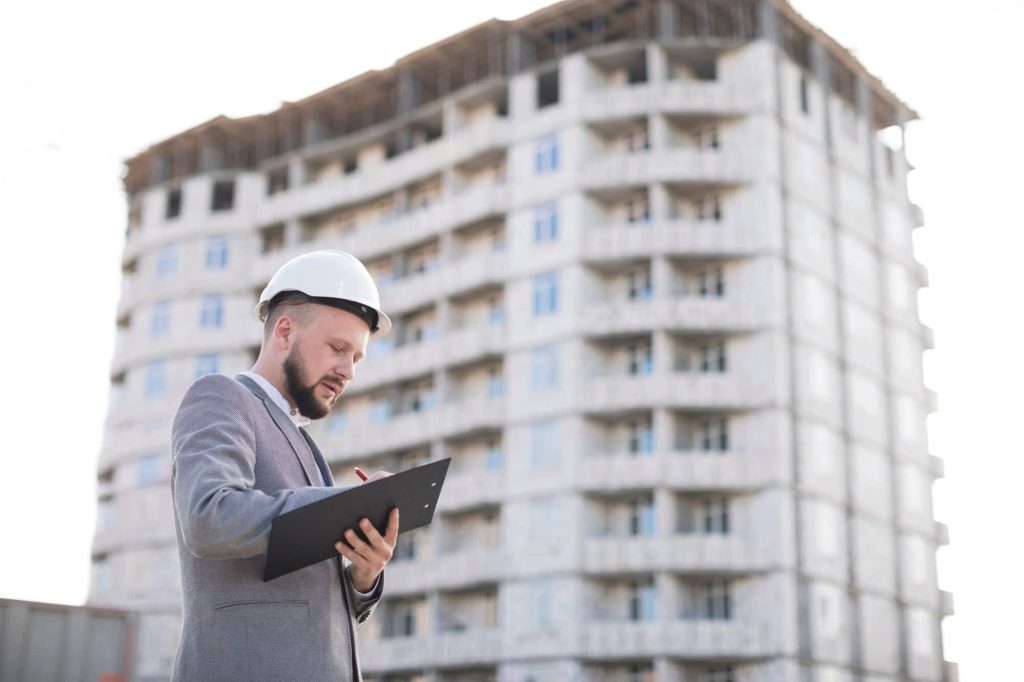
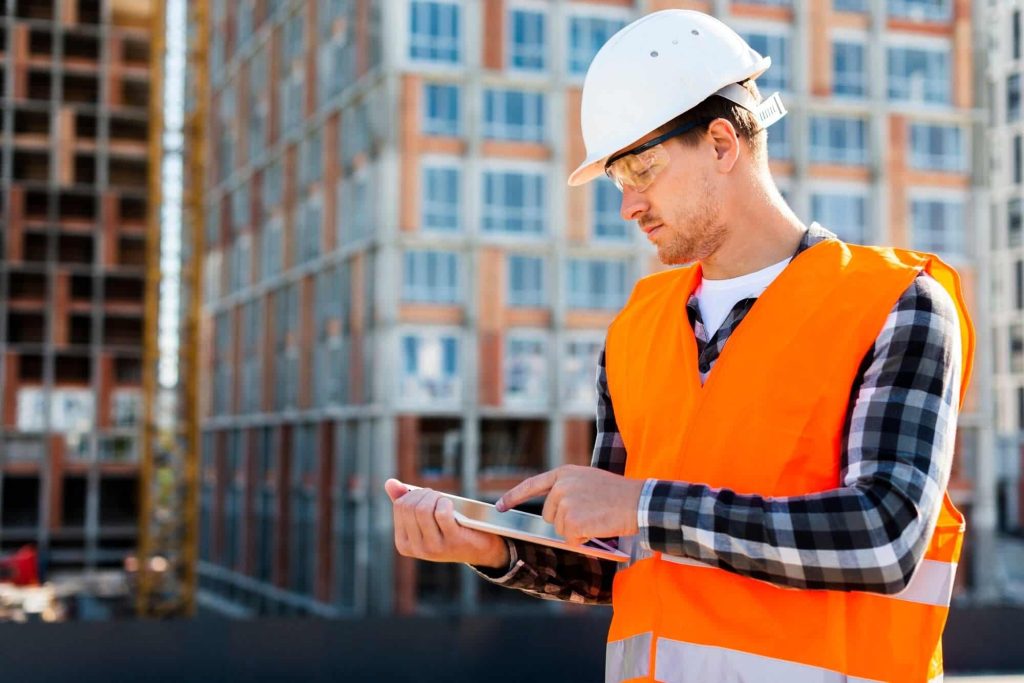
Construction inspector using a tablet to review building plans on-site, emphasizing modern inspection methods and technology integration.

3D models are not just tools; they are storytellers, revealing the past, present, and future of our built environment. They bring clarity to complexity, turning inspections into immersive experiences that leave no stone unturned. 

For businesses and individuals ready to embrace this modern approach, the benefits are clear: safer buildings, smarter decisions, and a future where inspections are not just a requirement but an opportunity for innovation. 

Interested in discovering how 3D models can revolutionize your projects? Reach out to ScanM2 and take the first step towards a new era of building inspections.

Check our activity on:

How Laser 3D Scanning Enhances Building Inspections

Building inspections have always been a cornerstone of the construction and maintenance industries. Ensuring the safety, compliance, and integrity of a structure requires accurate data and detailed analysis. The introduction of laser 3D scanning has elevated inspections to an unprecedented level of accuracy and effectiveness. This advanced technology allows inspectors and construction professionals to obtain highly accurate measurements and detailed visualizations of buildings, revolutionizing traditional methods.

In this article, we’ll explore how laser 3D scanning technology is transforming building inspections, its practical applications, and the benefits it offers to the construction and real estate sectors. 

Understanding Laser 3D Scanning

Laser 3D scanning is a sophisticated technology that uses laser beams to precisely capture measurements of objects and their environments. The captured measurements are transformed into a point cloud, a digital format that creates an accurate 3D representation of the scanned space. This allows for highly detailed visualizations and comprehensive data that surpass traditional inspection methods.

Unlike manual measurements or visual inspections, laser scanning captures every surface detail with unmatched accuracy. This technology has become indispensable for analyzing construction sites and performing various inspection tasks.

Worker using laser 3D scanning technology on a construction site for advanced building inspections and site analysis.

Key Benefits of Laser 3D Scanning for Building Inspections

1. Precision and Accuracy

A key benefit of laser 3D scanning lies in its capability to deliver highly accurate measurements.This level of accuracy is especially crucial in building inspections, as even small errors can result in expensive repairs or significant safety hazards. The technology ensures that every corner, beam, and surface is accounted for, leaving no room for guesswork.

2. Improved Safety

Inspecting buildings often involves accessing hard-to-reach areas, which can pose safety risks. With laser scanning for inspections, professionals can capture data from a distance, minimizing the need for scaffolding, ladders, or hazardous maneuvers. This enhances safety while also significantly shortening the time required for inspections.

3. Comprehensive Documentation

The data generated by 3D scanning is stored digitally, providing a permanent record of the building’s condition at the time of inspection. This can be invaluable for future reference, renovation planning, or legal documentation.

4. Time and Cost Efficiency

Conventional inspection methods typically demand considerable time and labor resources. Laser 3D scanning simplifies the process by collecting detailed data in significantly less time. This increased efficiency leads to lower labor expenses and accelerated project schedules. 

Applications of Laser 3D Scanning in Building Inspections

  • Structural Integrity Assessments: Inspectors use laser scanning to evaluate the structural soundness of buildings. Accurate models can reveal cracks, deformations, or structural weaknesses that might otherwise go unnoticed by the naked eye.
  • Preserving Historical Buildings: For aging structures and historical landmarks, laser scanning offers a non-invasive method to thoroughly document and evaluate their current condition. These comprehensive insights aid in preservation efforts and ensure the structural integrity of historical buildings is upheld.
  • Construction Progress Monitoring: Laser scanning is not limited to post-construction inspections. It’s also used to track progress on active construction sites, ensuring that work aligns with design specifications.
  • HVAC and Utility Inspections: Laser 3D scanning is particularly useful for inspecting mechanical systems, plumbing, and electrical installations in buildings. Accurate models facilitate detailed assessments and enable early detection of potential issues, preventing them from developing into significant problems.
Business handshake on a construction site, symbolizing collaboration and efficiency with laser 3D scanning technology.

How Laser 3D Scanning Revolutionizes Traditional Inspections

Enhanced Visualization with 3D Models
Laser scanning’s ability to generate lifelike 3D models allows inspectors and stakeholders to explore every aspect of a building remotely. These models capture intricate details, such as walls, piping, and structural elements, enabling easier problem detection and collaborative solutions. Architects and technicians can also use these models for virtual walkthroughs and maintenance planning, saving time and resources.

Integration with Advanced Tools
Laser 3D scanning integrates seamlessly with Building Information Modeling (BIM) and CAD software, allowing professionals to compare current conditions with design plans and identify deviations accurately. Such integrations enable predictive analysis, aiding in the prevention of future structural or environmental problems.

Identifying Hidden Problems
Traditional inspection methods often overlook hidden issues. Laser scanning captures millions of data points to reveal anomalies like uneven surfaces, corrosion, or moisture infiltration. This precision makes it invaluable for inspecting facilities where minor issues can lead to major disruptions.

Why Businesses Should Embrace Laser 3D Scanning

  • Improved Operational Efficiency: Laser 3D scanning drastically reduces inspection times, allowing businesses to optimize resource utilization more effectively. Inspections that previously required days can now be finished in hours, greatly enhancing overall project efficiency.
  • Meeting Regulatory Standards: Accurate data collected through laser scanning ensures compliance with U.S. building codes and safety regulations. The detailed reports generated from scans provide reliable documentation for inspections, renovations, or maintenance.
  • Competitive Advantage: Adopting laser scanning technology helps businesses stand out by offering precise services and faster project turnarounds. Real estate developers can showcase properties with 3D walkthroughs, while contractors can provide transparent updates, building trust with clients.
  • Future-Proofing Investments: Laser 3D scanning prepares businesses for the future of the construction and real estate industries. Adopting this technology allows companies to stay ahead of market trends, securing long-term relevance and fostering innovation.

Final Thoughts

Laser 3D scanning goes beyond being a technological innovation—it marks a pivotal change in the approach to building inspections and construction projects. Its ability to deliver precise data, streamline operations, and enhance safety has made it a cornerstone of modern inspection practices. 

For businesses, implementing this technology is a strategic step to stay competitive in a rapidly changing market. It facilitates improved collaboration between architects, engineers, and inspectors, ensuring projects are carried out with precision and efficiency. Investing in laser scanning improves current operations while positioning companies as forward-thinking leaders equipped to address future challenges. 

Moreover, the versatility of laser 3D scanning extends beyond inspections. It plays a critical role in renovations, historical preservation, and even disaster recovery efforts, offering solutions that traditional methods cannot achieve. This adaptability ensures that the technology will remain valuable across various applications, making it a worthwhile investment for businesses of all sizes. 

In an era where precision, speed, and innovation are paramount, laser 3D scanning stands out as a game-changing tool. By embracing this technology, U.S. businesses can unlock new possibilities, reduce risks, and achieve long-term success in the construction and real estate industries. Now is the time to leverage the power of laser 3D scanning and secure a competitive edge in today’s fast-paced world.

Check our activity on:

How LiDAR Assists in Designing Shopping Malls 

The design of shopping malls has come a long way from being merely functional spaces to becoming hubs of innovation and experiential retail. Today, technology plays a central role in ensuring these sprawling structures meet modern needs for efficiency, safety, and adaptability. LiDAR (Light Detection and Ranging) stands out as one of the most revolutionary technologies in this domain. This advanced scanning method provides architects, planners, and engineers with the precise data they need to design, renovate, and optimize shopping malls in ways previously unimaginable. 

Understanding LiDAR: How It Works

LiDAR is an advanced remote sensing method that employs laser beams to determine distances. It emits thousands of laser pulses per second and analyzes their reflections to create precise, three-dimensional models of physical environments. This technology has been widely adopted in various industries, including architecture, for its ability to provide accurate, high-resolution data in a short amount of time. LiDAR is utilized in shopping mall design to generate accurate 3D models of current spaces. Plan layouts that optimize flow and functionality. Assist in renovations by accurately capturing current conditions. Generate As-Built documentation to reflect precise details of completed structures.

Architect designing shopping mall layout using LiDAR technology and 3D modeling.

Why LiDAR Is a Game-Changer for Shopping Mall Design 

  1. Unparalleled Accuracy: When designing or renovating a shopping mall, even minor inaccuracies can lead to costly errors or inefficiencies. LiDAR captures millions of data points to create a highly detailed digital representation of the space, ensuring measurements are precise down to the millimeter. This is especially critical for large-scale projects like malls, where layouts must seamlessly integrate retail, dining, entertainment, and parking facilities. 
  2. Faster Data Collection: Traditional surveying methods often involve lengthy processes, disrupting ongoing operations in existing malls or delaying new projects. LiDAR significantly reduces this time by quickly scanning entire areas and delivering data that’s ready for analysis. Such efficiency proves especially valuable for projects with strict deadlines. 
  3. Enhanced Flexibility in Design: LiDAR’s integration with Building Information Modeling (BIM) systems allows for dynamic design workflows. Architects and planners can explore different layouts and configurations, simulate pedestrian movement, and refine spatial arrangements prior to finalizing the design. 
  4. Improved Renovation Capabilities: Renovating an existing mall requires a thorough understanding of the current structure. Outdated blueprints or incomplete data can pose significant challenges. LiDAR solves this issue by providing up-to-date, comprehensive scans of the building, including hard-to-reach areas. This ensures renovations are planned and executed with minimal guesswork. 

Applications of LiDAR in Shopping Mall Projects 

Retail Space Optimization 

One of the primary goals in mall design is maximizing the usability of retail spaces. LiDAR data helps developers analyze existing conditions and plan layouts that prioritize foot traffic, customer engagement, and tenant requirements. For instance, anchor stores can be strategically placed to drive traffic to smaller retailers, while food courts and entertainment zones can be positioned to enhance overall visitor experience. 

Parking Lot and Traffic Management 

A well-designed shopping mall isn’t just about what’s inside—it’s also about how visitors arrive and navigate the premises. LiDAR helps map parking lots, driveways, and pedestrian paths to ensure smooth traffic flow and optimal parking layouts. This is especially crucial for malls expecting high volumes of visitors. 

Safety and Compliance 

LiDAR scans can identify structural vulnerabilities and safety hazards that might not be visible to the naked eye. By addressing these issues early in the design or renovation phase, developers can ensure compliance with safety standards and create spaces that are both secure and inviting. 

Sustainability in Design 

Modern malls are increasingly being designed with sustainability in mind. LiDAR data supports this by enabling energy-efficient layouts, optimizing natural lighting, and ensuring effective ventilation systems. By reducing material waste and improving energy use, LiDAR contributes to greener construction practices. 

Real-World Scenarios: LiDAR in Action 

Modern shopping mall interior with architectural design captured for LiDAR mapping and layout planning.
  • Renovating Historic Shopping Malls: Many malls today are housed in buildings that carry historical or architectural significance. Revamping these structures demands careful balancing of their historical character with modern functionality. LiDAR scans provide the detailed measurements needed to achieve this balance without compromising on accuracy.
  • Designing Malls for Mixed-Use Developments: Mixed-use developments that combine retail, residential, and office spaces are becoming increasingly popular. LiDAR’s ability to capture data across diverse spaces ensures these projects are designed holistically, with seamless transitions between different zones. 
  • Emergency Response Planning: In the rare event of an emergency, such as a fire or structural failure, having detailed 3D models of the mall can aid first responders in navigating the space efficiently. LiDAR data guarantees that these models remain precise and up to date. 

The Future of LiDAR in Shopping Mall Design

With ongoing advancements, LiDAR technology is poised to broaden and diversify its applications in shopping mall design. One emerging trend is the integration of LiDAR with artificial intelligence (AI) to analyze collected data and predict future trends. For instance, AI algorithms can process LiDAR scans to model how foot traffic will evolve based on demographic shifts or changes in consumer behavior. 

An additional emerging application is the integration of LiDAR with augmented reality (AR) and virtual reality (VR) technologies. Architects and developers could use VR to visualize and walk through proposed mall designs before construction begins. This immersive approach would allow stakeholders to identify potential design flaws and make adjustments in real-time. 

LiDAR technology is also anticipated to have a pivotal role in the development of smart mall concepts. These malls will leverage IoT (Internet of Things) devices alongside LiDAR data to monitor and manage everything from energy consumption to crowd control. For example, real-time LiDAR scans can detect areas of high congestion, enabling mall operators to implement dynamic adjustments to improve customer flow and safety. 

The adoption of LiDAR in modular construction is also anticipated. By using LiDAR to ensure precise measurements, modular components can be prefabricated with a high degree of accuracy, speeding up construction timelines while reducing waste and costs. This is especially important for large-scale projects such as shopping malls, where efficiency is paramount. 

Final Thoughts 

LiDAR technology has redefined what’s possible in the design and renovation of shopping malls. Its ability to provide precise, actionable data empowers architects and developers to create spaces that meet the demands of modern retail while anticipating future trends. As LiDAR technology becomes more accessible, its influence on the retail industry will continue to expand, leading to smarter and more efficient mall designs. 

The transformative potential of LiDAR extends far beyond the architectural realm. It offers a sustainable approach to construction and renovation by reducing waste, optimizing energy usage, and supporting environmentally friendly practices. Moreover, as consumer preferences continue to shift towards more personalized and engaging shopping experiences, LiDAR provides the tools to create adaptive and versatile retail environments. 

In the rapidly evolving world of retail architecture, embracing LiDAR technology is no longer just an advantage; it’s a necessity. By leveraging its capabilities, the industry can ensure that shopping malls remain relevant, functional, and innovative in the years to come. 

LiDAR technology has redefined what’s possible in the design and renovation of shopping malls. Its ability to provide precise, actionable data empowers architects and developers to create spaces that meet the demands of modern retail while anticipating future trends. With increasing accessibility, this technology will further transform the retail landscape, driving the creation of smarter and more efficient mall designs.

Check our activity on: