

Reverse Engineering for Oil and Gas Facilities
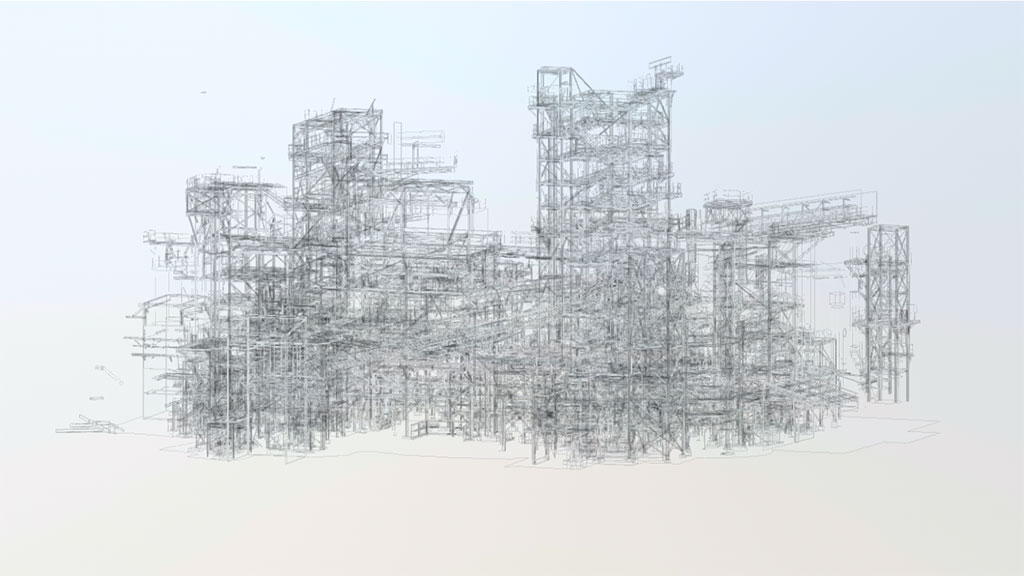
ScanM2 provides reverse engineering services for oil and gas facilities, helping engineering teams recreate accurate digital models of industrial equipment installed in refineries, processing plants, and pipeline infrastructure. Reverse engineering techniques allow engineers to analyze existing equipment and develop reliable digital documentation used for modernization, reconstruction, and spare part production.
Oil and gas facilities rely on complex industrial equipment including compressors, distillation units, heat exchangers, pipeline components, and structural installations. Over time, equipment is frequently modified or replaced, and original design documentation may become outdated or unavailable. Reverse engineering enables engineers to recreate precise engineering models of these components based on their existing physical configuration.
Contact Us Now for a Free Consultation!
Reverse engineered equipment models allow engineering teams to obtain accurate digital representations of refinery infrastructure and industrial components, supporting maintenance planning, facility upgrades, and long-term infrastructure management.
Why Reverse Engineering Is Used in Oil and Gas Facilities
Many oil and gas facilities operate for decades while undergoing continuous modifications and modernization projects. During this time, equipment is replaced, pipelines are reconfigured, and infrastructure is expanded to meet evolving production requirements.
As a result, engineering teams often encounter situations where existing industrial equipment lacks accurate technical documentation. Reverse engineering provides a practical method for recreating the geometry and configuration of these components, enabling engineers to generate reliable digital models and engineering documentation.
Reverse engineering is particularly valuable for equipment installed in:
- oil refineries
- gas processing plants
- pipeline compressor stations
- offshore platforms
- industrial storage terminals
By recreating accurate models of refinery equipment and industrial components, engineering teams can reduce risks during modernization projects and ensure that new installations are compatible with existing infrastructure.
Industrial Equipment Commonly Recreated with Reverse Engineering
Reverse engineering is frequently applied to a wide range of industrial components used in oil and gas facilities.
Process Equipment
Large process installations within refineries often require detailed engineering documentation. Equipment that may be recreated using reverse engineering techniques includes:
- distillation columns
- separators
- heat exchangers
- reactors and processing units
Accurate digital models of this equipment help engineers analyze installation conditions and plan equipment replacement or upgrades.
Pipeline Components
Oil and gas facilities contain extensive pipeline systems that transport fluids and gases between process units. Reverse engineering can be used to document components such as:
- industrial valves
- pipe fittings
- flange connections
- pipeline connectors
These models can support equipment replacement planning and manufacturing of compatible spare parts.
Mechanical Components
Many mechanical parts used within industrial equipment require precise geometry reconstruction. Reverse engineering techniques are often used to recreate components such as:
- pump housings
- compressor components
- equipment brackets and supports
- mechanical assemblies
Digital models of these components allow engineers to analyze wear conditions and develop accurate replacement parts.
Engineering Challenges of Reverse Engineering Industrial Equipment
Reverse engineering industrial equipment within oil and gas facilities presents several engineering challenges. Equipment installed in refineries and processing plants often operates in harsh industrial environments and may have undergone multiple modifications over time.
Engineers must account for complex equipment geometries, wear or deformation of components, and limited availability of original design documentation. In many cases, equipment must be documented while installed within operating facilities where access may be restricted by safety regulations.
These conditions require careful analysis and precise reconstruction of equipment geometry in order to create accurate engineering models suitable for industrial documentation and manufacturing processes.
Reverse Engineering Workflow for Oil and Gas Equipment
Developing accurate digital models of industrial equipment requires a structured engineering workflow that converts physical components into reliable digital representations.
1. Data Capture of Existing Equipment
The first stage involves collecting accurate spatial data describing the geometry of the equipment or component. Engineers analyze the physical configuration of installed equipment and record the dimensions and structural relationships between different components.
2. Geometry Reconstruction
Captured data is then used to reconstruct the geometric structure of the component or equipment. Engineers interpret the shape and configuration of the object in order to recreate an accurate digital representation.
3. 3D Modeling of Industrial Components
Based on the reconstructed geometry, engineers develop detailed 3D models of industrial equipment. These models represent the exact configuration of the equipment, including mechanical interfaces, structural elements, and connection points.
4. Engineering Documentation
The final stage involves preparing engineering documentation derived from the reconstructed models. These models can be converted into CAD drawings or integrated into BIM environments used for industrial facility documentation and engineering coordination.
Contact Us Now for a Free Consultation!
From Reverse Engineering to Digital Engineering Models
Reverse engineered models provide engineers with accurate digital representations of industrial equipment used within oil and gas facilities. These models allow engineering teams to analyze equipment geometry, evaluate installation conditions, and develop documentation required for facility upgrades.
Digital models generated through reverse engineering can be used to create technical documentation, prepare engineering drawings, and support coordination with other infrastructure systems within the facility.
These models also enable integration with digital engineering workflows, allowing refinery equipment and industrial components to be incorporated into broader digital models of plant infrastructure.
Applications of Reverse Engineering in Oil and Gas Facilities
Reverse engineering techniques support many engineering activities across oil and gas facilities.
Typical applications include:
- equipment replacement planning
- spare part reproduction
- refinery modernization projects
- industrial facility reconstruction
- development of digital equipment libraries
By recreating accurate models of industrial equipment, engineers can analyze existing systems and plan modernization projects more efficiently.
Examples of Reverse Engineered Industrial Equipment
Below are examples of reverse engineered equipment models prepared for oil refineries, pipeline infrastructure, and industrial process facilities.
Industrial Equipment Models for Oil and Gas Infrastructure Project Gallery


These models represent digital reconstructions of industrial components used for engineering documentation, equipment analysis, and infrastructure modernization.
Benefits of Reverse Engineering for Oil and Gas Operators
Reverse engineering provides several important benefits for operators and engineering teams responsible for maintaining complex industrial facilities.
Key advantages include:
- accurate digital models of existing equipment
- improved engineering documentation
- faster development of replacement parts
- reduced downtime during equipment replacement
- better planning of modernization projects
Reliable equipment models help engineers understand the configuration of industrial systems and ensure compatibility between existing infrastructure and new installations.
Reverse Engineering for Modernization and Plant Reconstruction
Oil and gas facilities undergo continuous modernization as infrastructure evolves and production technologies advance. Accurate digital documentation of existing equipment is essential for planning upgrades and ensuring compatibility between new and existing systems.
Reverse engineering enables engineers to recreate reliable digital models of refinery equipment and industrial components, providing the foundation for modernization projects, infrastructure reconstruction, and long-term facility management.
By integrating reverse engineered models into digital engineering workflows, operators can improve planning accuracy and reduce the risks associated with complex industrial upgrades.

