

3D Laser Scanning for Oil and Gas Facilities
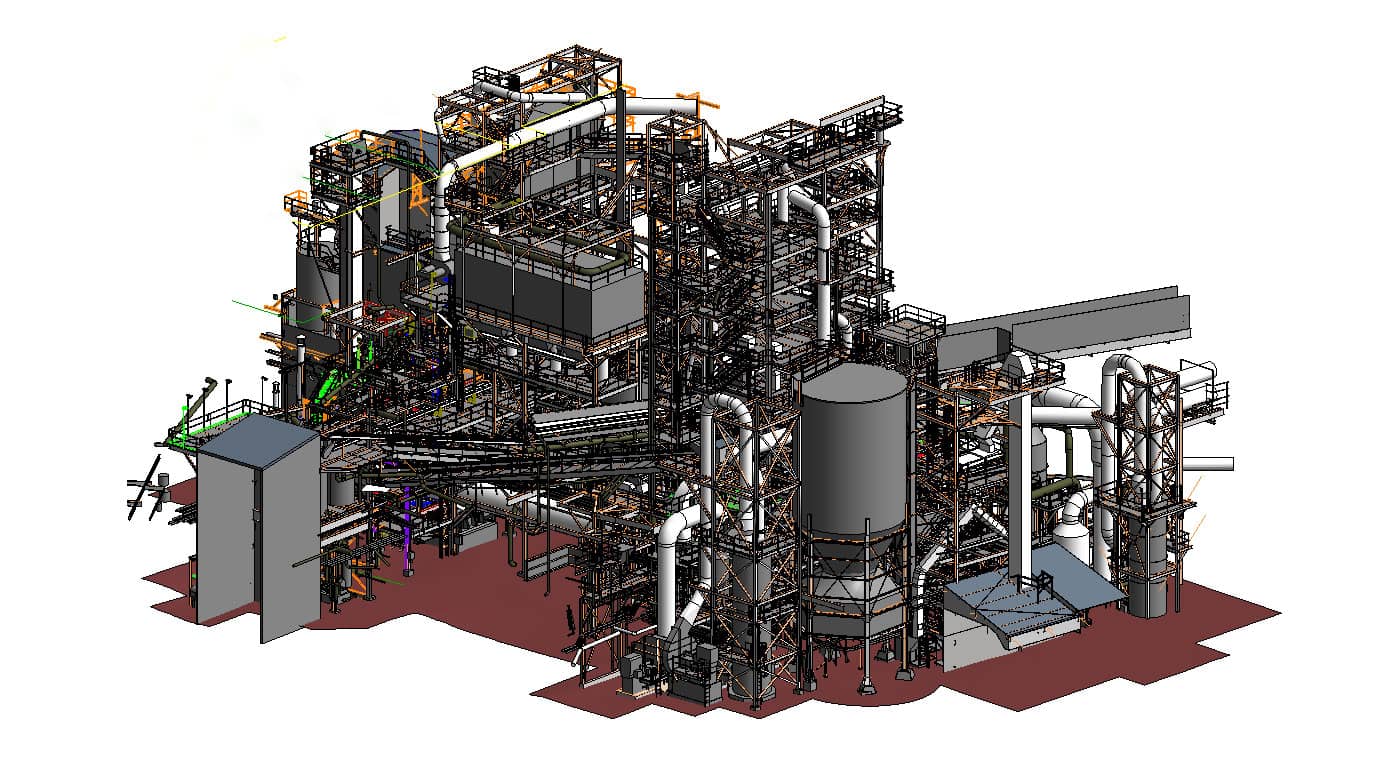
Oil and gas facilities operate complex industrial infrastructure including pipelines, compressor stations, processing equipment, and large structural platforms. Accurate spatial documentation of these environments is essential for engineering planning, modernization projects, and infrastructure upgrades.
Contact Us Now for a Free Consultation!
3D laser scanning for oil and gas facilities provides a fast and reliable method for capturing the real geometry of industrial assets. Engineers receive highly accurate digital data representing refinery units, pipeline systems, and offshore infrastructure, enabling safer design decisions and more efficient project planning.
Why Oil and Gas Facilities Require High-Precision Laser Scanning
Oil and gas production environments include complex networks of pipelines, processing equipment, and structural platforms. Facilities often evolve over decades as new equipment is installed, pipelines are rerouted, and process units are expanded. As a result, existing documentation frequently becomes outdated.
High-precision laser scanning enables engineers to capture the current geometry of facilities with millimeter accuracy. This information is essential when designing equipment retrofits, evaluating installation feasibility, or performing safety inspections.
Accurate spatial datasets are particularly valuable for:
- modernization of refinery process units
- pipeline infrastructure upgrades
- installation of new compressors or separators
- safety compliance and hazard analysis
- expansion of storage or loading systems
With reliable spatial documentation, engineers can design modifications based on real plant conditions rather than outdated drawings.
Engineering Challenges in Scanning Oil and Gas Facilities
Oil and gas plants present several technical challenges that require specialized scanning strategies and experienced field teams.
Dense Pipeline Infrastructure
Oil and gas facilities contain extensive pipeline networks transporting crude oil, natural gas, and refined products across processing units. Pipe racks often carry hundreds of lines installed at multiple elevations. Accurate scanning of pipeline infrastructure allows engineers to capture pipe routing, valve assemblies, and support structures for future modifications.
Large Industrial Equipment
Refineries and processing plants rely on large equipment such as compressors, separators, distillation columns, and heat exchangers. These components are often surrounded by dense piping systems and maintenance platforms. High-resolution scanning ensures that equipment geometry and surrounding infrastructure are documented accurately.
Elevated Platforms and Structural Frameworks
Processing units frequently include elevated platforms, stairways, pipe racks, and steel support structures. Capturing these elements requires multiple scanning positions to ensure full coverage and avoid occlusions.
Hazardous Operating Environments
Many oil and gas facilities operate in hazardous zones with flammable materials and high-pressure systems. For this reason, scanning operations must follow strict industrial safety procedures. A professional 3D laser scanning contractor for oil and gas facilities understands these requirements and performs scanning activities in accordance with plant safety regulations.
Our 3D Laser Scanning Workflow for Oil and Gas Facilities
Industrial laser scanning projects follow a structured workflow designed to ensure accurate data capture while minimizing disruption to plant operations.
1. Pre-Scanning Assessment
Before field deployment, engineers review facility documentation and coordinate with plant personnel to determine scanning areas and access requirements. Safety procedures and scanning schedules are planned to avoid interference with ongoing operations.
2. On-Site Data Acquisition
High-resolution terrestrial laser scanners capture millions of spatial measurements across processing units, pipeline corridors, and equipment zones. Multiple scanning positions are used to ensure complete coverage of complex industrial environments.
3. Point Cloud Processing

After data collection, scan datasets are registered and processed into a unified point cloud. This stage removes noise, aligns scans, and prepares the dataset for engineering analysis. More information about this stage can be found in our Point Cloud Processing services.
4. Engineering Data Integration
Processed datasets can be used directly for engineering tasks or converted into models for design coordination. In many projects the data is further developed through Scan to BIM and BIM Modeling workflows to support plant modernization and digital facility management.
3D Scanning and BIM for Oil Refinery Documentation Example


What Is Captured During Oil and Gas Facility Scanning
Laser scanning surveys capture a wide range of infrastructure within oil and gas facilities. The resulting datasets provide engineers with a detailed digital representation of plant conditions.
Pipeline Systems
Pipeline infrastructure includes process pipelines, valve systems, pipe racks, and connection points. Accurate documentation of these systems helps engineers evaluate available space for future modifications.
Process Equipment
Scanning captures the geometry of key processing equipment such as:
- compressors
- separators
- distillation columns
- heat exchangers
- reactors and processing vessels
Storage Infrastructure
Large storage tanks, loading systems, and transfer stations are documented to support facility expansion or modernization planning.
Structural Elements
Structural steel frameworks, platforms, maintenance walkways, and support structures are also captured to ensure reliable reference geometry for engineering design.
Applications of 3D Laser Scanning in Oil and Gas Production
Laser scanning has become an essential tool for engineering and modernization projects across oil and gas facilities.
Refinery Modernization
Many refineries operate equipment installed decades ago. Laser scanning provides accurate facility documentation that allows engineers to design upgrades without relying on outdated drawings.
Pipeline Infrastructure Projects
Pipeline expansions and modifications require precise knowledge of existing installations. Laser scanning provides accurate geometry for routing analysis and installation planning.
Offshore Platform Upgrades
Offshore production facilities require careful coordination when installing new equipment or structural components. High-resolution spatial data supports engineering teams in planning modifications safely.
Equipment Replacement Planning
When replacing compressors, pumps, or processing equipment, accurate spatial measurements ensure that new components integrate correctly with existing infrastructure.
Safety and Compliance Analysis
Laser scanning datasets support safety audits by documenting equipment spacing, maintenance access routes, and structural clearances within hazardous environments.
Integration with Digital Engineering Workflows
Laser scanning datasets form the foundation for many digital engineering processes used in modern oil and gas facilities. Processed point clouds are frequently integrated into Scan to BIM, BIM Modeling, and As-Built Drawings workflows to support engineering coordination and facility documentation.
These digital models allow plant operators to visualize infrastructure, plan upgrades, and manage assets more effectively throughout the facility lifecycle.
FAQ
What is 3D laser scanning for oil and gas facilities?
3D laser scanning is a technology that captures precise spatial data of industrial facilities using high-resolution scanners. The resulting point cloud provides an accurate digital representation of pipelines, equipment, and structural elements within oil and gas plants.
How accurate is laser scanning for refineries?
Industrial laser scanning typically achieves millimeter-level accuracy depending on scanning distance and equipment. This precision allows engineers to design upgrades and installations with reliable spatial data.
What infrastructure can be captured during oil and gas scanning?
Scanning surveys typically capture pipeline systems, compressors, storage tanks, distillation columns, structural platforms, and other processing equipment installed across the facility.
When is laser scanning used in oil and gas projects?
Laser scanning is commonly used during plant modernization, pipeline upgrades, equipment replacement projects, and digital documentation initiatives.
Can laser scanning data be used for BIM modeling?
Yes. Laser scanning datasets can be converted into engineering models using Scan to BIM and BIM Modeling workflows, enabling accurate digital representations of oil and gas facilities.

