

BIM Modeling for Machine-Building Enterprises
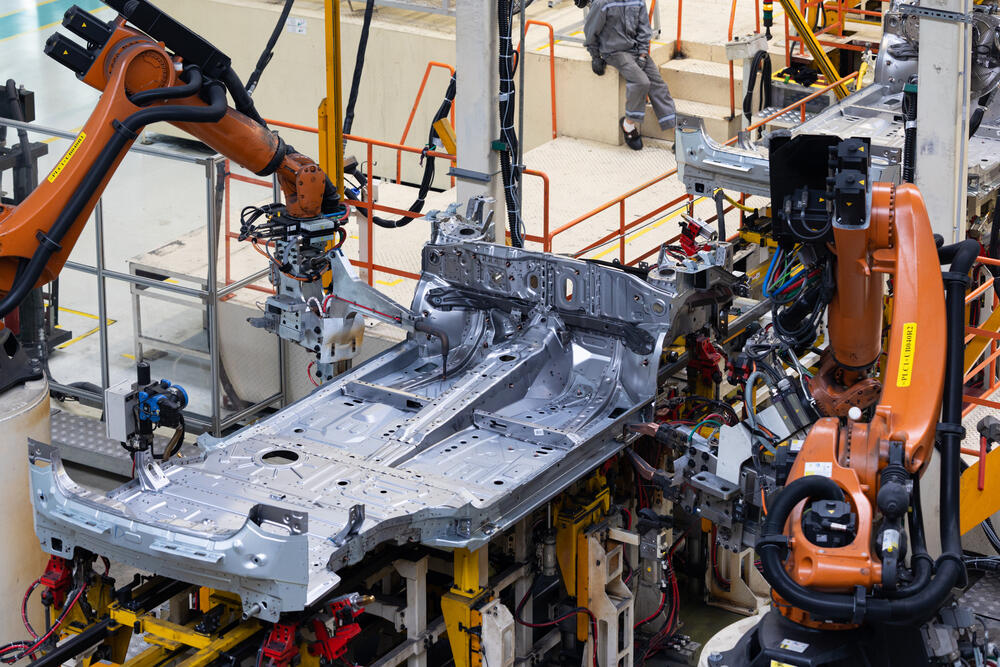
Machine-building enterprises operate production facilities where structural steel frameworks, overhead crane systems, heavy machinery foundations, and dense industrial utilities coexist within large-span workshops. Managing this infrastructure requires precise spatial coordination between structural elements, equipment layouts, and engineering systems.
BIM modeling for machine-building enterprises provides a structured digital representation of machinery manufacturing plants, enabling engineers to coordinate structural systems, production equipment, and industrial utilities within a single environment.
Engineering teams working with a bim modeling company for machine-building gain access to coordinated digital models that support modernization planning, equipment upgrades, and long-term facility management.
Why Machine-Building Plants Require Structured BIM Models
Machine-building facilities operate in environments where structural systems, crane infrastructure, heavy machinery, and engineering utilities must function together within the same spatial framework.
Traditional documentation for machinery plants often becomes outdated as equipment layouts evolve and production lines change. Engineering teams therefore require accurate digital representations of facility geometry and infrastructure.
BIM modeling enables engineers to coordinate structural elements, equipment layouts, and industrial utilities within a unified digital model. Instead of relying on outdated drawings, teams can analyze real facility conditions and plan upgrades based on verified spatial data.
For machinery manufacturing plants, structured BIM models provide a reliable engineering foundation for modernization and infrastructure management.
Engineering Constraints in Machine-Building Facilities
Machinery manufacturing plants introduce engineering constraints that differ significantly from conventional industrial buildings.
Large-span steel structures
Production workshops are typically supported by long-span steel frameworks designed to carry heavy loads from equipment and crane systems.
Overhead crane infrastructure
Crane beams and rails must be modeled precisely to verify operational clearances and structural capacity.
Heavy machinery foundations
Large machine tools and presses require reinforced foundations that control vibration and maintain alignment accuracy.
Dense equipment layouts
Production lines often include tightly arranged machines, conveyors, and service zones, which increases the need for precise spatial coordination.
Continuous production environments
Engineering documentation must support modernization projects without interrupting production processes.
These factors make machine-building BIM modeling essential for understanding structural constraints and planning infrastructure upgrades.
BIM Modeling Workflow for Machinery Manufacturing Plants
Our factory BIM modeling services focus on creating coordinated models that reflect the structural and operational complexity of machinery manufacturing facilities.
The workflow often begins with scan to BIM for machinery plants, where laser scanning captures the geometry of production halls, steel structures, and equipment layouts. This point cloud data forms the basis for accurate modeling.
From this dataset, engineers develop coordinated BIM models that include structural frameworks, equipment layouts, crane systems, and industrial utilities.
Typical modeling scopes include:
- structural steel frameworks
- equipment layout BIM modeling
- crane system BIM modeling
- utility routing and service zones
Depending on project requirements, models are developed at LOD 300 or LOD 400, enabling engineering teams to perform coordination analysis and modernization planning.
Examples of BIM Models Developed for Industrial and Commercial Facilities
Industrial BIM Models Factories and facilities


Industrial Elements Modeled in Machine-Building BIM Projects
BIM modeling for machinery manufacturing plants includes a wide range of structural and industrial components.
Structural systems
- steel columns and beams
- roof trusses and bracing systems
- load-bearing steel frameworks
Production infrastructure
- automated production lines
- machine tools and robotic workstations
- conveyor systems
Heavy machinery support structures
- reinforced equipment foundations
- vibration isolation bases
- anchor bolt systems
Crane and lifting infrastructure
- crane beams and rails
- service platforms
- maintenance access zones
Industrial utilities
- cable tray networks
- compressed air pipelines
- ventilation and cooling systems
These components are integrated into a coordinated digital environment that reflects the real layout of the production facility.
How BIM Models Reduce Engineering Risks in Machinery Plants
Machine-building facilities often evolve over decades. Equipment upgrades, structural changes, and engineering modifications gradually make existing documentation inaccurate.
By creating bim models for heavy machinery facilities, engineers gain a reliable representation of the facility’s current configuration.
This helps reduce several critical risks.
Engineering conflicts
Digital coordination prevents clashes between structural systems, equipment layouts, and utility networks.
Installation errors
When installing heavy machinery, accurate spatial verification ensures that equipment foundations, crane access zones, and service corridors are correctly aligned.
Modernization risks
Upgrading production lines without accurate spatial data can lead to unexpected structural conflicts. BIM models allow engineers to evaluate modifications before construction begins.
Safety planning
Clearance zones around machinery and crane systems can be analyzed digitally to ensure safe maintenance access and operational conditions.
Engineering Use Cases of BIM in Machine-Building Facilities
BIM models are widely used to support engineering and operational planning within machinery manufacturing plants.
Typical applications include:
Production line modernization
Digital models help evaluate spatial constraints when upgrading or relocating manufacturing equipment.
Facility expansion planning
Engineers can analyze structural capacity and determine how new production areas integrate with existing workshops.
Equipment replacement planning
Accurate equipment layout BIM modeling allows engineers to verify installation clearances before delivery and installation.
Industrial documentation
Updated digital models provide a reliable foundation for generating engineering drawings and compliance documentation.
Digital twin development
BIM models often serve as the starting point for digital twin systems used to monitor facility performance and plan future upgrades.
BIM Modeling as the Digital Foundation for Machine-Building Modernization
Machine-building enterprises rely on precise coordination between structural systems, heavy machinery, and industrial utilities. Managing this complexity requires accurate engineering documentation that reflects real facility conditions.
Companies working with an industrial BIM modeling contractor gain access to coordinated digital models that improve planning reliability, reduce engineering risks, and support long-term facility modernization.
For machinery manufacturing plants undergoing upgrades or infrastructure expansion, BIM modeling provides the digital framework needed to coordinate structural systems, equipment layouts, and engineering networks within a single integrated model.
FAQ
What is BIM modeling for machine-building plants?
BIM modeling for machine-building plants is the creation of a detailed digital model that represents production workshops, structural frameworks, heavy machinery layouts, crane systems, and industrial utilities.
These models allow engineers to coordinate equipment placement, verify clearances, and manage infrastructure within complex manufacturing environments.
Why is BIM important for machinery manufacturing facilities?
Machine-building facilities contain dense equipment layouts, heavy foundations, and crane systems operating within large-span structural frameworks.
BIM provides a coordinated digital environment where engineers can analyze spatial relationships, detect conflicts between systems, and plan upgrades without relying on outdated drawings.
What is Scan to BIM for machinery plants?
Scan to BIM is a workflow where laser scanning technology captures the existing geometry of a production facility.
The resulting point cloud data is then converted into an accurate BIM model that represents the structural systems, equipment layouts, and utilities of the plant.
This approach is commonly used when modernizing older manufacturing facilities that lack accurate digital documentation.
What level of detail is used in BIM models for machinery plants?
Most machine-building BIM projects are developed at LOD 300 or LOD 400, depending on project goals.
- LOD 300 – suitable for spatial coordination and engineering planning
- LOD 400 – used for fabrication-level modeling, equipment installation planning, and construction coordination
The required level of detail depends on whether the model supports modernization planning, facility management, or construction projects.
Can BIM models support digital twin systems for manufacturing plants?
Yes. BIM models often serve as the foundation for digital twin development in industrial facilities.
By combining BIM geometry with operational data from sensors and monitoring systems, companies can create digital twins that help track equipment performance, optimize production environments, and plan long-term facility upgrades.

