

Reverse Engineering of Machinery Components and Industrial Equipment Parts
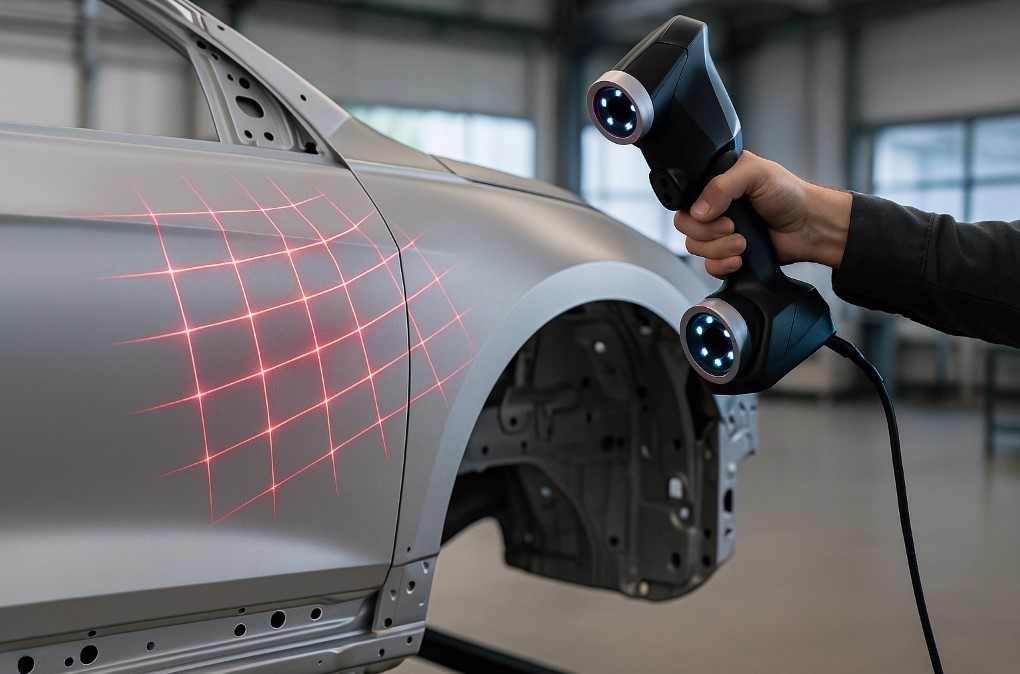
Machine-building enterprises often rely on specialized machinery, mechanical assemblies, and industrial equipment components that operate for decades in demanding production environments. However, over time, original design documentation may be lost, outdated, or unavailable, making it difficult to reproduce critical components or maintain legacy production systems.
Reverse engineering machine parts and machinery components allows engineering teams to reconstruct accurate digital models of industrial equipment parts, mechanical assemblies, and manufacturing machinery elements based on physical components or scan data. This approach enables manufacturers to reproduce replacement parts, upgrade legacy equipment, and restore complex mechanical systems used in industrial production.
By combining 3D scanning reverse engineering for machine parts with advanced CAD modeling techniques, engineers can convert physical components into accurate parametric CAD models. These models provide the basis for manufacturing documentation, spare parts production, and modernization of industrial machinery.
Why Reverse Engineering Is Critical for Industrial Machinery and Equipment
Industrial enterprises frequently depend on machinery that remains in service for many years or even decades. In many cases, the original engineering drawings are unavailable, and manufacturers no longer produce certain components.
Reverse engineering industrial machinery makes it possible to recreate essential machine parts and equipment components without access to original documentation. By analyzing existing physical parts, engineers can reconstruct precise digital models and restore missing technical data.
Reverse engineering is particularly important for:
- restoring industrial equipment components
- reproducing replacement machine parts
- modernizing legacy production systems
- maintaining discontinued industrial machinery
Through reverse engineering machine parts, companies can extend the life cycle of expensive equipment while reducing downtime and manufacturing risks.
Industrial Components That Require Reverse Engineering
Many types of mechanical parts and assemblies used in industrial equipment require reconstruction through reverse engineering.
Typical examples include:
- gearbox components
- pump housings
- turbine components
- valve assemblies
- machine tool components
- heavy machinery parts
- metal castings
- machined industrial parts
Reverse engineering machinery components allows engineers to rebuild complex mechanical geometries and create accurate models of industrial equipment parts used in manufacturing systems.
In many industries, reverse engineering mechanical components is essential for maintaining production equipment when original parts are no longer available.
Reverse Engineering Workflow for Machine Parts Reconstruction
The reconstruction of machine parts typically follows a structured engineering workflow designed to ensure accuracy and manufacturability.
1. 3D Scanning of Machinery Components
Advanced scanning technologies capture the geometry of physical components.
3D scanning reverse engineering for machine parts creates high-resolution point cloud data representing the shape of the component.
2. Geometry Reconstruction
Engineers process the scan data and convert the point cloud into surface geometry.
3. CAD Model Development
Using scan to CAD reverse engineering, engineers build precise CAD models representing the original mechanical component.
4. Parametric Modeling
Parametric CAD modeling enables design adjustments and ensures compatibility with manufacturing requirements.
5. Engineering Drawing Generation
Finally, engineers produce technical drawings and manufacturing documentation for the reconstructed part.
This workflow ensures reliable reverse engineering CAD modeling of industrial machine components.
CAD Models Developed from Reverse Engineered Machinery Components
Once the reverse engineering process is complete, engineers generate multiple types of digital models and technical documentation.
Typical deliverables include:
- parametric CAD models
- solid mechanical models
- manufacturing drawings
- assembly models
- engineering documentation
Through reverse engineering CAD models of machine parts, manufacturers gain complete digital representations of critical mechanical components.
These models support further design improvements, compatibility checks, and efficient manufacturing of replacement components.
How Reverse Engineering Supports Spare Parts Manufacturing
One of the most important industrial applications of reverse engineering is the production of replacement parts for existing machinery.
Reverse engineering spare parts manufacturing allows companies to recreate components that are no longer supplied by original manufacturers. This is particularly important when dealing with obsolete machinery parts or legacy industrial equipment.
By reconstructing accurate CAD models from existing physical parts, engineers can:
- manufacture replacement components
- restore damaged equipment
- extend machinery life cycles
- reduce equipment downtime
Reverse engineering therefore plays a critical role in maintaining industrial productivity and ensuring long-term equipment reliability.
Industrial Applications of Reverse Engineering for Machinery
Reverse engineering technologies are widely used across multiple industrial sectors.
Typical applications include:
- machine-building plants
- heavy industrial equipment
- production line components
- manufacturing machinery
- legacy industrial systems
Through reverse engineering manufacturing equipment, companies can reconstruct essential components used in complex production processes.
This approach enables businesses to maintain operational continuity even when original equipment manufacturers discontinue support.
Reverse Engineering for Obsolete Machinery and Replacement Parts
Many industrial companies operate legacy equipment that remains highly valuable but difficult to maintain. When spare parts are no longer available, reverse engineering obsolete machinery parts becomes the most practical solution.
Engineering teams analyze existing components and reconstruct accurate digital models using advanced scanning and modeling techniques. This process enables the creation of new parts without access to original blueprints.
Reverse engineering spare parts manufacturing allows companies to:
- reproduce discontinued components
- restore critical industrial systems
- upgrade outdated machinery
- maintain production continuity
By reconstructing equipment components and mechanical assemblies, manufacturers can keep essential equipment operating efficiently.
Accurate Reverse Engineering for Industrial Equipment and Machinery Components
Reverse engineering provides a powerful engineering solution for reconstructing complex mechanical components used in industrial equipment.
By combining 3D scanning, CAD reconstruction, and engineering analysis, specialists can accurately rebuild machine parts, assemblies, and manufacturing equipment components.
This process enables companies to:
- recreate missing technical documentation
- produce replacement machine parts
- modernize legacy equipment
- generate manufacturing drawings and CAD models
Accurate reverse engineering of machinery components ensures that industrial enterprises can maintain reliable production systems while extending the operational life of their equipment.
FAQ
What is reverse engineering of machine parts?
Reverse engineering machine parts is the process of analyzing an existing mechanical component to recreate its digital CAD model and engineering documentation. This allows manufacturers to reproduce replacement parts when original drawings are unavailable.
When is reverse engineering industrial machinery required?
Reverse engineering is typically required when equipment manufacturers discontinue spare parts, when technical documentation is missing, or when companies need to modernize legacy industrial machinery.
How does 3D scanning help reverse engineering?
3D scanning captures precise geometric data from physical components. Engineers convert this scan data into CAD models using scan-to-CAD techniques, enabling accurate reconstruction of industrial machine parts.
Can reverse engineering be used for obsolete machinery parts?
Yes. Reverse engineering is widely used to recreate obsolete machinery parts that are no longer produced. Engineers analyze the existing component and generate CAD models and manufacturing drawings for new replacement parts.
What types of industrial components are commonly reverse engineered?
Common examples include gearbox components, pump housings, turbine parts, valve bodies, machine tool components, and heavy machinery structural elements.

