
Revit BIM Modeling Services in UAE for Coordinated Building Development
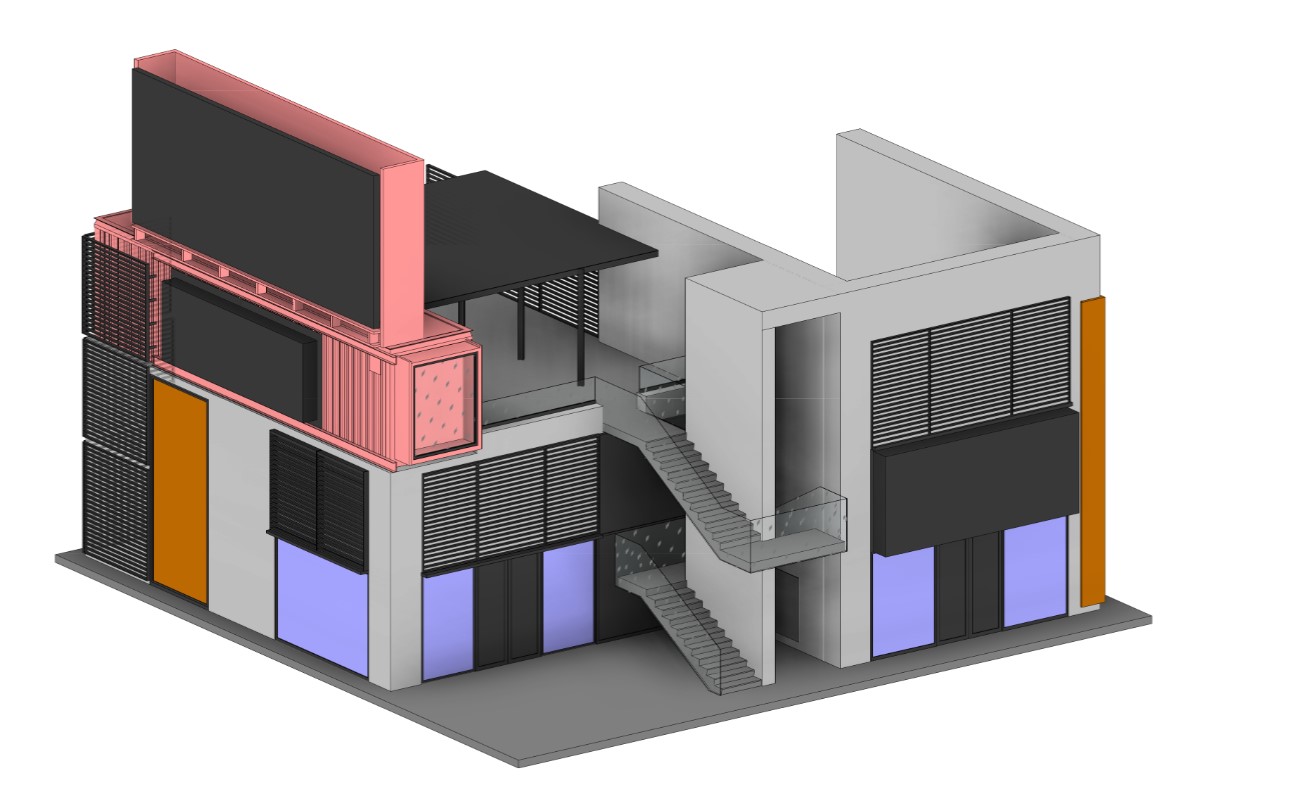
Revit BIM modeling in UAE is used when a project needs one coordinated digital model instead of disconnected drawings, separate discipline files, and inconsistent geometry. ScanM2 develops Revit-based BIM models for building projects where accuracy, coordination, and practical engineering use matter more than visual presentation. Our work supports design development, renovation, technical coordination, and model-based project delivery across architectural, structural, and MEP scopes.
Contact Us Now for a Free Consultation!
Why Revit BIM Models Matter in Complex Building Projects
On complex projects, separate drawing sets are often not enough to keep architecture, structure, and MEP systems aligned. A coordinated Revit BIM model creates one shared digital environment where teams can review geometry, compare disciplines, and work with structured building information throughout the project lifecycle.
This is especially important for:
- multidisciplinary building projects
- technically dense environments
- renovation and retrofit work
- existing buildings with incomplete documentation
- projects requiring coordinated digital deliverables
- teams working with design updates and phased development
Instead of relying on fragmented files, consultants and contractors can work with one organized model structure prepared for review, coordination, and project use.
Types of Revit BIM Models We Develop
The structure of a Revit BIM model depends on project goals, required disciplines, and the level of coordination needed. ScanM2 develops models that are useful for real project tasks rather than only for visualization.
Typical model scope may include:
- architectural geometry
- structural systems
- floors, walls, roofs, and openings
- facade elements
- columns, beams, slabs, and framing
- HVAC, plumbing, and electrical systems
- service zones and technical spaces
- coordinated multi-discipline model environments
Models may be prepared as separate discipline packages or as a combined federated environment depending on how the project team plans to use them.
Revit BIM Models for Design Coordination, Renovation, and Delivery
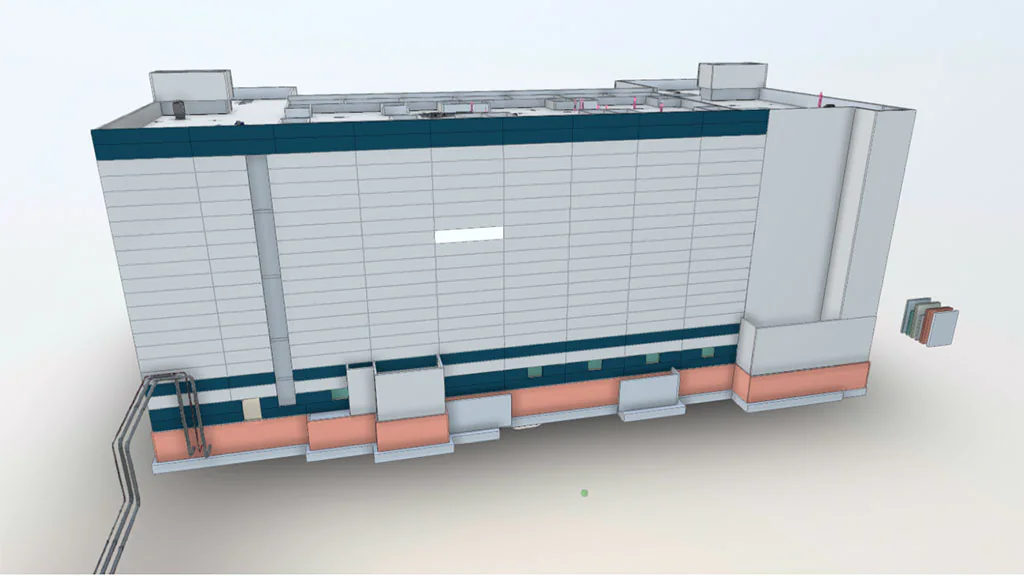
A Revit BIM model becomes especially valuable when teams need to test design decisions against real geometry, organize discipline coordination, or prepare a more reliable base for project delivery.
Typical use cases include:
- design coordination before construction
- renovation planning
- redevelopment of existing buildings
- clash review between disciplines
- technical review of architectural and engineering systems
- model-based support for project delivery
For new-build and renovation projects alike, coordinated Revit models reduce uncertainty and make downstream design and documentation more predictable.
Architectural, Structural, and MEP Revit Modeling
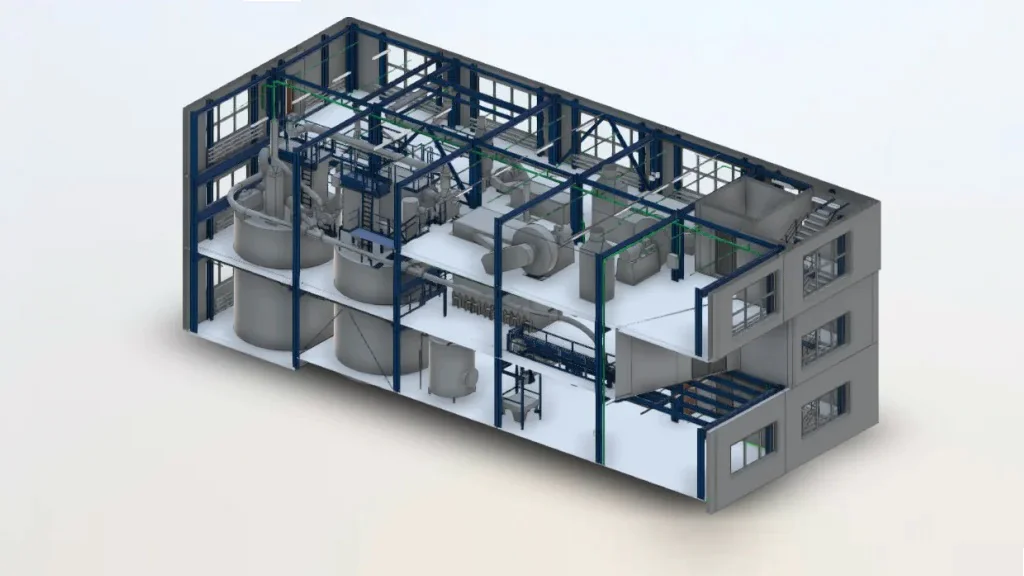
Architectural Revit models
Architectural Revit modeling may include layouts, facades, roof geometry, openings, interior and exterior building form, and spatial organization required for design development and coordination.
Structural Revit models
Structural Revit models may include columns, beams, slabs, framing systems, and other load-bearing geometry used for engineering review, redesign, planning, and coordinated project development.
MEP Revit models
MEP Revit models may include HVAC, plumbing, and electrical systems, technical service zones, and coordinated engineering layouts used for system review and multidisciplinary coordination.
This discipline-based approach helps ensure that each model remains useful for real project workflows and not only as a visual representation of the building.
What Clients Receive
Depending on project scope, clients may receive:
- discipline-specific Revit BIM models
- federated building models for coordination
- architectural, structural, and MEP model packages
- documentation-ready models prepared for downstream use
- model environments structured for review and project updates
- deliverables aligned with renovation, design, and technical workflows
Where needed, documentation-ready model outputs may also support downstream Revit drawing services for project delivery and coordinated documentation.
Revit BIM Modeling for Existing Buildings and Documentation Upgrade
Revit BIM modeling is particularly useful for projects involving existing buildings, renovation, and documentation upgrade. In these cases, legacy drawings and incomplete files rarely provide enough confidence for coordinated design decisions. A structured digital model gives the team a clearer understanding of the building and a better basis for further work.
For existing-condition workflows, project development may begin with 3D laser scanning to capture verified geometry on site. When measured data is used as the source reference, preliminary point cloud processing may be required before modeling starts. In scan-based projects, Revit model creation may also connect with scan to BIM workflows. Where legacy drawings still play a major role, model development may also relate to CAD to BIM conversion. For renovation and verification tasks, final coordinated models can also support updated as-built documentation.
Revit BIM Deliverables and Project Use
| Modeling type | What is included | Typical use |
|---|---|---|
| Architectural Revit BIM model | Layouts, facades, roof geometry, openings | Design development, renovation, coordination |
| Structural Revit BIM model | Columns, beams, slabs, framing systems | Engineering review, redesign, planning |
| MEP Revit BIM model | HVAC, plumbing, electrical systems | Technical coordination, clash review, delivery |
| Federated BIM model | Combined discipline models in one environment | Multidisciplinary coordination, project control |
| Documentation-ready model | Structured model prepared for downstream outputs | Review, drawing production, delivery workflows |
Typical Revit BIM Project Examples
Examples of architectural, structural, and MEP Revit BIM models developed for coordinated building development, renovation, and project delivery.
Why Clients Choose ScanM2
Clients choose ScanM2 for Revit BIM modeling when they need models that are technically usable, coordinated across disciplines, and prepared for real project tasks.
Key advantages include:
- engineering-focused model development
- coordinated digital environments instead of fragmented files
- better integration between architecture, structure, and MEP
- stronger support for renovation and existing building projects
- structured Revit-based deliverables
- practical models prepared for coordination, review, and delivery
Our focus is not on abstract BIM production, but on models that support measurable project outcomes.
FAQ
What are 2D CAD documentation services?
What drawings can be included in a 2D CAD documentation package?
Do you provide architectural, structural, and MEP CAD drafting?
Are 2D CAD drawings still used in construction and renovation projects?
Can 2D CAD documentation be based on measured site data?
Need Revit BIM Modeling Services in UAE?
ScanM2 provides Revit BIM modeling services in UAE for projects that require coordinated digital building models for design development, renovation, technical coordination, and model-based delivery. We support architectural, structural, and MEP workflows with Revit models prepared for practical project use.

