

Reverse Engineering Services for Theaters and Museums
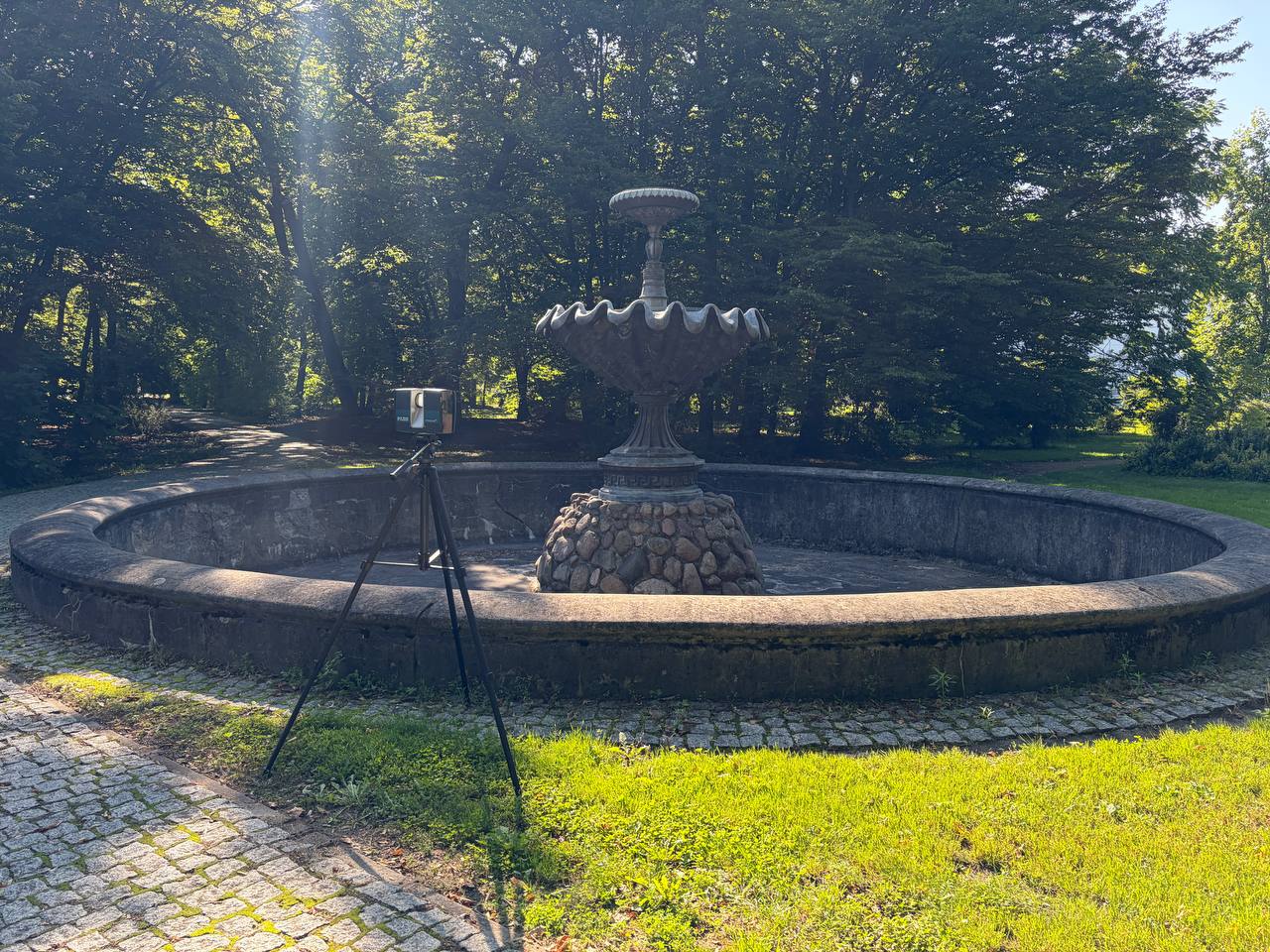
Historic theaters and museums often contain architectural details that have been damaged, altered, or lost over decades of use. Decorative moldings, sculptures, stage components, ornamental ceilings, façade elements, and custom architectural features frequently require accurate digital reconstruction before restoration or reproduction can begin.
At ScanM2, we provide Reverse Engineering Services for Theaters and Museums, transforming laser scan data into precise CAD and 3D models that support restoration, conservation, manufacturing, and heritage preservation. Every reconstructed element is based on measured geometry rather than assumptions, ensuring reliable results for architects, engineers, conservators, and fabrication specialists.
Contact Us Now for a Free Consultation!
Whether restoring a historic theater auditorium, recreating decorative museum interiors, or reproducing architectural elements for conservation projects, our reverse engineering services provide an accurate digital foundation for every stage of restoration.
When Reverse Engineering Is Required
Reverse engineering becomes essential whenever original design documentation is unavailable or existing architectural elements can no longer be accurately measured using traditional methods.
Historic theaters and museums often include handcrafted decorative features, irregular geometry, and architectural components that have deteriorated over time. By combining high-precision laser scanning with advanced digital modeling, these elements can be reconstructed with exceptional accuracy while preserving their original proportions and character.
The resulting models support restoration planning, fabrication, engineering analysis, and long-term digital preservation.
Reverse Engineering Applications for Cultural Buildings
Decorative Architectural Elements
Reconstruction of moldings, cornices, capitals, ornamental stonework, and decorative ceiling components.
Historic Façades
Digital reconstruction of damaged façade elements while preserving original architectural proportions.
Theater Interiors
Modeling balconies, decorative auditoriums, stage structures, proscenium arches, and historical interior details.
Museum Architectural Features
Accurate recreation of exhibition halls, staircases, columns, decorative finishes, and heritage elements.
Custom Restoration Components
Preparation of manufacturing-ready models for replacement elements that match the original architecture.
Our Reverse Engineering Workflow
Reality Capture
Existing geometry is captured using high-precision laser scanning technology.
Point Cloud Processing
Raw scan data is registered and optimized through our Point Cloud Processing Services for Theaters and Museums.
Surface Reconstruction
Complex geometry is converted into accurate digital surfaces suitable for engineering and restoration.
CAD & 3D Modeling
Detailed digital models are developed for restoration planning, fabrication, and BIM integration.
Quality Verification
Every reconstructed element is compared with the original scan data to ensure geometric accuracy.
Benefits of Reverse Engineering for Theaters and Museums
Reverse engineering provides a reliable method for recreating architectural elements that are difficult or impossible to reproduce using conventional measurements. By working directly from verified laser scan data, restoration teams can preserve original geometry while reducing uncertainty throughout the project.
Preserve Historic Character
Digital reconstruction maintains the proportions, profiles, and architectural details that define the identity of theaters and museums.
Recreate Missing Components
Damaged or missing architectural features can be accurately reconstructed using measured existing conditions instead of assumptions or historical sketches.
Improve Restoration Accuracy
Accurate digital models reduce interpretation errors and provide architects, conservators, and contractors with reliable reference information throughout the restoration process.
Support Manufacturing
Engineering-ready CAD models can be used for CNC machining, stone carving, casting, metal fabrication, and other manufacturing processes required for restoration.
Create Permanent Digital Records
Reverse-engineered models preserve valuable architectural information for future conservation, maintenance, and documentation of cultural heritage assets.
Deliverables for Reverse Engineering Projects
Depending on project objectives, ScanM2 prepares digital models suitable for restoration, engineering, manufacturing, and BIM workflows.
Typical deliverables include:
- CAD Models
- Surface Models
- Solid Models
- Parametric Models
- STEP Files
- IGES Files
- STL Files
- DWG Drawings
- Manufacturing Documentation
- BIM-Ready Geometry
Projects requiring intelligent digital building models can continue with our BIM Modeling Services for Theaters and Museums, while projects beginning with reality capture can utilize our 3D Laser Scanning Services for Theaters and Museums.
Why Choose ScanM2 for Reverse Engineering
Reverse engineering for cultural buildings requires a combination of precise reality capture, advanced digital modeling, and an understanding of historical architecture. Decorative interiors, complex geometry, handcrafted architectural details, and irregular building elements demand significantly greater attention than standard commercial projects.
ScanM2 combines laser scanning, point cloud processing, CAD modeling, and BIM expertise to create highly accurate digital reconstructions that support architects, engineers, conservators, and restoration specialists. Every model is developed from verified scan data and undergoes quality control before delivery, ensuring dependable geometry for restoration, fabrication, and long-term digital preservation.

