

Scan to BIM Services for Theaters and Museums
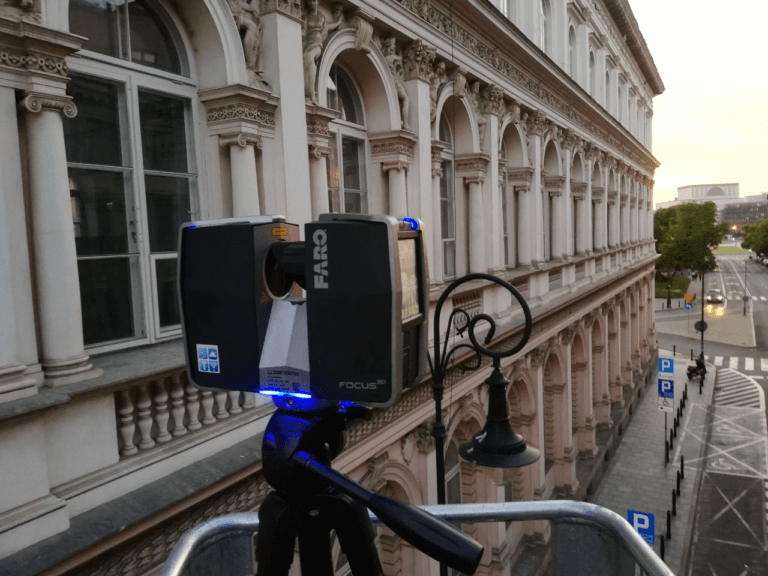
Theaters and museums require accurate digital building models to support restoration, renovation, exhibition redesign, accessibility improvements, and facility modernization. Traditional drawings often fail to reflect complex interiors, stage equipment, exhibition layouts, and years of building modifications.
At ScanM2, we provide Scan to BIM Services for Theaters and Museums, transforming high-precision laser scan data into intelligent BIM models that accurately represent the existing conditions of cultural buildings. Our models help architects, engineers, museum planners, and theater designers coordinate projects more efficiently while reducing design risks and unnecessary site visits.
Contact Us Now for a Free Consultation!
Whether documenting historic museums, concert halls, theaters, galleries, or exhibition centers, we create BIM models that become a reliable digital foundation for every stage of the project.
Why Cultural Buildings Benefit from Scan to BIM
Cultural facilities combine complex architecture with constantly evolving functional spaces. Exhibition layouts change, technical systems are modernized, and historical interiors require careful preservation.
By converting verified point cloud data into intelligent BIM models, project teams gain a coordinated digital environment that simplifies renovation planning, interdisciplinary collaboration, and long-term facility management.
BIM Models for Theater and Museum Projects
Existing Conditions Models
Accurate digital representations of current building conditions before renovation or restoration.
Architectural BIM Models
Models supporting architectural planning, interior redesign, and heritage conservation.
Structural BIM Models
Digital structural information for engineering analysis and rehabilitation projects.
MEP Coordination Models
Accurate representation of HVAC, electrical, plumbing, and stage systems for coordinated upgrades.
How Scan to BIM Supports Cultural Facilities
Instead of стандартного workflow.
Renovation Planning
Improve design decisions using reliable existing conditions.
Exhibition Design
Plan new exhibition layouts without repeated field measurements.
Theater Modernization
Coordinate stage equipment, lighting systems, and technical infrastructure.
Facility Management
Maintain accurate building information throughout the building lifecycle.
Heritage Preservation
Create digital records that support conservation and future restoration work.
Project Example: National Museum of Ethnography
ScanM2 transformed laser scan data from the National Museum of Ethnography into an accurate BIM model that supported a major restoration initiative. The project included detailed documentation of exhibition spaces, historic interiors, façades, stained-glass windows, and structural elements.
National Museum of Ethnography Project Gallery & Results


The resulting BIM model provided architects and engineers with reliable existing conditions information for restoration planning, multidisciplinary coordination, and technical documentation. By integrating verified scan data into a single digital model, the project team significantly improved collaboration while preserving the museum’s historical character.
Explore Our Complete Cultural Buildings Portfolio →
Deliverables for Theater and Museum Scan to BIM Projects
Depending on project requirements, we deliver:
- Architectural BIM models
- Structural BIM models
- Existing conditions models
- Revit models
- Archicad models
- IFC models
- BIM-ready datasets
- Coordination models
- Digital documentation
- Existing conditions information
Projects requiring additional documentation can also benefit from our As-Built Drawings for Theaters and Museums and BIM Modeling for Theaters and Museums.
Why ScanM2 for Cultural Building Scan to BIM
ScanM2 combines advanced laser scanning technology with BIM expertise to create highly accurate digital models of theaters, museums, and cultural facilities.
Every BIM model is developed from verified point cloud data, ensuring reliable geometry for architects, engineers, museum operators, and restoration specialists while minimizing project risks and improving coordination.

