

BIM Modeling for Chemical Manufacturing Facilities
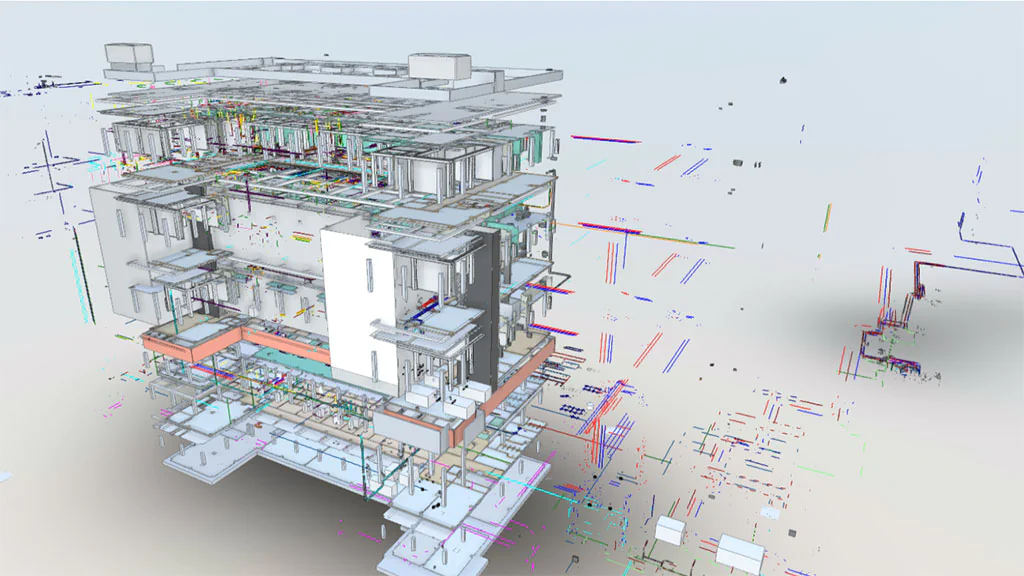
Chemical manufacturing facilities are among the most complex industrial environments to design, maintain, and upgrade. These plants contain dense networks of pipeline infrastructure, chemical processing units, distillation columns, reactors, and heavy industrial equipment that must operate safely under strict regulatory and operational constraints.
To manage this complexity, engineering teams increasingly rely on BIM modeling for chemical manufacturing. Digital plant models allow engineers to visualize process equipment, structural components, and utilities in a coordinated environment before modifications or expansions are implemented.
Unlike generic industrial modeling, chemical plant BIM modeling focuses on representing process-critical systems such as reactor vessels, distillation systems, chemical storage units, and process pipelines, where spatial accuracy and engineering coordination are essential for safety and operational continuity.
Contact Us Now for a Free Consultation!
Why BIM Is Used in Chemical Manufacturing Plants
Chemical production facilities operate with interconnected process systems that must meet strict safety, environmental, and operational standards. Even small layout changes can affect pressure systems, process flows, or maintenance accessibility.
BIM technology allows engineers to work with a coordinated digital plant environment where every element—from structural steel frames to chemical reactors—is modeled in relation to the entire facility.
In chemical manufacturing plants, BIM models are commonly used to:
- Document existing infrastructure for aging plants
- Coordinate upgrades to distillation systems and reactor units
- Plan new pipeline routes within congested production areas
- Support safety planning and regulatory documentation
- Improve collaboration between mechanical, structural, and process engineers
For facilities built decades ago with incomplete documentation, digital modeling becomes particularly valuable. Technologies such as laser scanning capture existing plant geometry and convert it into precise data that can be integrated into process plant BIM models.
Key Challenges of Chemical Plant Infrastructure
Chemical plants present unique challenges that differ significantly from other industrial environments.
First, the density of process equipment creates extremely tight spaces. Large reactor vessels, distillation columns, heat exchangers, and storage tanks must be installed alongside structural frameworks, maintenance platforms, and pipe racks.
Second, the extensive pipeline networks that connect processing units can span multiple levels of the facility. These pipelines carry different chemical products and must follow strict routing requirements to maintain process efficiency and safety.
Another challenge is the coexistence of high-temperature processing units and hazardous material systems, which require careful equipment spacing and access planning for inspections.
The following table summarizes several infrastructure challenges and how BIM modeling helps address them.
| Chemical Plant Challenge | How BIM Modeling Helps |
| Dense process equipment layouts | Enables 3D visualization of reactors, distillation columns, and structural systems |
| Complex pipeline infrastructure | Allows engineers to coordinate pipeline routing within existing pipe racks |
| Limited maintenance access | Simulates maintenance zones around equipment |
| Aging documentation | Reconstructs accurate digital plant models using scan data |
| Plant modernization projects | Supports engineering coordination for new equipment installations |
By converting the facility into a coordinated digital environment, industrial BIM coordination becomes significantly more efficient for engineering teams.
BIM Modeling Workflow for Chemical Facilities
Creating accurate BIM models for chemical manufacturing plants requires a structured workflow that integrates field data capture with digital modeling.
Laser scanning
The first stage typically involves 3D Laser Scanning, where high-precision scanners capture the geometry of existing plant infrastructure. This process generates millions of spatial measurements representing pipes, platforms, equipment, and structural systems.
Laser scanning is particularly valuable in chemical plants because it captures:
- Pipeline routing across multiple levels
- Structural steel frameworks supporting process equipment
- Reactor vessels and distillation towers
- Maintenance platforms and access structures
Point cloud processing
After scanning, the collected data is converted into a structured digital dataset through point cloud processing. Engineers clean and align the scan data to remove noise and combine multiple scan positions into a single coordinate system.
The processed dataset becomes the foundation for building accurate digital models used in chemical plant BIM modeling and industrial facility coordination.
BIM modeling
Using the processed point cloud, specialists develop detailed BIM models for chemical facilities.
These models typically include:
- Pipeline infrastructure
- Process equipment models
- Structural steel systems
- Platforms and maintenance access areas
- Utility systems
At this stage, engineers often integrate modeling with Scan to BIM workflows to convert real-world plant geometry into intelligent BIM components.
Coordination
Once the BIM model is complete, engineering teams use it for coordination across multiple disciplines. Mechanical, structural, and process engineers can review the same digital environment to identify potential conflicts between equipment, piping, and structural systems.
This coordinated modeling approach is especially important when introducing new industrial equipment BIM models into existing production areas.
Applications of BIM in Chemical Manufacturing
BIM technology supports a wide range of engineering and operational tasks in chemical manufacturing plants.
Plant upgrades
When facilities expand production capacity, engineers must install additional reactors, separation systems, or chemical processing units. BIM models allow teams to analyze available space and verify installation feasibility before construction begins.
Engineering coordination
Chemical plants require collaboration between multiple engineering disciplines. BIM environments help coordinate piping systems, structural supports, and equipment installations within constrained plant layouts.
Digital plant documentation
Many chemical plants rely on outdated 2D drawings. BIM models provide a centralized digital record of plant infrastructure, including equipment locations, pipeline networks, and structural elements.
Modernization planning
For aging plants, modernization projects often involve replacing outdated equipment or rerouting pipeline systems. BIM models help engineers simulate these changes digitally, reducing risks before physical work begins.
Examples of BIM Models for Chemical Facilities
Chemical Plant BIM Modeling Examples
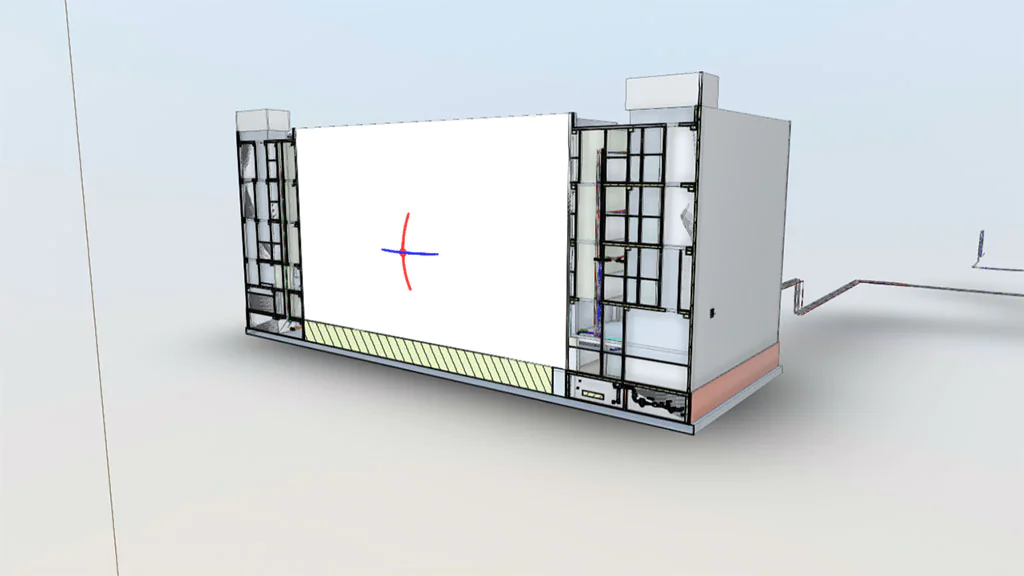
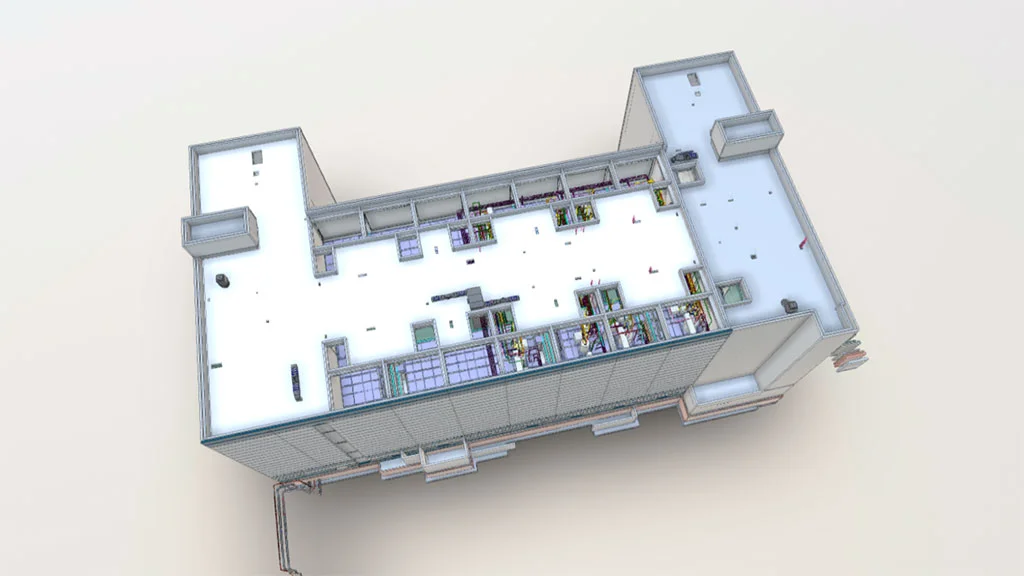
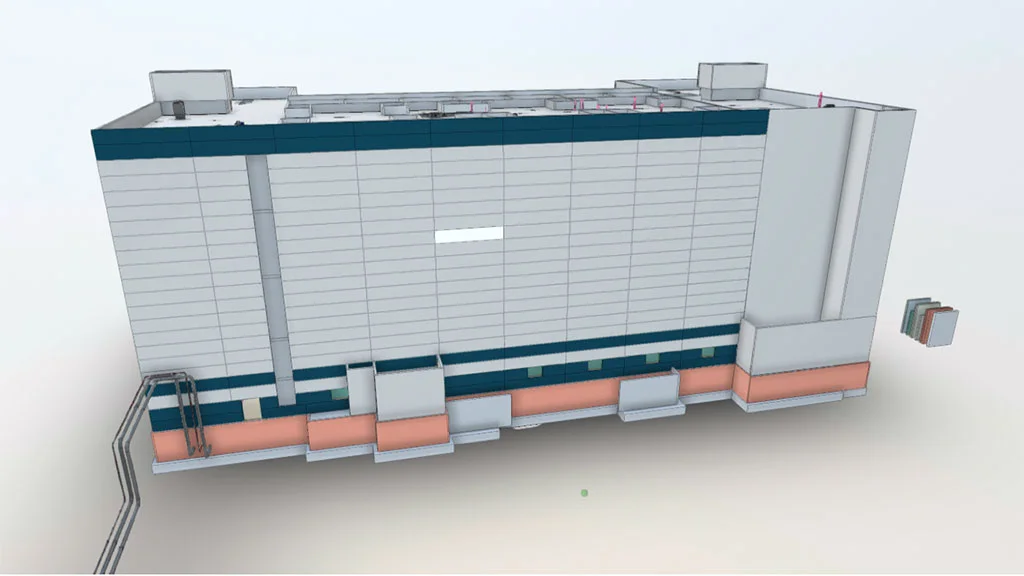
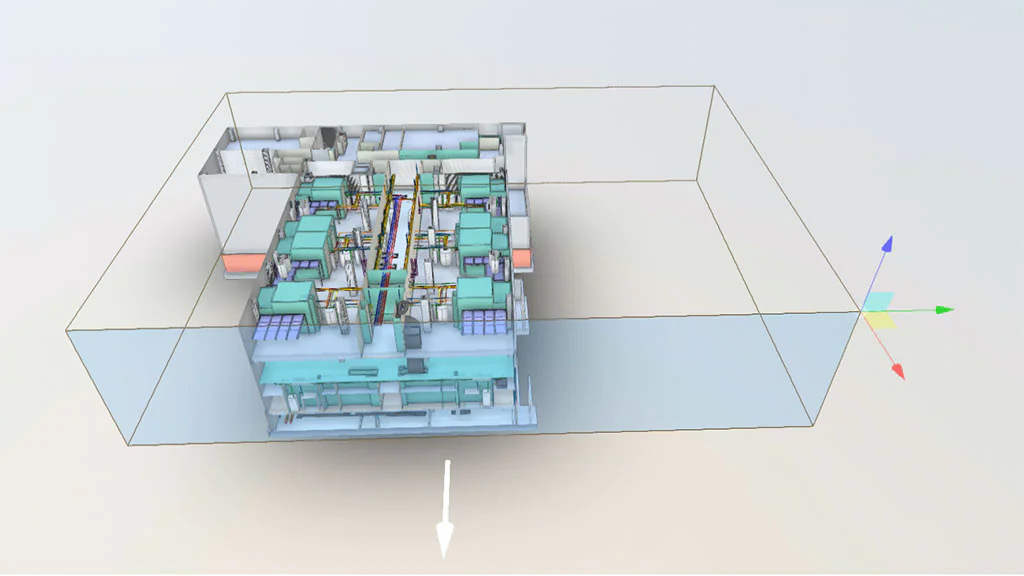
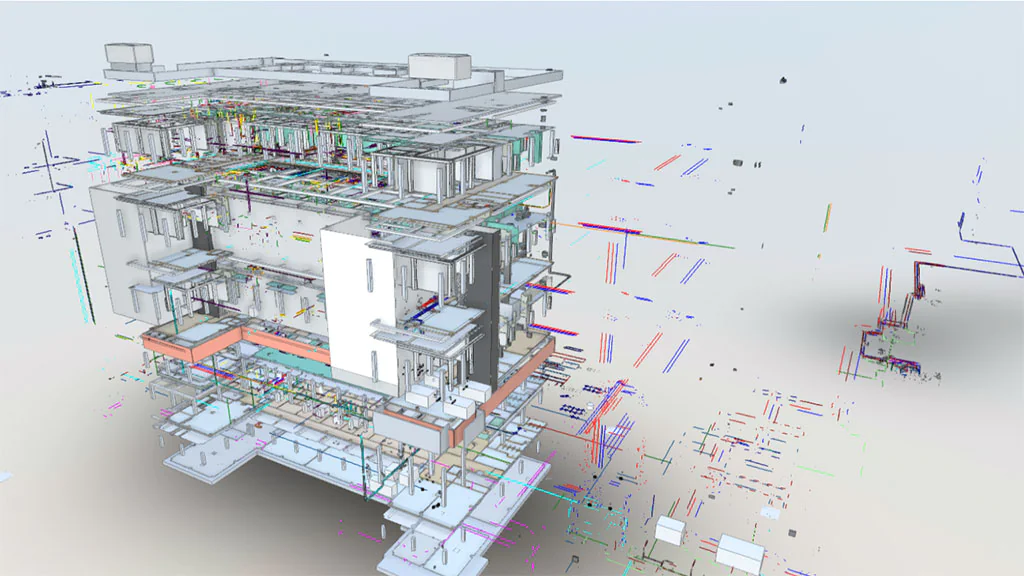
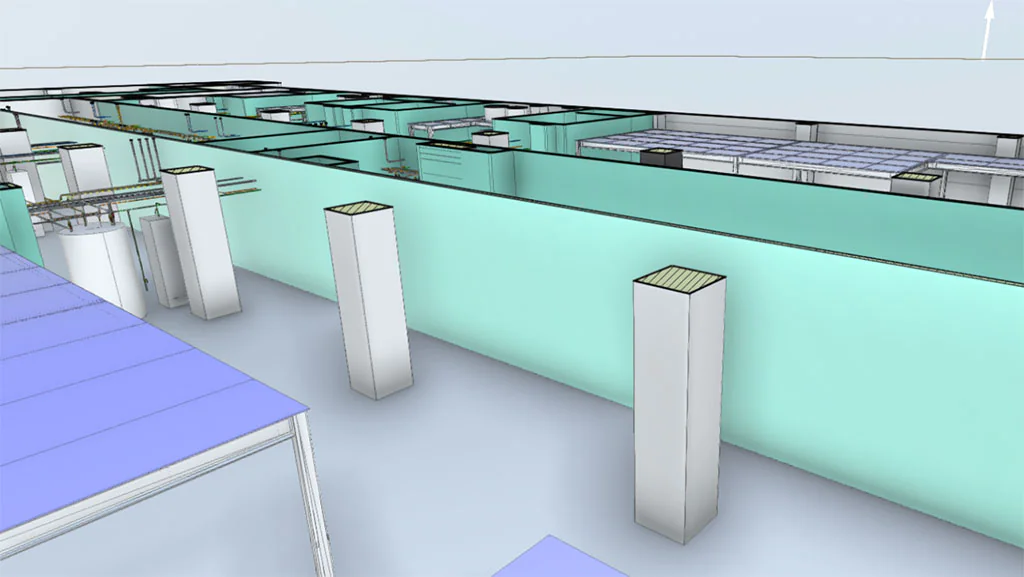
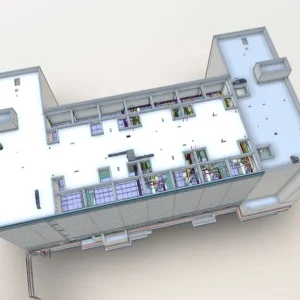
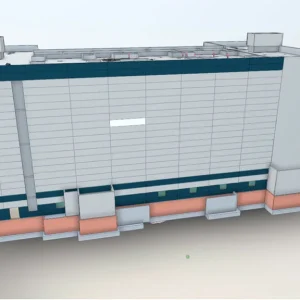
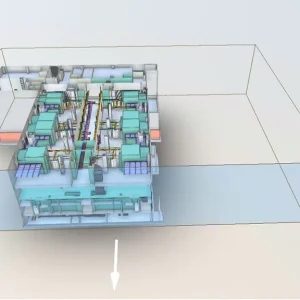
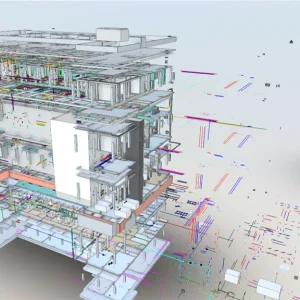
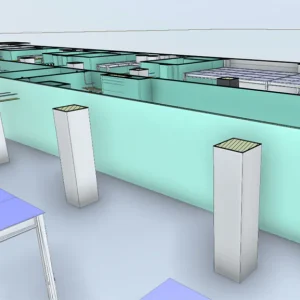
Typical BIM models developed for chemical manufacturing facilities include:
- Reactor unit layouts
- Distillation tower assemblies
- Pipe rack infrastructure
- Industrial equipment installations
- Structural steel frameworks supporting process systems
These models help engineering teams evaluate spatial constraints, safety zones, and maintenance access throughout the plant.
Benefits of BIM for Chemical Plant Operators
For plant owners and operators, BIM models offer practical advantages that extend beyond design and construction.
One of the most important benefits is improved maintenance planning. With accurate digital models of equipment and infrastructure, maintenance teams can evaluate access routes, replacement procedures, and shutdown strategies before work begins.
Another advantage is improved planning for plant modernization projects. When upgrading reactors or installing new processing units, operators can use digital plant models to analyze how changes will affect surrounding equipment and pipelines.
Additional benefits include:
- Improved engineering coordination
- Reduced design conflicts during upgrades
- Accurate documentation of existing plant infrastructure
- Enhanced safety planning around hazardous process units
- Faster planning for equipment replacement projects
As chemical manufacturing facilities continue to evolve, chemical plant BIM modeling is becoming an essential tool for managing complex production environments.

