

As-Built Drawings for Chemical Manufacturing Facilities
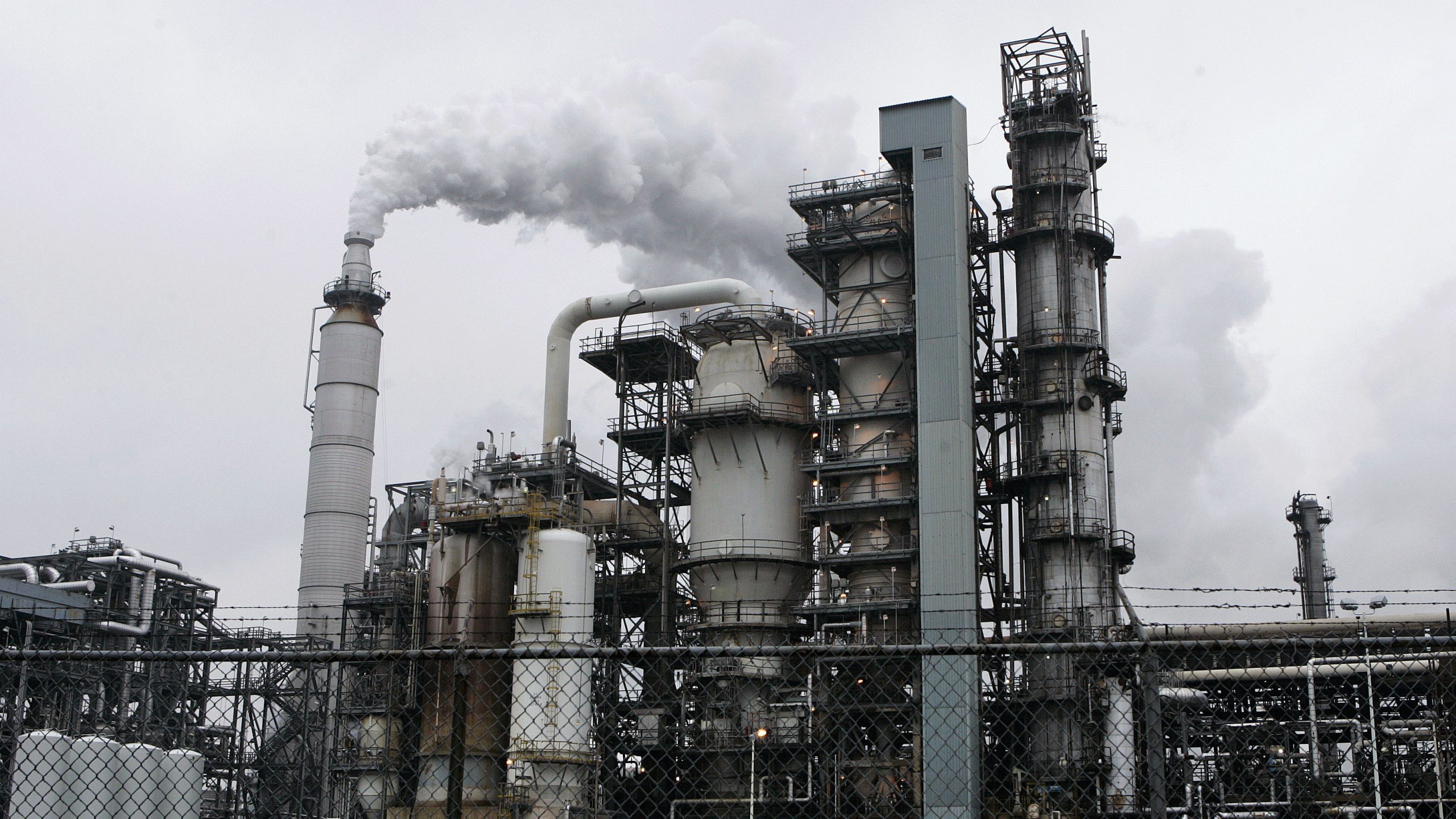
Chemical manufacturing facilities are among the most complex industrial environments. Over time, continuous modifications, retrofits, and maintenance work cause the original design documentation to diverge from the physical infrastructure. As-built drawings for chemical plants provide an accurate representation of the facility’s current condition, reflecting real-world configurations of equipment, pipelines, structures, and process systems.
Reliable chemical manufacturing as-built documentation ensures that engineers, operators, and planners have precise information about the plant’s infrastructure. This documentation is essential for maintenance planning, safety compliance, modernization projects, and operational efficiency.
Contact Us Now for a Free Consultation!
Why Accurate As-Built Documentation Is Critical for Chemical Plants
Chemical processing facilities operate under strict safety, operational, and regulatory requirements. Any discrepancy between actual plant conditions and outdated documentation can introduce operational risks or engineering challenges.
Accurate as-built drawings for chemical processing plants provide a reliable technical foundation for a wide range of industrial tasks.
Key reasons accurate documentation is critical include:
1. Operational Safety
Chemical plants contain hazardous substances, pressurized systems, and high-temperature processes. Accurate drawings help engineers understand:
- the exact location of reactors and distillation columns
- routing of industrial pipelines
- structural support systems and steel platforms
- access points for maintenance
Without correct as-built drawings, emergency planning and safety procedures may rely on incorrect assumptions.
2. Maintenance and Inspection
Routine inspections require detailed documentation of equipment layouts and pipeline networks as-built documentation for chemical facilities helps maintenance teams locate:
- valves and instrumentation
- pump stations
- pipe racks and utility corridors
- access platforms and structural elements
Accurate records reduce maintenance time and minimize the risk of damaging critical process equipment.
3. Plant Upgrades and Expansion
Many chemical plants operate for decades and undergo multiple modernization phases. When expanding chemical processing units or installing new storage tanks, engineers must know exactly how existing systems are arranged.
Industrial as-built drawings for chemical plants provide the reference needed to safely integrate new infrastructure.
4. Regulatory Compliance
Chemical manufacturing facilities are subject to environmental and safety regulations. Inspectors and regulatory agencies often require precise facility documentation to verify compliance with safety standards and operational protocols.
Challenges in Documenting Chemical Manufacturing Infrastructure
Creating reliable process plant as-built drawings in chemical facilities presents several technical challenges.
Complex equipment density
Chemical plants contain tightly packed systems such as:
- reactors
- distillation columns
- heat exchangers
- pumps and compressors
- pipe racks and industrial pipelines
Capturing this complexity requires highly detailed data collection.
Multiple infrastructure layers
Chemical manufacturing infrastructure typically includes:
- process equipment
- pipeline networks
- structural frameworks
- electrical and instrumentation systems
Each layer must be documented with high accuracy to ensure interoperability between engineering disciplines.
Restricted access zones
Certain areas of chemical plants have limited access due to:
- hazardous materials
- high temperatures
- confined spaces
- operational constraints
These limitations make traditional manual measurement methods inefficient and potentially unsafe.
Frequent modifications
Plants often undergo:
- equipment replacement
- pipeline rerouting
- structural reinforcements
- installation of new processing units
Without continuous updates, documentation quickly becomes outdated.
Scale of industrial sites
Large chemical manufacturing facilities may cover extensive industrial areas with hundreds of interconnected systems. Documenting such environments requires scalable data capture technologies.
Our As-Built Documentation Workflow for Chemical Facilities
Modern industrial facility documentation combines advanced scanning technologies with engineering modeling workflows to produce highly accurate drawings and digital models.
A typical as-built documentation process includes several stages.
1. Data Capture with 3D Laser Scanning
The process begins with 3D laser scanning of the facility. Laser scanners capture millions of spatial measurements that represent the geometry of equipment, pipelines, and structures.
This process produces a dense dataset known as a point cloud, which accurately reflects the physical environment.
Advantages of laser scanning include:
- millimeter-level accuracy
- rapid data collection
- minimal disruption to plant operations
- ability to capture complex industrial environments
Large chemical facilities often require multiple scanning positions to capture the entire infrastructure.
2. Point Cloud Processing
Once scanning is completed, the collected data undergoes point cloud processing.
This stage involves:
- registering multiple scans into a unified coordinate system
- removing noise and redundant points
- aligning datasets with plant reference coordinates
The result is a highly detailed digital representation of the chemical plant environment.
Point cloud data becomes the primary reference for creating engineering documentation.
3. Scan to BIM Modeling
Using Scan to BIM methodologies, engineers convert point cloud data into structured digital models.
These BIM models represent industrial components such as:
- reactors
- distillation columns
- storage tanks
- pipelines and pipe racks
- steel platforms and structural frames
Each element in the model reflects the real geometry and location of the corresponding physical component.
The BIM environment allows engineers to coordinate different systems and analyze spatial relationships within the plant.
4. Reverse Engineering Workflows
In cases where original design documentation is missing or outdated, reverse engineering workflows are used.
Engineers analyze the point cloud data to reconstruct:
- equipment geometry
- pipeline routing
- structural configurations
This process allows the creation of precise drawings even when no previous documentation exists.
5. Generation of As-Built Drawings
The final stage involves producing detailed industrial as-built drawings of chemical plants based on the BIM models and point cloud data.
Typical deliverables include:
- equipment layout drawings chemical plants
- pipeline as-built drawings chemical plants
- structural as-built drawings chemical facilities
- general arrangement plans
- cross-sections and elevations
These drawings reflect the current physical condition of the plant and serve as a reliable engineering reference.
Examples of As-Built Documentation for Chemical Plants
BIM Models of Chemical Plant Infrastructure
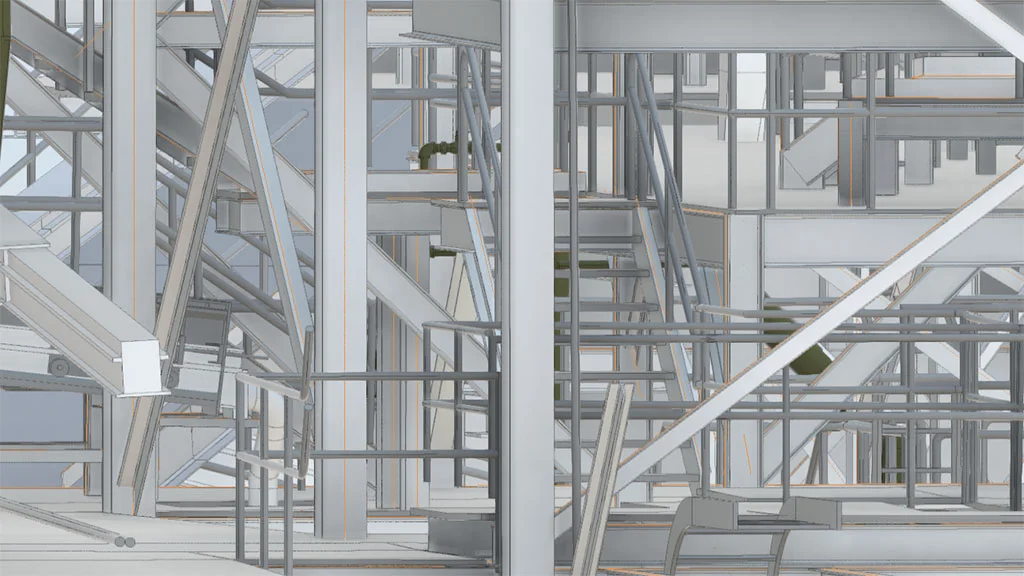
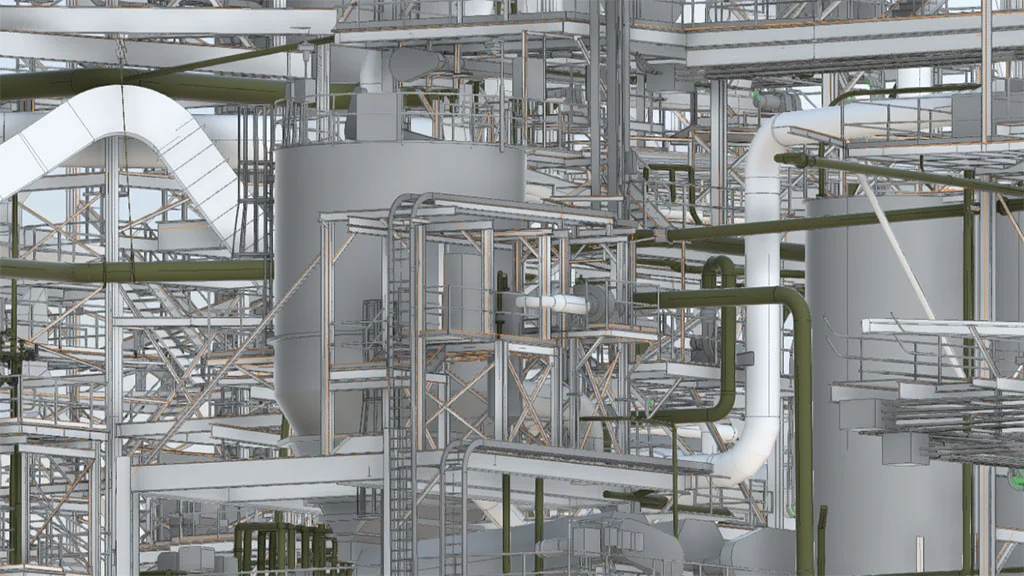
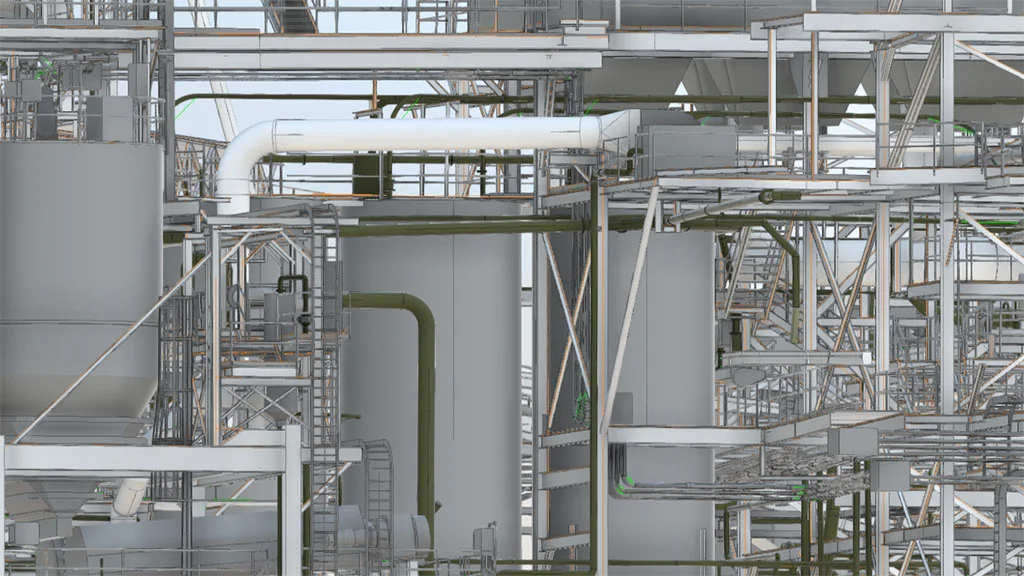
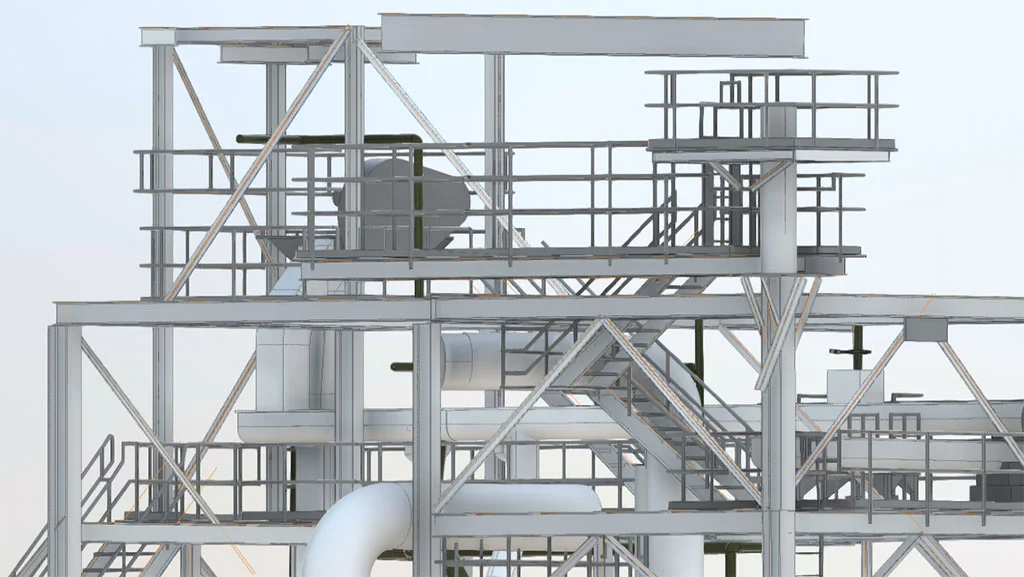
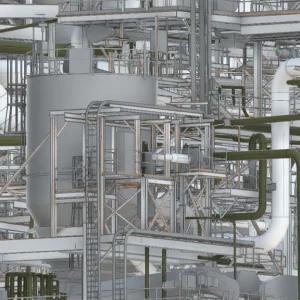
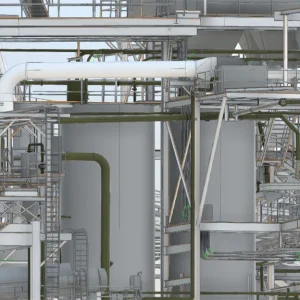
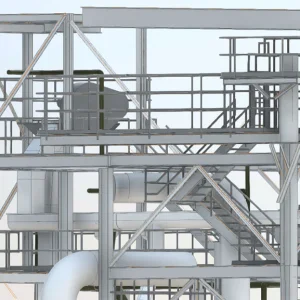
Typical examples of chemical plant documentation may include:
- pipeline routing diagrams within processing units
- structural layouts of steel platforms and support frames
- equipment placement diagrams for reactors and storage tanks
- pipe rack documentation across industrial corridors
- detailed drawings of chemical processing units
Visual documentation helps engineering teams quickly understand the spatial arrangement of complex industrial systems.
What Is Included in Chemical Plant As-Built Drawings
Comprehensive as-built documentation chemical facilities includes several categories of technical drawings.
Equipment Layouts
Equipment layout drawings chemical plants show the physical placement of process equipment within the facility.
These layouts typically include:
- reactors and chemical processing units
- distillation columns
- pumps and compressors
- heat exchangers
- storage tanks
- utility systems
Precise equipment layouts allow engineers to evaluate accessibility, maintenance zones, and safety clearances.
Pipeline Drawings
Pipeline as-built drawings chemical plants document the routing and configuration of industrial pipelines.
Key information includes:
- pipe diameters and routing paths
- valve locations
- connection points between processing units
- pipe rack arrangements
- elevation changes within pipeline systems
These drawings are essential for maintenance, system upgrades, and leak detection planning.
Structural Drawings
Structural as-built drawings chemical facilities capture the framework that supports industrial operations.
They typically include:
- steel platforms and walkways
- structural columns and beams
- equipment foundations
- pipe rack structures
- maintenance access platforms
Structural documentation ensures that modifications or equipment installations do not exceed load capacities.
Process Infrastructure
Chemical plants rely on extensive process infrastructure connecting multiple units.
As-built documentation often includes:
- utility pipelines
- ventilation and exhaust systems
- access corridors and maintenance zones
- instrumentation mounting points
- integration between processing units
These drawings help engineers maintain safe and efficient plant operations.
Engineering Problems As-Built Drawings Help Solve
Accurate as-built drawings help address a wide range of engineering challenges within chemical plants.
1. Detecting spatial conflicts
When installing new equipment or pipelines, engineers must ensure that components do not collide with existing infrastructure. BIM models derived from point cloud data enable early detection of spatial conflicts.
2. Supporting modernization projects
Plant modernization often requires the integration of new processing units into existing facilities. Reliable documentation allows engineers to evaluate available space and infrastructure compatibility.
3. Improving maintenance planning
Detailed equipment and pipeline drawings help maintenance teams quickly locate components, reducing downtime during repairs or inspections.
4. Enhancing safety management
Safety planning requires clear understanding of facility layouts, evacuation routes, and access points. Accurate documentation supports emergency preparedness.
5. Optimizing plant operations
Engineering teams can analyze facility layouts to improve workflow, maintenance accessibility, and operational efficiency.
Applications in Chemical Plant Modernization
Chemical manufacturing facilities frequently undergo modernization to improve productivity, safety, and environmental performance.
As-built drawings play an important role in several modernization scenarios.
Equipment replacement
When aging reactors or distillation columns are replaced, engineers must verify:
- foundation dimensions
- available installation space
- connection points for pipelines and utilities
Process unit upgrades
Upgrading chemical processing units often requires installing additional pumps, valves, and instrumentation. Updated documentation ensures correct integration with existing infrastructure.
Pipeline system modifications
Pipeline networks often require rerouting or capacity expansion. Accurate pipeline as-built drawings provide the reference needed to redesign pipeline routes.
Digital plant transformation
Many industrial facilities are transitioning toward digital plant management systems. BIM models generated through Scan to BIM workflows can serve as the foundation for digital twins and facility management platforms.
Regulatory compliance improvements
Environmental regulations may require modifications to storage tanks, emissions control systems, or waste management infrastructure. Accurate documentation simplifies compliance planning.
FAQ
What are as-built drawings in chemical manufacturing?
As-built drawings are technical documents that reflect the actual configuration of a chemical manufacturing facility after construction or modification. They show the real locations of equipment, pipelines, structures, and process systems.
How are as-built drawings created for chemical plants?
Modern documentation often uses 3D laser scanning to capture the facility geometry. The resulting point cloud data is processed and converted into BIM models using Scan to BIM workflows, which are then used to generate detailed engineering drawings.
What types of drawings are included in chemical plant documentation?
Typical documentation includes equipment layout drawings, pipeline drawings, structural drawings, and general arrangement plans of chemical processing units.
Why is laser scanning used for chemical plant documentation?
Laser scanning can capture complex industrial environments quickly and with high accuracy. It allows engineers to document dense infrastructure such as pipe racks, reactors, and distillation columns without interrupting plant operations.
How do BIM models help chemical plant engineering?
BIM models provide a structured digital representation of plant infrastructure. Engineers can use them to analyze spatial relationships, detect conflicts, plan upgrades, and manage facility data throughout the plant lifecycle.

