

Reverse Engineering for Chemical Manufacturing Facilities
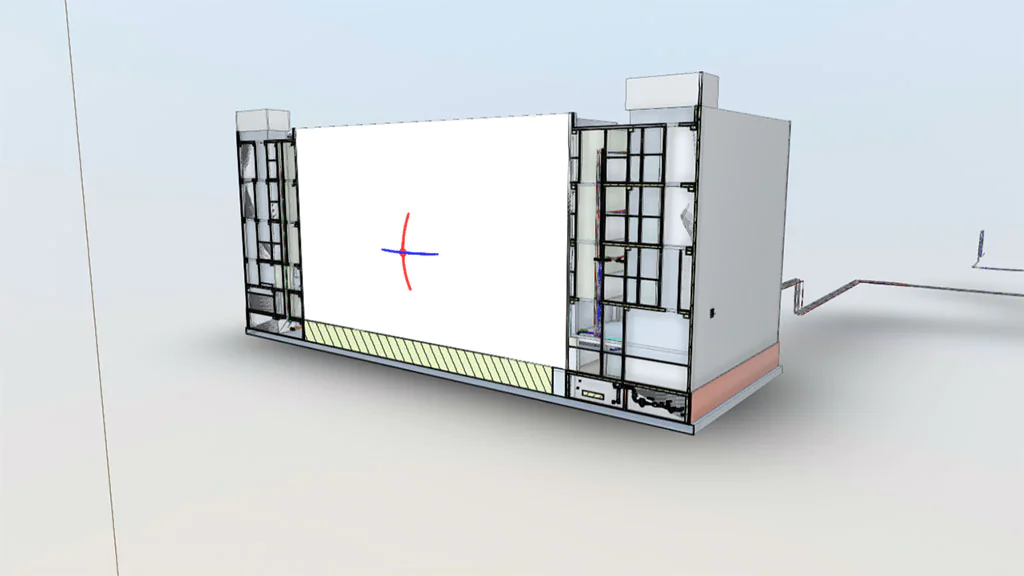
Modern chemical plants often operate for decades, while their original engineering documentation becomes outdated, incomplete, or lost. In such cases, reverse engineering for chemical manufacturing becomes a critical engineering approach that allows operators to reconstruct accurate digital models of equipment and infrastructure.
Through reverse engineering chemical plant equipment, engineers can capture the geometry and configuration of existing systems, including chemical processing units, reactors, heat exchangers, and distillation columns, without interrupting production. This process enables accurate engineering documentation and supports maintenance, upgrades, and equipment replacement.
Contact Us Now for a Free Consultation!
Today, companies offering reverse engineering services for chemical manufacturing combine advanced measurement technologies with digital modeling tools to recreate the physical structure of plants in a reliable engineering format.
During such projects, technologies like 3D Laser Scanning, Point Cloud Processing and BIM Modeling help engineers capture millions of measurement points and convert them into accurate digital models of industrial process equipment, pipeline systems, and structural elements.
Why Reverse Engineering Is Used in Chemical Plants
Chemical manufacturing facilities are among the most complex industrial environments. Equipment is tightly integrated, and any modification requires precise knowledge of existing structures.
Reverse engineering is commonly used when:
- Original engineering drawings are missing or outdated
- Equipment must be replaced but exact specifications are unknown
- Facilities undergo modernization or expansion
- Safety inspections require updated documentation of process units
With industrial reverse engineering chemical plants, engineers can recreate accurate models of storage tanks, distillation columns, heat exchangers, and supporting structures such as steel platforms and industrial piping systems.
This allows plant operators to evaluate spatial constraints, plan upgrades, and ensure compatibility between new and existing equipment.
Engineering Challenges in Chemical Manufacturing Infrastructure
Chemical plants present unique engineering challenges due to the complexity of equipment arrangement and strict safety requirements.
Process Equipment Documentation
Many plants contain critical chemical processing units installed decades ago. Documentation may be incomplete, and modifications performed during maintenance are rarely reflected in official drawings.
Using reverse engineering process equipment, engineers recreate the geometry of reactors, heat exchangers, and auxiliary systems to produce accurate engineering documentation. This is particularly important when planning shutdown maintenance or replacing damaged equipment.
Complex Pipeline Networks
Chemical facilities contain extremely dense pipeline systems transporting raw materials, intermediates, and finished products.
These networks include:
- multi-level industrial piping
- high-temperature process lines
- corrosion-resistant piping systems
- safety relief and bypass lines
Through reverse engineering pipelines, engineers capture the full spatial configuration of pipes, supports, and connections, ensuring that future modifications do not interfere with existing infrastructure.
Aging Industrial Infrastructure
Many chemical plants built in the 1970s–1990s continue to operate today. Over time, components such as steel platforms, support structures, and pipe racks may experience deformation, corrosion, or undocumented repairs.
Reverse engineering industrial equipment allows engineers to reconstruct the actual condition of the facility and produce accurate digital representations for safety analysis and structural evaluation.
Technologies like as-built drawings generation ensure that the reconstructed models reflect the real geometry of the plant rather than outdated design documentation.
Equipment Replacement and Modernization
Replacing major equipment such as distillation columns or reactors is rarely straightforward. New units must fit within existing structures, connect to current pipeline systems, and maintain required clearances for maintenance and safety.
Through engineering reconstruction of equipment, engineers can precisely model surrounding infrastructure and verify installation feasibility before manufacturing replacement components.
Reverse Engineering Workflow for Chemical Plant Equipment
Reverse engineering projects in chemical facilities follow a structured engineering workflow designed to minimize operational disruption.
1. Field Data Collection
The first step involves capturing the geometry of the plant environment. Engineers perform high-resolution measurements using technologies like 3D Laser Scanning to collect spatial data from equipment, piping, and structures.
Millions of measurement points are recorded, representing:
- reactors
- heat exchangers
- storage tanks
- pipeline systems
- supporting steel platforms
This stage is crucial for capturing the complex geometry typical of chemical processing environments.
2. Equipment Measurement
After initial scanning, engineers perform detailed measurements of specific components requiring reconstruction.
This may include:
- flange dimensions and pipe diameters
- nozzle locations on distillation columns
- support structures of storage tanks
- mounting interfaces of industrial process equipment
Such precision ensures compatibility when new equipment or spare parts are manufactured.
3. 3D Modeling
Once the scan data is processed using point cloud processing, engineers begin process equipment 3D modeling.
At this stage, accurate digital models are created for:
- chemical plant equipment modeling
- pipe routing and supports
- equipment shells and internal structures
- maintenance access platforms
These models represent the complete spatial configuration of the plant and serve as the foundation for engineering reconstruction.
4. Engineering Documentation
The final stage converts 3D models into engineering deliverables.
Typical outputs include:
- updated As-Built Drawings
- equipment fabrication drawings
- piping layout documentation
- plant reconstruction models
These documents allow engineers, contractors, and plant operators to coordinate upgrades and maintenance activities safely.
Applications of Reverse Engineering in Chemical Manufacturing
Reverse engineering plays a key role in multiple engineering tasks within chemical plants.
Equipment replacement
When a heat exchanger or reactor fails, reverse engineering for chemical facilities enables engineers to recreate exact dimensions and mounting interfaces for manufacturing a replacement unit.
Modernization
Plant modernization projects often require integrating new technologies into existing infrastructure. Accurate digital models of industrial process equipment allow engineers to simulate modifications before construction.
Spare part reproduction
Many chemical plants use equipment from manufacturers that no longer exist. Using industrial equipment reverse engineering services, engineers can reproduce critical components, including:
- pump housings
- custom valves
- specialized pipe fittings
Plant reconstruction
Major upgrades may involve reconstructing sections of a plant where documentation has been lost. Through industrial plant reconstruction modeling, engineers recreate the layout of pipeline systems, storage tanks, and process equipment.
These services are often delivered by specialized providers offering chemical plant reverse engineering services for complex industrial facilities.
Engineering Benefits for Chemical Plant Operators
Implementing reverse engineering for chemical manufacturing provides several operational advantages:
- accurate documentation of aging infrastructure
- reduced risk during equipment replacement
- improved planning of plant upgrades
- precise modeling of complex piping systems
- faster engineering workflows for reconstruction projects
For facilities undergoing expansion or modernization, working with an experienced reverse engineering contractor chemical plants ensures that engineering data is accurate and reliable.
Examples of Reverse Engineered Industrial Equipment
Reverse Engineering Project Examples
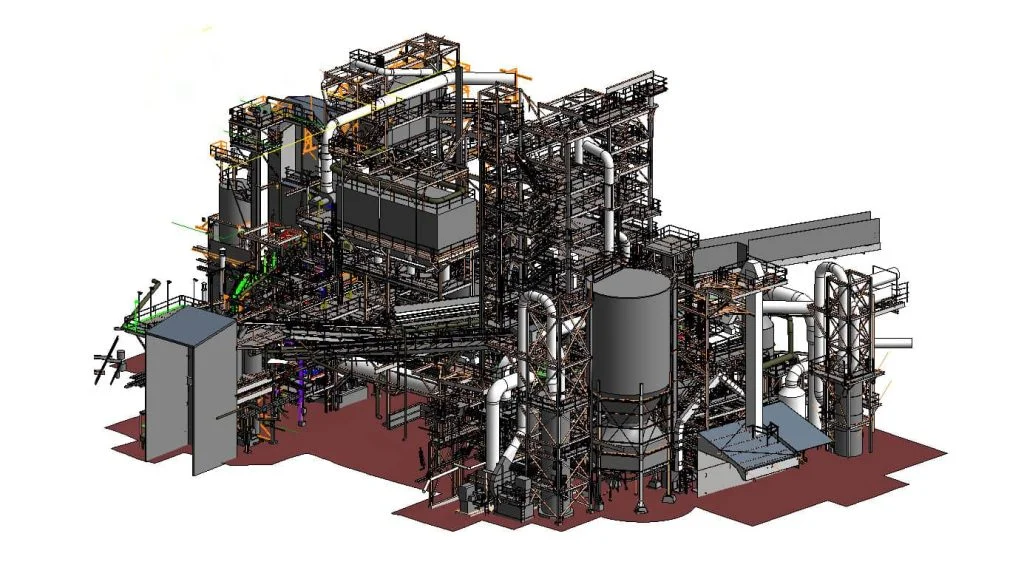

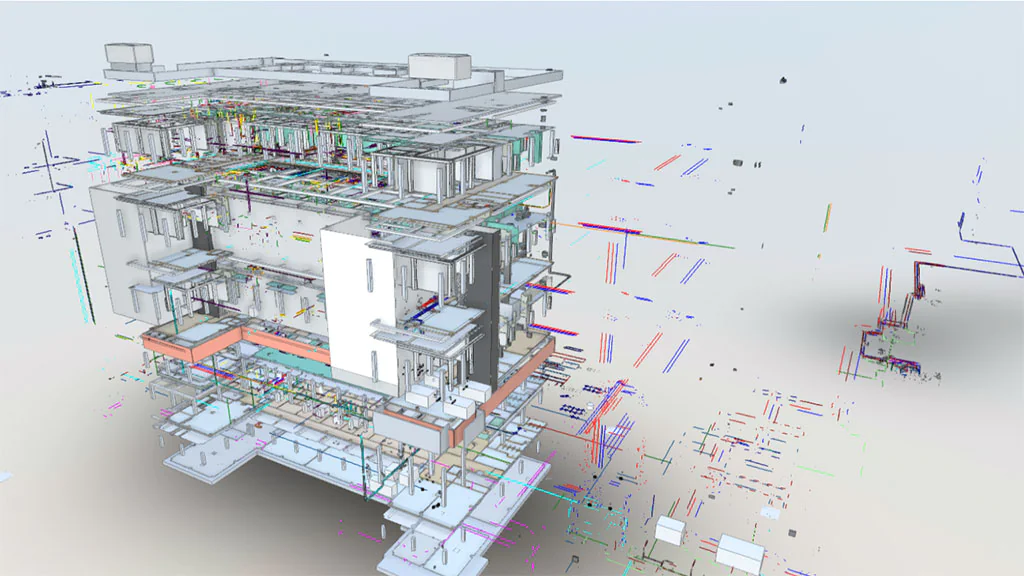
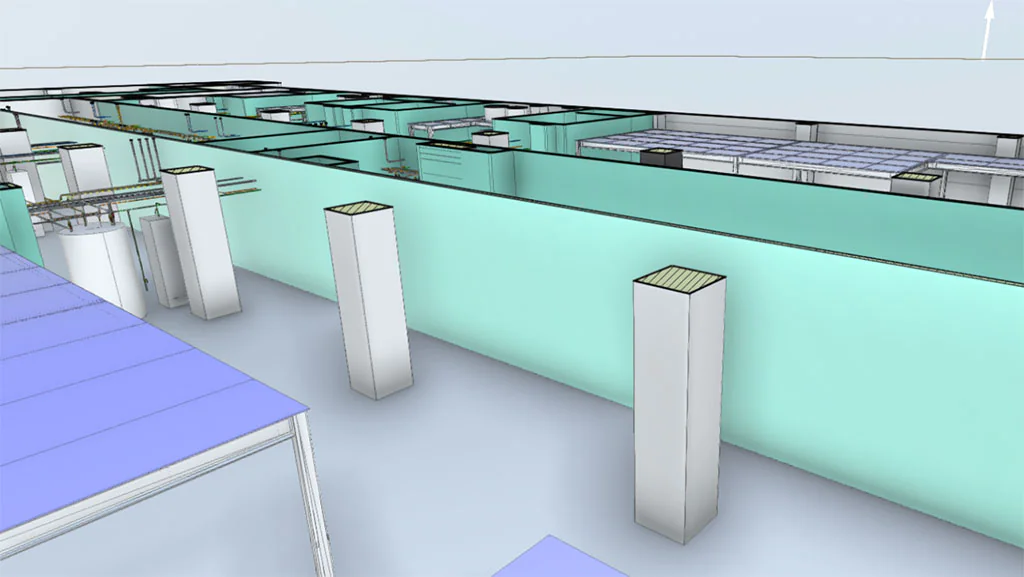
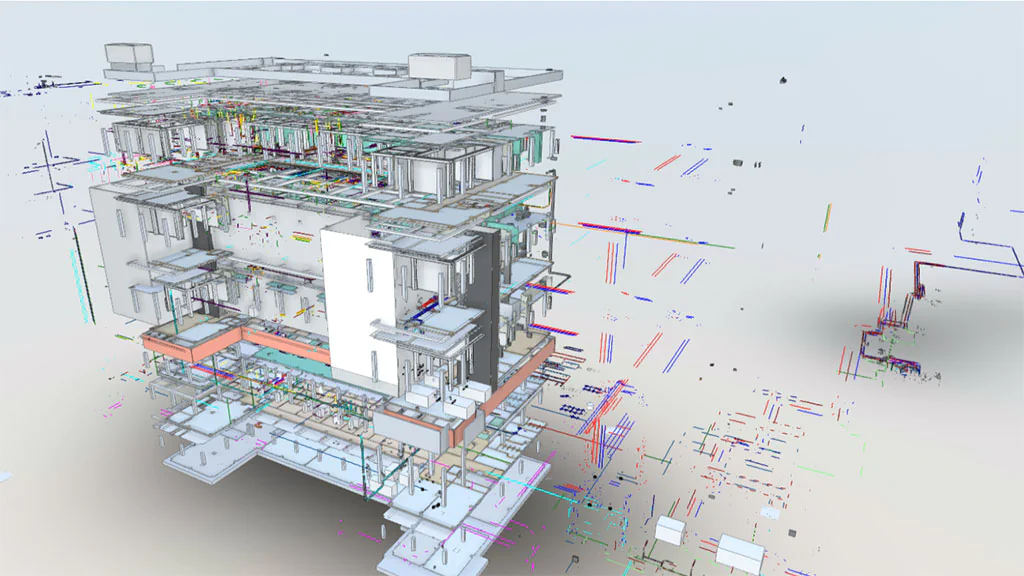
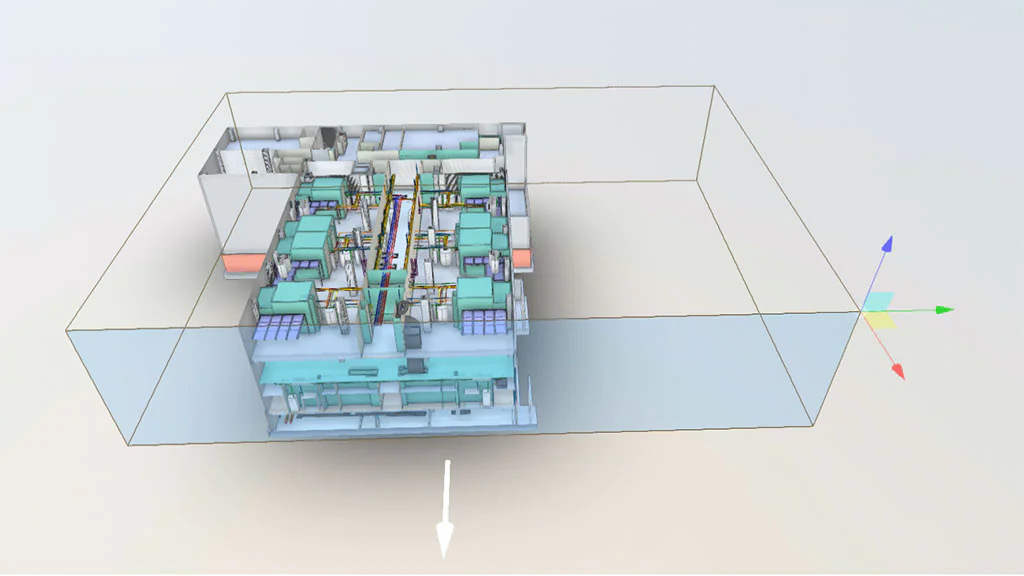
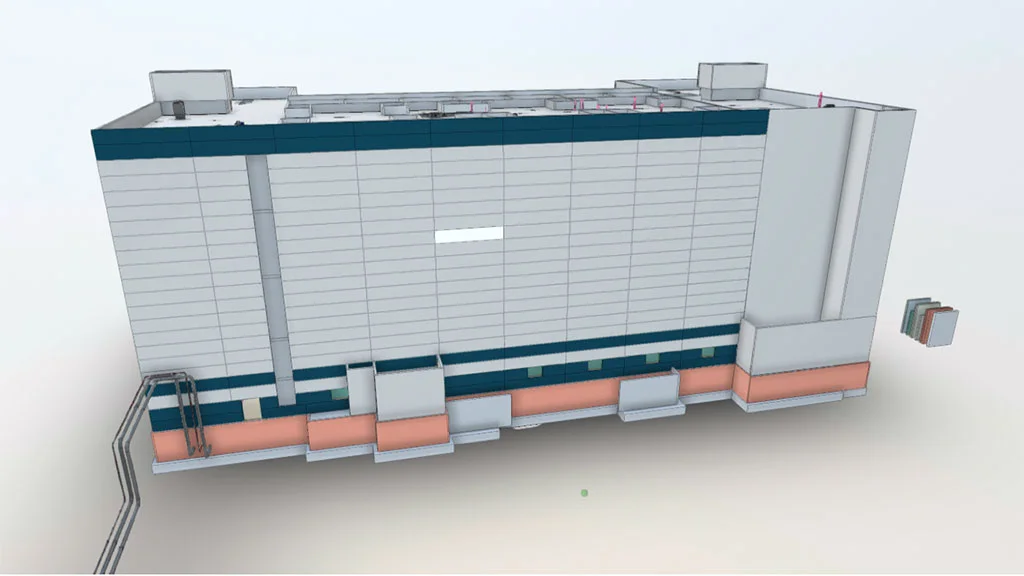
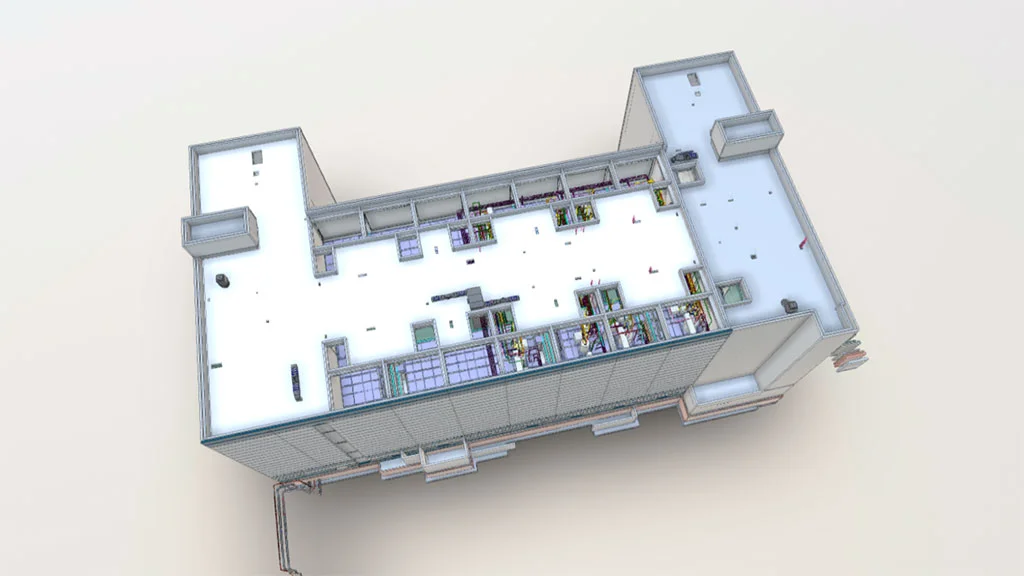
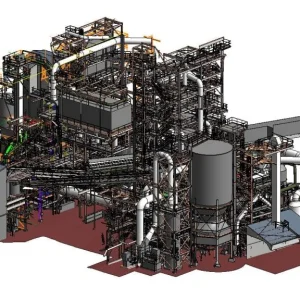

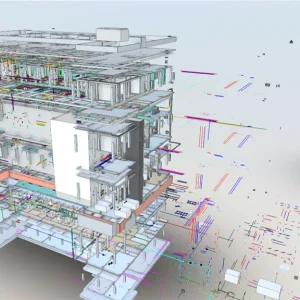
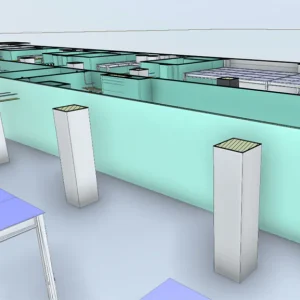
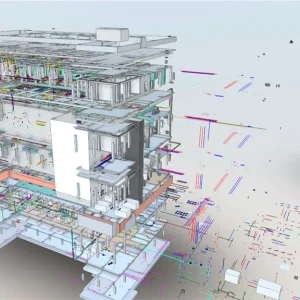
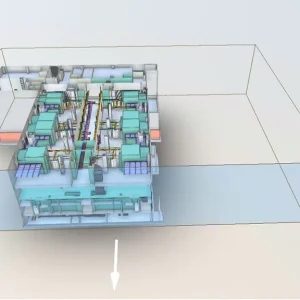
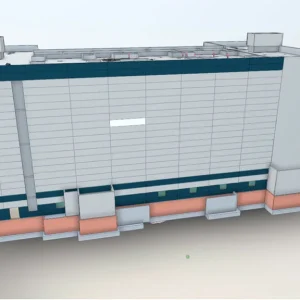
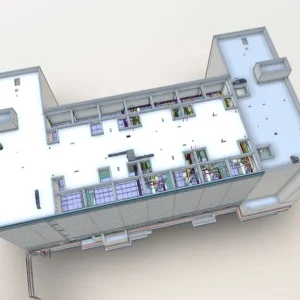
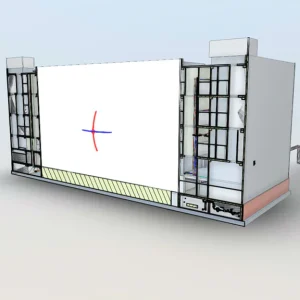
Typical reverse engineering projects in chemical plants include:
- reactors used in catalytic and polymerization processes
- shell-and-tube heat exchangers with complex nozzle arrangements
- large distillation columns with multiple feed and product lines
- bulk storage tanks with integrated piping and safety systems
- complex industrial piping networks connecting process units
These components form the backbone of chemical production infrastructure and often require precise reconstruction when upgrading facilities.

