

Reverse Engineering Services for Historical Buildings
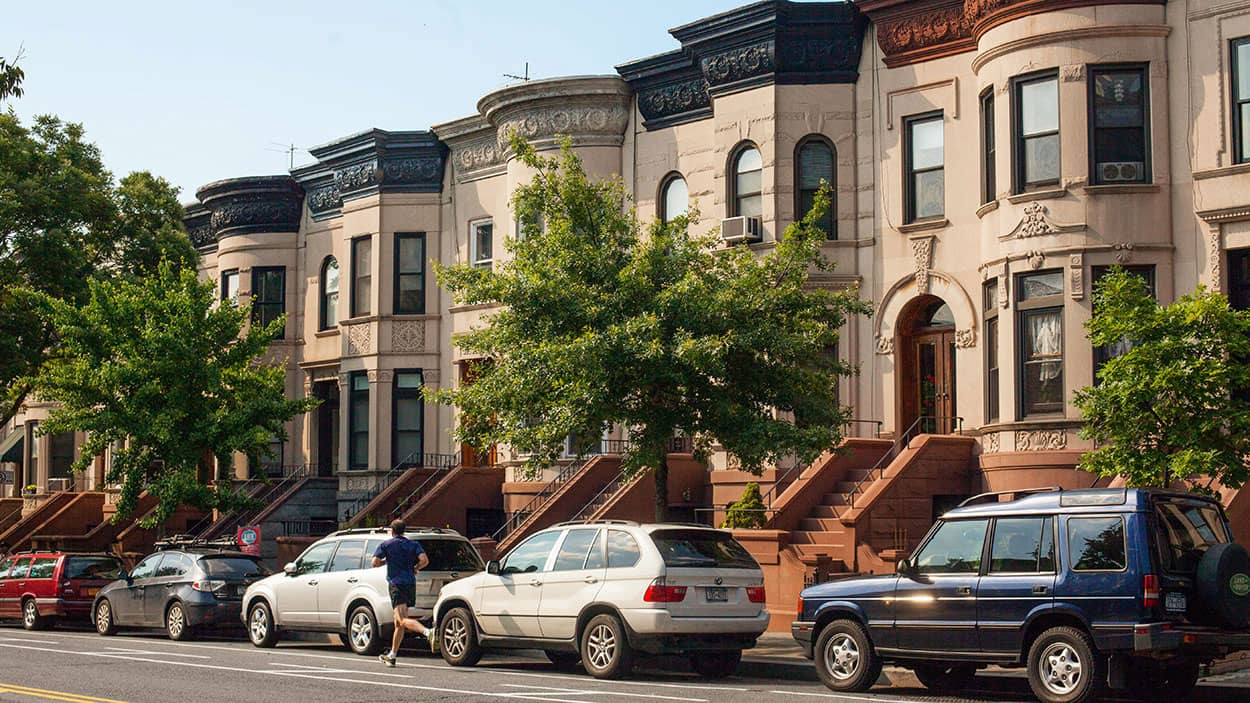
Historic buildings often contain damaged, missing, or undocumented architectural elements that must be accurately recreated before restoration or renovation can begin. Reverse engineering combines high-precision laser scan data with advanced CAD and BIM workflows to reconstruct complex geometry while preserving the building’s historical authenticity.
At ScanM2, we provide professional Reverse Engineering Services for Historical Buildings, transforming point cloud data into accurate digital models of existing and missing architectural features. Our specialists help architects, conservation experts, engineers, and restoration teams recreate historical geometry for heritage preservation, adaptive reuse, and renovation projects.
Whether restoring a museum, palace, historic residence, government building, castle, or protected landmark, our reverse engineering solutions provide reliable digital information for informed restoration decisions.
Contact Us Now for a Free Consultation!
Why Historical Buildings Require Reverse Engineering
Many heritage buildings have experienced decades—or even centuries—of deterioration, reconstruction, and structural modifications. Original drawings are often unavailable, while decorative architectural elements may have been damaged or completely lost.
Every reverse engineering project begins with our 3D Laser Scanning Services for Historical Buildings, capturing the existing geometry with millimeter-level accuracy. The resulting point cloud provides the precise foundation required to reconstruct complex architectural details while maintaining historical accuracy.
Reverse engineering enables restoration teams to replace missing elements, analyze structural conditions, and recreate original architectural forms without relying on assumptions.
Challenges of Reconstructing Historic Architecture
Reverse engineering historical buildings requires a combination of engineering precision and architectural understanding.
Typical challenges include:
- damaged decorative elements
- incomplete historical documentation
- irregular geometry
- centuries of structural movement
- weathered façades
- deteriorated roof structures
- missing architectural details
- preservation requirements for protected heritage assets
Our specialists reconstruct geometry based on verified scan data, historical references, and engineering best practices while preserving the original architectural character.
Our Reverse Engineering Workflow
Every project follows a structured reconstruction process.
1. Existing Conditions Capture
Accurate geometric information is collected through high-resolution laser scanning to document every accessible architectural feature.
2. Point Cloud Processing
The collected scan data is registered, cleaned, and optimized through our Point Cloud Processing Services for Historical Buildings, creating a reliable foundation for reconstruction.
3. Digital Reconstruction
Our engineers recreate damaged, incomplete, or missing architectural elements using CAD and BIM software while maintaining consistency with the existing structure.
4. Model Validation
Reconstructed geometry is compared against the original scan data and available historical documentation to verify dimensional accuracy and architectural consistency.
5. Project Delivery
The completed reconstruction models can support restoration projects, conservation planning, architectural design, and engineering documentation. When required, reconstructed geometry can also be incorporated into our BIM Modeling Services for Historical Buildings or complete Scan to BIM Services for Historical Buildings workflows.
Project Example: National Museum of Ethnography
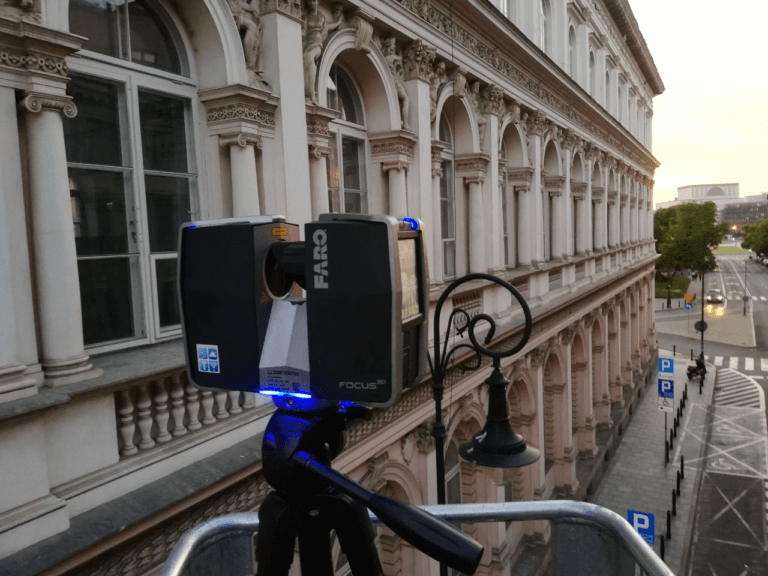
During the restoration of the National Museum of Ethnography, ScanM2 used high-density point cloud data to recreate complex architectural features and develop accurate digital geometry for restoration planning.
Decorative façades, roof structures, stained-glass elements, and intricate historical details were reconstructed within CAD and BIM environments, allowing architects and conservation specialists to preserve the building’s original architectural character while integrating modern restoration workflows.
The reconstructed geometry supported BIM development, technical documentation, and restoration planning, providing reliable digital information for every stage of the conservation project.
Gallery of Historical Building Reverse Engineering Projects
Explore examples of reverse engineering projects for historical buildings, demonstrating how laser scan data is transformed into accurate digital reconstructions of architectural elements, façades, roof structures, and heritage details for restoration and conservation.
National Museum of Ethnography Project Example




Reverse Engineering Deliverables
Depending on project requirements, we deliver:
- reconstructed architectural geometry
- CAD reconstruction models
- BIM reconstruction models
- historical façade reconstruction
- roof structure reconstruction
- decorative architectural elements
- parametric BIM components
- engineering documentation
- restoration-ready digital models
- industry-standard CAD and BIM formats
When complete project documentation is required, reconstructed elements can also be incorporated into As-Built Drawings Services for Historical Buildings, creating a comprehensive documentation package for restoration and future maintenance.
Applications of Reverse Engineering
Reverse engineering supports a wide range of heritage projects, including:
- historical building restoration
- reconstruction of damaged architecture
- heritage conservation
- adaptive reuse
- façade restoration
- structural rehabilitation
- BIM development
- CAD documentation
- digital twin creation
- long-term heritage preservation
Why Choose ScanM2
ScanM2 combines advanced laser scanning technologies with extensive experience in heritage documentation and digital reconstruction.
Our clients benefit from:
- millimeter-level geometric accuracy
- reconstruction based on verified point cloud data
- experienced heritage documentation specialists
- advanced CAD and BIM expertise
- reliable support for restoration projects
- rigorous quality control
- international experience with historical buildings

