

Benefits of Using Revit MEP for BIM Coordination and Engineering Design
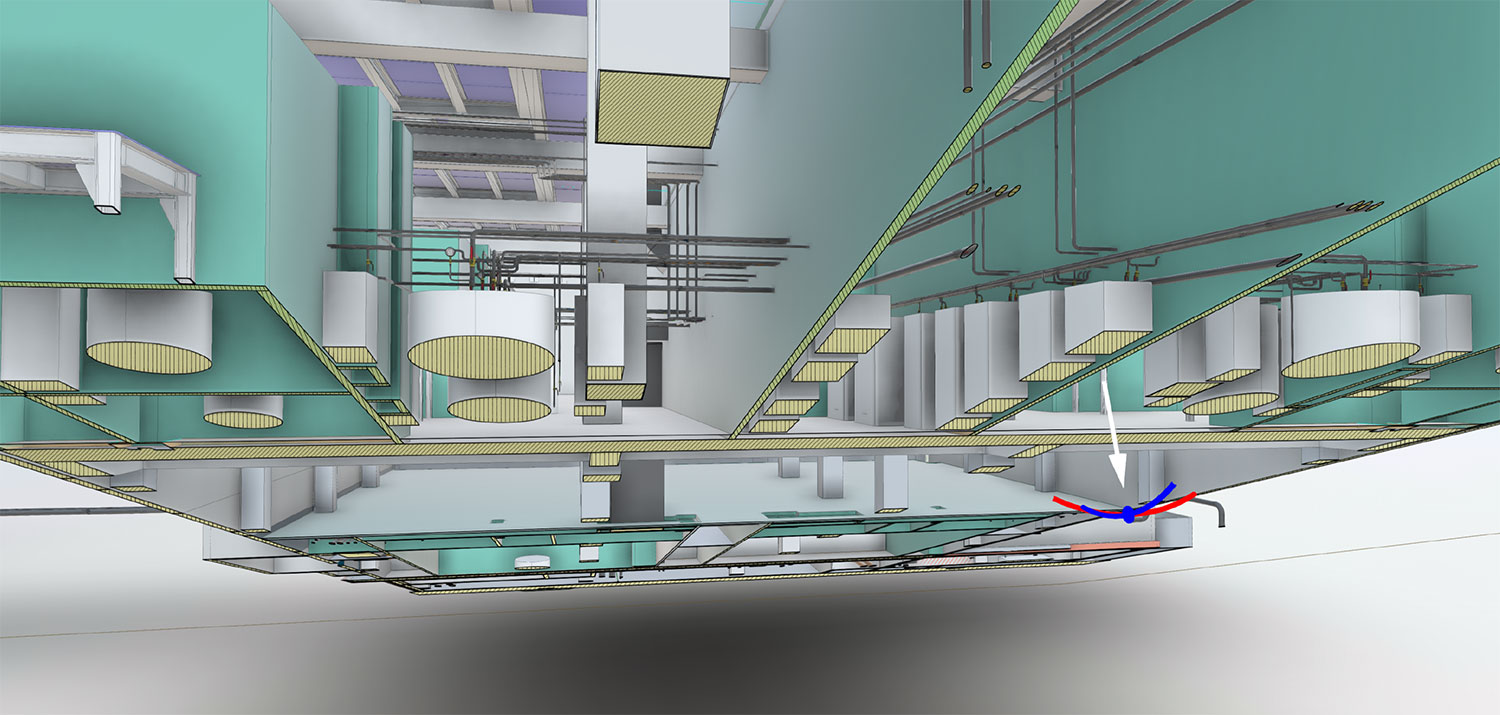

Modern construction and engineering projects involve increasingly complex building systems. Mechanical, electrical, and plumbing infrastructure must be designed, coordinated, and installed with high precision. This is where Revit MEP plays a critical role.
Revit MEP allows engineering teams to create intelligent digital models of building services systems, improving collaboration, reducing errors, and streamlining the design process. Many companies rely on professional MEP BIM modeling services to build accurate models that support engineering design, clash detection, and system coordination across disciplines.
Why Revit MEP Is Important for Building Services Engineering
Building services engineering involves designing systems that keep buildings functional, efficient, and safe. These systems include HVAC, electrical infrastructure, plumbing networks, fire protection systems, and control equipment.
Traditional 2D drawings often make it difficult to understand how these systems interact in real space. By using Revit MEP for engineering design, engineers can create a detailed BIM environment where every component is digitally represented and coordinated.
With a unified digital model, engineers can analyze system performance, check installation clearances, and detect conflicts between disciplines before construction begins. This significantly reduces design errors and helps teams plan installations more efficiently.
Revit MEP for HVAC, Electrical, and Plumbing Systems
One of the main advantages of Revit MEP is its ability to model complex building systems within a single coordinated environment.
Using Revit MEP for HVAC design, engineers can design ventilation systems, ductwork routing, and equipment placement while maintaining precise spatial relationships with structural and architectural elements.
Similarly, Revit MEP electrical design allows engineers to coordinate cable trays, conduits, lighting systems, and electrical equipment layouts. Electrical systems can be integrated directly with mechanical systems and structural elements inside the BIM model.
Plumbing systems can also be modeled with high accuracy. Revit MEP plumbing modeling supports the design of water supply, drainage, and piping networks while ensuring compliance with engineering standards and installation requirements.
Through this integrated modeling environment, engineers can coordinate mechanical, electrical, and plumbing systems more effectively.

Improving BIM Coordination with Revit MEP
One of the biggest benefits of Revit MEP is improved coordination between engineering disciplines. In complex construction projects, multiple systems compete for space within ceilings, shafts, and service corridors.
Using BIM environments supported by MEP BIM coordination services, engineering teams can identify conflicts between systems before installation begins. This process is known as clash detection and is essential for preventing costly field modifications.
Revit MEP enables engineers to visualize system layouts, verify spatial relationships, and ensure that HVAC, electrical, and plumbing components do not interfere with each other.
In many projects, coordination models are created using scan-to-BIM modeling services, which convert existing building data into accurate BIM models. This approach is particularly valuable for renovation projects where existing building conditions must be accurately represented in the BIM environment.
Comparison: Traditional Engineering Design vs Revit MEP BIM Workflow
| Aspect | Traditional Design Methods | Revit MEP BIM Workflow |
|---|---|---|
| System coordination | Separate drawings for each discipline | Integrated BIM model for all systems |
| Clash detection | Detected during construction | Detected during design phase |
| Design accuracy | Limited spatial verification | High accuracy using parametric models |
| Collaboration | Manual coordination between teams | Real-time collaboration in BIM |
| Documentation | Multiple disconnected drawings | Centralized digital documentation |
| Engineering efficiency | Time-consuming revisions | Faster updates and automated changes |
Integrating Laser Scanning Data into Revit MEP
Modern BIM workflows often rely on accurate spatial data obtained from laser scanning. Engineering teams can integrate point cloud modeling data into Revit to create models that reflect real building conditions.
Point clouds captured through laser scanning provide millions of spatial measurements representing existing building geometry. Engineers use this data as a reference when modeling mechanical and electrical systems.
This approach is especially useful when working with existing buildings, industrial facilities, or renovation projects where original drawings may be outdated. Accurate data helps engineers verify installation spaces, routing paths, and system clearances.
Contact Us Now for a Free Consultation!
Revit MEP in Complex Building Projects
Large construction and infrastructure projects involve thousands of components that must work together within limited space. Revit MEP helps engineering teams manage this complexity by providing a structured BIM environment.
Using parametric modeling tools, engineers can design systems that automatically adapt to changes in building geometry. For example, when architectural elements change, mechanical and electrical systems can update accordingly.
Accurate documentation is also essential for construction planning. Many engineering teams use as-built drawings generated from BIM models to document the final installation of building systems and equipment.
These drawings provide verified information about equipment locations, system routing, and installation details, which supports facility maintenance and future upgrades.
Advantages of Revit MEP for Engineering Teams
Engineering teams gain several important advantages when working with Revit MEP.
Key benefits include:
- improved interdisciplinary coordination
- more accurate system modeling
- enhanced clash detection capabilities
- better visualization of building systems
- reduced design conflicts during construction
- improved documentation and technical drawings
By integrating BIM workflows with digital modeling technologies, Revit MEP helps engineering teams create more reliable designs and reduce construction risks.
Conclusion
Revit MEP has become a powerful tool for modern engineering design and building services coordination. By enabling accurate modeling of mechanical, electrical, and plumbing systems within a unified BIM environment, it helps engineers improve collaboration and reduce design conflicts.
When combined with technologies such as laser scanning, point cloud modeling, and scan-to-BIM workflows, Revit MEP provides the foundation for accurate digital building models and efficient engineering planning.
For complex construction projects, the ability to coordinate building systems within a single BIM environment significantly improves project outcomes and ensures more reliable system integration.
FAQ
What is Revit MEP used for?
Why is Revit MEP important for BIM coordination?
Can point cloud data be used in Revit MEP?
What are the main advantages of using Revit MEP?

How 3D Laser Scanning Supports Construction Claims and Dispute Resolution
24.08.2026
Construction claims and disputes often arise when project participants disagree about what was actually built, when specific work was completed, whether installed elements match the ...

Point Cloud Cleaning Explained: How Scan Data Is Prepared for CAD and BIM
19.08.2026
3D laser scanning can capture millions or even billions of measurement points across an existing building, industrial facility, or construction site. However, the raw dataset ...

What Is an IFC Model and How Is It Used in BIM?
14.08.2026
Building Information Modeling projects often involve architects, structural engineers, MEP specialists, contractors, and building owners working with different software platforms. Exchanging information between these systems ...

How Existing Building Documentation Is Created Using 3D Laser Scanning
23.07.2026
From Reality Capture to Accurate CAD Drawings and BIM Models Accurate Existing Building Documentation is the foundation of every successful renovation, modernization and adaptive reuse ...

