

BIM Modeling for Condensation Electric Power Plant
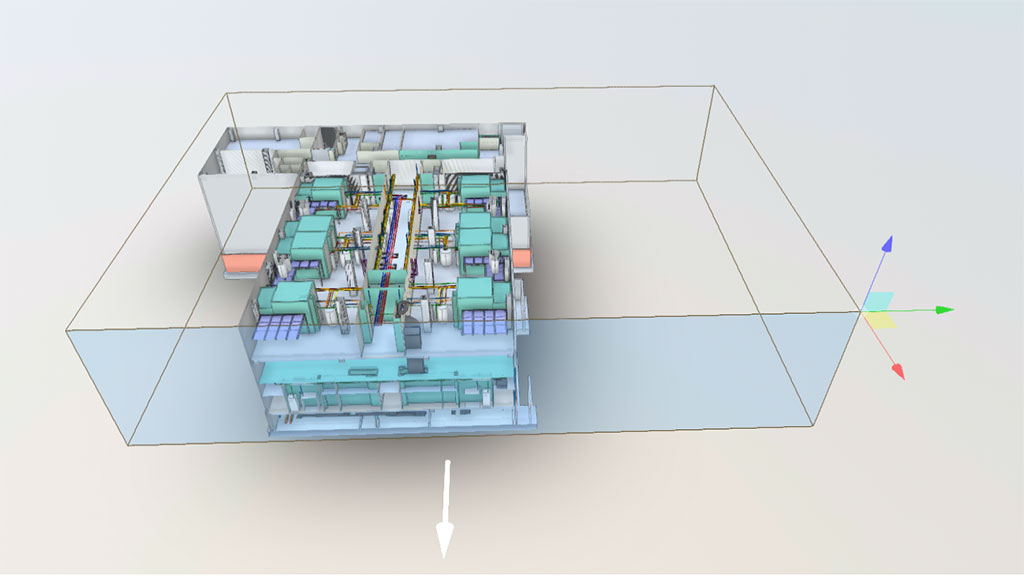
Modernization of a condensing power plant involves more than replacing individual machines. Turbine-generator units, condensers, feedwater systems, steam pipelines, structural supports, and electrical installations must function within a shared industrial environment. Changes to one system can affect the arrangement and accessibility of several others.
ScanM2 provides BIM Modeling Services for Condensing Power Plants, developing coordinated three-dimensional models for existing facilities, equipment upgrades, reconstruction, and multidisciplinary engineering projects. BIM helps design teams organize technical information, evaluate spatial relationships, and coordinate modifications across interconnected power generation systems.
Contact Us Now for a Free Consultation!
One Power Generation Unit, Multiple Engineering Disciplines
A condensing power plant combines steam generation, electricity production, condensation, cooling, and water circulation. These processes rely on equipment installed within buildings and structures that must also accommodate maintenance, access, and future modifications.
Modernization projects commonly involve several engineering disciplines working simultaneously. Mechanical designers develop equipment and piping modifications, structural engineers evaluate supports and foundations, and electrical teams coordinate installations and cable routes.
BIM modeling provides a common geometric and information framework for these activities. Individual discipline models can be coordinated to evaluate how proposed changes interact with existing and newly designed systems.
Where BIM Modeling Adds Value During Plant Modernization
The value of BIM depends on the engineering decisions the model is expected to support. For condensing power plants, the most common applications relate to equipment replacement, technical reconstruction, and coordination between interconnected installations.
| Modernization task | BIM application |
|---|---|
| Turbine-generator replacement | Coordinate equipment dimensions, foundations, structural interfaces, and access requirements |
| Condenser modernization | Evaluate condenser arrangement, nearby piping, equipment supports, and installation space |
| Steam pipeline reconstruction | Develop pipe routes and review geometric conflicts with surrounding systems |
| Boiler equipment upgrades | Coordinate proposed machinery, structural modifications, and service platforms |
| Auxiliary system replacement | Organize pumps, heaters, tanks, and connected engineering installations |
| Powerhouse reconstruction | Integrate architectural, structural, and mechanical model information |
BIM Models for Turbine and Generator Modernization
Turbine-generator units are among the most significant installations in a condensing power plant. Their replacement or refurbishment may require changes to surrounding equipment, foundations, access platforms, and connected systems.
A BIM model can represent the relevant equipment envelopes, installation interfaces, supporting structures, and adjacent mechanical systems. Engineers can use this information to coordinate proposed layouts and examine whether the required space is available.
Where detailed component design is necessary, specialized mechanical CAD models may be developed separately and incorporated into the broader project model as appropriate.
Condenser Systems: Coordinating Equipment and Connections
The condenser is central to the operation of a condensing steam power plant. Its installation is closely associated with the turbine exhaust arrangement, cooling-water connections, condensate extraction, and supporting structures.
During condenser replacement or modification, BIM can help engineers evaluate the position of the proposed equipment, the arrangement of connected systems, and the available space for installation and maintenance.
The model may include condenser envelopes, selected pipe connections, surrounding foundations, platforms, and structural elements. The required geometric detail depends on the project stage and engineering objectives.
Coordinating Mechanical, Structural, and Electrical Systems
Power plant reconstruction often requires several disciplines to share limited technical space. A proposed pipeline may cross an existing beam, a cable route may intersect an equipment support, or a new platform may restrict access to a valve.
Coordinated BIM models help project teams identify these geometric issues before installation begins.
Depending on the scope, multidisciplinary coordination can involve:
- Mechanical equipment and process piping
- Structural steelwork and concrete foundations
- Electrical equipment and cable support systems
- Ventilation and building services
- Maintenance platforms, stairs, and access areas
- Architectural and building envelope elements
Clash detection identifies potential geometric conflicts within the modeled scope. Engineering teams must still evaluate operational requirements, thermal expansion, maintenance clearances, and other constraints that may not be represented by simple geometry.
Designing Steam and Feedwater Piping in BIM
Steam and feedwater piping systems connect major power generation equipment across multiple levels and technical areas. Their routing must account for surrounding machinery, structural supports, installation space, and maintenance requirements.
BIM modeling can support the development and coordination of proposed pipe routes, bends, valves, and support locations. Models may also include selected technical attributes supplied by the engineering team.
Detailed pipe stress analysis, thermal expansion calculations, pressure design, and material selection remain separate engineering activities. BIM provides a coordinated environment for their geometric outcomes rather than replacing those calculations.
Existing-Condition Models and Proposed Design Models
A modernization project often requires two distinct categories of information: the physical arrangement of the existing plant and the geometry of proposed modifications.
Existing-condition models may be developed from verified technical drawings, field measurements, or registered laser scanning data. Proposed design models are created from the engineering requirements of the modernization project.
Combining these models enables engineers to evaluate new installations against the current plant configuration.
When accurate existing geometry must first be reconstructed from point clouds, our Scan to BIM Services for Condensing Power Plants provide a dedicated workflow for creating measured existing-condition models.
Modeling Equipment Foundations and Supporting Structures
Heavy equipment requires carefully coordinated foundations and structural interfaces. Changes to machinery dimensions, connection locations, or installation arrangements may influence the surrounding construction.
BIM models can represent concrete foundations, structural framing, openings, floor levels, and equipment support arrangements. This helps engineers coordinate proposed modifications with the architectural and structural design.
Structural capacity, reinforcement requirements, vibration behavior, and foundation suitability must be verified through appropriate engineering calculations and investigations.
Defining the Right Level of BIM Detail
Not every component requires a highly detailed model. The appropriate level of information should reflect the project stage and the decisions the model will support.
Concept and Feasibility Stage
Simplified equipment volumes, major structures, and principal pipe routes may be sufficient to evaluate preliminary layouts and spatial feasibility.
Design Coordination Stage
More developed geometry can support equipment positioning, pipe routing, structural interfaces, and multidisciplinary clash reviews.
Detailed Engineering Stage
Selected systems and interfaces may require additional detail, technical parameters, or integration with specialized engineering models. The required information should be specified in the project’s BIM requirements.
How BIM Supports Phased Reconstruction
Condensing power plants are frequently modernized in stages rather than through a single comprehensive reconstruction. One phase may focus on turbine equipment, while later work addresses condenser systems, steam piping, or auxiliary installations.
BIM can help organize these phases by separating existing elements, proposed modifications, and systems scheduled for replacement or removal.
For projects involving several engineering contractors, a consistent model coordinate framework and agreed information requirements make it easier to coordinate successive work packages.
Our BIM Modeling Approach for Condensing Power Plants
The modeling approach is defined around the project’s technical objectives, available source information, and required coordination deliverables.
- Project requirements. Identify the facility systems, engineering disciplines, project stage, and intended model uses.
- Source information review. Evaluate available drawings, CAD files, point clouds, equipment information, and other technical references.
- Model structure. Establish coordinates, discipline organization, naming conventions, and information requirements.
- Model development. Create the agreed building, structural, equipment, and engineering system elements.
- Coordination review. Examine relevant geometric relationships and resolve identified modeling inconsistencies.
- Deliverable preparation. Export and organize the required BIM models and supporting documentation.
BIM Deliverables for Power Plant Engineering Projects
The final deliverables depend on the agreed scope, engineering disciplines, and software environment.
- Coordinated 3D BIM models of selected power plant systems
- Mechanical equipment and piping models
- Architectural and structural models
- Discipline-specific models for coordination
- Model-derived plans, sections, and views where specified
- Native BIM files and agreed exchange formats
- Relevant model information and coordination documentation
BIM Modeling for Future Plant Upgrades
A well-structured BIM model can remain useful beyond the immediate modernization project. It can provide a geometric and information reference for later equipment modifications, technical documentation, and engineering coordination.
However, the model must be updated when the physical facility changes. Without a controlled update process, digital information can become outdated in the same way as conventional drawings.
For existing facilities requiring new measurement data, 3D Laser Scanning Services for Condensing Power Plants can provide the geometric references needed to verify relevant plant areas.
Coordinate Condensing Power Plant Modernization with BIM
Modernization projects benefit from coordinated digital information that connects generating equipment, piping systems, structural interfaces, and proposed modifications.
ScanM2 develops project-specific BIM models for complex industrial and energy facilities, supporting engineering coordination, equipment replacement planning, and phased reconstruction.

